
Print this page or go back to standard view.

PIX4588148: Spica Saturn and Mars - Astral trio in the sky of the Reunion On the left, the blue star Spica (from the constellation of the Virgin), on his right Saturn (yellowish) and below Mars (reddish). August 9, 2012 Trio in the sky of Reunion Island At left, the blue star Spica (in Virgo), Saturn to its right (yellow) and below Mars (reddish). August 9 2012 / Bridgeman Images

JLJ4588171: The Banks of the Oise in Pontoise, 1872 (oil on canvas), Pissarro, Camille (1830-1903) / Bridgeman Images

JLJ4588496: Battle of Zurich won by Andre Massena, September 25, 1799 on the Austro-Russian army of Alexander Souwaroff (oil on canvas), Bouchot, Francois (1800-42) / Bridgeman Images

JLJ4588588: The Virgin and Child Surrounded by Saintes, the Donor and Saint John the Baptist Diptych, 15th century (painting), Memling, Hans (c.1433-94) / Bridgeman Images
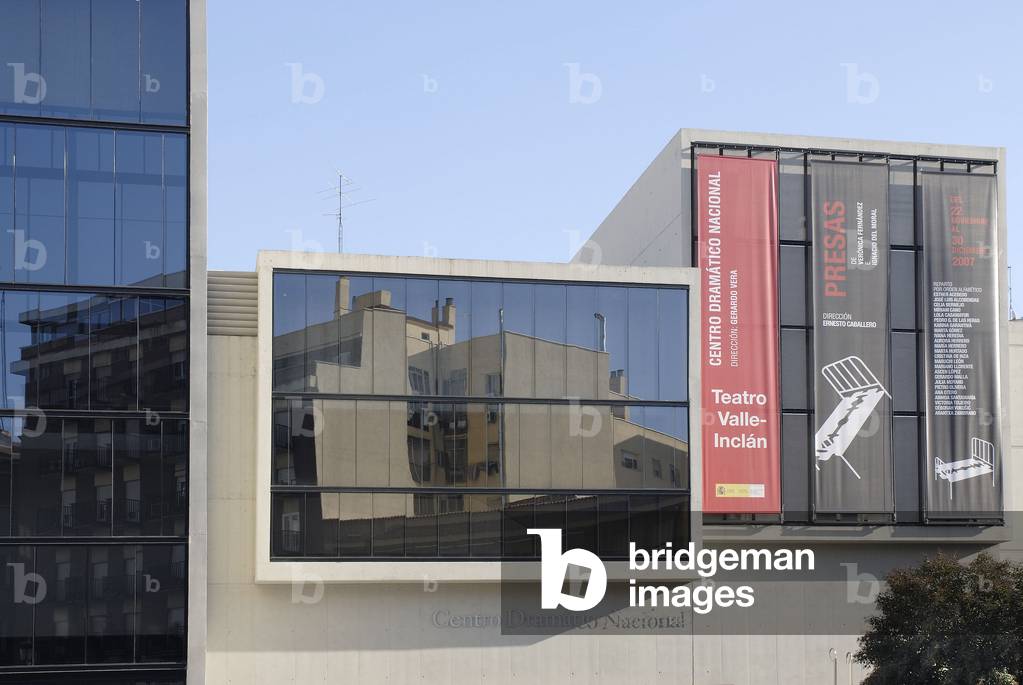
RCT4588598: The theatre Valle Inclön, Plaza de Lavapies in Madrid (Spain). Architects Angela Garcia de Paredes and Ignacio Garcia Pedrosa, 2005. Photography 30/12/07., Castan, Remy / Bridgeman Images
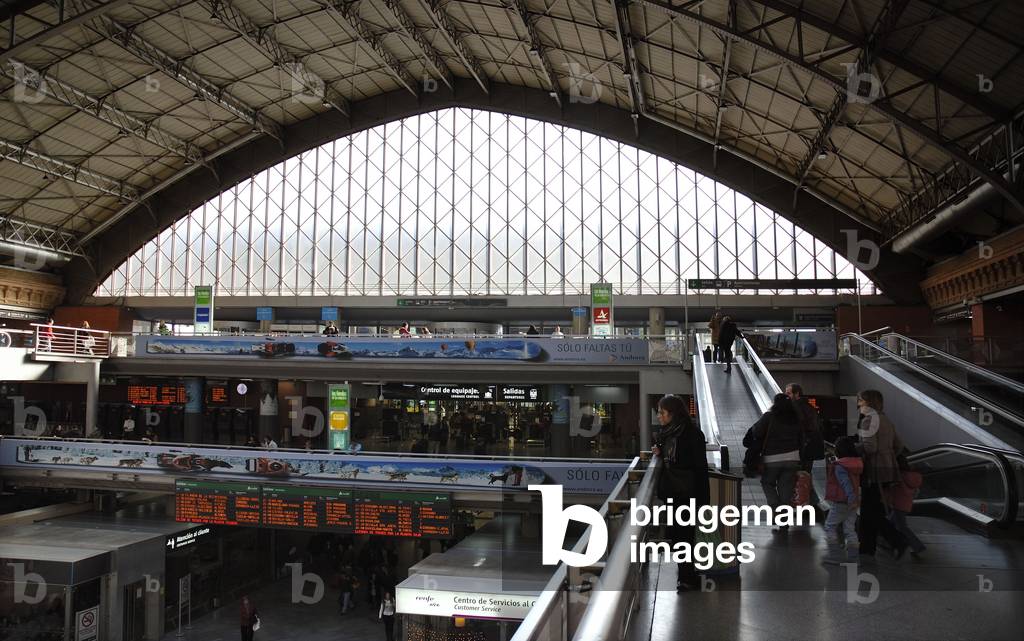
RCT4588629: Extension of Atocha Station in Madrid (Spain). Realisation 1992, architect Rafael Moneo. Photography 30/12/07., Moneo, Jose Rafael (b.1937) / Bridgeman Images
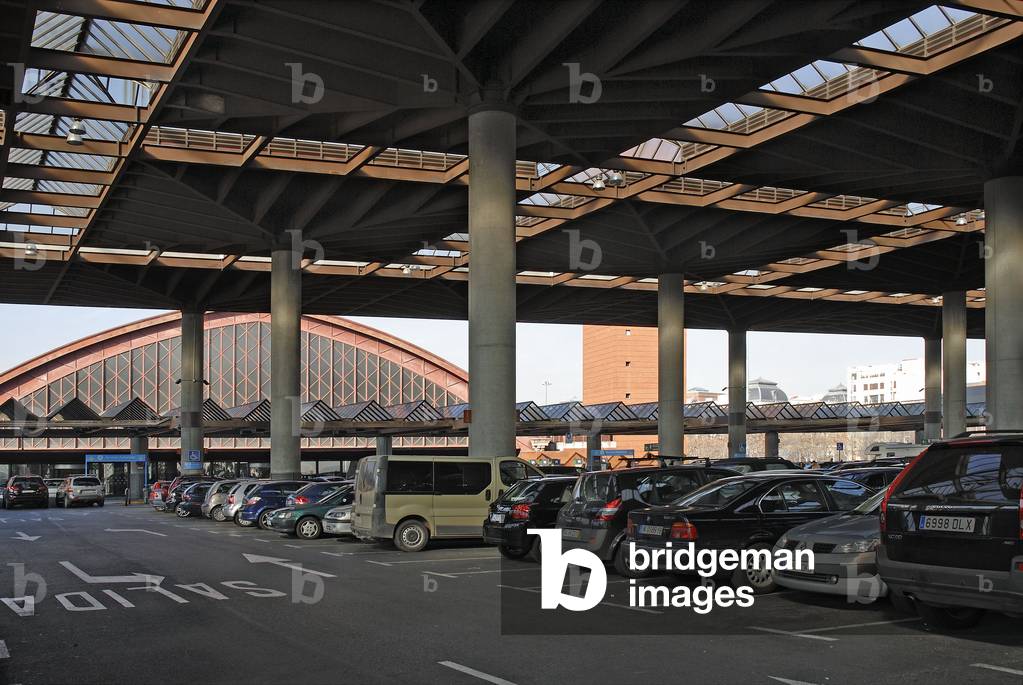
RCT4588667: Extension of Atocha Station in Madrid (Spain). Realisation 1992, architect Rafael Moneo. Photography 30/12/07., Moneo, Jose Rafael (b.1937) / Bridgeman Images

PIX4588732: Constellation Eagle - The Aquila constellation - The brightest star in this constellation is Altair. It is one of the brightest stars in the night sky. It is the center of an almost perfect alignment of three stars and is located about 16 years - light from the Sun. The brightest star of this constellation is Altair, one of the brightest star in the sky / Bridgeman Images

PIX4588188: Closeness between the Moon and Saturn - Moon with Saturn. August 31 2014 - Photo taken on 31.08.14 of the approximation of less than 15 'between the Moon and Saturn. A plane passed by the Moon / Bridgeman Images
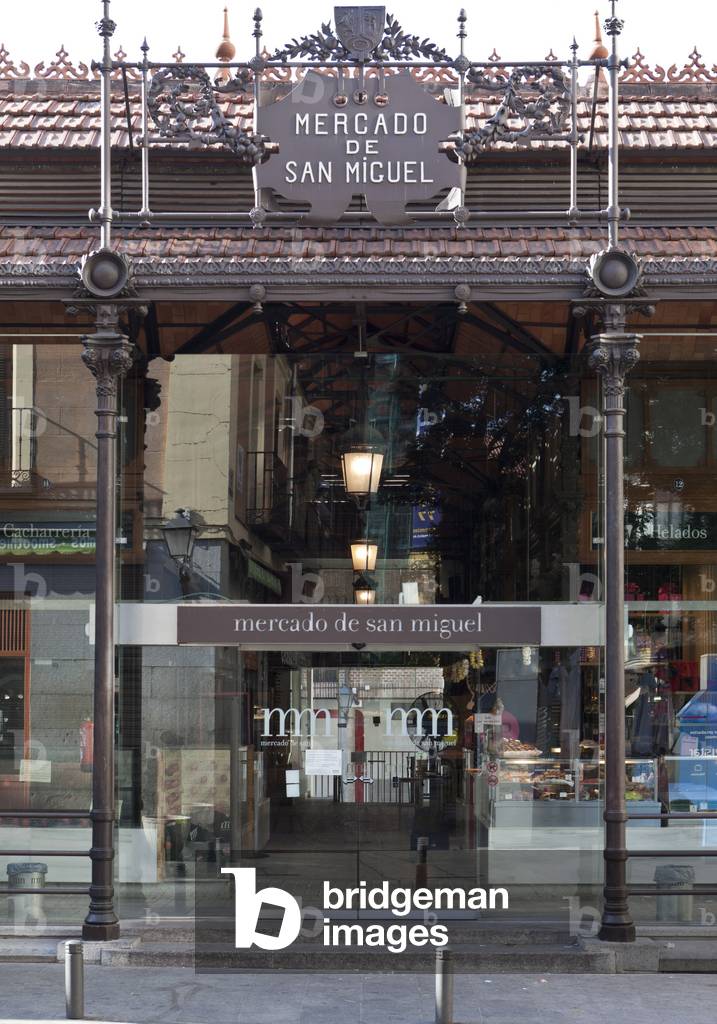
OMG4588216: The San Miguel Marche, Madrid, Spain. Photography by Alfonso Dube, 1916. Photography 24/05/09 / Bridgeman Images

JLJ4588548: Bouquet of roses, 18th century (litho), Buchoz, Pierre-Joseph (1731-1807) / Bridgeman Images

OMG4588322: The San Miguel Marche, Madrid, Spain. Architecture by Alfonso Dube, 1916. Photography 24/05/09 / Bridgeman Images
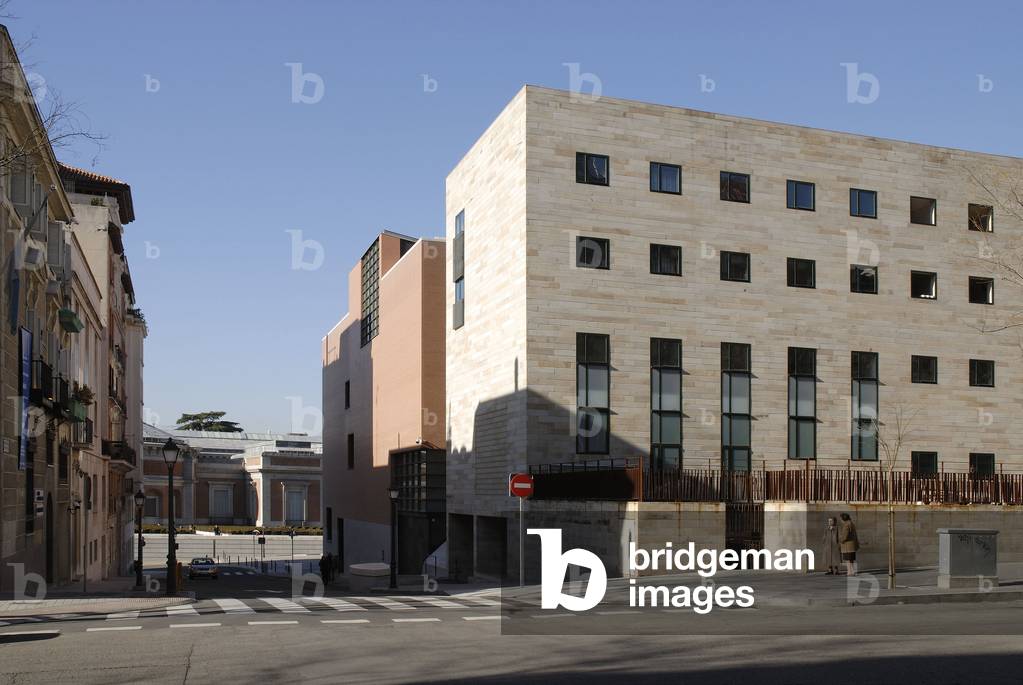
RCT4588345: The extension of the Museo del Prado in Madrid (Spain). Architects of the Museum, in 1808: Juan de Villanueva, in 1918, renovated by Antonio Lãpez Aguado and in 2005, extended by Rafael Moneo. Photography 30/12/07., Moneo, Jose Rafael (b.1937) / Bridgeman Images
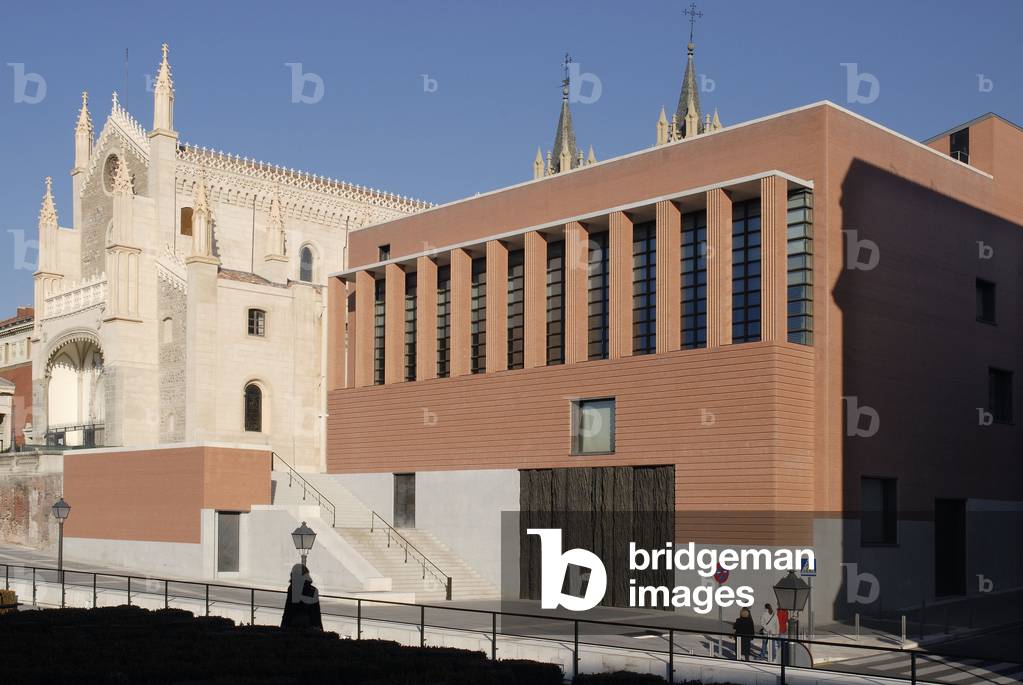
RCT4588356: The extension of the Museo del Prado in Madrid (Spain). Architects of the Museum, in 1808: Juan de Villanueva, in 1918, renovated by Antonio Lãpez Aguado and in 2005, extended by Rafael Moneo. Photography 30/12/07., Moneo, Jose Rafael (b.1937) / Bridgeman Images

JLJ4588379: Portrait of George Washington Sculpture of Jean Antoine Houdon 18th century (sculpture), Houdon, Jean-Antoine (1741-1828) / Bridgeman Images
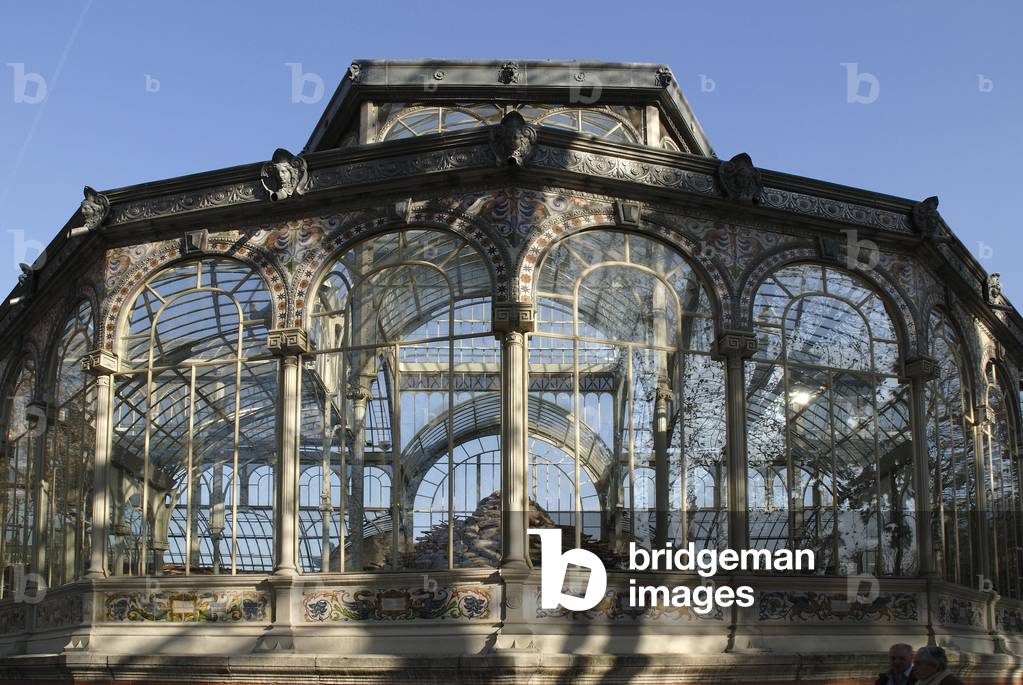
RCT4588808: The Palacio de Cristal in the Parque del Retiro in Madrid (Spain).Photography 29/12/07., Castan, Remy / Bridgeman Images

PIX4588824: Eagle and Fleche Constellations - Aquila and Sagitta constellations - The brightest star of this constellation is Altair. It is one of the brightest stars in the night sky. It is the center of an almost perfect alignment of three stars and is located about 16 years - light from the Sun. Above the small constellation of the Fleche. Aquila (the Eagle) well represents a mythological bird that was the companion of Jupiter. It lies in the northern Milky Way and contans rich fields of stars particularly in the western half and into adjoining Scutum. The brightest star in the constellation is Altair (Arabic for flying eagle), which is at one corner of the Summer Triangle (Altair, Deneb and Vega). Sagitta (the Arrow) is the third smallest constellation in the sky, and although it contains no bright stars, was well known to the ancient Greeks. Its arrow seems directed through Vulpecula and Pegasus towards Andromeda, skirting Cygnus. These constellations are a little north of the celestial equator and can be seen from all inhabited parts of the planet. Best seen in the early evening in Augus / Bridgeman Images

PIX4588938: Constellations of Andromede and Cassiopee - Andromeda and Cassiopeia constellations - Star sky around the constellations of Andromede and Cassiopee. 16/10/2007. Starry sky above an oak. October 16, 200 / Bridgeman Images

JLJ4588971: The Genie of Peace, 19th century (oil on canvas), Prud'hon, Pierre-Paul (1758-1823) / Bridgeman Images

JLJ4588499: Gothic art: statue of the laughing angel, Cathedrale Notre Dame de Reims, 1211-1311 (stone), French School, (13th century) / Bridgeman Images

TEC4588927: Istanbul city seen from the Pera Tower Istanbul - Turkey - / Bridgeman Images

PIX4588580: Transit de Venus - 06/06/2012 - Transit of Venus (June 6 2012) - Transit of Venus in front of the Sun seen from Hungary, June 6, 2012. Venus is barely visible as a black dot on the upper center of the solar disc. The Transit of Venus is a rare celestial phenomenon happens only twice in each century and the 2012 transit was the last of our time. Image taken from Hungary / Bridgeman Images

JLJ4589043: Halt of hunters, 18th century (oil on canvas), Falens or Valens, Carel van (1683-1733) / Bridgeman Images

JLJ4589218: The fifth act has the Gaite Expressions of the face of the audience during the show, 19th century (engraving), Daumier, Honore (1808-79) / Bridgeman Images

OMG4589237: Kadikoy district in Istanbul (Turkey). / Bridgeman Images

JLJ4589222: Portrait en pied de une petite fille à la rose, 19th century (oil on canvas), Moulignon, Leopold de (1821-97) / Bridgeman Images

JLJ4589236: Ile de France, 1940 (oil on canvas), Laurencin, Marie (1883-1956) / Bridgeman Images

TEC4588877: Blue Mosquee in Istanbul Blue Mosquee - Sultan Ahmed Religious Complex - Istanbul - 1616 - Davut Aga - / Bridgeman Images

OMG4589274: Kadikoy district in Istanbul (Turkey). / Bridgeman Images

TEC4589115: Hagia Sophia Basilica and Archeological Park of Istanbul Hagia Sophia Basilica - Istanbul - Turkey / Bridgeman Images
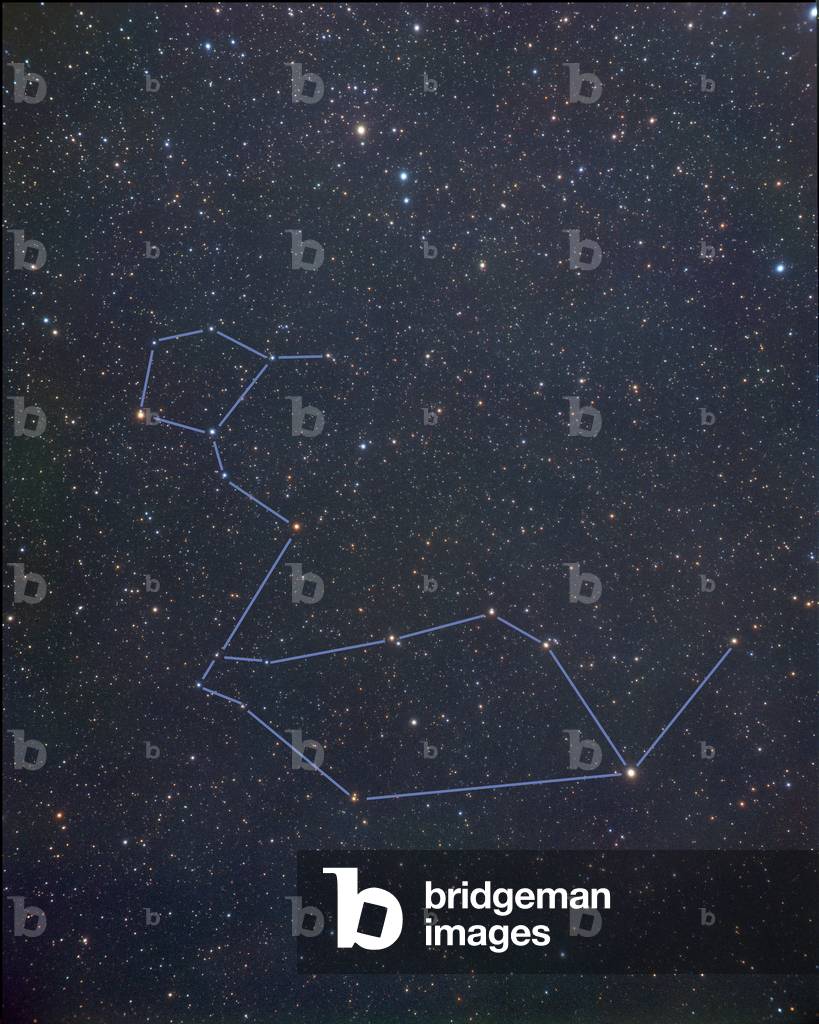
PIX4589136: Whale Constellation - Constellation of Cetus - Also visible, the constellation Belier at the top of the picture. Cetus (the Whale or Sea Monster) is an ancient constellation in the northern sky depicting a whale - like creature basking on the shores of the fabled stream Eridanus, which flows from the celestial equator far into the southern sky. Cetus is extensive but not very distinctive, containing few bright stars. However, some of the stars are exceptionally interesting, particlarly Mira the wonderful, the prototype variable star, whose variability was first noted 400 years ago. The constellation of Aries is visible at the top of the image / Bridgeman Images
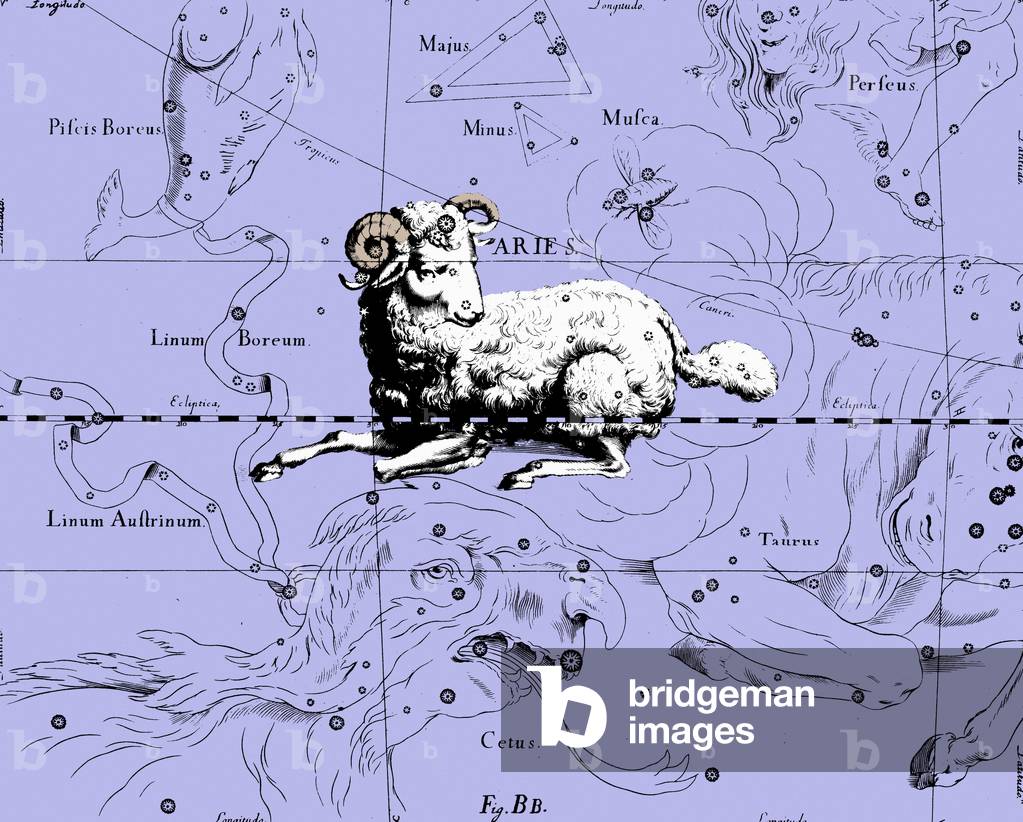
PIX4589202: Constellation Belier - Constellation of Aries - The constellation Belier extracted from the Uranographia of Hevelius. Recolorised image. Map showing the constellation of Aries with its mythological form from “” Uranographia”” star atlas by Hevelius (1690). Recolored Image / Bridgeman Images

PIX4589254: Constellations of the Compsole and the Great Dog - Constellations of Pyxis and Canis Major - Constellation of the Compsole, near the horizon, and constellation of the Great Dog with the brilliant star Sirius. Pyxis, the Mariner's Compasse was originally Pyxis Nauticus and refers to the magnetic compasset. It is a small, insignificant arrangement of faint stars surrounded by much more eyecatching patterns of stars. Pyxis was once part of the very large constellation Argo Navis, the ship Argo, which carried Jason and the Argonauts. Argo Navis is now obsolete, but it was listed in Ptolemy's star catalogue, the Almagest. When the constellation boundaries were defined by the International Astronomical Union in the 1930s it was the only one of Ptolemy's 48 constellations that was not accepted. Instead, it was divided into the four constellations introduced by the French cleric and astronomer Nicolas de Lacaille in the 1750s: Carina, the keel, Puppis the stern, Vela the sails, and Pyxis. La Caille originally called this part of Argo Navis Malus, the Mast, which is rather more appropriate since the ancient Greeks did not use the magnetic compasse, and such compasse are not usually used on a ship's mast. However, alpha Pixidis, is sometimed known by its Arabic name Al Sumut, meaning “” the way””. This word is the origin of azimuth, a directional coordinate on the horizon / Bridgeman Images

OMG4589293: Karakoy district in Istanbul, Turkey. / Bridgeman Images

JLJ4589302: Le chateau de Teniers a Perck, 17th century (oil on canvas), Teniers, David the Younger (1610-90) / Bridgeman Images

PIX4589335: Constellations du Bouvier - Constellation of Bootes - Constellations du Bouvier et de la Couronne Boreale on its left. Booetes (the Herdsman) is an ancient constellation of a figure driving a bear (Ursa major) around the sky, perhaps holding the tethers of the hunting dogs (Canes Venatici) in the adjoining constellation. The brightest star here is Arcturus, the brightest in the northern sky; its name means 'bearkeeper' in ancient Greek. Other star names illuminate the striding figure - - Izar (the second brightest star) means the belt or girdle, and Alkaurops (the easternmost star) is the Greek for staff or crook. The constellation covers 907 square degrees of sky and is the 19th largest. Best seen in the early evening in June / Bridgeman Images