
Print Friendly Version Page

2502120 Search Results

Exterior view of Villa Valguarnera, 1721

LRI4587051: Exterior view of Villa Valguarnera, 1721, Napoli, Tommaso Maria (1655-1725) / Bridgeman Images

Approximation Moon Venus from the Observatory of the Pic du Midi - Moon-Venus conjunction -Pic du Midi - Conjunction Lune Venus from the terraces of the Observatory of the Pic du Midi. 31 January 2009. Moon-Venus conjunction. Pic du Midi observatory. January 31 2009

PIX4586673: Approximation Moon Venus from the Observatory of the Pic du Midi - Moon-Venus conjunction -Pic du Midi - Conjunction Lune Venus from the terraces of the Observatory of the Pic du Midi. 31 January 2009. Moon-Venus conjunction. Pic du Midi observatory. January 31 2009 / Bridgeman Images
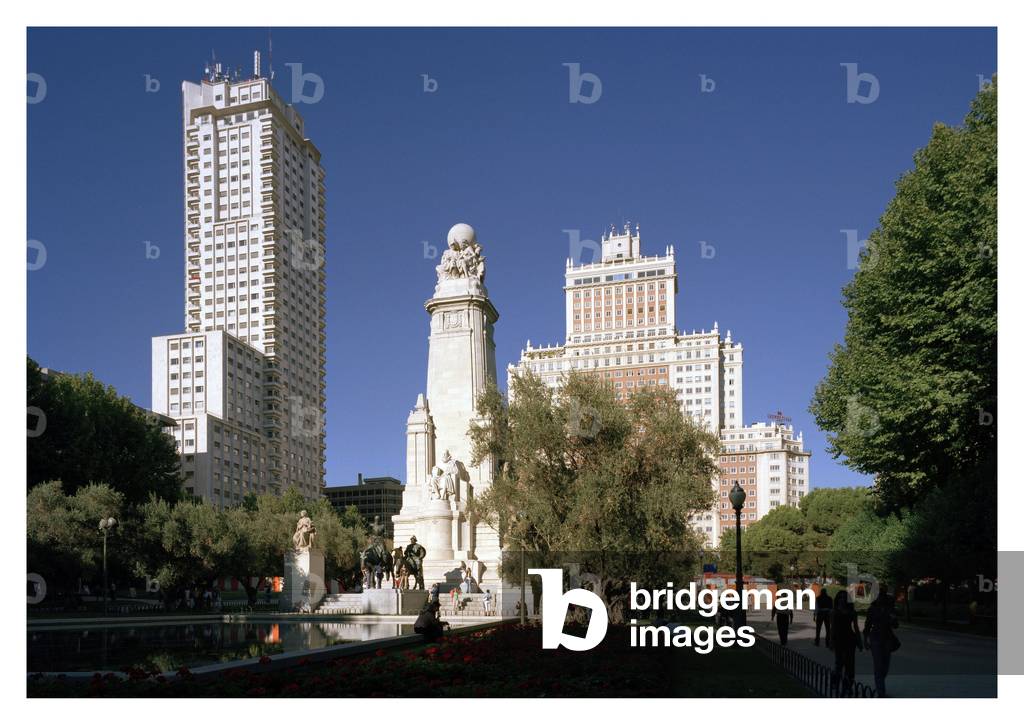
Spanish Steps - buildings of the 50s - The monument in Cervantes erige in 1928, on the Spanish Steps in Madrid (Spain). In the background, buildings from the fifties. Photography 22/09/2005.

LBY4587990: Spanish Steps - buildings of the 50s - The monument in Cervantes erige in 1928, on the Spanish Steps in Madrid (Spain). In the background, buildings from the fifties. Photography 22/09/2005. / Bridgeman Images
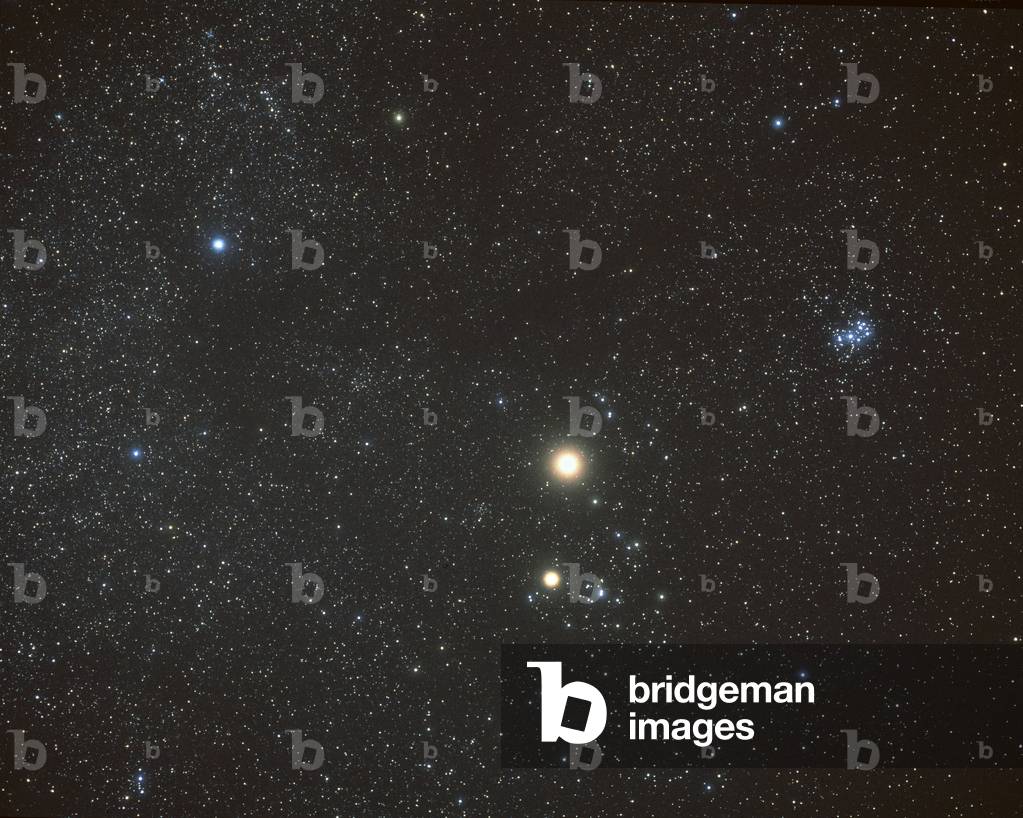
Mars retrograde in the Taurus from 03/09/1990 to 17/03/1991 - The reversal of the motion of Mars in Taurus. September 23, 1990 - Photo series showing the retrograde movement of Mars in the Taurus. September 23, 1990. The reversal of the motion of Mars, between the Hyades and Pleiades, September 3, 1990 to March 17, 199

PIX4587634: Mars retrograde in the Taurus from 03/09/1990 to 17/03/1991 - The reversal of the motion of Mars in Taurus. September 23, 1990 - Photo series showing the retrograde movement of Mars in the Taurus. September 23, 1990. The reversal of the motion of Mars, between the Hyades and Pleiades, September 3, 1990 to March 17, 199 / Bridgeman Images

The deer caught in the water in front of the Chateau de l'Isle Adam, 1777 (oil on canvas)

JLJ4587649: The deer caught in the water in front of the Chateau de l'Isle Adam, 1777 (oil on canvas), Ollivier or Olivier, Michel Barthelemy (1712-84) / Bridgeman Images

Plaza Mayor in Madrid (Spain).

TEC4587673: Plaza Mayor in Madrid (Spain). / Bridgeman Images

The Moon, Saturn, Mars and Regulus - Moon, Saturn, Mars and Regulus - First crescent of Moon and Planets Saturn (top), Mars and Star Regulus alignees. Lake Mooselookmeguntic, Maine, USA. July 5, 2008. Saturn, Mars and Regulus viewed across Mooselookmeguntic Lake near Rangeley, Maine. The bright star above the crescent moon is the wonderful double Algeiba in Leo. July 5, 2008

PIX4588080: The Moon, Saturn, Mars and Regulus - Moon, Saturn, Mars and Regulus - First crescent of Moon and Planets Saturn (top), Mars and Star Regulus alignees. Lake Mooselookmeguntic, Maine, USA. July 5, 2008. Saturn, Mars and Regulus viewed across Mooselookmeguntic Lake near Rangeley, Maine. The bright star above the crescent moon is the wonderful double Algeiba in Leo. July 5, 2008 / Bridgeman Images
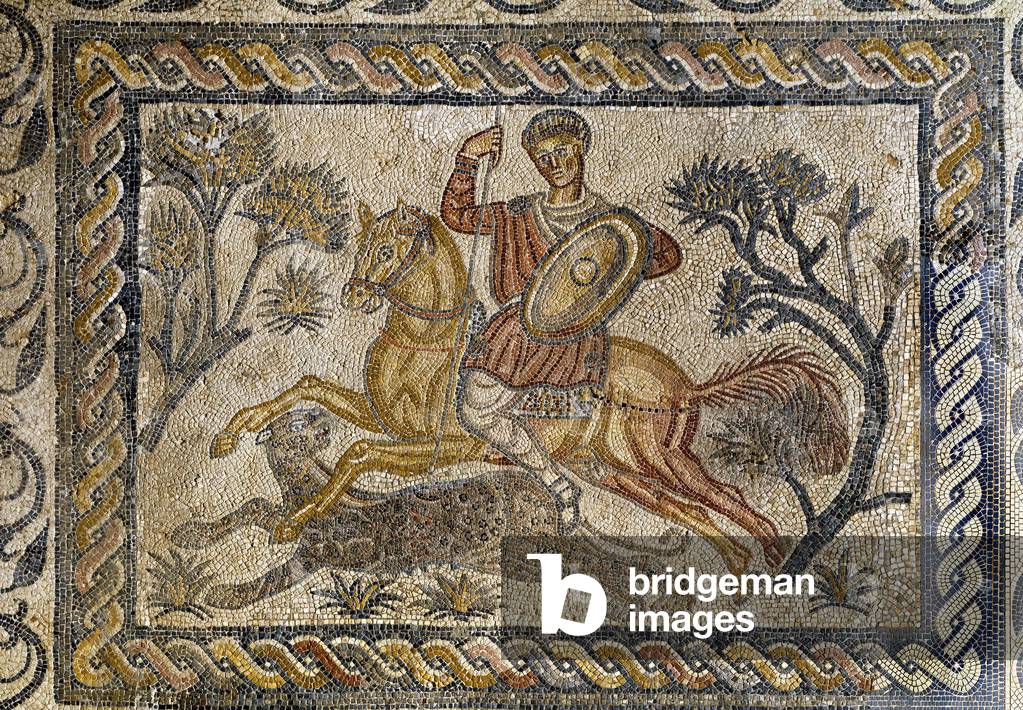
Panther hunting scene- Mosaic, 4th century AD

LRI4588120: Panther hunting scene- Mosaic, 4th century AD, Roman, (4th century AD) / Bridgeman Images

Balance Constellation - Constellation of Libra - At the bottom of the picture, the brilliant star is Antares, in the Scorpio. Libra, The Scales is an ambivalent constellation in that it was created by the Romans during the reign of Julius Caesar from the rather empty patch of sky westward of neighboring Scorpius. The ancient Greeks knew the stars of what is now Libra as the Claws of the Scorpion and the star names preserve their ancient origins. The names Zeuben Eschamali, Zeuben Elgenubi and Zeuben Elakrab are besed on the English words for northern claw, southern claw, and the scorpion's claw respectively. The Roman interpretation reflects that of ancient Egypt, where the main stars are known as the northern and southern scales, as in a balance - beam weighting device. Ptolemy and other classical writers refer to the group as both the Scales and as the Claws, and there is a link in this idea to the adjoining constellation of Virgo, where the female figure is sometimes shown as holding the Scales of Justice. Libra is a constellation of the Zodiac, the only one that does not represent some kind of real or imaginary creature. The Sun was in Libra during the (northern) autumnal equinox in Roman times, again adding to the idea of balance between day and night. However, precession has now shifted the point where the Sun moves south of the ecliptic into Virgo

PIX4589084: Balance Constellation - Constellation of Libra - At the bottom of the picture, the brilliant star is Antares, in the Scorpio. Libra, The Scales is an ambivalent constellation in that it was created by the Romans during the reign of Julius Caesar from the rather empty patch of sky westward of neighboring Scorpius. The ancient Greeks knew the stars of what is now Libra as the Claws of the Scorpion and the star names preserve their ancient origins. The names Zeuben Eschamali, Zeuben Elgenubi and Zeuben Elakrab are besed on the English words for northern claw, southern claw, and the scorpion's claw respectively. The Roman interpretation reflects that of ancient Egypt, where the main stars are known as the northern and southern scales, as in a balance - beam weighting device. Ptolemy and other classical writers refer to the group as both the Scales and as the Claws, and there is a link in this idea to the adjoining constellation of Virgo, where the female figure is sometimes shown as holding the Scales of Justice. Libra is a constellation of the Zodiac, the only one that does not represent some kind of real or imaginary creature. The Sun was in Libra during the (northern) autumnal equinox in Roman times, again adding to the idea of balance between day and night. However, precession has now shifted the point where the Sun moves south of the ecliptic into Virgo / Bridgeman Images
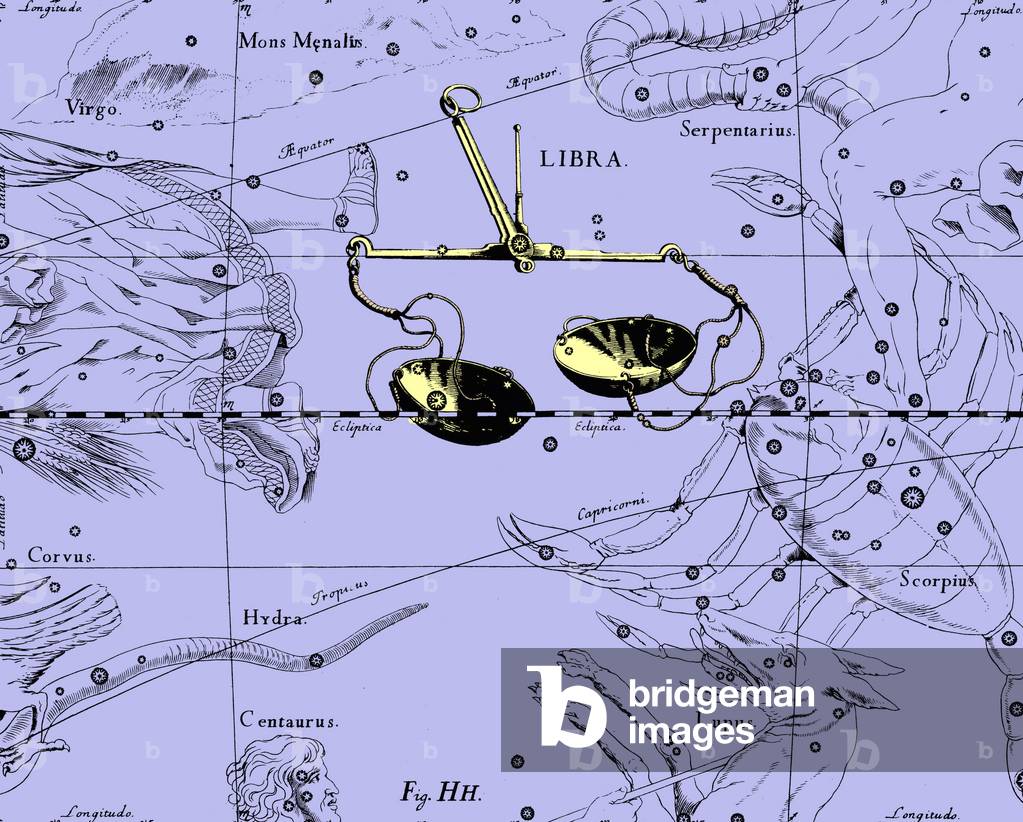
Balance Constellation - Constellation of Libra - The constellation of Libra extracted from the Uranographia of Hevelius. Recolorised image. Map showing the constellation of Libra with its mythological form from “” Uranographia”” star atlas by Hevelius (1690). Recolored Image

PIX4589101: Balance Constellation - Constellation of Libra - The constellation of Libra extracted from the Uranographia of Hevelius. Recolorised image. Map showing the constellation of Libra with its mythological form from “” Uranographia”” star atlas by Hevelius (1690). Recolored Image / Bridgeman Images

Tram Rails and Hagia Sophia Basilica in Istanbul Hagia Sophia - Istanbul - Turkey

TEC4589124: Tram Rails and Hagia Sophia Basilica in Istanbul Hagia Sophia - Istanbul - Turkey / Bridgeman Images

Constellations de la Compsole, la Machine Pneumatica et les Voiles - Constellations Antlia, Pyxis and Vela - Constellations de l'hemisphere sud Antlia (originally Antlia Pneumatica, the Air Pump) is an unremarkable constellation invented by the Abbe Nicolas de Lacaille in the 1750s. It is hemmed in by the meandering body of Hydra to the north and the sparkling constellations of the Milky Way to the south. It contains a fine planetary nebula, NGC 3132 and a beautiful spiral galaxy, NGC 2997. Pyxis (Pyxis Nautica, the Mariner's Compasse) is the least interesting fragment of the great vessel Argo Navis, dismantled by Lacaille. The other parts are Puppis (the stern), Carina, (the keel) and Vela. Vela (the sails) is best known for the supernova remnant seen on large telescope pictures and the Gum nebula, visible as faint red nebulosity towards the right (west) of the constellation. Best seen in the early evening in March - April Other constellations in the image: Carina, Centaurus, Corvus, Crater, Hydra, Puppi

PIX4589225: Constellations de la Compsole, la Machine Pneumatica et les Voiles - Constellations Antlia, Pyxis and Vela - Constellations de l'hemisphere sud Antlia (originally Antlia Pneumatica, the Air Pump) is an unremarkable constellation invented by the Abbe Nicolas de Lacaille in the 1750s. It is hemmed in by the meandering body of Hydra to the north and the sparkling constellations of the Milky Way to the south. It contains a fine planetary nebula, NGC 3132 and a beautiful spiral galaxy, NGC 2997. Pyxis (Pyxis Nautica, the Mariner's Compasse) is the least interesting fragment of the great vessel Argo Navis, dismantled by Lacaille. The other parts are Puppis (the stern), Carina, (the keel) and Vela. Vela (the sails) is best known for the supernova remnant seen on large telescope pictures and the Gum nebula, visible as faint red nebulosity towards the right (west) of the constellation. Best seen in the early evening in March - April Other constellations in the image: Carina, Centaurus, Corvus, Crater, Hydra, Puppi / Bridgeman Images

Karakoy district in Istanbul, Turkey.

OMG4589287: Karakoy district in Istanbul, Turkey. / Bridgeman Images

The Bosphorus in Istanbul (Turkey).

OMG4589348: The Bosphorus in Istanbul (Turkey). / Bridgeman Images

The wash house of Bazincourt, 1900 (oil on canvas)

JLJ4589041: The wash house of Bazincourt, 1900 (oil on canvas), Pissarro, Camille (1830-1903) / Bridgeman Images

Constellation Cameleon - Constellation Chamaeleon - Cameleon is a small constellation in the southern hemisphere, located near the southern Celestial pole. The chameleon is a small constellation in the southern hemisphere, close to the south celestial pole

PIX4589361: Constellation Cameleon - Constellation Chamaeleon - Cameleon is a small constellation in the southern hemisphere, located near the southern Celestial pole. The chameleon is a small constellation in the southern hemisphere, close to the south celestial pole / Bridgeman Images

The San Miguel Marche in Madrid, Spain. Architecture by Alfonso Dube, 1916. Photography 24/05/09

OMG4588214: The San Miguel Marche in Madrid, Spain. Architecture by Alfonso Dube, 1916. Photography 24/05/09 / Bridgeman Images

The San Miguel Marche, Madrid, Spain. Architecture by Alfonso Dube, 1916. Photography 24/05/09

OMG4588223: The San Miguel Marche, Madrid, Spain. Architecture by Alfonso Dube, 1916. Photography 24/05/09 / Bridgeman Images

Saint Thomas de Villeneuve distributing Amones to beggars, 1661 (oil on canvas)

JLJ4588303: Saint Thomas de Villeneuve distributing Amones to beggars, 1661 (oil on canvas), Cerezo, Mateo (1626-1666) / Bridgeman Images

Transit from Venus in front of the Sun. 08/06/2004 - Venus Transit. 08/06/2004 - Seen with H-Alpha filter. Venus seen in front of Sun with a H-alpha filter

PIX4588396: Transit from Venus in front of the Sun. 08/06/2004 - Venus Transit. 08/06/2004 - Seen with H-Alpha filter. Venus seen in front of Sun with a H-alpha filter / Bridgeman Images

Transit of Venus in front of the Sun. 05/06/2012 - Venus Transit. 05/06/2012 - Beginning of the transit of Venus in front of the Sun seen by the SDO satellite, June 5, 2012. Beginning of Venus transit on June 5 2012. On June 5-6 2012, SDO is collecting images of one of the rarest predictable solar events: the transit of Venus across the face of the sun. This event happens in pairs eight years apart that are separated from each other by 105 or 121 years. The last transit was in 2004 and the next will not happen until 2117

PIX4588443: Transit of Venus in front of the Sun. 05/06/2012 - Venus Transit. 05/06/2012 - Beginning of the transit of Venus in front of the Sun seen by the SDO satellite, June 5, 2012. Beginning of Venus transit on June 5 2012. On June 5-6 2012, SDO is collecting images of one of the rarest predictable solar events: the transit of Venus across the face of the sun. This event happens in pairs eight years apart that are separated from each other by 105 or 121 years. The last transit was in 2004 and the next will not happen until 2117 / Bridgeman Images

Transit of Venus in front of the Sun. 05/06/2012 - Venus Transit. 05/06/2012 - Transit of Venus in front of the Sun seen by the SDO satellite, June 5, 2012. On June 5-6 2012, SDO is collecting images of one of the rarest predictable solar events: the transit of Venus across the face of the sun. This event happens in pairs eight years apart that are separated from each other by 105 or 121 years. The last transit was in 2004 and the next will not happen until 2117

PIX4588459: Transit of Venus in front of the Sun. 05/06/2012 - Venus Transit. 05/06/2012 - Transit of Venus in front of the Sun seen by the SDO satellite, June 5, 2012. On June 5-6 2012, SDO is collecting images of one of the rarest predictable solar events: the transit of Venus across the face of the sun. This event happens in pairs eight years apart that are separated from each other by 105 or 121 years. The last transit was in 2004 and the next will not happen until 2117 / Bridgeman Images

Commedia dell'arte: Brighella character from Seraphin's theatre, 18th century (polychrome wood sculpture)

JLJ4586983: Commedia dell'arte: Brighella character from Seraphin's theatre, 18th century (polychrome wood sculpture), Italian School, (18th century) / Bridgeman Images
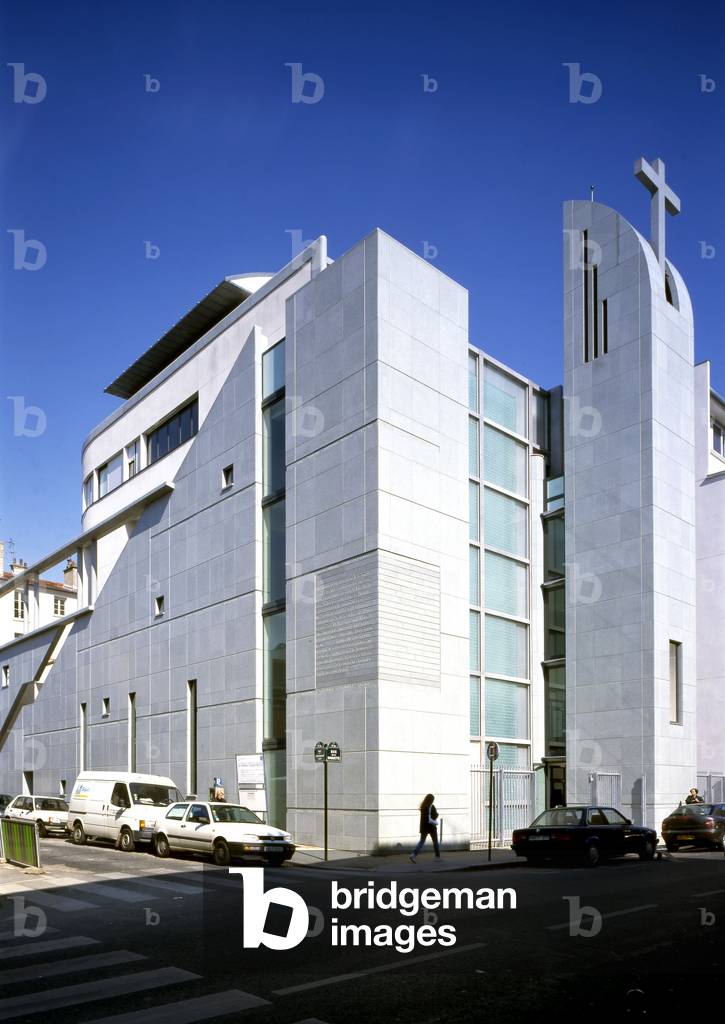
Eglise Notre Dame de l'Esperance 47 rue de la Roquette Paris 11th arrondissement. Architects Bruno Legrand and Bernard Leroy 1998. Photography 1998.

OMG4586595: Eglise Notre Dame de l'Esperance 47 rue de la Roquette Paris 11th arrondissement. Architects Bruno Legrand and Bernard Leroy 1998. Photography 1998. / Bridgeman Images
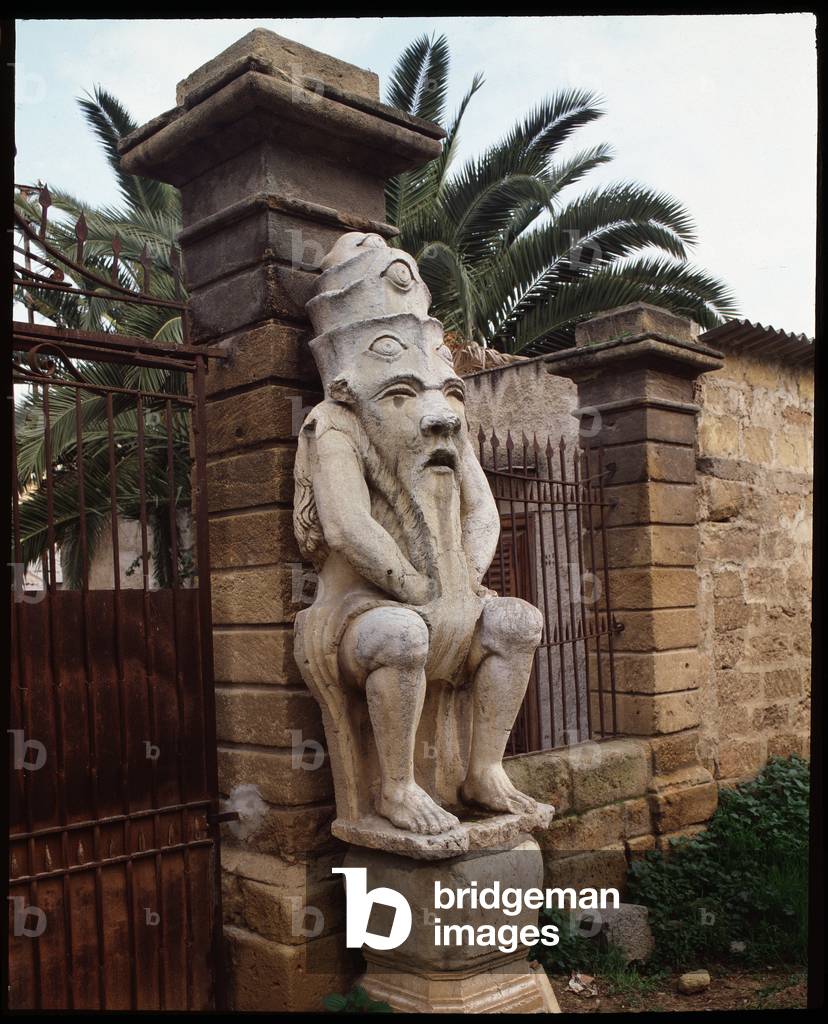
Cycle of Monsters Statue, sculpture, 1715

LRI4587040: Cycle of Monsters Statue, sculpture, 1715, Napoli, Tommaso Maria (1655-1725) / Bridgeman Images

Portrait of Cesar, Duke of Vendome and Beaufort, Superintendent of Navigation, 17th century (oil on canvas)

JLJ4586663: Portrait of Cesar, Duke of Vendome and Beaufort, Superintendent of Navigation, 17th century (oil on canvas), Mignard, Pierre (1612-95) / Bridgeman Images
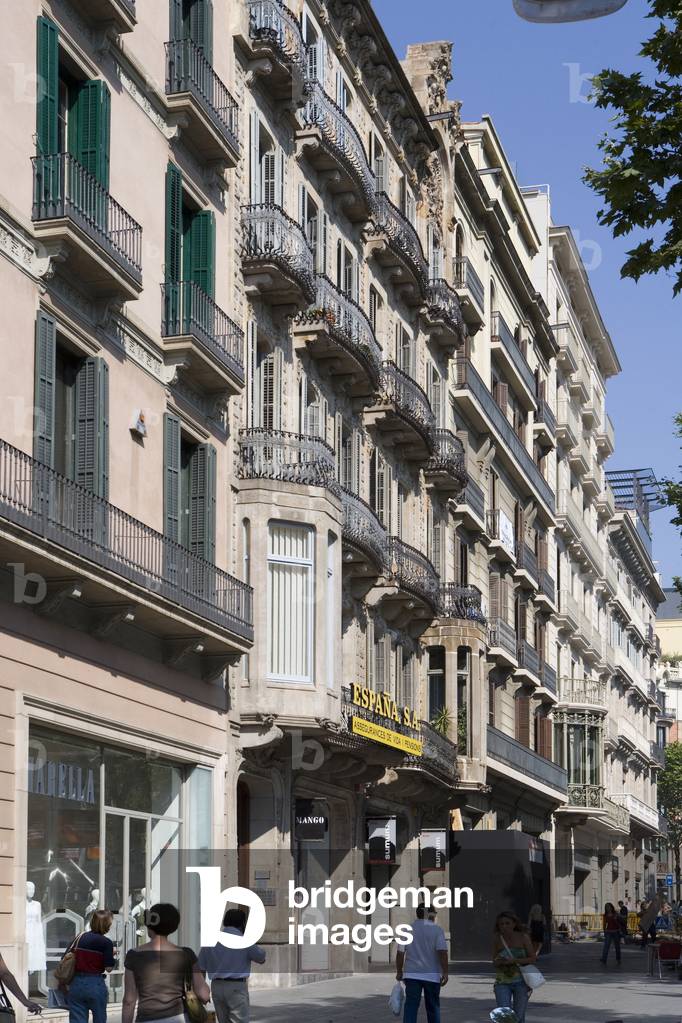
Le passaeig de Gracia, Quartier de l'Eixample in Barcelona (Spain).

OMG4587080: Le passaeig de Gracia, Quartier de l'Eixample in Barcelona (Spain). / Bridgeman Images

Ducks, pheasant, fruit near a fountain, Detail, 18th century (oil on canvas)

JLJ4587171: Ducks, pheasant, fruit near a fountain, Detail, 18th century (oil on canvas), Desportes, Alexandre-Francois (1661-1743) / Bridgeman Images

Conjunction Venus Jupiter of July 1, 2015 - Venus and Jupiter on july 1st 2015 - Arrival of Venus, below, and Jupiter (lower above) seen in France at the beginning of the night. The two planets Venus (bottom) and Jupiter (fainter above)

PIX4587217: Conjunction Venus Jupiter of July 1, 2015 - Venus and Jupiter on july 1st 2015 - Arrival of Venus, below, and Jupiter (lower above) seen in France at the beginning of the night. The two planets Venus (bottom) and Jupiter (fainter above) / Bridgeman Images

University residences Le Klebert et Nicolas Appert in Ivry sur Seine (Val de Marne). Architects Bertrand Dubus and Thomas Richez 2004. Photograph 2004.

MDA4587231: University residences Le Klebert et Nicolas Appert in Ivry sur Seine (Val de Marne). Architects Bertrand Dubus and Thomas Richez 2004. Photograph 2004. / Bridgeman Images
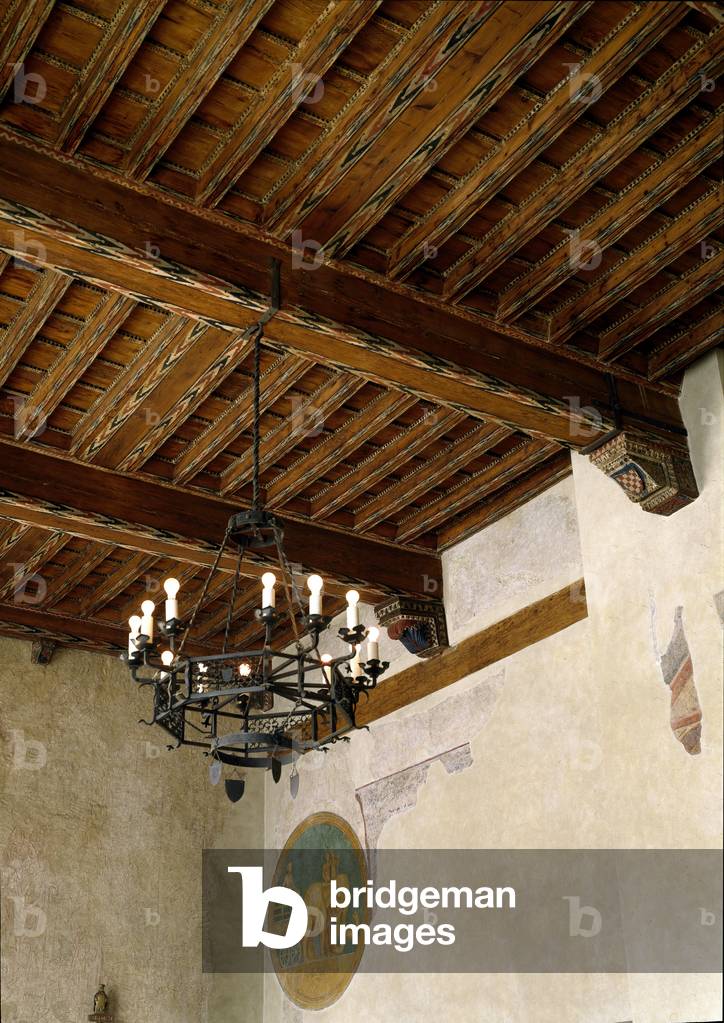
Interior view of the city hall (palazzo degli Anziani), 12th-13th century

LRI4587251: Interior view of the city hall (palazzo degli Anziani), 12th-13th century, Italian School, (12th century) / Bridgeman Images

University residences Le Klebert et Nicolas Appert in Ivry sur Seine (Val de Marne). Architects Bertrand Dubus and Thomas Richez 2004. Photograph 2004.

MDA4587264: University residences Le Klebert et Nicolas Appert in Ivry sur Seine (Val de Marne). Architects Bertrand Dubus and Thomas Richez 2004. Photograph 2004. / Bridgeman Images

Telescope, Venus, Crescent of Moon and Mercury - Telescope, Venus, Moon Crescent and Mercury - Telescope in silhouette at dusk. In the sky are visible the planet Venus on the top left, the Moon, and Mercury on the right. May 18, 2007. A telescope in twilight with planet Venus (top left), crescent Moon and Mercury to its right. 2007 May 18

PIX4587280: Telescope, Venus, Crescent of Moon and Mercury - Telescope, Venus, Moon Crescent and Mercury - Telescope in silhouette at dusk. In the sky are visible the planet Venus on the top left, the Moon, and Mercury on the right. May 18, 2007. A telescope in twilight with planet Venus (top left), crescent Moon and Mercury to its right. 2007 May 18 / Bridgeman Images

The Moon, Venus and Jupiter over Santiago - Moon, Venus and Jupiter above Santiago - The Moon and Planets Venus and Jupiter over Santiago, Chile. November 30, 2008. Moon, Venus and Jupiter above Santiago in Chile. November 30 2008

PIX4586994: The Moon, Venus and Jupiter over Santiago - Moon, Venus and Jupiter above Santiago - The Moon and Planets Venus and Jupiter over Santiago, Chile. November 30, 2008. Moon, Venus and Jupiter above Santiago in Chile. November 30 2008 / Bridgeman Images

View of villa Belmonte, early 19th century (photo)

LRI4587011: View of villa Belmonte, early 19th century (photo), Marvuglia, Venanzio (1729-1814) / Bridgeman Images

Crescent Moon -Venus-Jupiter - Crescent Moon Venus and Jupiter - Venus at the top left, top right Jupiter (right next to a galileen satellite, Ganymede, and the star Spica, from the Virgin, in the middle left. The crescent Moon with Earthsine visible, sets in the twilight along with the brightest planet, Venus, and the largest planet, Jupiter on September 6, 2005. Also visible are Spica, Alpha Virginis, and 51 (Theta) Virginis. One can also see Ganymede, the brightest of Jupiter's moons, just to the upper left of the planet, close by. Ganymede shines at magnitude 4.6 and would normally be easily visible to the unaided eye except for its proximity to brilliant Jupiter

PIX4587227: Crescent Moon -Venus-Jupiter - Crescent Moon Venus and Jupiter - Venus at the top left, top right Jupiter (right next to a galileen satellite, Ganymede, and the star Spica, from the Virgin, in the middle left. The crescent Moon with Earthsine visible, sets in the twilight along with the brightest planet, Venus, and the largest planet, Jupiter on September 6, 2005. Also visible are Spica, Alpha Virginis, and 51 (Theta) Virginis. One can also see Ganymede, the brightest of Jupiter's moons, just to the upper left of the planet, close by. Ganymede shines at magnitude 4.6 and would normally be easily visible to the unaided eye except for its proximity to brilliant Jupiter / Bridgeman Images


Back to top