
Print this page or go back to standard view.

JLJ4589850: Illuminations and decorations set up at the Bastille on the occasion of the Fete de la Confederation Francaise on 14 July 1490, 1791 (engraving), French School, (18th century) / Bridgeman Images
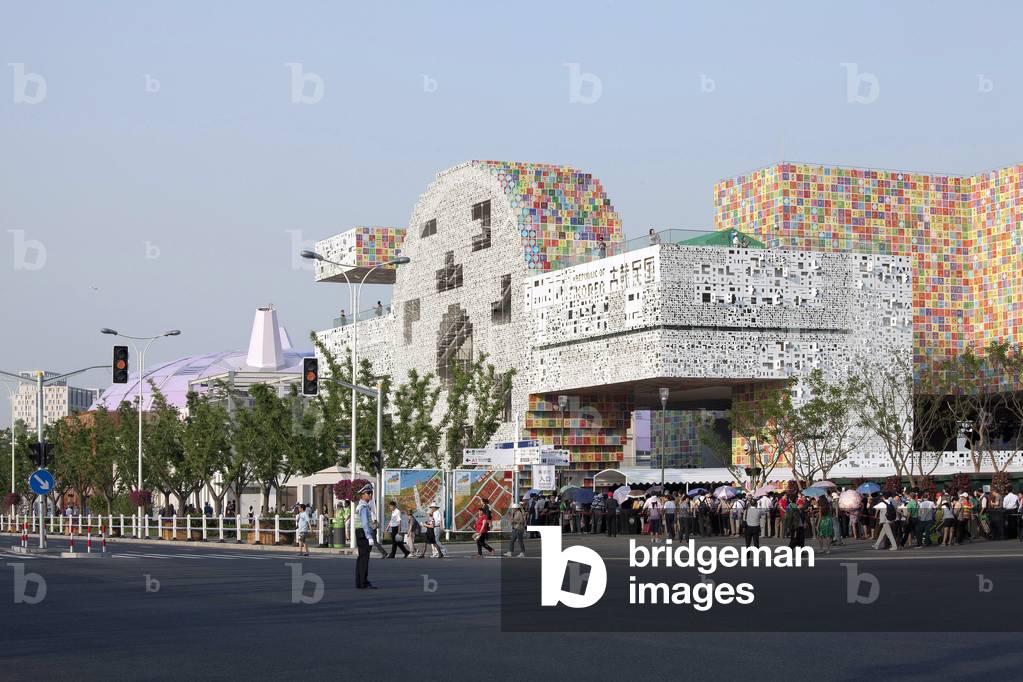
LBY4589899: The South Korea Pavilion has the World Exhibition in Shanghai, China, 2010. Photography 23/05/10 / Bridgeman Images

PIX4589917: Constellation of Hunting Dogs - Constellation of Canes Venatici - Constellation of Hunting Dogs extracted from the Uranographia of Hevelius. Recolorised image. Map showing the constellation of Canes Venatici with its mythological form from “” Uranographia”” star atlas by Hevelius (1690). Recolored Image / Bridgeman Images

LRI4589949: Odysseus blinding the cyclops Polyphemus, 650 BC (terracotta), Etruscan, (7th century BC) / Bridgeman Images

JLJ4589961: View of the oak cabinet of Alexandra Fyodorovna, wife of Tsar Nicholas I at Gatchina Palace, 19th century (w/c), Hau, Eduard (1807-70) / Bridgeman Images
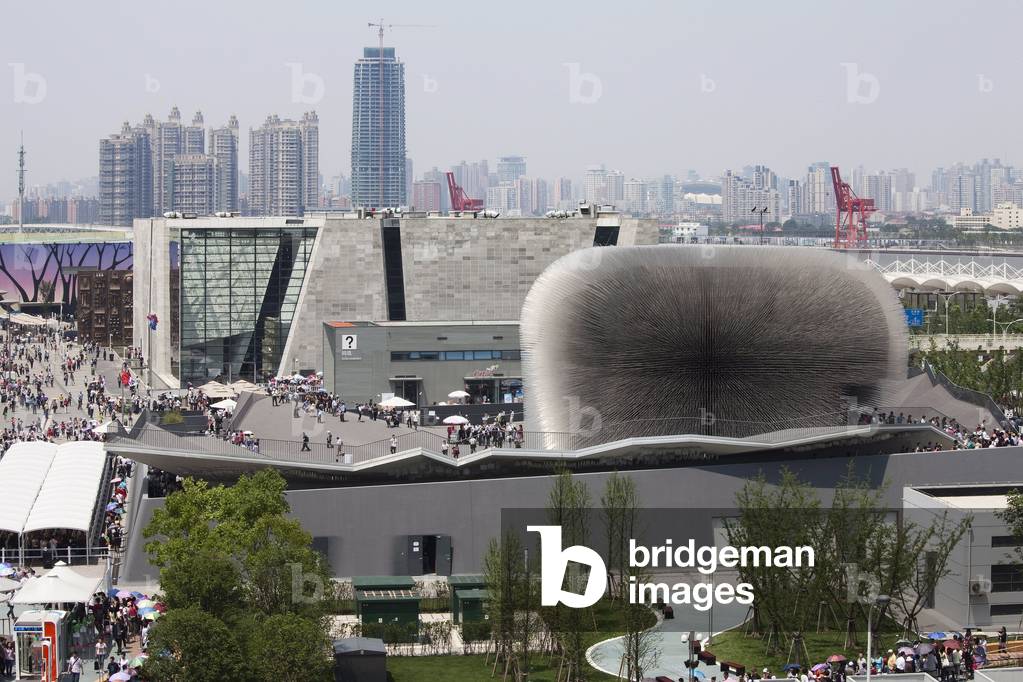
LBY4589989: The Great Britain Pavilion, World Expo, Shanghai, China. Architecture of Heatherwick Studio and Adams Kara Tayler, 2010. Photography 23/05/10 / Bridgeman Images
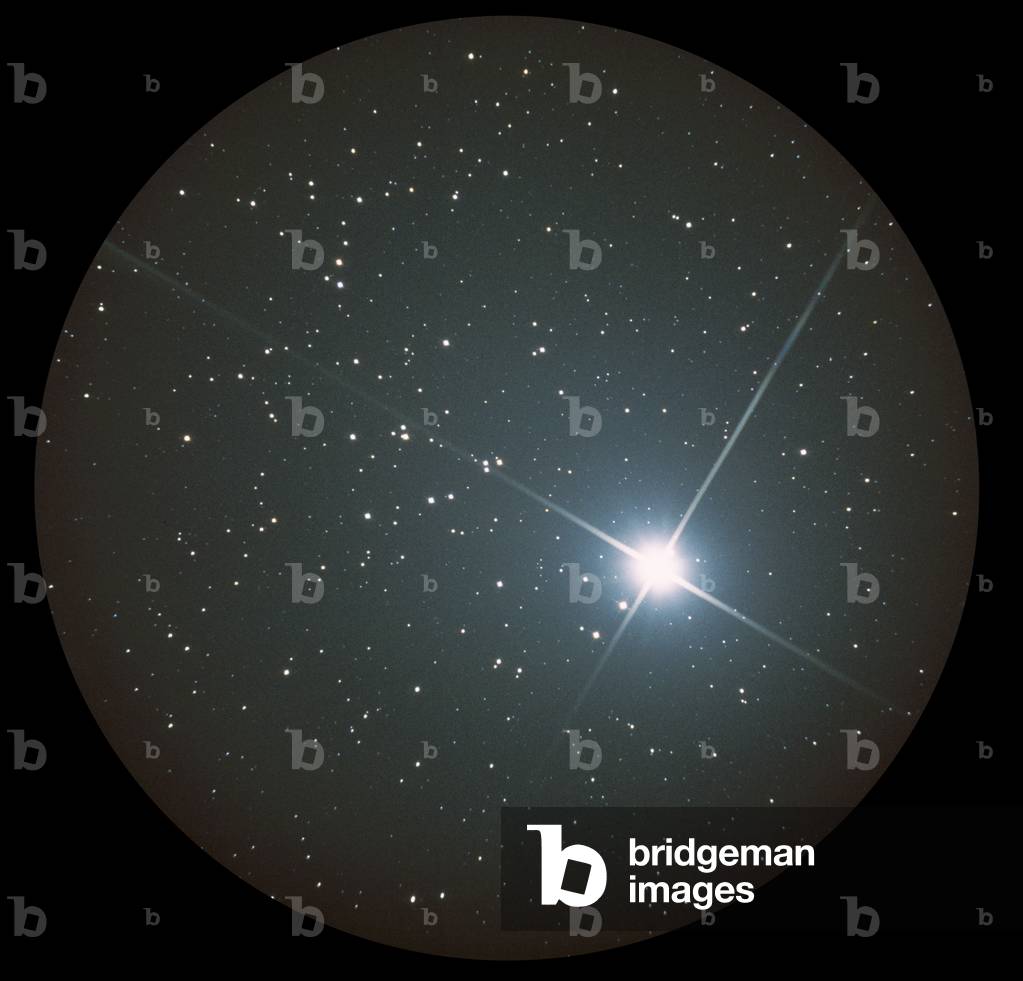
PIX4588251: Jupiter in the open cluster M44 - Planet Jupiter in the open cluster M44 - M44 is a cluster of stars located only 600 light years from Earth, in the constellation Cancer. Illuminating the image, the planet Jupiter. Bright Jupiter among M44 stars; this cluster is located about 600 light year away in Cancer. This skyview is corresponding to binoculars and small telescopes / Bridgeman Images

PIX4588258: The Moon and Saturn - Moon with Saturn. November 3 2001 - The Moon and Planet Saturn. End of the blackout on 3 November 2001. Moon with Saturn. End of the occultation of november 3rd 2001 / Bridgeman Images

JLJ4588637: Egyptian antiquite: fertility god Amon Min, detail (limestone), Egyptian / Bridgeman Images

JLJ4588353: Procession of the White Penitents or Henry III and his penitents Louis II of Lorraine, 1589 (w/c), French School, (16th century) / Bridgeman Images
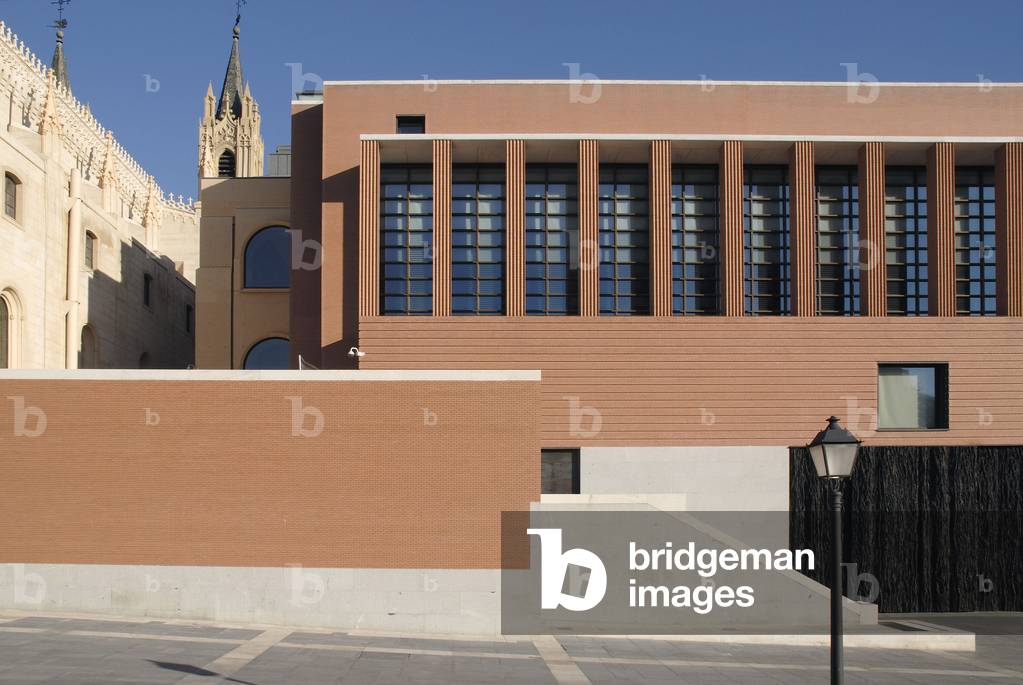
RCT4588373: The extension of the Museo del Prado in Madrid (Spain). Architects of the Museum, in 1808: Juan de Villanueva, in 1918, renovated by Antonio Lãpez Aguado and in 2005, extended by Rafael Moneo. Photography 30/12/07., Moneo, Jose Rafael (b.1937) / Bridgeman Images
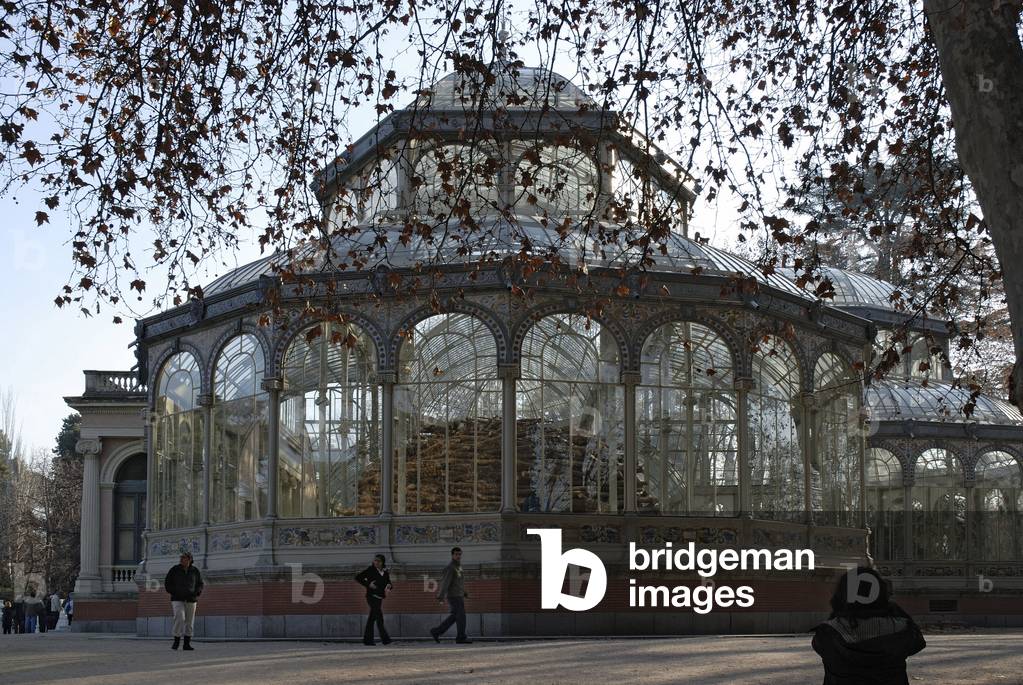
RCT4588772: The Palacio de Cristal in the Parque del Retiro in Madrid (Spain).Photography 29/12/07., Castan, Remy / Bridgeman Images
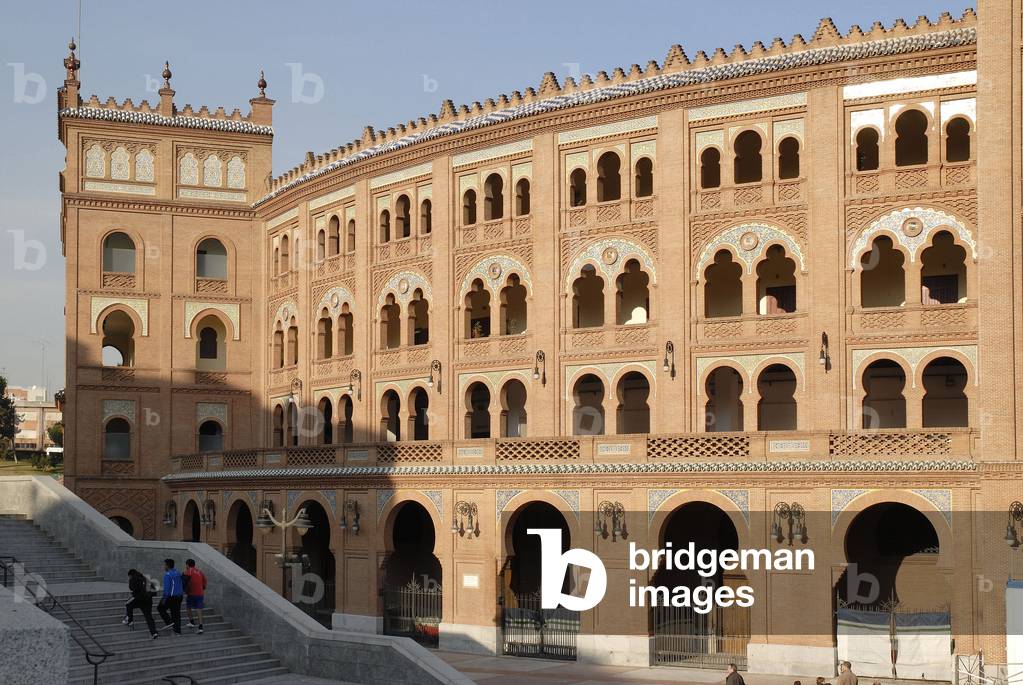
RCT4588781: Les arenes de Madrid, Las Ventasa, a Madrid (Spain).Photography 29/12/07., Castan, Remy / Bridgeman Images

PIX4588806: The Summer Triangle and Jupiter - Summer Triangle with Jupiter - Jupiter is in opposition in the constellation Capricorn. Located as close as possible to the Earth, it is powerful, much more than the Three Belles d'Ete that form the Great Triangle of Ete, namely Altair (in the Eagle) on the right of the centre, Vega (in the Lyre) higher and finally Deneb (in the Swan) on the left of Vega. To the left of Jupiter is Aquarius, the Little Horse has the vertical of Jupiter, then the Dauphin, the Fleche. August 18, 2009. The constellations are traced. Summer Triangle is an asterism made of three bright stars: Deneb (top left in Cygnus, Vega (top right in Lyra) and Altair (middle right in Aquila). Below, the brightest star is in fact a planet, Jupiter, seen on August 18 2009 during opposition. Constellations are drawn / Bridgeman Images

JLJ4588856: Philippe de Champaigne, uncle of the artist Copy of a disappeared self, portrait, 1668 (oil on canvas), Champaigne, Jean Baptiste de (1631-81) / Bridgeman Images

JLJ4588864: Anatomy and surgical board representing a bark, manuscript 'Liber notabilium Philippi septimi francorum regis, a libris Galieni extractus', 1345 (miniature), Vigevano da Pavia, Guido da (c.1280-c.1349) / Bridgeman Images

JLJ4588494: Gothic architecture: view of the rosette of the Cathedrale Notre, Dame (Notre Dame) of Reims made in the 13th century. Reims, Marne (photo), French School, (13th century) / Bridgeman Images

PIX4588997: Andromede Constellation - Constellation of Andromeda - The constellation of Andromede with its mythological form, extracted from the Uranographia of Hevelius. Map showing the constellation of Andromeda with its mythological form from “” Uranographia”” star atlas by Hevelius (1690) added / Bridgeman Images

PIX4589081: Balance Constellation - Constellation of Libra - Plate extracted from the Mirror of Urania by Jehoshaphat Aspin - 1825 Urania's Mirror, by Jehoshaphat Aspin, 1825 / Bridgeman Images

JLJ4588658: Egyptian antiquite: statues of Amon and Mut dating from the period of Ramses II, 19th Dynasty (sculpture), Egyptian 19th Dynasty (c.1292-1187 BC) / Bridgeman Images

JLJ4588737: French Revolution, 1789: the commander without terre Gouache of the brothers Lesueur, 18th century (gouache), Lesueur Brothers, (18th century) / Bridgeman Images

LRI4585195: Silver Altar of Saint James the Major. Detail of the antependium with stories of new testament, travel of the magi, 1287-1456, Ognabene, Andrea di Jacopo d' (14th century) / Bridgeman Images

JLJ4585016: La Pieta de Nouans les Fontaines, 15th century (oil on canvas), Fouquet, Jean (c.1420-80) / Bridgeman Images

JLJ4585267: Landscape Composed with Ancient Ruins, 1646-1647 (oil on canvas), Patel, Pierre (1605-76) / Bridgeman Images
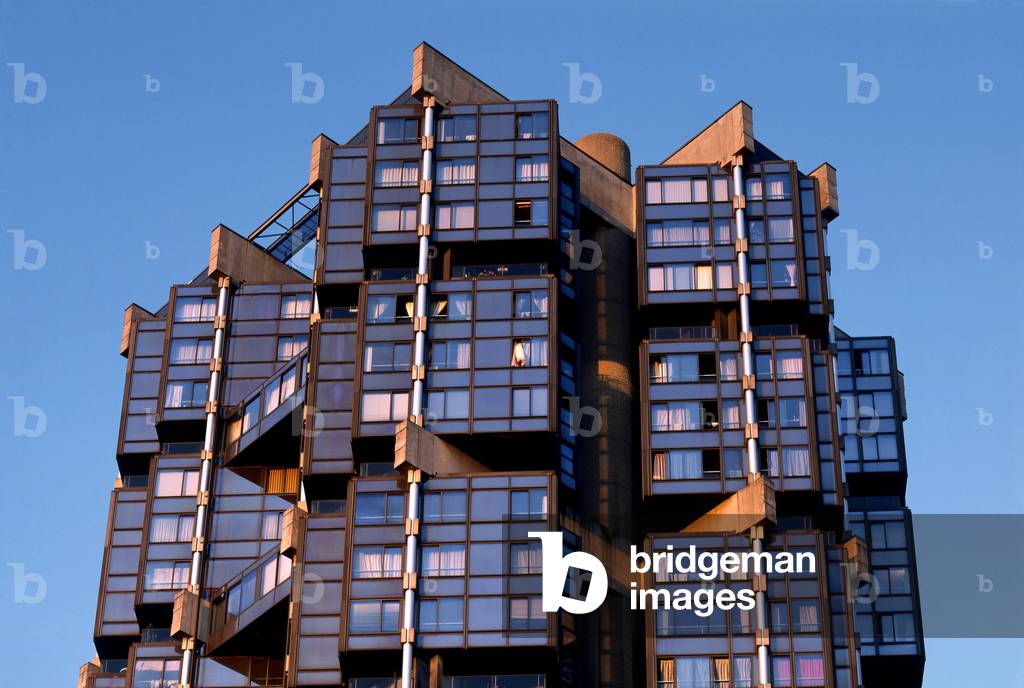
LBY4585310: Tour Totem at the Front de Seine Paris 15th arrondissement. Architects Michel Andrault and Pierre Parat, 1978., Andrault, Michel (1926-2020) & Parat, Pierre (b.1928) / Bridgeman Images

JLJ4585143: The Battle of Isly on 16/08/1844 posing the Moroccans supporting Abd el Kader to the French, 1844 (oil on canvas), French School, (19th century) / Bridgeman Images
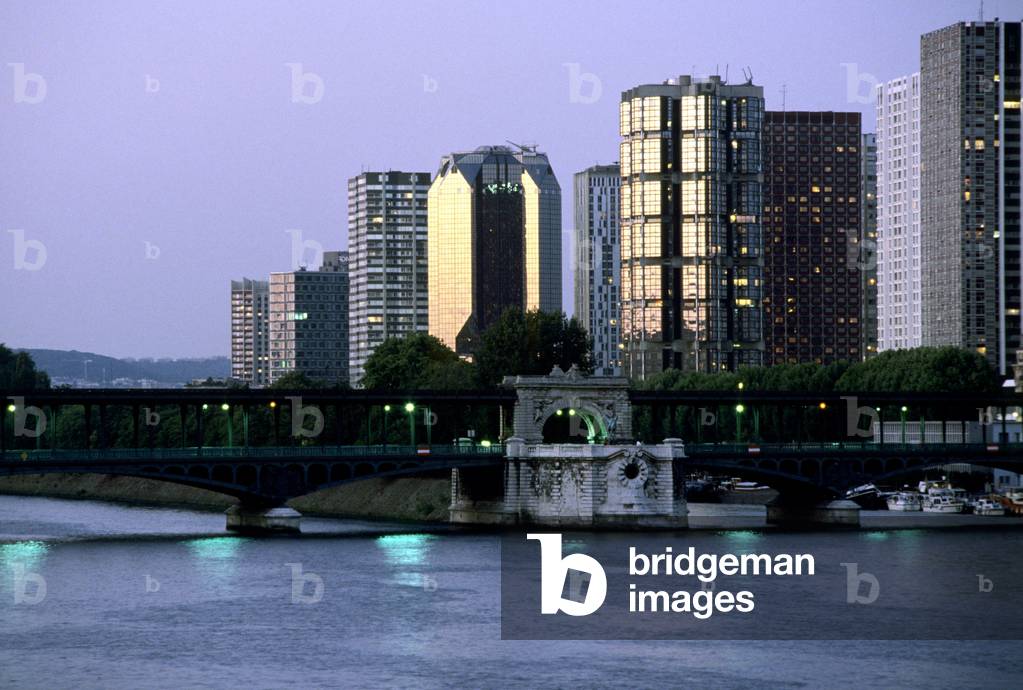
LBY4585344: Front de Seine Paris 15th arrondissement. / Bridgeman Images
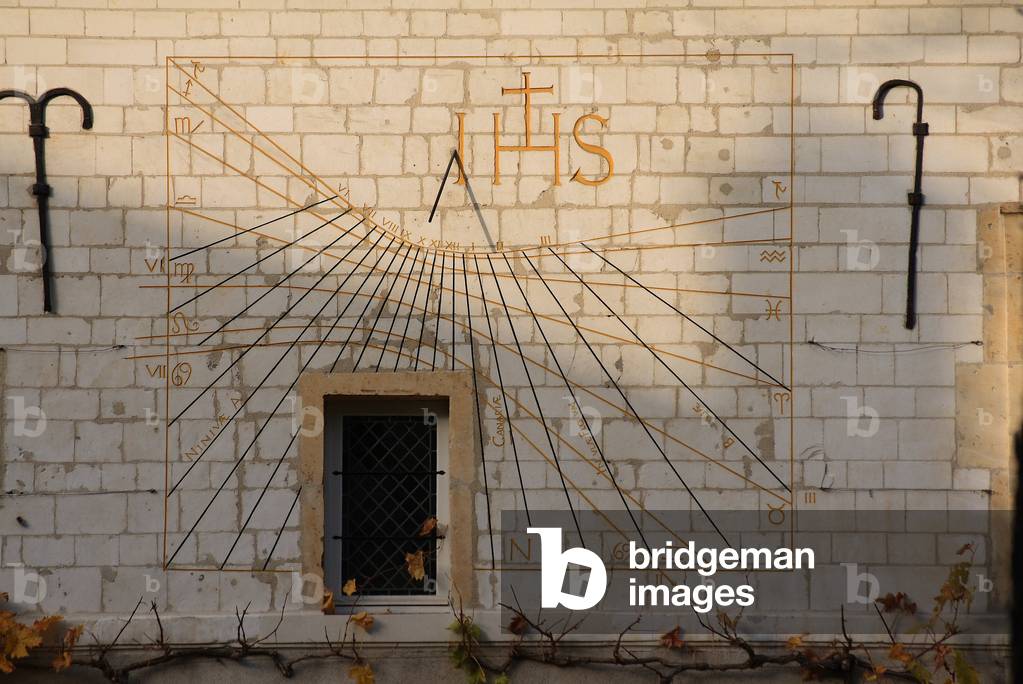
PIX4585164: Sundial at the Winter solstice - Sundial at the Winter solstice - Morning sundial dating from the 18th century. It was restored in 1981. It is visible in the courtyard of the Old College of Jesuites in Reims. The yellow lines represent the path of the end of the shadow of the style for the 21st of each month of the year. At the ends of these curves are the signs of the zodiac, which symbolize the different months of the year. The end of the shadow of the style indicates the winter solstice. 17th century sundial in Reims (France), showing the sun 'shadow during the winter solstice / Bridgeman Images

PIX4585424: Meridian of the Hotel Dieu le Conte (Troyes) - Noon Mark on Hotel Dieu le Conte (Troyes) - Dating from 1764 and surmounted by a sundial, this beautiful Meridian indicates the time of the true local noon and its correction with the curve in 8 (annalemme) / Bridgeman Images

JLJ4585445: Virgin and Child, 15th century Liege (oil on canvas), Belgian School, (15th century) / Bridgeman Images

LRI4586411: View of the City of God or Celestial Jerusalem with the twelve fresco doors of the 11th or 12th century (fresco), Romanesque, (11th century) / Bridgeman Images

JLJ4586505: Portrait of Louis Claude Hector Duke of Villars, marechal of France, 1714 (oil on canvas), Rigaud, Hyacinthe (1659-1743) (after) / Bridgeman Images

OMG4586543: Le Barrio Latino 46 rue du Faubourg Saint Antoine, Paris 11th arrondissement. / Bridgeman Images

JLJ4586550: The Abduction of Chariclee by Theagene' Illustration of 'The Ethiopics or History of Love of Theagene and Chariclee', 1610 (oil on canvas), Dubois, Ambroise (1543-1614) / Bridgeman Images

PIX4586586: Conjunction Moon Venus - Moon Venus conjunction - Moon-Venus Conjunction. Assembly of 3 separate photos of 20 minutes from each other. At night, the stars appear and Venus approaches the Moon. 19 April 2007, Le Guilvinec (Finistere). Moon-Venus conjunction. Composite of three images separated by 20 minutes between each shoot. Night is falling, stars appear and Venus and Moon come closer. April 19 2007 (Le Guilvinec, Brittany-France) / Bridgeman Images

PIX4586991: The Moon, Venus and Jupiter - Crescent Moon, Venus and Jupiter - The Moon and Planets Venus (bottom) and Jupiter (right) seen on 1 December 2008. A beautiful conjunction between the crescent Moon with Earthshine, brilliant Venus, and mighty Jupiter is seen in the fading twilight on the first day of December, 2008. These images were shot with a simple zoom lens on a digital camera on a fixed tripod. The Moon, at magnitude -7.9, is a waxing crescent, 4 days old. The crescent is lit by the direct light of the Sun. The “” dark”” side of the Moon can also be seen, lit by Earthshine - sunlight reflected from the day side of the Earth. Jupiter, at right, shines at magnitude -2.0. Venus, at the bottom of the image, shines at magnitude -4.1 / Bridgeman Images