2502117 Search Results

JLJ4611491: Art France: 6 leaf screen. Goblins tapestry, 1811 (tapestry), French School, (19th century) / Bridgeman Images

PIX4611537: Spiral galaxy NGC 4565 in Berenice's Hair - Spiral galaxy NGC 4565 in Coma Berenices - The galaxy NGC 4565 is located about 30 million years ago - light from Earth. It's a spiral galaxy seen by the slice. Image obtained with a 30 cm telescope, composite of several poses. Edge - on galaxy located at about 30 million light years away / Bridgeman Images

JLJ4611587: Campaign (Expedition) of Egypt (1798-1801): "The Battle of the Pyramids, July 21, 1798" Detail, 1798 (oil on canvas), Lejeune, Louis (1775-1848) / Bridgeman Images

LBY4610137: Subdivision, Zone Pouillon in Montbeliard (Doubs). / Bridgeman Images

JLJ4610315: A carpenter's wife, in "New assembly of the manouvries habilles", 18th century (engraving), Engelbrecht, Martin (1684-1756) / Bridgeman Images

JLJ4610005: Portrait of Jean Paul Marat, French physician, journalist and politician (1743-1793), 18th century (etching), French School, (18th century) / Bridgeman Images

JLJ4610089: Landscape with windmill, 1649 (oil on wood), Ruysdael, Jacob Salomonsz. (1630-81) / Bridgeman Images

PIX4610001: Colliding spiral galaxies NGC 2207 and IC 2163 - Colliding galaxies NGC 2207 and IC 2163 - The galaxies NGC 2207 (left) and IC 2163 (right) form a pair of colliding galaxies approximately 114 million light years away. Currently IC 2163 is moving away from NGC 2207, but it is likely that within several billion years these two galaxies will eventually merge into a single massive galaxy. Image obtained by the Hubble Space Telescope in 1998. The larger and more massive galaxy is cataloged as NGC 2207 (on the left in the Hubble Heritage image), and the smaller one on the right is IC 2163. Strong tidal forces from NGC 2207 have distorted the shape of IC 2163, flinging out stars and gas into long streamers stretching out a hundred thousand light - years towards the right - hand edge of the image. The calculations indicate that IC 2163 is swinging past NGC 2207 in a counterclockwise direction, having made its closest approach 40 million years ago. However, IC 2163 does not have sufficient energy to escape from the gravitational pull of NGC 2207, and is destined to be pulled back and swing past the larger galaxy again in the future. The high resolution of the Hubble telescope image reveals dust lanes in the spiral arms of NGC 2207, clearly silhouetted against IC 2163, which is in the background. The large concentrations of gas and dust in both galaxies may well erupt into regions of active star formation in the near future. Eventually, billions of years from now, these galaxies will merge into a single, more massive galaxy. It is believed that many present - day galaxies, including the Milky Way, were assembled from a similar process of coalescence of smaller galaxies occurring over billions of years / Bridgeman Images

JLJ4610097: The death of Jean Baptiste (Jean-Baptiste) Carpeaux (1827-1875), French sculptor, 1892 (painting), Maignan, Albert Pierre Rene (1845-1908) / Bridgeman Images

PIX4588186: Occultation of Saturn by the Moon from 03/11/2001 - Moon is occulting Saturn. November 3 2001 - View with a C8 telescope and Televue-Barlow (2,5x / Bridgeman Images

PIX4588278: Conjunction Mars Jupiter - Close conjunction between Jupiter and Mars: Observation of planets Jupiter, very bright, and Mars (just below) in tight conjunction. January 7, 2018. An amateur astronomer takes a photo of the very close conjunction between Jupiter and Mars in the beginning of 2018 / Bridgeman Images
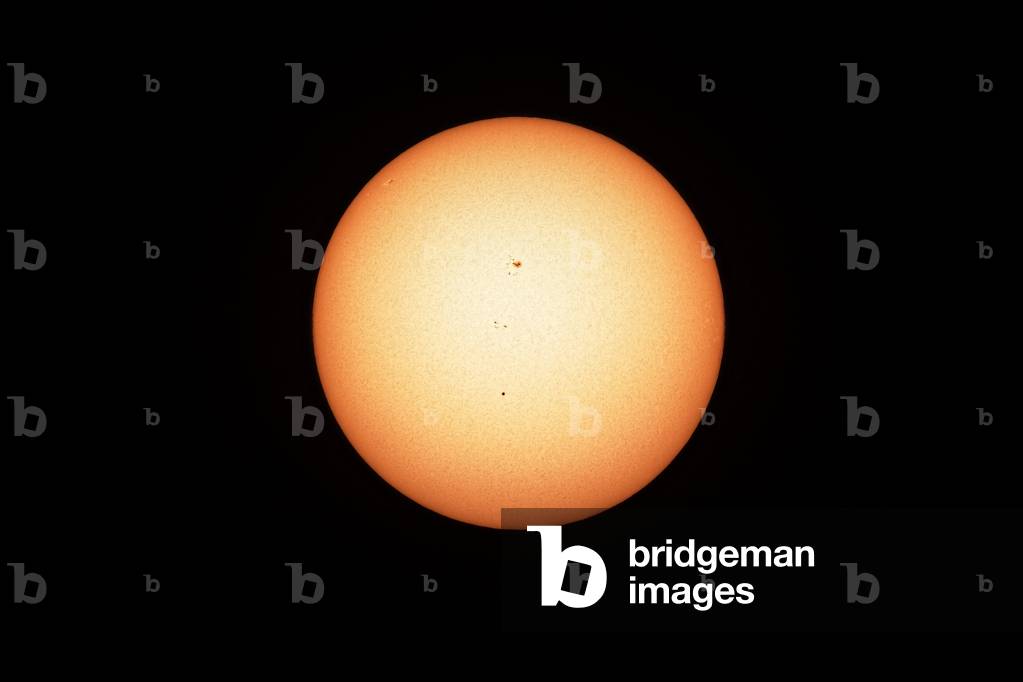
PIX4588338: Mercury Transit in front of the Sun. May 9, 2016 - Mercury Transit. May 9, 2016: Mercury is located at the bottom center as a small, dark, round spot / Bridgeman Images

JLJ4588440: Debarked human heads: muscles and skeletons are visible, 18th century (engraving), Lairesse, Gerard de (1640-1711) / Bridgeman Images

PIX4587917: Conjunction Lune Pleiades et clouages noctulescents - Moon near Pleiades with noctilucent clouds - La Lune cendree pres de l'amas des Pleiades seen in Brittany on 30 June 2008. In the sky, clouds of high altitude, very rarely visible in France. Moon near the Pleiades star cluster with noctilucent clouds. These high altitude clouds are usually seen in summer months but nearer the poles than France. Brittany, June 30 2008 / Bridgeman Images

PIX4588480: Transit of Venus in front of the Sun. 05/06/2012 - Venus Transit. 05/06/2012 - Transit of Venus in front of the Sun seen by the SDO satellite, June 5, 2012. On June 5-6 2012, SDO is collecting images of one of the rarest predictable solar events: the transit of Venus across the face of the sun. This event happens in pairs eight years apart that are separated from each other by 105 or 121 years. The last transit was in 2004 and the next will not happen until 2117 / Bridgeman Images
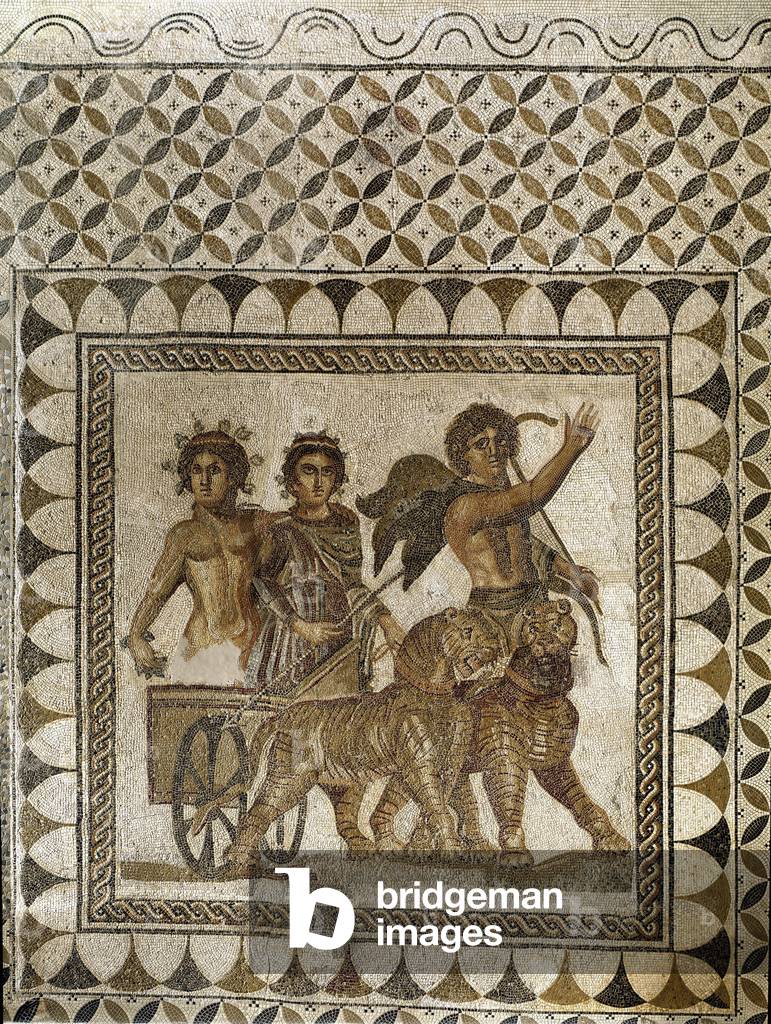
LRI4587966: Bacchus in a chariot pulled by tigers, 3rd century (mosaic), Roman, (3rd century AD) / Bridgeman Images

PIX4587980: Conjunction Lune Pleiades et clouages noctulescents - Moon near Pleiades with noctilucent clouds - La Lune cendree pres de l'amas des Pleiades seen in Brittany on 30 June 2008. In the sky, clouds of high altitude, very rarely visible in France. Moon near the Pleiades star cluster with noctilucent clouds. These high altitude clouds are usually seen in summer months but nearer the poles than France. Brittany, June 30 2008 / Bridgeman Images
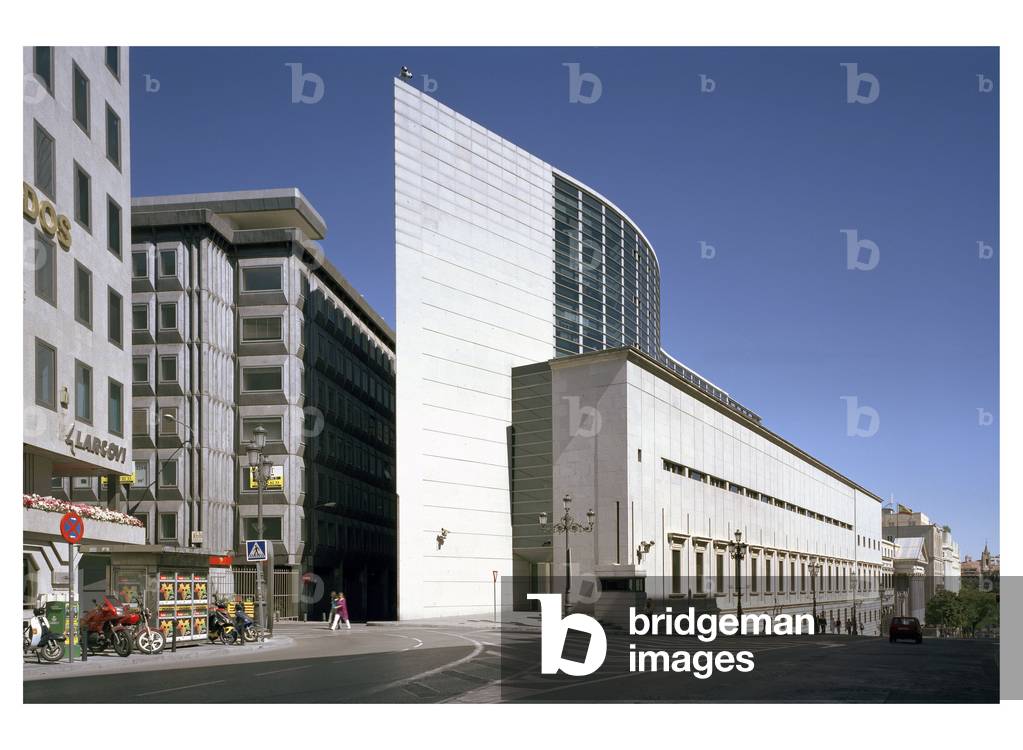
LBY4587985: The Chamber of Deputes, Carrera de San Jeronimo in Madrid (Spain). / Bridgeman Images

OMG4588068: The extension of the Museo del Prado in Madrid (Spain). Architects of the Museum, in 1808: Juan de Villanueva, in 1918, renovated by Antonio Lopez Aguado and in 2005, extended by Rafael Moneo., Moneo, Jose Rafael (b.1937) / Bridgeman Images

PIX4588105: Moon Venus and Saturn 16/10/2009 - Moon Venus and Saturn - October 16 2009 - The moon in crescent is like its beautiful ash light. Venus just got up right of Benodet Lighthouse. Saturn is higher to the right. Sainte-Marine, Finistere. Crescent Moon with earthshine. Venus has just risen on the right of the lighthouse of Benodet. Saturn is on the upper right. Sainte-Marine, Finistere, Brittany / Bridgeman Images

PIX4588148: Spica Saturn and Mars - Astral trio in the sky of the Reunion On the left, the blue star Spica (from the constellation of the Virgin), on his right Saturn (yellowish) and below Mars (reddish). August 9, 2012 Trio in the sky of Reunion Island At left, the blue star Spica (in Virgo), Saturn to its right (yellow) and below Mars (reddish). August 9 2012 / Bridgeman Images

JLJ4588171: The Banks of the Oise in Pontoise, 1872 (oil on canvas), Pissarro, Camille (1830-1903) / Bridgeman Images

JLJ4588496: Battle of Zurich won by Andre Massena, September 25, 1799 on the Austro-Russian army of Alexander Souwaroff (oil on canvas), Bouchot, Francois (1800-42) / Bridgeman Images

JLJ4588588: The Virgin and Child Surrounded by Saintes, the Donor and Saint John the Baptist Diptych, 15th century (painting), Memling, Hans (c.1433-94) / Bridgeman Images

RCT4588598: The theatre Valle Inclön, Plaza de Lavapies in Madrid (Spain). Architects Angela Garcia de Paredes and Ignacio Garcia Pedrosa, 2005. Photography 30/12/07., Castan, Remy / Bridgeman Images
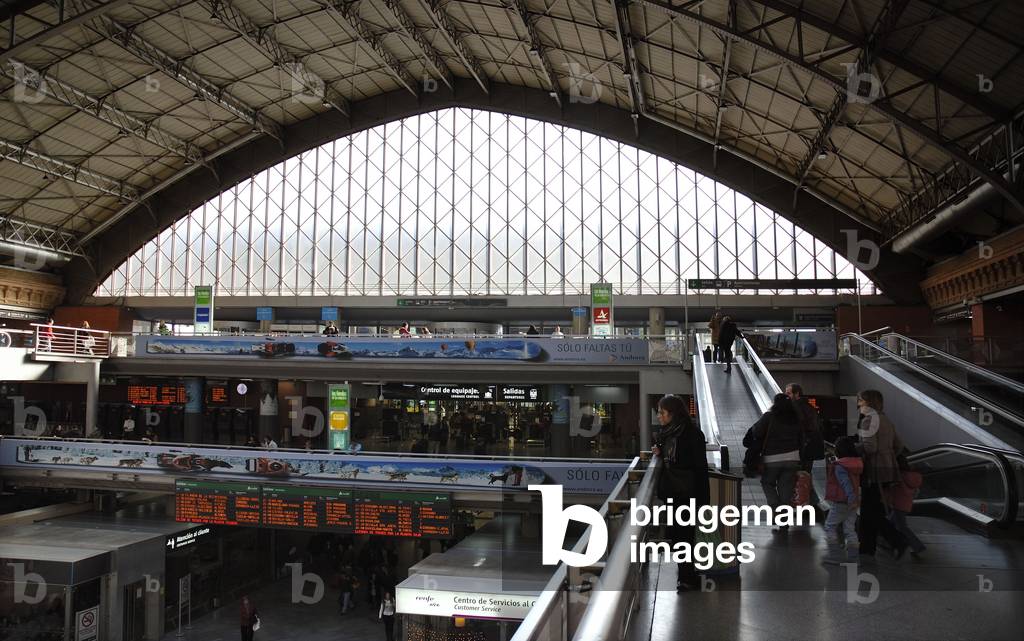
RCT4588629: Extension of Atocha Station in Madrid (Spain). Realisation 1992, architect Rafael Moneo. Photography 30/12/07., Moneo, Jose Rafael (b.1937) / Bridgeman Images
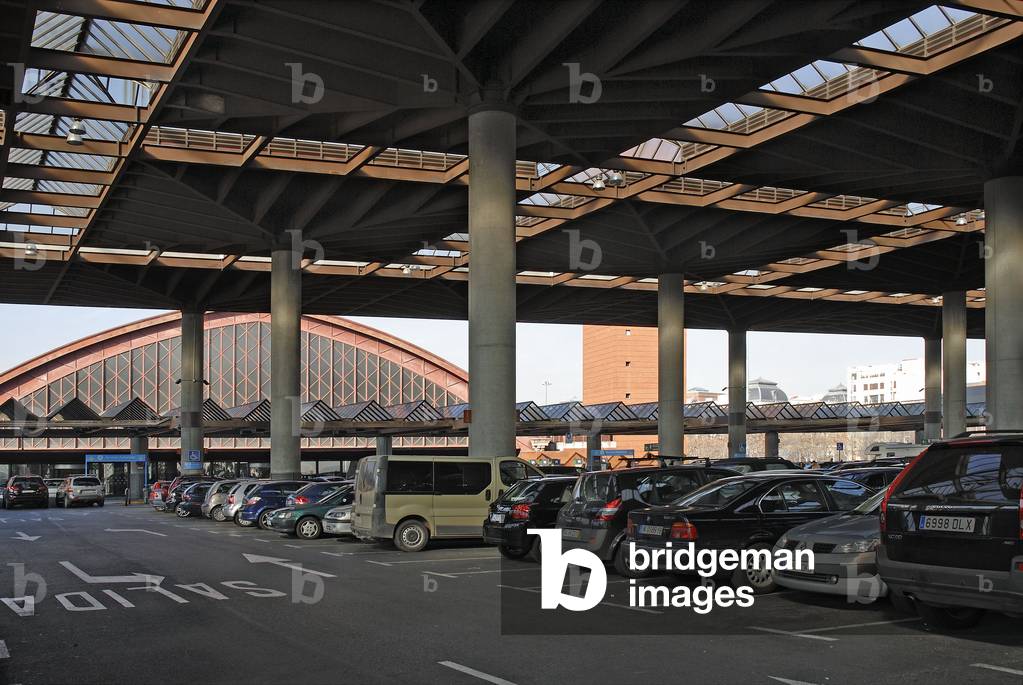
RCT4588667: Extension of Atocha Station in Madrid (Spain). Realisation 1992, architect Rafael Moneo. Photography 30/12/07., Moneo, Jose Rafael (b.1937) / Bridgeman Images

PIX4588732: Constellation Eagle - The Aquila constellation - The brightest star in this constellation is Altair. It is one of the brightest stars in the night sky. It is the center of an almost perfect alignment of three stars and is located about 16 years - light from the Sun. The brightest star of this constellation is Altair, one of the brightest star in the sky / Bridgeman Images

PIX4588188: Closeness between the Moon and Saturn - Moon with Saturn. August 31 2014 - Photo taken on 31.08.14 of the approximation of less than 15 'between the Moon and Saturn. A plane passed by the Moon / Bridgeman Images
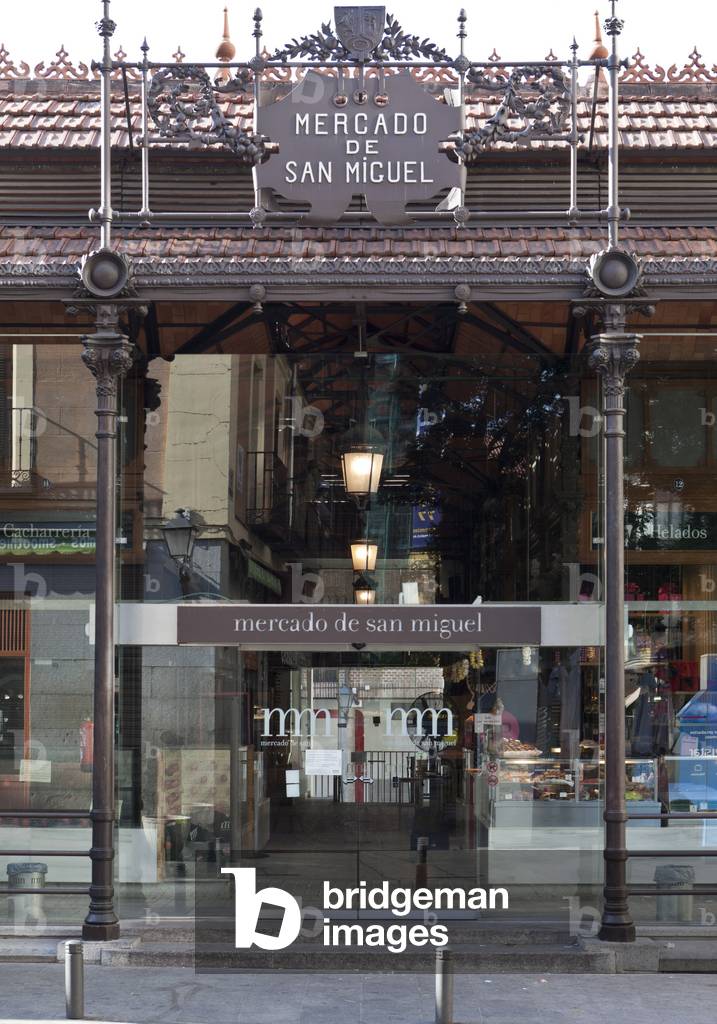
OMG4588216: The San Miguel Marche, Madrid, Spain. Photography by Alfonso Dube, 1916. Photography 24/05/09 / Bridgeman Images

JLJ4588548: Bouquet of roses, 18th century (litho), Buchoz, Pierre-Joseph (1731-1807) / Bridgeman Images

OMG4588322: The San Miguel Marche, Madrid, Spain. Architecture by Alfonso Dube, 1916. Photography 24/05/09 / Bridgeman Images
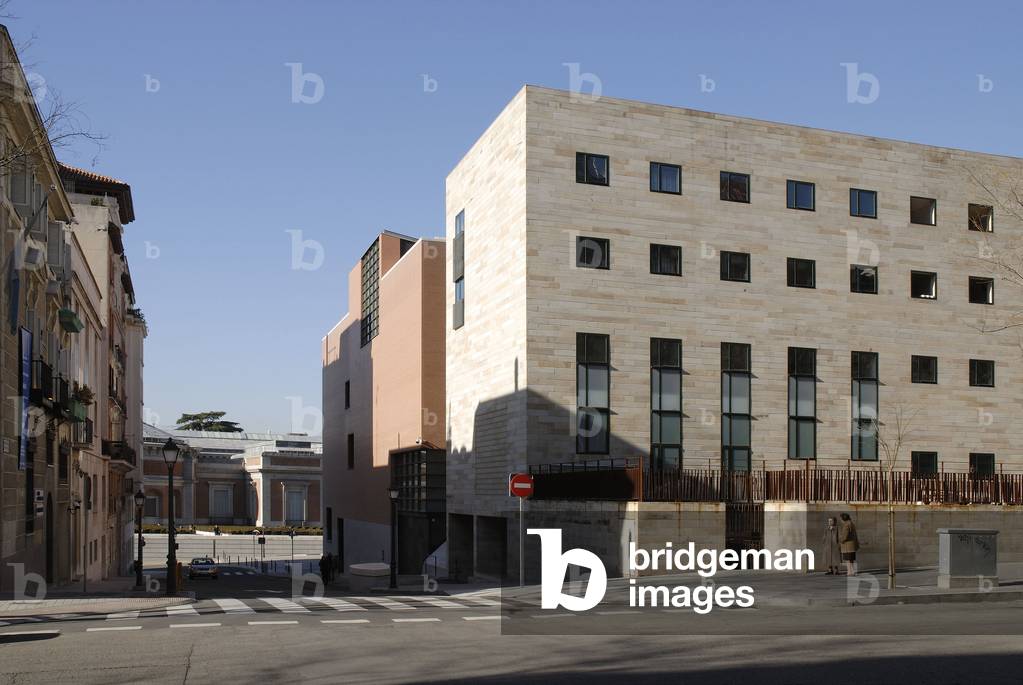
RCT4588345: The extension of the Museo del Prado in Madrid (Spain). Architects of the Museum, in 1808: Juan de Villanueva, in 1918, renovated by Antonio Lãpez Aguado and in 2005, extended by Rafael Moneo. Photography 30/12/07., Moneo, Jose Rafael (b.1937) / Bridgeman Images
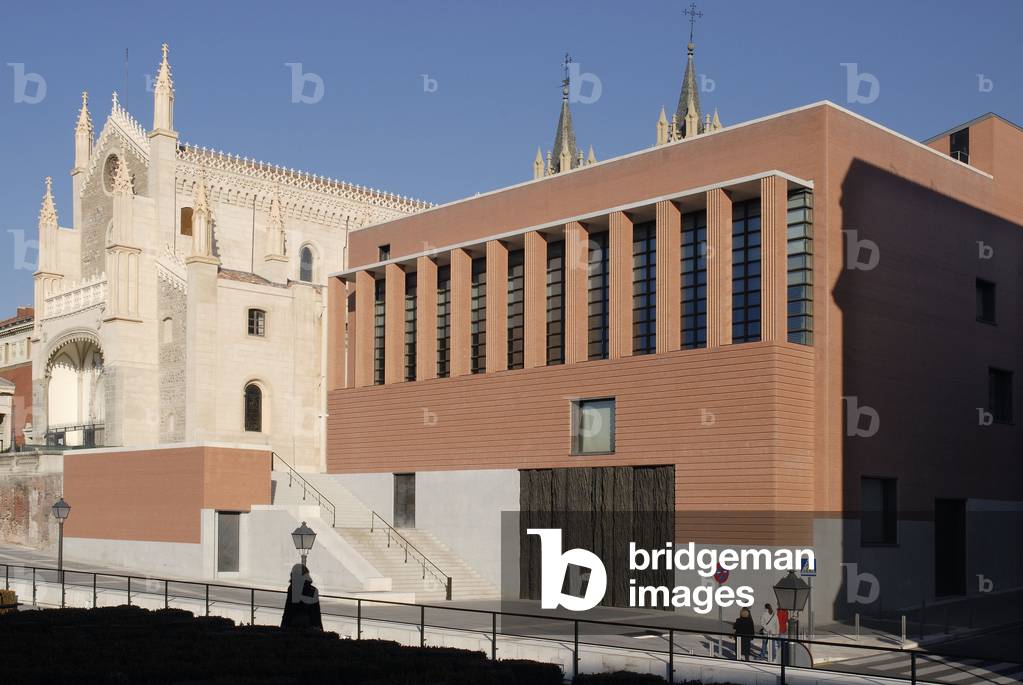
RCT4588356: The extension of the Museo del Prado in Madrid (Spain). Architects of the Museum, in 1808: Juan de Villanueva, in 1918, renovated by Antonio Lãpez Aguado and in 2005, extended by Rafael Moneo. Photography 30/12/07., Moneo, Jose Rafael (b.1937) / Bridgeman Images

JLJ4588379: Portrait of George Washington Sculpture of Jean Antoine Houdon 18th century (sculpture), Houdon, Jean-Antoine (1741-1828) / Bridgeman Images
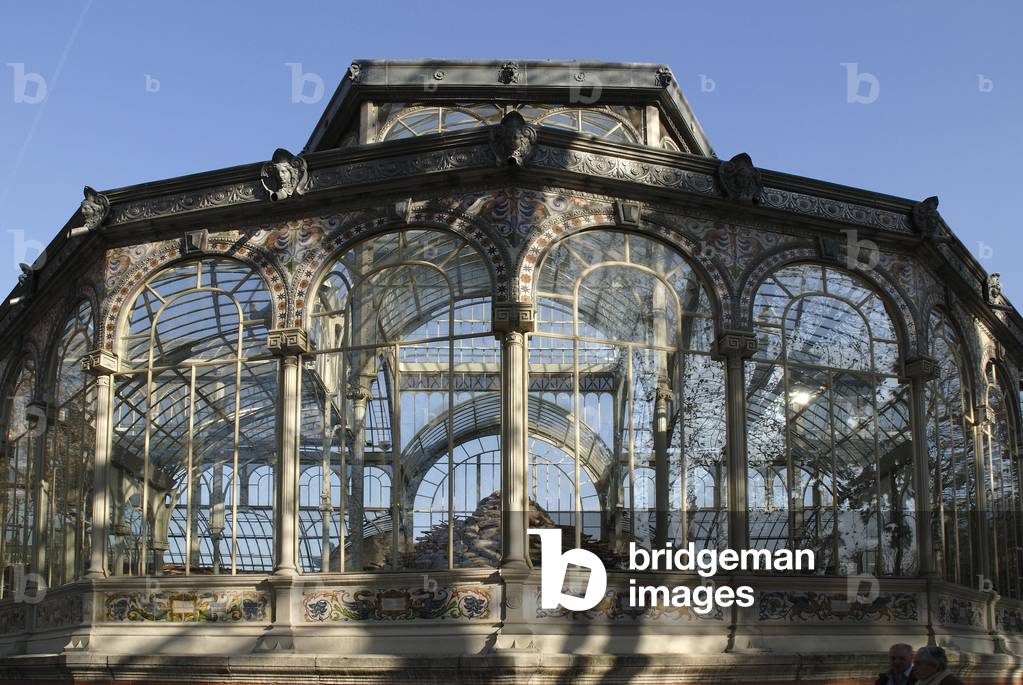
RCT4588808: The Palacio de Cristal in the Parque del Retiro in Madrid (Spain).Photography 29/12/07., Castan, Remy / Bridgeman Images
