2502120 Search Results

PIX4589225: Constellations de la Compsole, la Machine Pneumatica et les Voiles - Constellations Antlia, Pyxis and Vela - Constellations de l'hemisphere sud Antlia (originally Antlia Pneumatica, the Air Pump) is an unremarkable constellation invented by the Abbe Nicolas de Lacaille in the 1750s. It is hemmed in by the meandering body of Hydra to the north and the sparkling constellations of the Milky Way to the south. It contains a fine planetary nebula, NGC 3132 and a beautiful spiral galaxy, NGC 2997. Pyxis (Pyxis Nautica, the Mariner's Compasse) is the least interesting fragment of the great vessel Argo Navis, dismantled by Lacaille. The other parts are Puppis (the stern), Carina, (the keel) and Vela. Vela (the sails) is best known for the supernova remnant seen on large telescope pictures and the Gum nebula, visible as faint red nebulosity towards the right (west) of the constellation. Best seen in the early evening in March - April Other constellations in the image: Carina, Centaurus, Corvus, Crater, Hydra, Puppi / Bridgeman Images

OMG4589287: Karakoy district in Istanbul, Turkey. / Bridgeman Images

OMG4589348: The Bosphorus in Istanbul (Turkey). / Bridgeman Images

JLJ4589041: The wash house of Bazincourt, 1900 (oil on canvas), Pissarro, Camille (1830-1903) / Bridgeman Images

PIX4589361: Constellation Cameleon - Constellation Chamaeleon - Cameleon is a small constellation in the southern hemisphere, located near the southern Celestial pole. The chameleon is a small constellation in the southern hemisphere, close to the south celestial pole / Bridgeman Images

OMG4588214: The San Miguel Marche in Madrid, Spain. Architecture by Alfonso Dube, 1916. Photography 24/05/09 / Bridgeman Images

OMG4588223: The San Miguel Marche, Madrid, Spain. Architecture by Alfonso Dube, 1916. Photography 24/05/09 / Bridgeman Images

JLJ4588303: Saint Thomas de Villeneuve distributing Amones to beggars, 1661 (oil on canvas), Cerezo, Mateo (1626-1666) / Bridgeman Images

PIX4588396: Transit from Venus in front of the Sun. 08/06/2004 - Venus Transit. 08/06/2004 - Seen with H-Alpha filter. Venus seen in front of Sun with a H-alpha filter / Bridgeman Images

PIX4588443: Transit of Venus in front of the Sun. 05/06/2012 - Venus Transit. 05/06/2012 - Beginning of the transit of Venus in front of the Sun seen by the SDO satellite, June 5, 2012. Beginning of Venus transit on June 5 2012. On June 5-6 2012, SDO is collecting images of one of the rarest predictable solar events: the transit of Venus across the face of the sun. This event happens in pairs eight years apart that are separated from each other by 105 or 121 years. The last transit was in 2004 and the next will not happen until 2117 / Bridgeman Images

PIX4588459: Transit of Venus in front of the Sun. 05/06/2012 - Venus Transit. 05/06/2012 - Transit of Venus in front of the Sun seen by the SDO satellite, June 5, 2012. On June 5-6 2012, SDO is collecting images of one of the rarest predictable solar events: the transit of Venus across the face of the sun. This event happens in pairs eight years apart that are separated from each other by 105 or 121 years. The last transit was in 2004 and the next will not happen until 2117 / Bridgeman Images

JLJ4586983: Commedia dell'arte: Brighella character from Seraphin's theatre, 18th century (polychrome wood sculpture), Italian School, (18th century) / Bridgeman Images
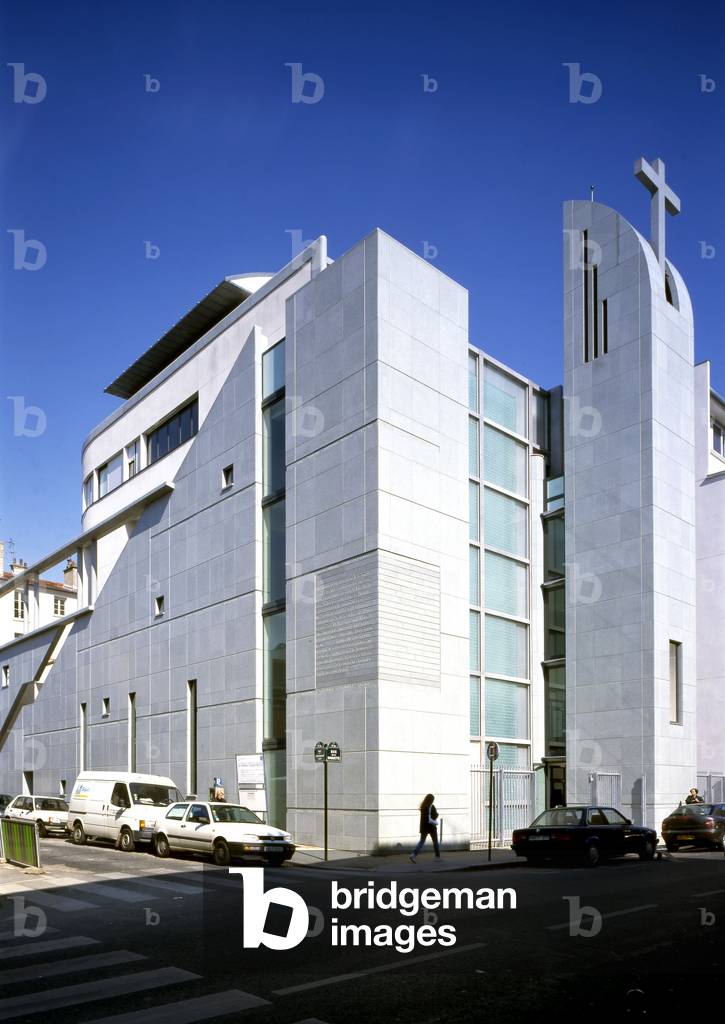
OMG4586595: Eglise Notre Dame de l'Esperance 47 rue de la Roquette Paris 11th arrondissement. Architects Bruno Legrand and Bernard Leroy 1998. Photography 1998. / Bridgeman Images
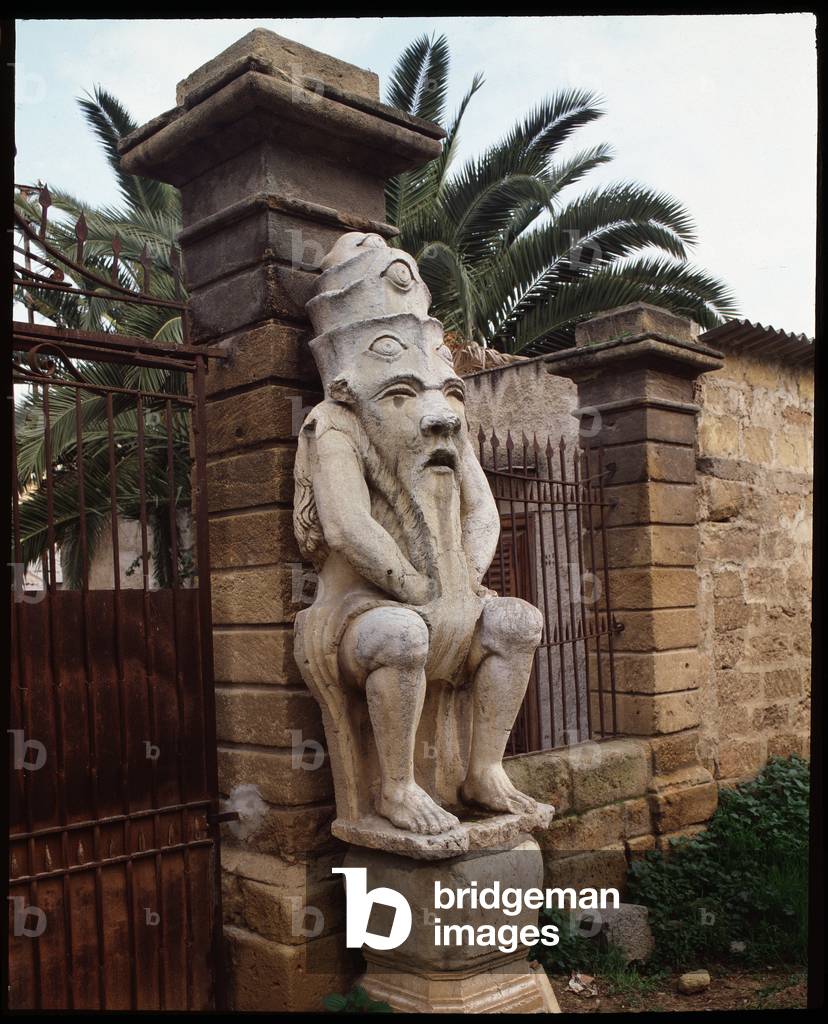
LRI4587040: Cycle of Monsters Statue, sculpture, 1715, Napoli, Tommaso Maria (1655-1725) / Bridgeman Images

JLJ4586663: Portrait of Cesar, Duke of Vendome and Beaufort, Superintendent of Navigation, 17th century (oil on canvas), Mignard, Pierre (1612-95) / Bridgeman Images
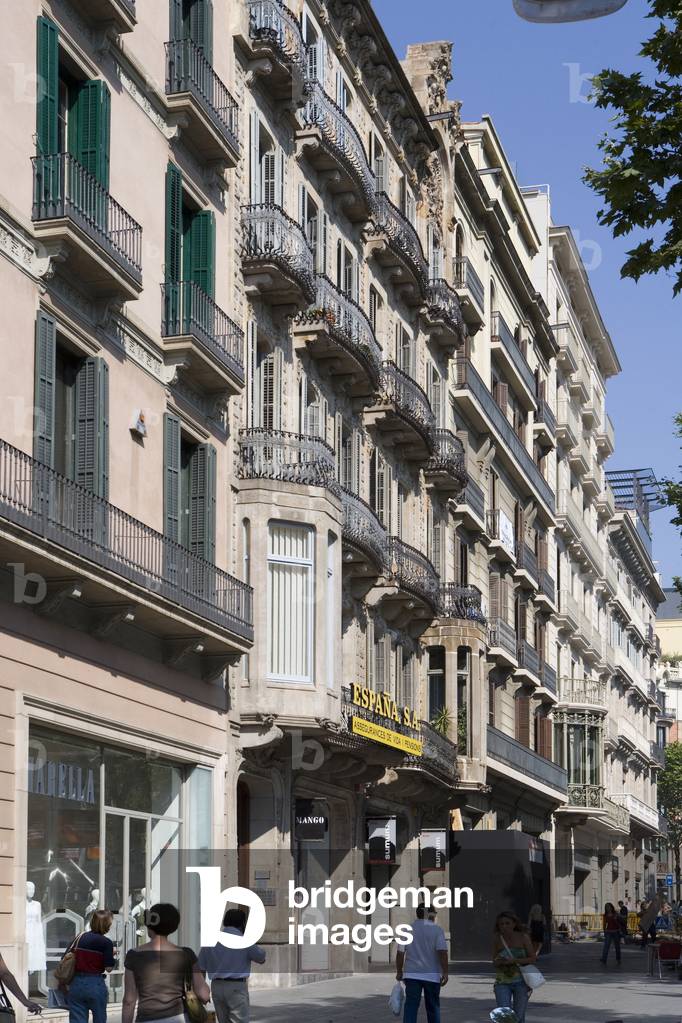
OMG4587080: Le passaeig de Gracia, Quartier de l'Eixample in Barcelona (Spain). / Bridgeman Images

JLJ4587171: Ducks, pheasant, fruit near a fountain, Detail, 18th century (oil on canvas), Desportes, Alexandre-Francois (1661-1743) / Bridgeman Images

PIX4587217: Conjunction Venus Jupiter of July 1, 2015 - Venus and Jupiter on july 1st 2015 - Arrival of Venus, below, and Jupiter (lower above) seen in France at the beginning of the night. The two planets Venus (bottom) and Jupiter (fainter above) / Bridgeman Images

MDA4587231: University residences Le Klebert et Nicolas Appert in Ivry sur Seine (Val de Marne). Architects Bertrand Dubus and Thomas Richez 2004. Photograph 2004. / Bridgeman Images
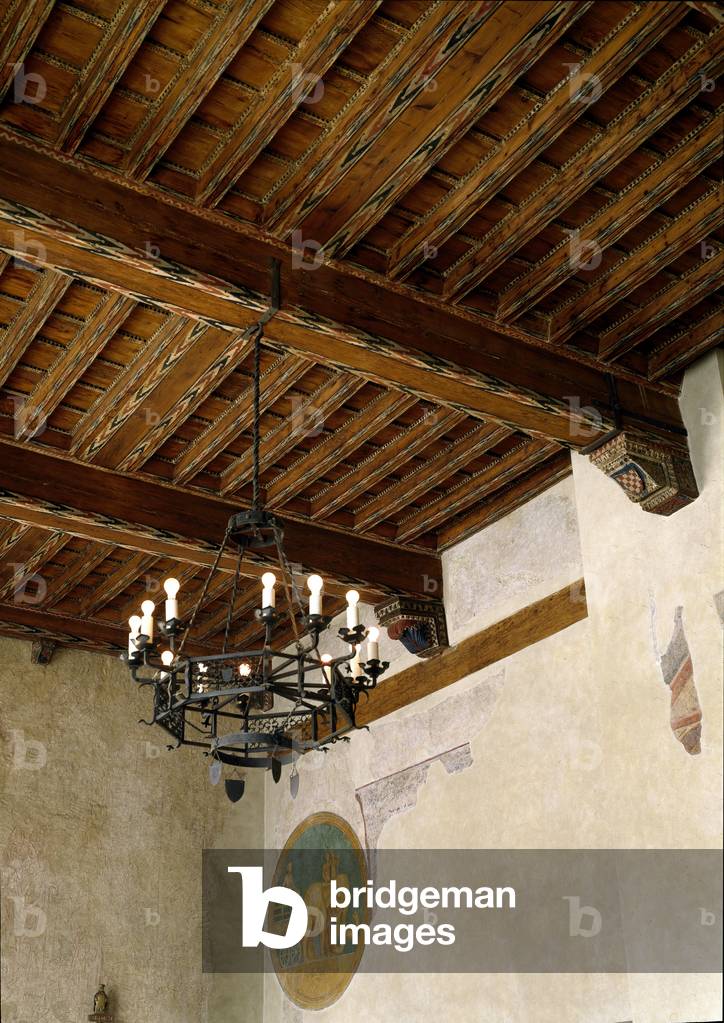
LRI4587251: Interior view of the city hall (palazzo degli Anziani), 12th-13th century, Italian School, (12th century) / Bridgeman Images

MDA4587264: University residences Le Klebert et Nicolas Appert in Ivry sur Seine (Val de Marne). Architects Bertrand Dubus and Thomas Richez 2004. Photograph 2004. / Bridgeman Images

PIX4587280: Telescope, Venus, Crescent of Moon and Mercury - Telescope, Venus, Moon Crescent and Mercury - Telescope in silhouette at dusk. In the sky are visible the planet Venus on the top left, the Moon, and Mercury on the right. May 18, 2007. A telescope in twilight with planet Venus (top left), crescent Moon and Mercury to its right. 2007 May 18 / Bridgeman Images

PIX4586994: The Moon, Venus and Jupiter over Santiago - Moon, Venus and Jupiter above Santiago - The Moon and Planets Venus and Jupiter over Santiago, Chile. November 30, 2008. Moon, Venus and Jupiter above Santiago in Chile. November 30 2008 / Bridgeman Images

LRI4587011: View of villa Belmonte, early 19th century (photo), Marvuglia, Venanzio (1729-1814) / Bridgeman Images

PIX4587227: Crescent Moon -Venus-Jupiter - Crescent Moon Venus and Jupiter - Venus at the top left, top right Jupiter (right next to a galileen satellite, Ganymede, and the star Spica, from the Virgin, in the middle left. The crescent Moon with Earthsine visible, sets in the twilight along with the brightest planet, Venus, and the largest planet, Jupiter on September 6, 2005. Also visible are Spica, Alpha Virginis, and 51 (Theta) Virginis. One can also see Ganymede, the brightest of Jupiter's moons, just to the upper left of the planet, close by. Ganymede shines at magnitude 4.6 and would normally be easily visible to the unaided eye except for its proximity to brilliant Jupiter / Bridgeman Images

MDA4587243: University residences Le Klebert et Nicolas Appert in Ivry sur Seine (Val de Marne). Architects Bertrand Dubus and Thomas Richez 2004. Photograph 2004. / Bridgeman Images

MDA4587259: University residences Le Klebert et Nicolas Appert in Ivry sur Seine (Val de Marne). Architects Bertrand Dubus and Thomas Richez 2004. Photograph 2004. / Bridgeman Images

JLJ4586711: View of the chateau of Moritzbourg, 19th century (print), Noether (Nother), Adolf (1855-1943) / Bridgeman Images

TEC4586730: The Museum of Contemporary Art (MACBA) Placa dels Angels 1 in Barcelona (Spain). Architect Richard Meier, 1992-1995. Photography 30/05/07., Meier, Richard (b.1934) / Bridgeman Images

JLJ4586748: The dance of brewers and coopers during the industrial cortege in Strasbourg, 1840 (litho), Simon, E. (19th century) / Bridgeman Images

PIX4586764: Venus and the Moon in broad daylight 18/06/2007 - Venus and Moon in daylight June 18 2007 - Photograph of Venus near the Moon obtained in broad daylight on June 18, 2007 before its occultation by our satellite. Venus, the bright spot near the top of the cloud, is going to disappear hidden by the moon. Daylight image taken on June 18, 2007 / Bridgeman Images

TEC4586772: The Museum of Contemporary Art (MACBA) Placa dels Angels 1 in Barcelona (Spain). Architect Richard Meier, 1992-1995. Photography 30/05/07., Meier, Richard (b.1934) / Bridgeman Images

TEC4586787: The Museum of Contemporary Art (MACBA) Placa dels Angels 1 in Barcelona (Spain). Architect Richard Meier, 1992-1995. Photography 30/05/07., Meier, Richard (b.1934) / Bridgeman Images

JLJ4586847: Cybelle Awakening Morphee, 16th century (oil on canvas), Dubreuil, Toussaint (1561-1602) / Bridgeman Images

TEC4586855: Construction site, Poblenou District in Barcelona (Spain). / Bridgeman Images

PIX4586896: Conjunction Moon Venus - Moon Venus conjunction - Conjunction between the Moon and Venus on January 30, 2011. In the foreground, the gargoyles of the Cathedrale de Reims. Moon Venus conjunction on January 30, 2011. Foreground are gargoyles of Reims cathedral / Bridgeman Images
