Search options

Orientation
Colour

Display options

View

Print

To print search results, use print friendly version of this page.

2502120 Search Results

Ancient Greece: view of the ancient theatre of Epidaurus (or theatre of Argolide), 4th century BC (photo)

JLJ4589753: Ancient Greece: view of the ancient theatre of Epidaurus (or theatre of Argolide), 4th century BC (photo), Greek school, (4th century BC) / Bridgeman Images

Constellation of Cephee - Constellation of Cepheu

PIX4589786: Constellation of Cephee - Constellation of Cepheu / Bridgeman Images
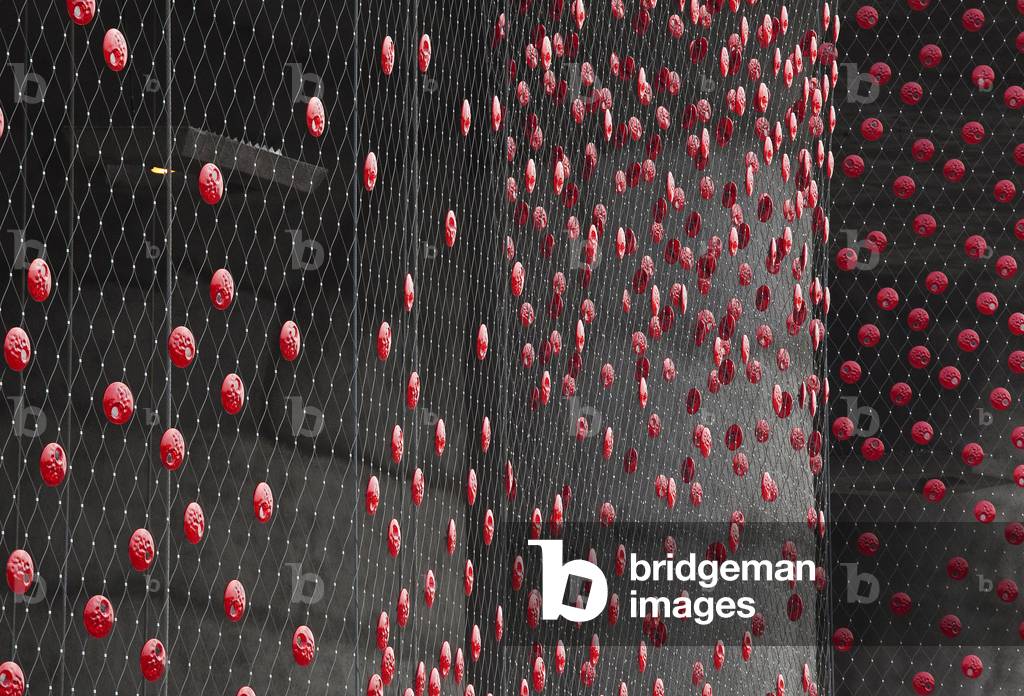
The Swiss Pavilion has the World Exhibition in Shanghai, China. Architecture 2010 by ARGE Buchner Brundler Architect and Element Design. Photography on 23/05/10

LBY4589819: The Swiss Pavilion has the World Exhibition in Shanghai, China. Architecture 2010 by ARGE Buchner Brundler Architect and Element Design. Photography on 23/05/10 / Bridgeman Images

Small Palace on the Bosphorus in Istanbul Small Palace on the Bosphorus - Istanbul -

OMG4589849: Small Palace on the Bosphorus in Istanbul Small Palace on the Bosphorus - Istanbul - / Bridgeman Images

Constellation of the Berenice Hair - Constellation of Coma Berenices - Map of the constellation of the Berenice Hair with its main Celestial objects. The Great Bear is indicated for the scale. Map showing the constellation of Coma Berenices with its main celestial objects. Constellation of Big Dipper is shown at scale

PIX4589875: Constellation of the Berenice Hair - Constellation of Coma Berenices - Map of the constellation of the Berenice Hair with its main Celestial objects. The Great Bear is indicated for the scale. Map showing the constellation of Coma Berenices with its main celestial objects. Constellation of Big Dipper is shown at scale / Bridgeman Images

Constellation of Hunting Dogs - Constellation of Canes Venatici - Mirror of Urania by Jehoshaphat Aspin 1825 Recolorise by us Urania's Mirror, by Jehoshaphat Aspin, 1825. Recolored

PIX4589898: Constellation of Hunting Dogs - Constellation of Canes Venatici - Mirror of Urania by Jehoshaphat Aspin 1825 Recolorise by us Urania's Mirror, by Jehoshaphat Aspin, 1825. Recolored / Bridgeman Images

The Bosphorus Bridge in Istanbul The Bosphorus Bridge - Istanbul -

OMG4589783: The Bosphorus Bridge in Istanbul The Bosphorus Bridge - Istanbul - / Bridgeman Images

The flag of Japan has an inflatable alveoilar structure. World Exhibition, Shanghai, Japan, 2010. The theme of the Japan Pavilion is “Harmony of the Heart, Harmony of Technology””. Rainwater is recycled for example in the staff toilets, air is sucked and redisseminated inside the pavilion, via specific vents. Photography 23/05/10

LBY4589839: The flag of Japan has an inflatable alveoilar structure. World Exhibition, Shanghai, Japan, 2010. The theme of the Japan Pavilion is “Harmony of the Heart, Harmony of Technology””. Rainwater is recycled for example in the staff toilets, air is sucked and redisseminated inside the pavilion, via specific vents. Photography 23/05/10 / Bridgeman Images

Constellation of the Berenice Hair - Constellation of Coma Berenice

PIX4589846: Constellation of the Berenice Hair - Constellation of Coma Berenice / Bridgeman Images

Constellation of the Berenice Hair - Constellation of Coma Berenices - The constellation of the Berenice Hair contains a cluster of stars, Melotte 111. Coma Berenice's (Berenices Hair) would be as insignificant as many of Lacaille's southern sky inventions if it were not for the subtle but distinctive Coma Star Cluster (Melotte 111), 270 light years away. The constellation's name alludes to the flowing hair of Queen Berenices of Egypt, allegedly cut off in gratitude for the safe return of her husband from some military escapade. This constellation was once considered to be part of Leo, where the hairy smudge of the open cluster was regarded as the tuft of the lion's tail. Melotte 111 is a large, open cluster of stars ranging between 5th magnitude (barely visible) to 10th magnitude, 100 times fainter. It extends over 5 degrees and despite the faintness of its constituent stars is clearly visible as a hazy patch in an otherwise undistinguished part of the sky. Coma is the direction of the north galactic pole, where we look beyond our galaxy through relatively few foreground stars. Had Melotte 111 been in the Milky Way it would be hard to see

PIX4589874: Constellation of the Berenice Hair - Constellation of Coma Berenices - The constellation of the Berenice Hair contains a cluster of stars, Melotte 111. Coma Berenice's (Berenices Hair) would be as insignificant as many of Lacaille's southern sky inventions if it were not for the subtle but distinctive Coma Star Cluster (Melotte 111), 270 light years away. The constellation's name alludes to the flowing hair of Queen Berenices of Egypt, allegedly cut off in gratitude for the safe return of her husband from some military escapade. This constellation was once considered to be part of Leo, where the hairy smudge of the open cluster was regarded as the tuft of the lion's tail. Melotte 111 is a large, open cluster of stars ranging between 5th magnitude (barely visible) to 10th magnitude, 100 times fainter. It extends over 5 degrees and despite the faintness of its constituent stars is clearly visible as a hazy patch in an otherwise undistinguished part of the sky. Coma is the direction of the north galactic pole, where we look beyond our galaxy through relatively few foreground stars. Had Melotte 111 been in the Milky Way it would be hard to see / Bridgeman Images

Whale Constellation - Constellation of Cetus - Whale constellation extracted from Hevelius Uranographia. Recolorised image. Map showing the constellation of Cetus with its mythological form from “” Uranographia”” star atlas by Hevelius (1690). Recolored Image

PIX4589145: Whale Constellation - Constellation of Cetus - Whale constellation extracted from Hevelius Uranographia. Recolorised image. Map showing the constellation of Cetus with its mythological form from “” Uranographia”” star atlas by Hevelius (1690). Recolored Image / Bridgeman Images

Sirkeci district in Istanbul (Turkey. 2005 photograph.

OMG4589183: Sirkeci district in Istanbul (Turkey. 2005 photograph. / Bridgeman Images
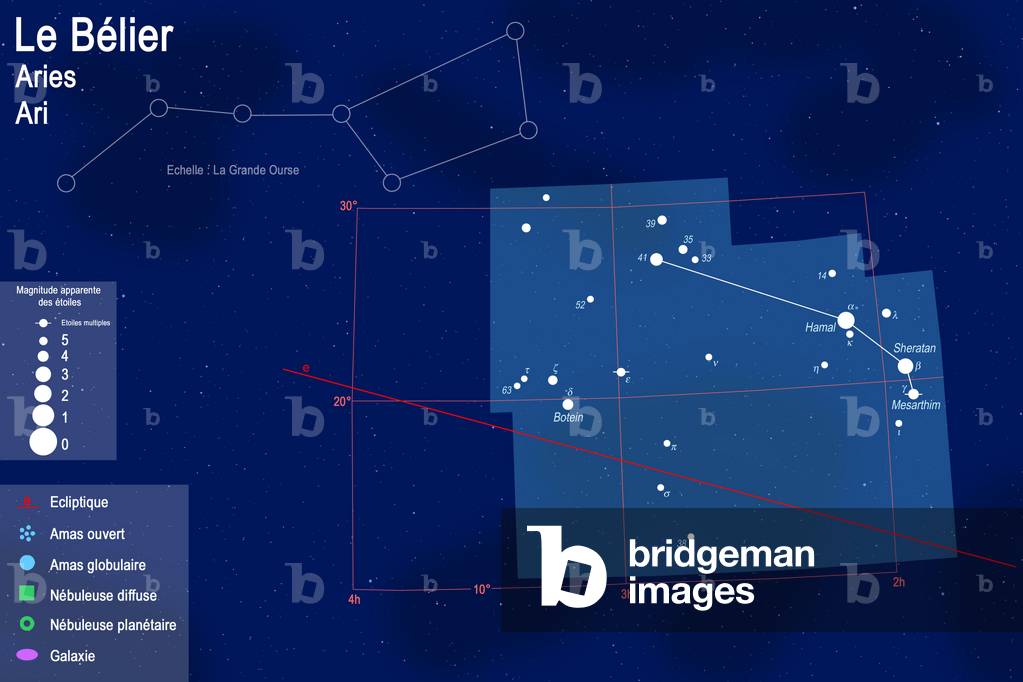
Constellation of Belier - Constellation of Aries - Map of the constellation Belier with its main Celestial objects. The Great Bear is indicated for the scale. Map showing the constellation of Aries with its main celestial objects. Constellation of Big Dipper is shown at scale

PIX4589198: Constellation of Belier - Constellation of Aries - Map of the constellation Belier with its main Celestial objects. The Great Bear is indicated for the scale. Map showing the constellation of Aries with its main celestial objects. Constellation of Big Dipper is shown at scale / Bridgeman Images

Bagdat Caddesi Street, Kadikoy District,  Istanbul, Turkey.

OMG4589219: Bagdat Caddesi Street, Kadikoy District, Istanbul, Turkey. / Bridgeman Images

Summer Triangle - Summer Triangle - The Summer Triangle is an asterism formed by the brilliant stars Deneb (in the Swan), Vega (right in the Lyre) and Altair (in the Eagle). Summer Triangle is an asterism made of three bright stars: Deneb (top in Cygnus, Vega (right in Lyra) and Altair (bottom in Aquila)

PIX4588813: Summer Triangle - Summer Triangle - The Summer Triangle is an asterism formed by the brilliant stars Deneb (in the Swan), Vega (right in the Lyre) and Altair (in the Eagle). Summer Triangle is an asterism made of three bright stars: Deneb (top in Cygnus, Vega (right in Lyra) and Altair (bottom in Aquila) / Bridgeman Images

Anatomy and surgical board representing a bark, manuscript 'Liber notabilium Philippi septimi francorum regis, a libris Galieni extractus', 1345 (miniature)

JLJ4588887: Anatomy and surgical board representing a bark, manuscript 'Liber notabilium Philippi septimi francorum regis, a libris Galieni extractus', 1345 (miniature), Vigevano da Pavia, Guido da (c.1280-c.1349) / Bridgeman Images

Blue Mosquee in Istanbul Blue Mosquee - Sultan Ahmed Religious Complex - Istanbul - 1616 - Davut Aga -

TEC4588904: Blue Mosquee in Istanbul Blue Mosquee - Sultan Ahmed Religious Complex - Istanbul - 1616 - Davut Aga - / Bridgeman Images

Hagia Sophia Basilica in Istanbul Hagia Sophia - Istanbul - Turkey

TEC4589063: Hagia Sophia Basilica in Istanbul Hagia Sophia - Istanbul - Turkey / Bridgeman Images

Constellation Cancer - Cancer constellation - In the center of the picture, the Creche cluster, M44. Near the center is the star cluster M44

PIX4589375: Constellation Cancer - Cancer constellation - In the center of the picture, the Creche cluster, M44. Near the center is the star cluster M44 / Bridgeman Images

The South Korea Pavilion has the World Exhibition in Shanghai, China, 2010. Photography 23/05/10

LBY4589880: The South Korea Pavilion has the World Exhibition in Shanghai, China, 2010. Photography 23/05/10 / Bridgeman Images

Constellation Constellation of Auriga - The brightest star in the constellation is Capella. Auriga (the Charioteer) is one of 48 constellations (out of the current 88) that were noted by Ptolemy (83 - 161 CE). It represents a chariot and its driver, a shepherd, with a goat or a sheep over his shoulder. The brightest star in Auriga is Capella, which is the ancient Greek word for little goat. It is a binary star 42 light years distant and is about 75 times more luminous than the Sun. Surprisingly, Capella is one of only two conspicuous stars whose combined light is similar to that of the Sun (the other is Alpha Centauri), so appears white on this photograph. Sun - like stars are common but are generally too faint to be seen at a distance which is why there are so few visible to the eye. Best seen in the early evening in February

PIX4589942: Constellation Constellation of Auriga - The brightest star in the constellation is Capella. Auriga (the Charioteer) is one of 48 constellations (out of the current 88) that were noted by Ptolemy (83 - 161 CE). It represents a chariot and its driver, a shepherd, with a goat or a sheep over his shoulder. The brightest star in Auriga is Capella, which is the ancient Greek word for little goat. It is a binary star 42 light years distant and is about 75 times more luminous than the Sun. Surprisingly, Capella is one of only two conspicuous stars whose combined light is similar to that of the Sun (the other is Alpha Centauri), so appears white on this photograph. Sun - like stars are common but are generally too faint to be seen at a distance which is why there are so few visible to the eye. Best seen in the early evening in February / Bridgeman Images
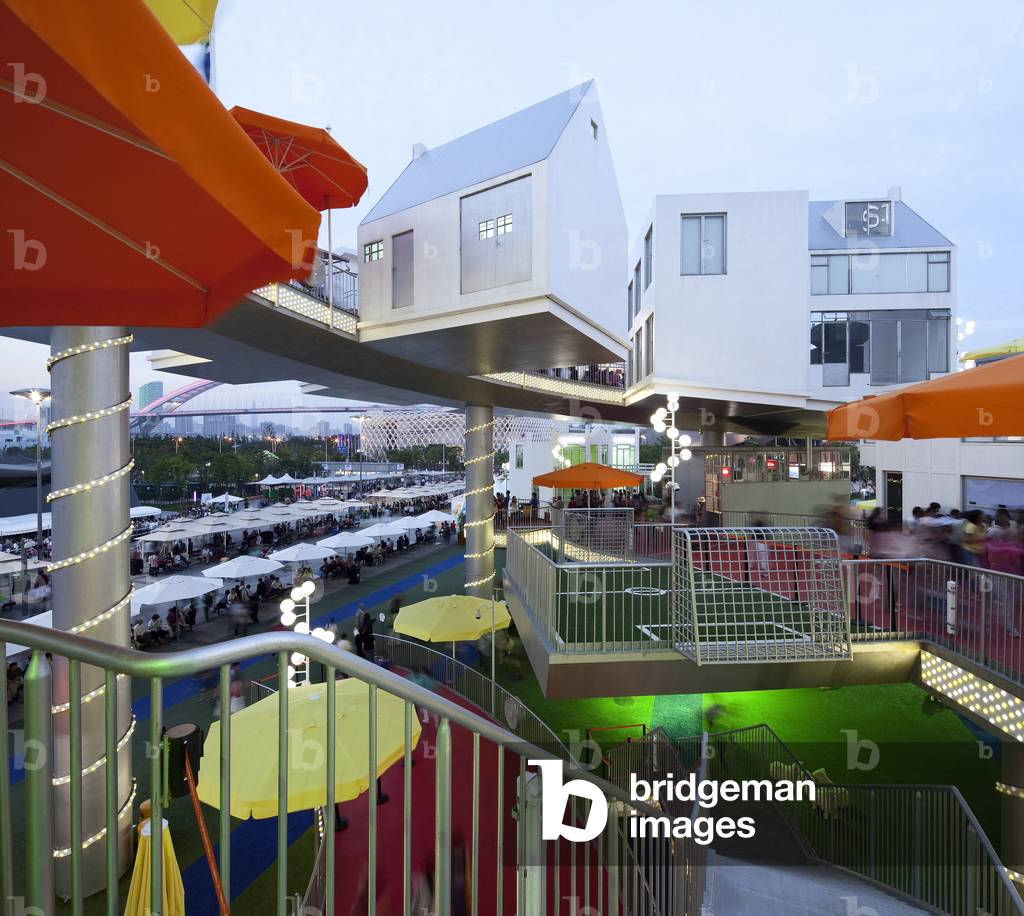
The Holland Pavilion has the World Exhibition in Shanghai, China. The theme of the Netherlands pavilion is “the cheerful street”. The pavilion is made up of 17 different houses, each with a unique style demonstrating the Netherlands's innovation in space, energy and hydraulics. Architecture of John Kormeling 2010. Photography 23/05/10

LBY4589960: The Holland Pavilion has the World Exhibition in Shanghai, China. The theme of the Netherlands pavilion is “the cheerful street”. The pavilion is made up of 17 different houses, each with a unique style demonstrating the Netherlands's innovation in space, energy and hydraulics. Architecture of John Kormeling 2010. Photography 23/05/10, Körmeling, John (b.1951) / Bridgeman Images

Egyptian Queen Nefertiti with Pharaoh Amenophis IV and their children, 18th dynasty (low relief)

JLJ4589905: Egyptian Queen Nefertiti with Pharaoh Amenophis IV and their children, 18th dynasty (low relief), Egyptian 18th Dynasty (c.1567-1320 BC) / Bridgeman Images

Santralistanbul Contemporary Art Center in an old power plant in Istanbul Conversion of Santral Istanbul - Istanbul - 2006 - Han Tumertekin -

OMG4589696: Santralistanbul Contemporary Art Center in an old power plant in Istanbul Conversion of Santral Istanbul - Istanbul - 2006 - Han Tumertekin - / Bridgeman Images

The Pera Palace in Istanbul The Pera Palace - Istanbul -

OMG4589788: The Pera Palace in Istanbul The Pera Palace - Istanbul - / Bridgeman Images

Illuminations and decorations set up at the Bastille on the occasion of the Fete de la Confederation Francaise on 14 July 1490, 1791 (engraving)

JLJ4589850: Illuminations and decorations set up at the Bastille on the occasion of the Fete de la Confederation Francaise on 14 July 1490, 1791 (engraving), French School, (18th century) / Bridgeman Images
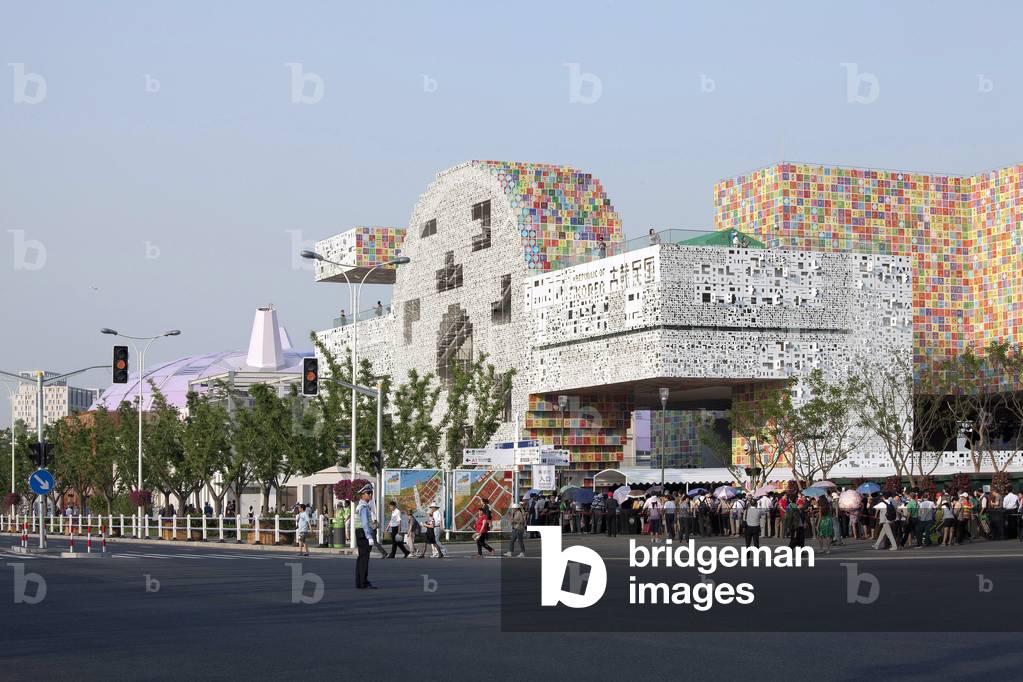
The South Korea Pavilion has the World Exhibition in Shanghai, China, 2010. Photography 23/05/10

LBY4589899: The South Korea Pavilion has the World Exhibition in Shanghai, China, 2010. Photography 23/05/10 / Bridgeman Images

Constellation of Hunting Dogs - Constellation of Canes Venatici - Constellation of Hunting Dogs extracted from the Uranographia of Hevelius. Recolorised image. Map showing the constellation of Canes Venatici with its mythological form from “” Uranographia”” star atlas by Hevelius (1690). Recolored Image

PIX4589917: Constellation of Hunting Dogs - Constellation of Canes Venatici - Constellation of Hunting Dogs extracted from the Uranographia of Hevelius. Recolorised image. Map showing the constellation of Canes Venatici with its mythological form from “” Uranographia”” star atlas by Hevelius (1690). Recolored Image / Bridgeman Images

Odysseus blinding the cyclops Polyphemus, 650 BC (terracotta)

LRI4589949: Odysseus blinding the cyclops Polyphemus, 650 BC (terracotta), Etruscan, (7th century BC) / Bridgeman Images

View of the oak cabinet of Alexandra Fyodorovna, wife of Tsar Nicholas I at Gatchina Palace, 19th century (w/c)

JLJ4589961: View of the oak cabinet of Alexandra Fyodorovna, wife of Tsar Nicholas I at Gatchina Palace, 19th century (w/c), Hau, Eduard (1807-70) / Bridgeman Images
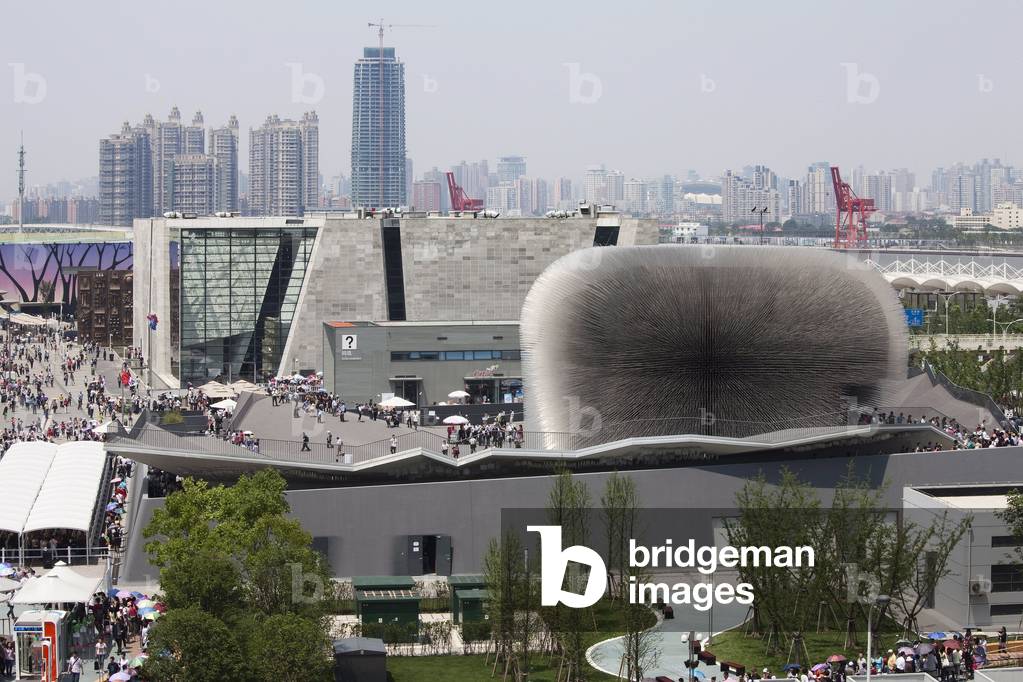
The Great Britain Pavilion, World Expo, Shanghai, China. Architecture of Heatherwick Studio and Adams Kara Tayler, 2010. Photography 23/05/10

LBY4589989: The Great Britain Pavilion, World Expo, Shanghai, China. Architecture of Heatherwick Studio and Adams Kara Tayler, 2010. Photography 23/05/10 / Bridgeman Images
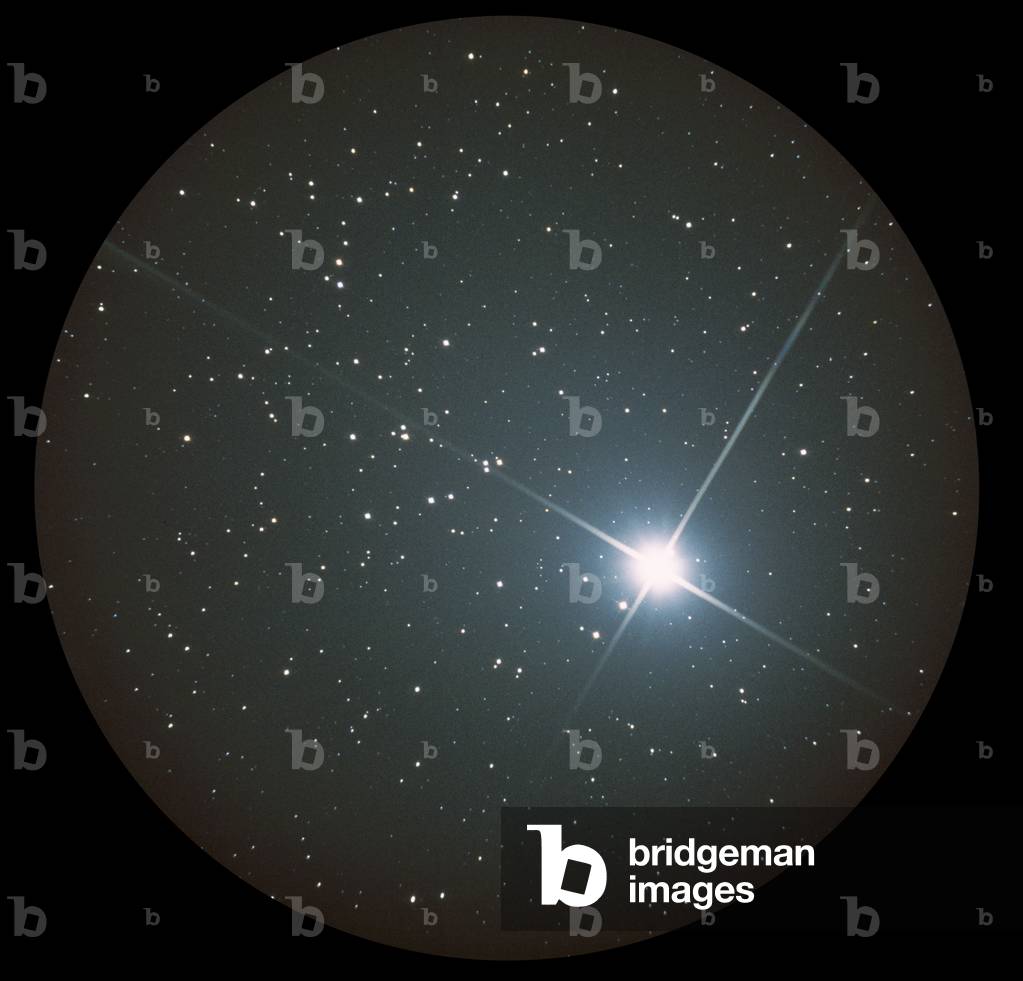
Jupiter in the open cluster M44 - Planet Jupiter in the open cluster M44 - M44 is a cluster of stars located only 600 light years from Earth, in the constellation Cancer. Illuminating the image, the planet Jupiter. Bright Jupiter among M44 stars; this cluster is located about 600 light year away in Cancer. This skyview is corresponding to binoculars and small telescopes

PIX4588251: Jupiter in the open cluster M44 - Planet Jupiter in the open cluster M44 - M44 is a cluster of stars located only 600 light years from Earth, in the constellation Cancer. Illuminating the image, the planet Jupiter. Bright Jupiter among M44 stars; this cluster is located about 600 light year away in Cancer. This skyview is corresponding to binoculars and small telescopes / Bridgeman Images

The Moon and Saturn - Moon with Saturn. November 3 2001 - The Moon and Planet Saturn. End of the blackout on 3 November 2001. Moon with Saturn. End of the occultation of november 3rd 2001

PIX4588258: The Moon and Saturn - Moon with Saturn. November 3 2001 - The Moon and Planet Saturn. End of the blackout on 3 November 2001. Moon with Saturn. End of the occultation of november 3rd 2001 / Bridgeman Images

Egyptian antiquite: fertility god Amon Min, detail (limestone)

JLJ4588637: Egyptian antiquite: fertility god Amon Min, detail (limestone), Egyptian / Bridgeman Images

Procession of the White Penitents or Henry III and his penitents Louis II of Lorraine, 1589 (w/c)

JLJ4588353: Procession of the White Penitents or Henry III and his penitents Louis II of Lorraine, 1589 (w/c), French School, (16th century) / Bridgeman Images
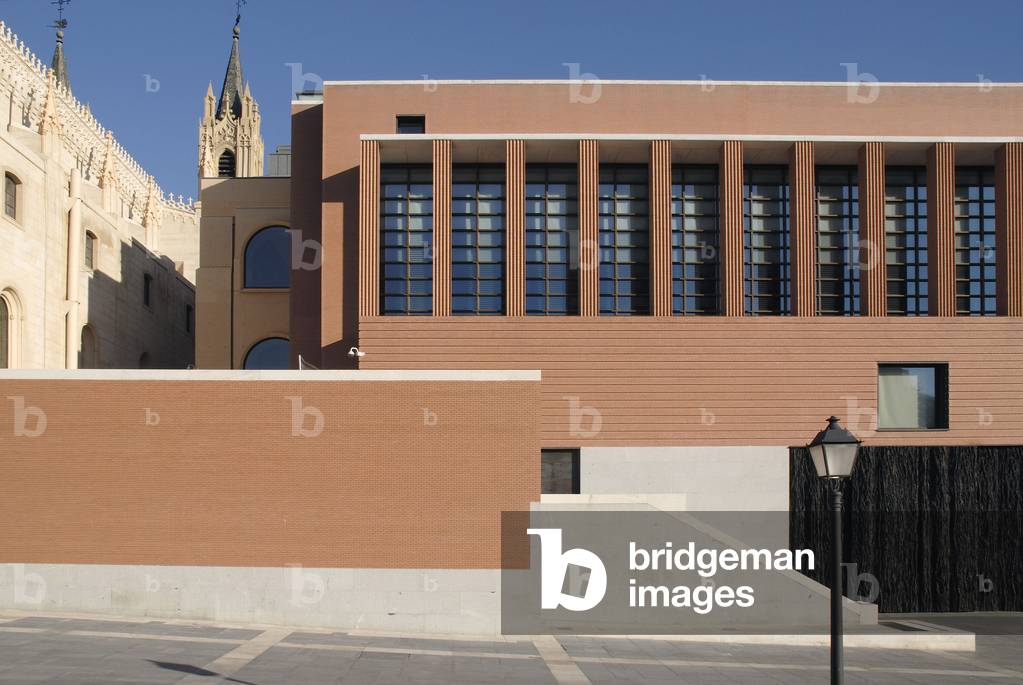
The extension of the Museo del Prado in Madrid (Spain). Architects of the Museum, in 1808: Juan de Villanueva, in 1918, renovated by Antonio Lãpez Aguado and in 2005, extended by Rafael Moneo. Photography 30/12/07.

RCT4588373: The extension of the Museo del Prado in Madrid (Spain). Architects of the Museum, in 1808: Juan de Villanueva, in 1918, renovated by Antonio Lãpez Aguado and in 2005, extended by Rafael Moneo. Photography 30/12/07., Moneo, Jose Rafael (b.1937) / Bridgeman Images


Back to top