
Print Friendly Version Page

2502126 Search Results

La Cite de la Musique and La Grande Halle de la Villette, Place des Lions, Paris 19th arrondissement, from the café de la musique. Architects Elisabeth and Christian de Portzamparc.

TEC4613648: La Cite de la Musique and La Grande Halle de la Villette, Place des Lions, Paris 19th arrondissement, from the café de la musique. Architects Elisabeth and Christian de Portzamparc., Portzamparc, de Christian (b.1944) / Bridgeman Images

Galaxy IC 883 - Galaxy IC 883 - The particular galaxy IC 883 (Arp 193) is located about 300 million light years away from Earth in the constellation Hunting Dogs. Its shape presents two antennas, maree tails, suggesting that IC 883 is the fusion of two galaxies. The collision caused a burst of star formations as evidenced by the presence of star clusters in the central region. Image obtained by the Hubble Space Telescope on January 10, 2002. IC 883 displays a very disturbed, complex central region with two tidal tails of approximately the same length emerging at nearly right angles: one diagonally to the top right of the frame and the other to the bottom right. The twin tidal tails suggest that IC 883 is the remnant of the merger of two gas - rich disk galaxies. The collision appears to have triggered a burst of star formation, indicated by a number of bright star clusters in the central region. IC 883 is 300 million light - years away towards the constellation of Canes Venatici, the Hunting Dogs. It is Number 193 in ARP's Atlas of Peculiar Galaxies. Image taken by the Hubble space telescope on january 10, 2002

PIX4613666: Galaxy IC 883 - Galaxy IC 883 - The particular galaxy IC 883 (Arp 193) is located about 300 million light years away from Earth in the constellation Hunting Dogs. Its shape presents two antennas, maree tails, suggesting that IC 883 is the fusion of two galaxies. The collision caused a burst of star formations as evidenced by the presence of star clusters in the central region. Image obtained by the Hubble Space Telescope on January 10, 2002. IC 883 displays a very disturbed, complex central region with two tidal tails of approximately the same length emerging at nearly right angles: one diagonally to the top right of the frame and the other to the bottom right. The twin tidal tails suggest that IC 883 is the remnant of the merger of two gas - rich disk galaxies. The collision appears to have triggered a burst of star formation, indicated by a number of bright star clusters in the central region. IC 883 is 300 million light - years away towards the constellation of Canes Venatici, the Hunting Dogs. It is Number 193 in ARP's Atlas of Peculiar Galaxies. Image taken by the Hubble space telescope on january 10, 2002 / Bridgeman Images

Parc des Buttes Chaumont, Paris 19th arrondissement. View of the island with at the highest point a reproduction of the temple known as the Sibyl in Tivoli, architect Gabriel Davioud (1824-1881). On the will of Napoleon III (1808-1873) to provide the laborious classes with green lungs, the park was converted to ancient gypsum quarries, which explains its topography. Adolphe Alphand (1817-1891), grand authorizer of Parisian parks with architect engineer Alfred Darcel (1818-1893) drew up the plan of the park. The landscape artist Pierre Barillet Deschampsæ (1824-1873) planted the park from 1866 onwards.

TEC4613732: Parc des Buttes Chaumont, Paris 19th arrondissement. View of the island with at the highest point a reproduction of the temple known as the Sibyl in Tivoli, architect Gabriel Davioud (1824-1881). On the will of Napoleon III (1808-1873) to provide the laborious classes with green lungs, the park was converted to ancient gypsum quarries, which explains its topography. Adolphe Alphand (1817-1891), grand authorizer of Parisian parks with architect engineer Alfred Darcel (1818-1893) drew up the plan of the park. The landscape artist Pierre Barillet Deschampsæ (1824-1873) planted the park from 1866 onwards. / Bridgeman Images

Jupiter and its satellites -Illustration - Jupiter and its moons. Artwork: Jupiter and satellites -Illustration - Jupiter and its moons. Artwork

PIX4614067: Jupiter and its satellites -Illustration - Jupiter and its moons. Artwork: Jupiter and satellites -Illustration - Jupiter and its moons. Artwork / Bridgeman Images

Godronnee faience cup decoree of an angelot, 16th century (ceramic)

JLJ4614244: Godronnee faience cup decoree of an angelot, 16th century (ceramic), Unknown Artist, (16th century) / Bridgeman Images

Revolutionary porcelain plate,

JLJ4614261: Revolutionary porcelain plate, "La patrie a Mirabeau" Riqueti, Count of Mirabeau (1749-1791), 18th century (porcelain), French School, (18th century) / Bridgeman Images
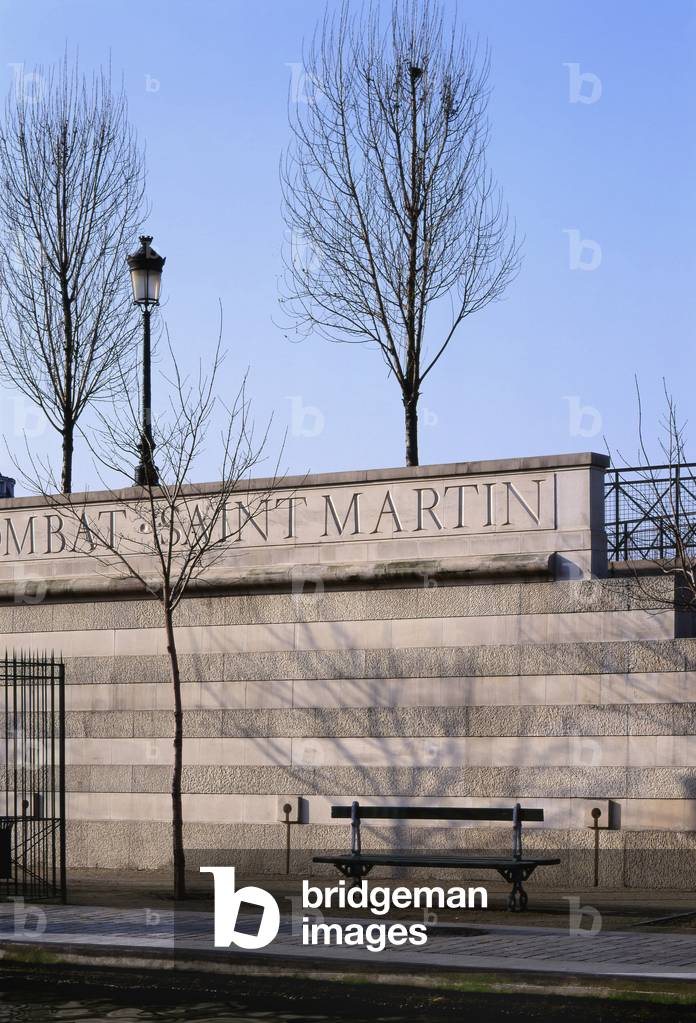
Place de Stalingrad in Paris.

MDA4614290: Place de Stalingrad in Paris. / Bridgeman Images
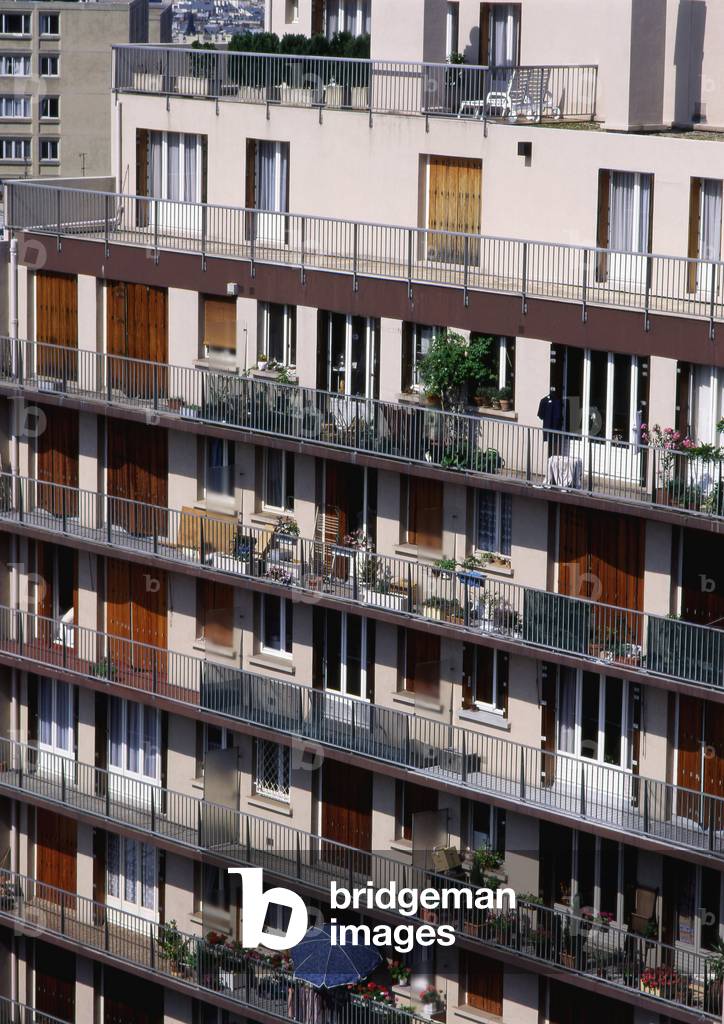
Facade of residential building, rue Pradier, Paris 19th.

MDA4614317: Facade of residential building, rue Pradier, Paris 19th. / Bridgeman Images
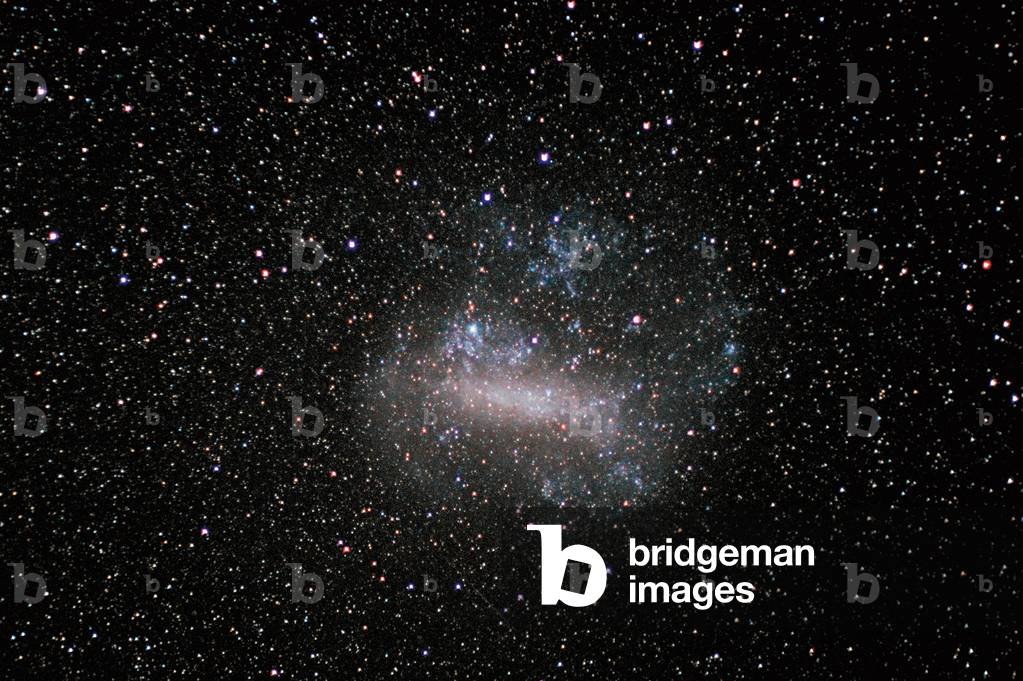
The Large Magellan Cloud Galaxy - The Large Magellanic Cloud - The Great Magellan Cloud galaxy is about 160,000 light years away from Earth in the southern constellation of the Sea bream. Visible with the naked eye in the southern hemishere it is one of the closest galaxies to us. The Large Magellanic Cloud (LMC) is the nearest galaxy to the Milky Way at a distance of 160,000 light years and is visible to the unaided eye from southern latitudes

PIX4613440: The Large Magellan Cloud Galaxy - The Large Magellanic Cloud - The Great Magellan Cloud galaxy is about 160,000 light years away from Earth in the southern constellation of the Sea bream. Visible with the naked eye in the southern hemishere it is one of the closest galaxies to us. The Large Magellanic Cloud (LMC) is the nearest galaxy to the Milky Way at a distance of 160,000 light years and is visible to the unaided eye from southern latitudes / Bridgeman Images

Wooden carved door with skeleton, 16th century (wood)

JLJ4613446: Wooden carved door with skeleton, 16th century (wood), Unknown Artist, (16th century) / Bridgeman Images

Galaxy of the Wheel of the Charette in the Sculptor - The Cartwheel Galaxy - The ring galaxy of the Wheel of the Charette is about 500 million years away - light from Earth. It is surrounded by a ring of 150,000 years - light of diameter composed of young and very bright stars (detail at the top left). This particular form is the result of a collision, probably with one of the two galaxies on the right. Bottom left, close-up on the nucleus of the galaxy. Image obtained by the Hubble Space Telescope in October 1994. A rare and spectacular head - on collision between two galaxies appears in this NASA Hubble Space Telescope true - color image of the Cartwheel Galaxy, located 500 million light - years away in the constellation Sculptor. The details of star birth resolved by Hubble provide an opportunity to study how extremely massive stars are born in large fragmented gas clouds. The striking ring - like feature is a direct result of a smaller intruder galaxy - - possibly one of two objects to the right of the ring - - that careened through the core of the host galaxy. Like a rock tossed into a lake, the collision sent a ripple of energy into space, plowing gas and dust in front of it. Expanding at 200,000 miles per hour, this cosmic tsunami leaves in its wake a firestorm of new star creation. Hubble resolves bright blue knots that are gigantic clusters of newborn stars and immense loops and bubbles blown into space by exploding stars (supernovae) going off like a string of firecrackers. The Cartwheel Galaxy presumably was a normal spiral galaxy like our Milky Way before the collision. This spiral structure is beginning to re - emerge, as seen in the faint arms or spokes between the outer ring and bulls - eye shaped nucleus. The ring contains at least several billion new stars that would not normally have been created in such a short time span and is so large (150,000 light - years across) our entire Milky Way Galaxy would fit inside. Hub

PIX4613572: Galaxy of the Wheel of the Charette in the Sculptor - The Cartwheel Galaxy - The ring galaxy of the Wheel of the Charette is about 500 million years away - light from Earth. It is surrounded by a ring of 150,000 years - light of diameter composed of young and very bright stars (detail at the top left). This particular form is the result of a collision, probably with one of the two galaxies on the right. Bottom left, close-up on the nucleus of the galaxy. Image obtained by the Hubble Space Telescope in October 1994. A rare and spectacular head - on collision between two galaxies appears in this NASA Hubble Space Telescope true - color image of the Cartwheel Galaxy, located 500 million light - years away in the constellation Sculptor. The details of star birth resolved by Hubble provide an opportunity to study how extremely massive stars are born in large fragmented gas clouds. The striking ring - like feature is a direct result of a smaller intruder galaxy - - possibly one of two objects to the right of the ring - - that careened through the core of the host galaxy. Like a rock tossed into a lake, the collision sent a ripple of energy into space, plowing gas and dust in front of it. Expanding at 200,000 miles per hour, this cosmic tsunami leaves in its wake a firestorm of new star creation. Hubble resolves bright blue knots that are gigantic clusters of newborn stars and immense loops and bubbles blown into space by exploding stars (supernovae) going off like a string of firecrackers. The Cartwheel Galaxy presumably was a normal spiral galaxy like our Milky Way before the collision. This spiral structure is beginning to re - emerge, as seen in the faint arms or spokes between the outer ring and bulls - eye shaped nucleus. The ring contains at least several billion new stars that would not normally have been created in such a short time span and is so large (150,000 light - years across) our entire Milky Way Galaxy would fit inside. Hub / Bridgeman Images

Silver cup from Hassanlu, inlaid with gold. Battle & hunting scenes, 9th century BC (silver, gold)

JLJ4613598: Silver cup from Hassanlu, inlaid with gold. Battle & hunting scenes, 9th century BC (silver, gold), Persian School, (9th century BC) / Bridgeman Images

The organs of Flanders in Paris. Construction 1972-1977, architect Martin S. van Treck.

TEC4613628: The organs of Flanders in Paris. Construction 1972-1977, architect Martin S. van Treck., Treeck, Martin S. van (1926-1999) / Bridgeman Images

Galaxy ESO 69 - 6 - Galaxy ESO 69 - 6 - The galaxy ESO 69 - 6 is about 650 million light years away from Earth in the constellation of the Southern Triangle. This system consists of two interacting galaxies. Image obtained by the Hubble Space Telescope on April 8, 2002. ESO 69 - 6 is an interacting pair of galaxies located in the constellation of Triangulum Australe, the Southern Triangle, about 650 million light - years away from Earth. Long tidal tails sweep out from the two galaxies: gas and stars were stripped out and torn away from the outer regions of the galaxies. The presence of these tails is the unique signature of an interaction. Image taken by the Hubble space telescope on April 8, 2002

PIX4613644: Galaxy ESO 69 - 6 - Galaxy ESO 69 - 6 - The galaxy ESO 69 - 6 is about 650 million light years away from Earth in the constellation of the Southern Triangle. This system consists of two interacting galaxies. Image obtained by the Hubble Space Telescope on April 8, 2002. ESO 69 - 6 is an interacting pair of galaxies located in the constellation of Triangulum Australe, the Southern Triangle, about 650 million light - years away from Earth. Long tidal tails sweep out from the two galaxies: gas and stars were stripped out and torn away from the outer regions of the galaxies. The presence of these tails is the unique signature of an interaction. Image taken by the Hubble space telescope on April 8, 2002 / Bridgeman Images

Arp 248 - Wild Triplet - Arp 248 - Wild's triplet - Group of interacting galaxies in the constellation Virgo. Interacting galaxies in Virgo

PIX4613652: Arp 248 - Wild Triplet - Arp 248 - Wild's triplet - Group of interacting galaxies in the constellation Virgo. Interacting galaxies in Virgo / Bridgeman Images

Round point Paris 19th arrondissement.

TEC4613714: Round point Paris 19th arrondissement. / Bridgeman Images

The organs of Flanders in Paris. Construction 1972-1977, architect Martin S. van Treck.

TEC4613750: The organs of Flanders in Paris. Construction 1972-1977, architect Martin S. van Treck., Treeck, Martin S. van (1926-1999) / Bridgeman Images

Galaxies UGC 1810 and UGC 1813 in Andromede - Galaxies UGC 1810 and UGC 1813 in Andromeda - These two interacting galaxies also called Arp 273 are located about 340 million years ago - light from Earth in the constellation Andromede. Image obtained by the Hubble Space Telescope (HST), December 17, 2010. These galaxies also cataloged as Arp 273 lie at a distance of about 340 million light - years. Their distorted appearance is due to gravitational tides as the pair engage in close encounters. The larger of the spiral galaxies, known as UGC 1810, has a disk that is distorted into a rose - like shape by the gravitational tidal pull of the companion galaxy below it, known as UGC 1813. This image is a composite of Hubble Wide Field Camera 3 data taken on December 17, 2010, with three separate filters that allow a broad range of wavelengths covering the ultraviolet, blue, and red portions of the spectrum

PIX4613762: Galaxies UGC 1810 and UGC 1813 in Andromede - Galaxies UGC 1810 and UGC 1813 in Andromeda - These two interacting galaxies also called Arp 273 are located about 340 million years ago - light from Earth in the constellation Andromede. Image obtained by the Hubble Space Telescope (HST), December 17, 2010. These galaxies also cataloged as Arp 273 lie at a distance of about 340 million light - years. Their distorted appearance is due to gravitational tides as the pair engage in close encounters. The larger of the spiral galaxies, known as UGC 1810, has a disk that is distorted into a rose - like shape by the gravitational tidal pull of the companion galaxy below it, known as UGC 1813. This image is a composite of Hubble Wide Field Camera 3 data taken on December 17, 2010, with three separate filters that allow a broad range of wavelengths covering the ultraviolet, blue, and red portions of the spectrum / Bridgeman Images

Faience plate with a female bust, 16th century (ceramic)

JLJ4613772: Faience plate with a female bust, 16th century (ceramic), Unknown Artist, (16th century) / Bridgeman Images

Cinema MK2, 14 quai de la Seine Paris 19th arrondissement.

TEC4613797: Cinema MK2, 14 quai de la Seine Paris 19th arrondissement. / Bridgeman Images

Cinema MK2, 14 quai de la Seine Paris 19th arrondissement.

TEC4613814: Cinema MK2, 14 quai de la Seine Paris 19th arrondissement. / Bridgeman Images

Distant galaxies in the Fornax constellation - Distant galaxies in the Fornax constellation - Image of distant galaxies obtained by the Hubble space telescope in the constellation Forneau in September 2003. This image represents a typical view of our distant universe. In taking this picture, Hubble is looking down a long corridor of galaxies stretching billions of light - years distant in space, corresponding to looking billions of years back in time. The field shown in this picture covers a relatively small patch of sky, a fraction of the area of the full moon, yet it is richly populated with a variety of galaxy types. A handful of large fully formed galaxies are scattered throughout the image. These galaxies are easy to see because they are relatively close to us. Several of the galaxies are spirals with flat disks that are oriented edge - on or face - on to our line of sight, or somewhere in between. Elliptical galaxies and more exotic galaxies with bars or tidal tails are also visible. Many galaxies that appear small in this image are simply farther away. These visibly smaller galaxies are so distant that their light has taken billions of years to reach us. One red galaxy to the lower left of the bright central star is acting as a lens to a large galaxy directly behind it. Light from the farther galaxy is bent around the nearby galaxy's nucleus to form a distorted arc. Sprinkled among the thousands of galaxies in this image are at least a dozen foreground stars that reside in our Milky Way Galaxy. The brightest of these foreground stars is the red object in the center of the image. The stars are easily discernable from galaxies because of their diffraction spikes, long cross - hair - like features that look like they are emanating from the centers of the stars. Diffraction spikes are an image artifact caused by starlight traveling through the telescope's optical system. This image is a composite of multiple exposures of a single field taken by

PIX4613828: Distant galaxies in the Fornax constellation - Distant galaxies in the Fornax constellation - Image of distant galaxies obtained by the Hubble space telescope in the constellation Forneau in September 2003. This image represents a typical view of our distant universe. In taking this picture, Hubble is looking down a long corridor of galaxies stretching billions of light - years distant in space, corresponding to looking billions of years back in time. The field shown in this picture covers a relatively small patch of sky, a fraction of the area of the full moon, yet it is richly populated with a variety of galaxy types. A handful of large fully formed galaxies are scattered throughout the image. These galaxies are easy to see because they are relatively close to us. Several of the galaxies are spirals with flat disks that are oriented edge - on or face - on to our line of sight, or somewhere in between. Elliptical galaxies and more exotic galaxies with bars or tidal tails are also visible. Many galaxies that appear small in this image are simply farther away. These visibly smaller galaxies are so distant that their light has taken billions of years to reach us. One red galaxy to the lower left of the bright central star is acting as a lens to a large galaxy directly behind it. Light from the farther galaxy is bent around the nearby galaxy's nucleus to form a distorted arc. Sprinkled among the thousands of galaxies in this image are at least a dozen foreground stars that reside in our Milky Way Galaxy. The brightest of these foreground stars is the red object in the center of the image. The stars are easily discernable from galaxies because of their diffraction spikes, long cross - hair - like features that look like they are emanating from the centers of the stars. Diffraction spikes are an image artifact caused by starlight traveling through the telescope's optical system. This image is a composite of multiple exposures of a single field taken by / Bridgeman Images

White surface, 1978 (painting)

LRI4613911: White surface, 1978 (painting), Castellani, Enrico (b.1930) / Bridgeman Images

Portraits of women of the period Executive Board engaged in various artistic and social activities, 1802 (engraving)

JLJ4613924: Portraits of women of the period Executive Board engaged in various artistic and social activities, 1802 (engraving), Mesangere, Pierre de La (1761-1831) / Bridgeman Images

Boulevard de Belleville in Paris 19th. Photography 25/08/07.

TEC4613960: Boulevard de Belleville in Paris 19th. Photography 25/08/07. / Bridgeman Images

Internal view of the church of Porto Rotondo (photography)

LRI4613981: Internal view of the church of Porto Rotondo (photography), Ceroli, Mario (b.1938) / Bridgeman Images

Self Portrait, 1970  (Polyester Sculpture)

LRI4614004: Self Portrait, 1970 (Polyester Sculpture), Cesar (Cesar Baldaccini) (1921-98) / Bridgeman Images

Boulevard de la Villette in Paris 19th. Photography 25/08/07.

TEC4614017: Boulevard de la Villette in Paris 19th. Photography 25/08/07. / Bridgeman Images
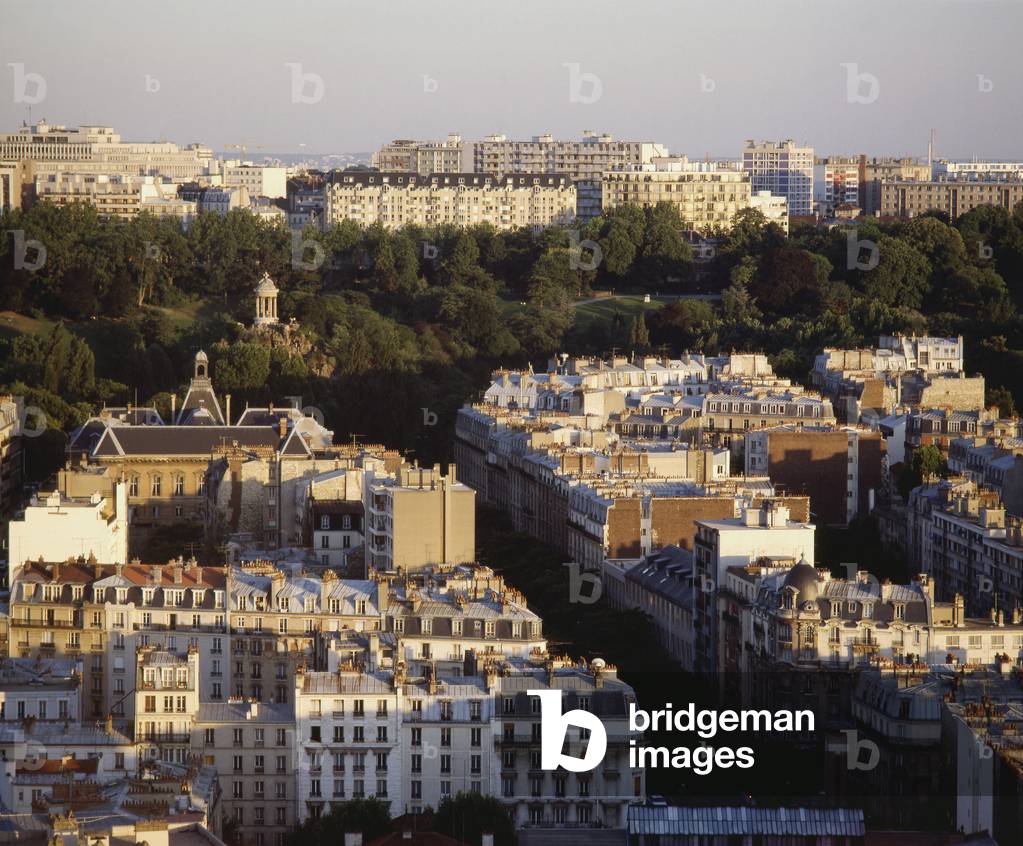
Right-of-way of the Parc des Buttes Chaumont, from rue Duvergier in Paris 19th.

MDA4614378: Right-of-way of the Parc des Buttes Chaumont, from rue Duvergier in Paris 19th. / Bridgeman Images
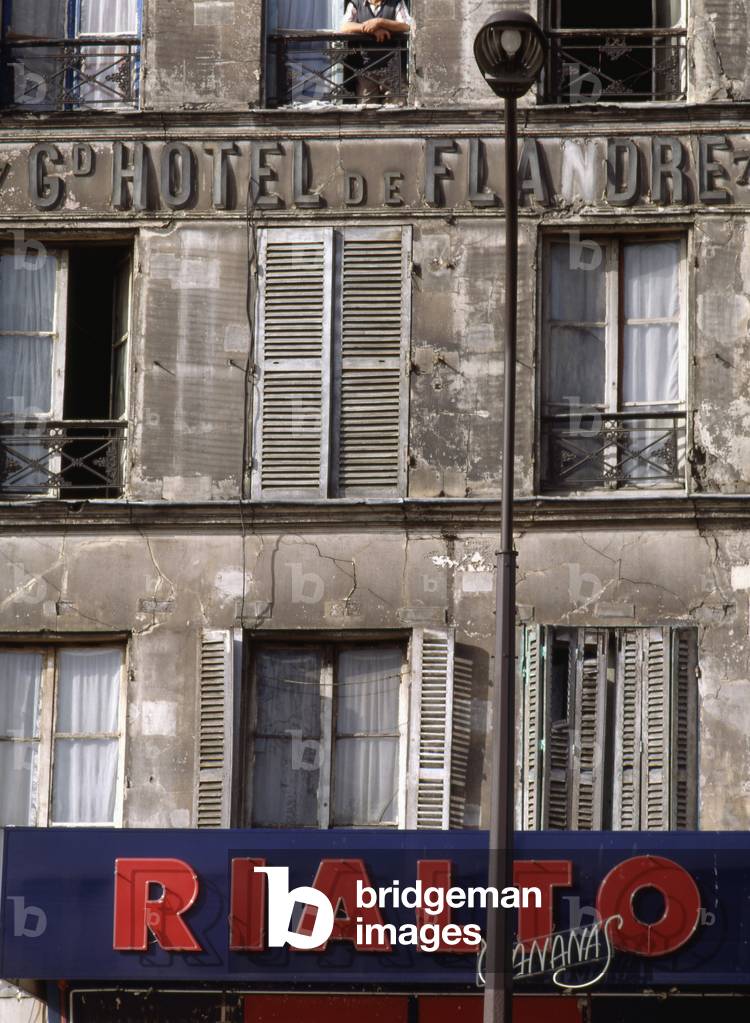
Le Rialto, Grand hotel of Flanders, rue de Flanders in Paris 19th.

MDA4614410: Le Rialto, Grand hotel of Flanders, rue de Flanders in Paris 19th. / Bridgeman Images

The Strings of the Wind, 1944 (Painting)

LRI4614430: The Strings of the Wind, 1944 (Painting), Donati, Enrico (1909-2008) / Bridgeman Images

Hotel des Invalides, a Parisian monument, whose construction was ordered by Louis XIV in 1670. Paris (photo)

JLJ4614449: Hotel des Invalides, a Parisian monument, whose construction was ordered by Louis XIV in 1670. Paris (photo), French School, (17th century) / Bridgeman Images
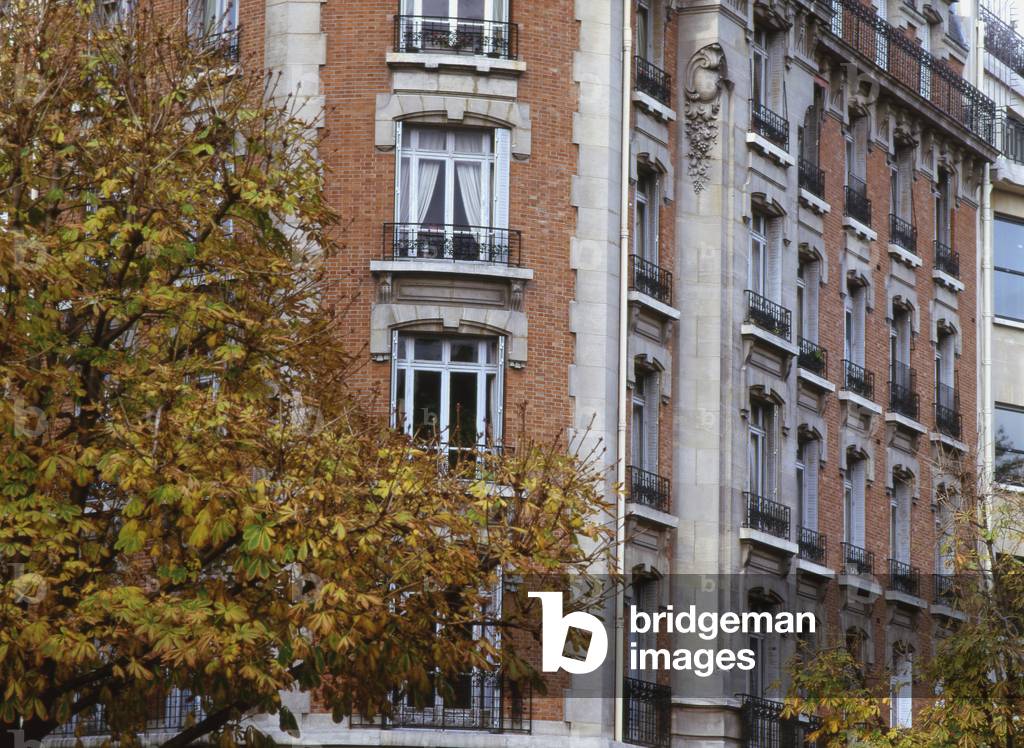
Building facade, rue Simon Bolivar, Paris 19th.

MDA4614461: Building facade, rue Simon Bolivar, Paris 19th. / Bridgeman Images

Mounet-Sully (Jean Sully Mounet, Mounet Sully, 1841-1916) (oil on canvas)

JLJ4614478: Mounet-Sully (Jean Sully Mounet, Mounet Sully, 1841-1916) (oil on canvas), Chartran, Theobald (1849-1907) / Bridgeman Images

Minus One, 1959 (Painting)

LRI4614484: Minus One, 1959 (Painting), Dorazio, Piero (1927-2005) / Bridgeman Images

Jules Ferry (1832-1893) Sculpture, Jardin des Tuileries (photo)

JLJ4614495: Jules Ferry (1832-1893) Sculpture, Jardin des Tuileries (photo), Michel, Gustave (1851-1924) / Bridgeman Images


Back to top