Unknown Artist, (19th century) Assets (17892 in total)
Results

GIA4817435: The zootropic, invented in 1833 by the English W. G. Horner. Model of 1870., Unknown Artist, (19th century) / Bridgeman Images

GIA4818047: Indian culture, civilization and society: musician with traditional Indian wind instrument (Sournae). Engraving from 1808., Unknown Artist, (19th century) / Bridgeman Images

GIA4775112: A huge gathering of bison crosses the meadow in the Missouri Valley, 1867. Engraving of the 19th century., Unknown Artist, (19th century) / Bridgeman Images

GIA4776581: The Sphinx, the first steamboat of the French navy built in 1830 (engraving), Unknown Artist, (19th century) / Bridgeman Images

GIA4776857: Series of chromolithographs of opera costumes on the occasion of Giuseppe Verdi's first representation of Aida: Amonasro. 1872, Unknown Artist, (19th century) / Bridgeman Images

GIA4776897: Costume for the character of Tancrede draws by Gironi for the opera “Tancredi”” (Tancrede) by Gioacchino Rossini. 1813, Unknown Artist, (19th century) / Bridgeman Images

GIA4778744: Jeffrey Hudson (1619-1682), dwarf of the Queen of England Henriette Marie of France (1609-1669)., Unknown Artist, (19th century) / Bridgeman Images

GIA4778893: Portrait of Horace (Quintus Horatius Flaccus) (65-8 BC), Latin poet., Unknown Artist, (19th century) / Bridgeman Images
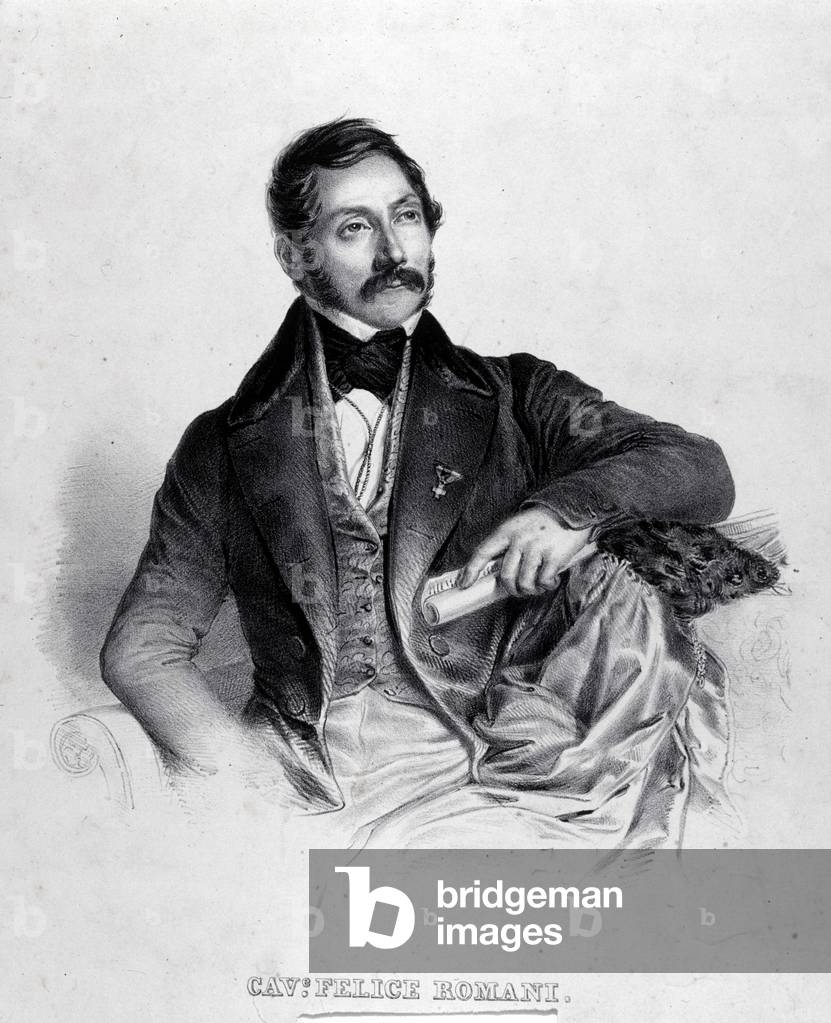
GIA4779060: Portrait of Felice Romani, librettist, poet and Iltalian critic (1788-1865)., Unknown Artist, (19th century) / Bridgeman Images

GIA4779106: Portrait of the singer Anna de LA GRANGE (1824-1909)., Unknown Artist, (19th century) / Bridgeman Images

GIA4779194: Ah, Dad, you hurt yourself. Cartoon on the exile of Napoleon Bonaparte on the island of Elba., Unknown Artist, (19th century) / Bridgeman Images

GIA4780187: portrait of the composer Sigismund Thalberg (1812 - 1871)., Unknown Artist, (19th century) / Bridgeman Images

GIA4782960: portrait of James Fenimore Cooper (1789-1851), American novelist., Unknown Artist, (19th century) / Bridgeman Images


GIA4792611: Superstition: the contemplation of stars by the inhabitants of the villages of Sicily. Engraving of the 19th century, Unknown Artist, (19th century) / Bridgeman Images
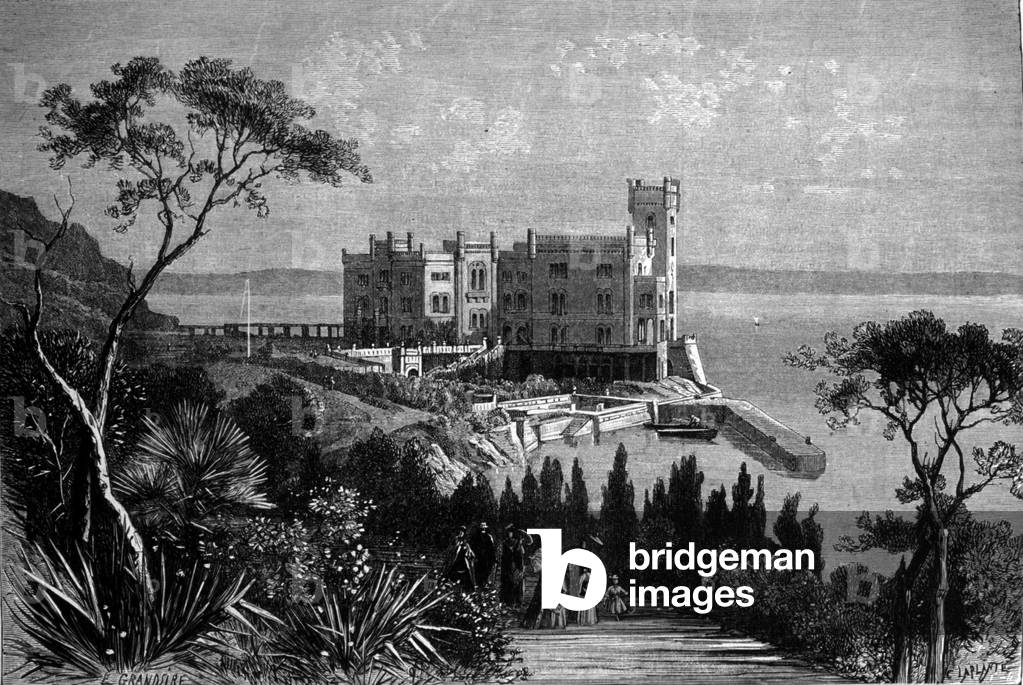
GIA4792826: View of the castle of Miramare in Trieste (during the Austrian period), engraving from 1885, Unknown Artist, (19th century) / Bridgeman Images

GIA4792895: Prisons in Barcelona in Spain used under the Inquisition., Unknown Artist, (19th century) / Bridgeman Images

XEE4157013: Portrait of Michel III Obrenovic 1823-1868 Prince of Serbia - Mihailo Obrenovic III Prince of Serbia, Unknown Artist, (19th century) / Bridgeman Images
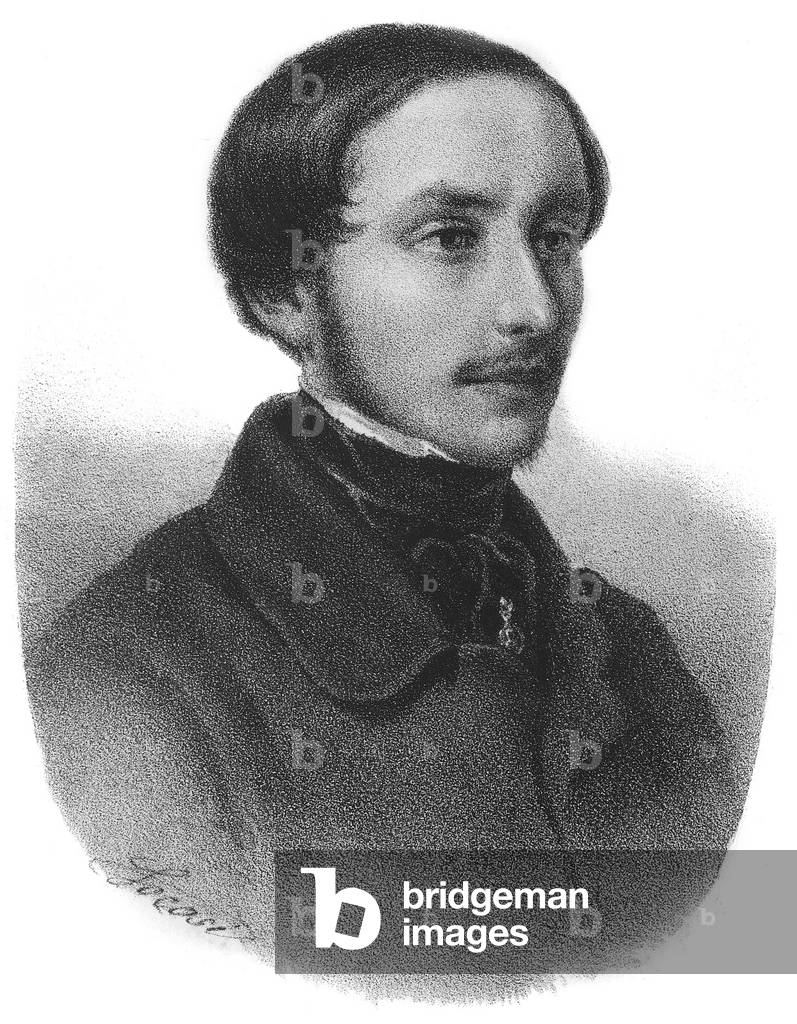
XEE4157363: Portrait of Emilio Dandolo (1830 - 1859) figure in the Italian Risorgimento - engraving, Unknown Artist, (19th century) / Bridgeman Images

XEE4157486: Marriage of the Prince of Wales (who became King Edward VII of England) (1841-1910) with Alexandra of Denmark (Alexandra Caroline Marie Charlotte Louise Julie of Schleswig-Holstein-Sonderburg-Glucksbourg (Schleswig Holstein Sonderburg Glucksbourg) (1844-1925), March 10, 1863 in St. George's Chapel in Windsor. Marriage of the Prince of Wales (Edward VII of the United Kingdom) with Alexandra of Denmark., Unknown Artist, (19th century) / Bridgeman Images

XEE4157877: The Count of Cavour (Camille Benso dit, 1810-1861), raised at the Military Academy of Turin in in the years 1820., Unknown Artist, (19th century) / Bridgeman Images

XEE4158239: Simon Deutz (1802-1844) or Hyacinthe de Gonzague or Sylvain Delatour - the man who handed over the Duchess of Berry to the authorities of the July monarchy in 1832., Unknown Artist, (19th century) / Bridgeman Images
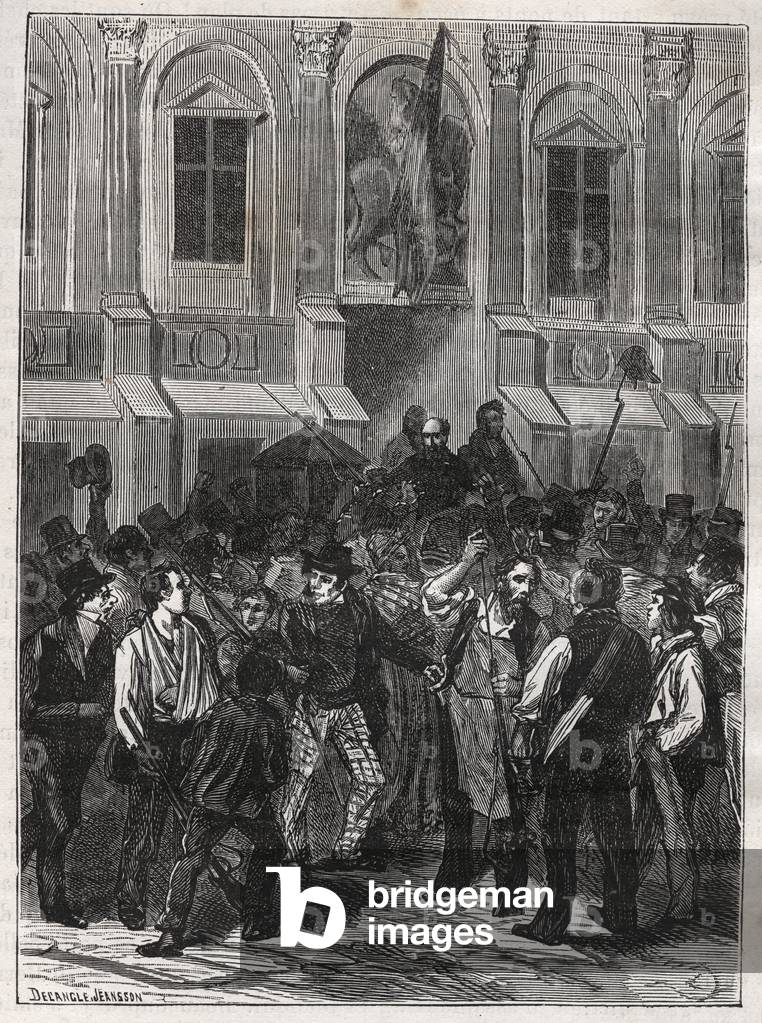
XEE4158270: Armand Barbes, French revolutionaire (1809-1870) before his arrest on 12 May 1839 - Engraving of 1882 in “Histoire de dix ans: 1830-1840”” Louis-Blanc (1811-1882), Unknown Artist, (19th century) / Bridgeman Images
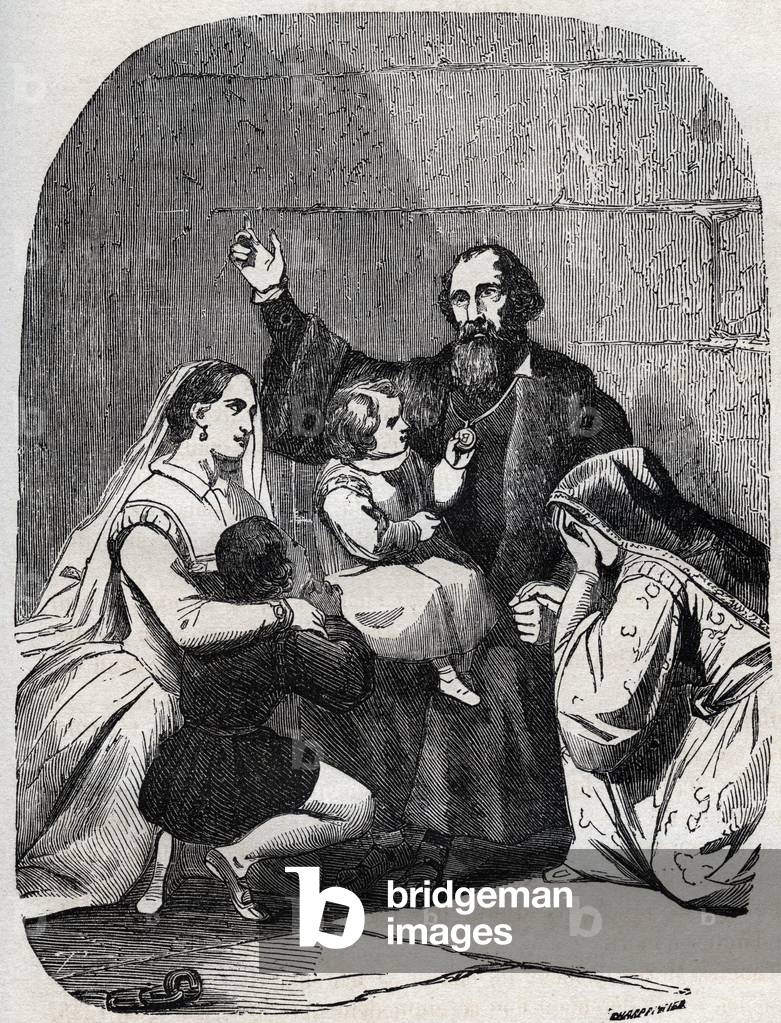
XEE4158326: Sir Thomas More (Morus) (1478-1535) and his daughter Margaret and childrens in prison, 1535 - engraving, Unknown Artist, (19th century) / Bridgeman Images

XEE4159271: the Greco-Turkish War of 1897 (the Thirty Days' War) (print), Unknown Artist, (19th century) / Bridgeman Images

XEE4159464: Risorgimento - Celebration of Te Deum in Milan Cathedral at presence of kings of Italy and France, 1859 - Napoleon III (1808-73) and Victor Emmanuel II (1820-78) -, Unknown Artist, (19th century) / Bridgeman Images

XEE4159485: Alexandre-Albert (Alexandre Albert) Martin, known as the labourer Albert 1815-1895 French politician, Unknown Artist, (19th century) / Bridgeman Images

JLJ4642009: Joseph De Maistre, 19th century (engraving), Unknown Artist, (19th century) / Bridgeman Images
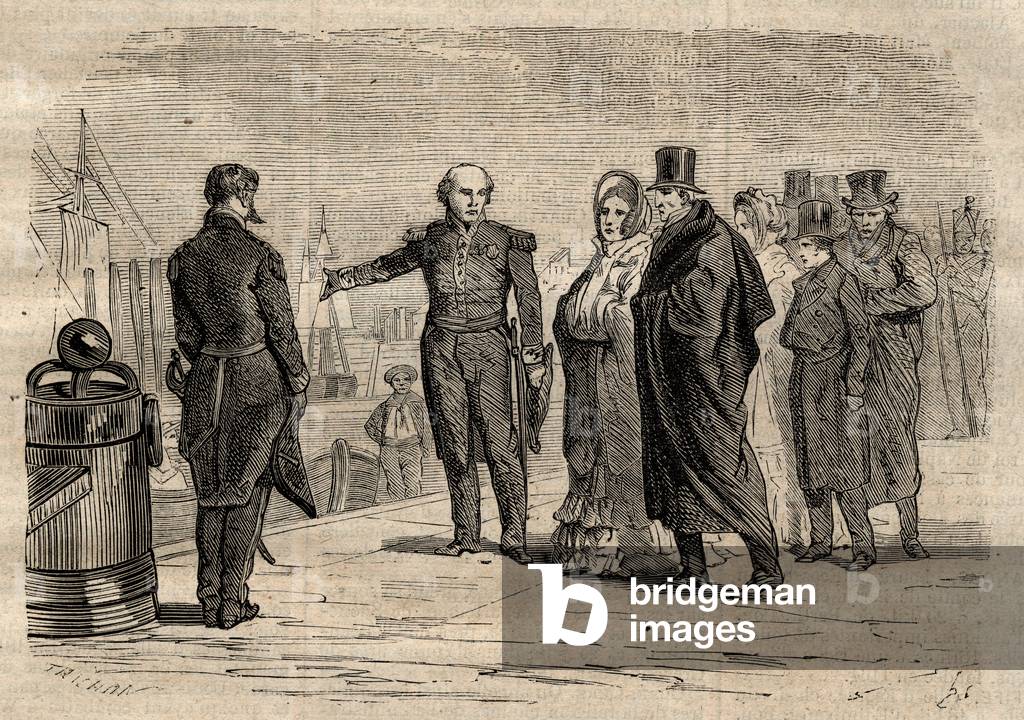
XEE4160039: Jules Dumont d'Urville (1790-1842) driving Charles X and the royal family in England 16 August 1830 - engraving in “Dictionnaire populaire illustrious” - 1864 - by Joseph Decembre and Edmond Allonier -, Unknown Artist, (19th century) / Bridgeman Images

XEE4160068: Rene Duguay Trouin (Duguay-Trouin) (Rene Trouin du Gue dit) (1673-1736) receiving the cross of Saint-Louis from the hands of King Louis XIV - engraving in “” Dictionnaire populaire illustrious”” - 1864 - by Joseph Decembre and Edmond Allonier -, Unknown Artist, (19th century) / Bridgeman Images
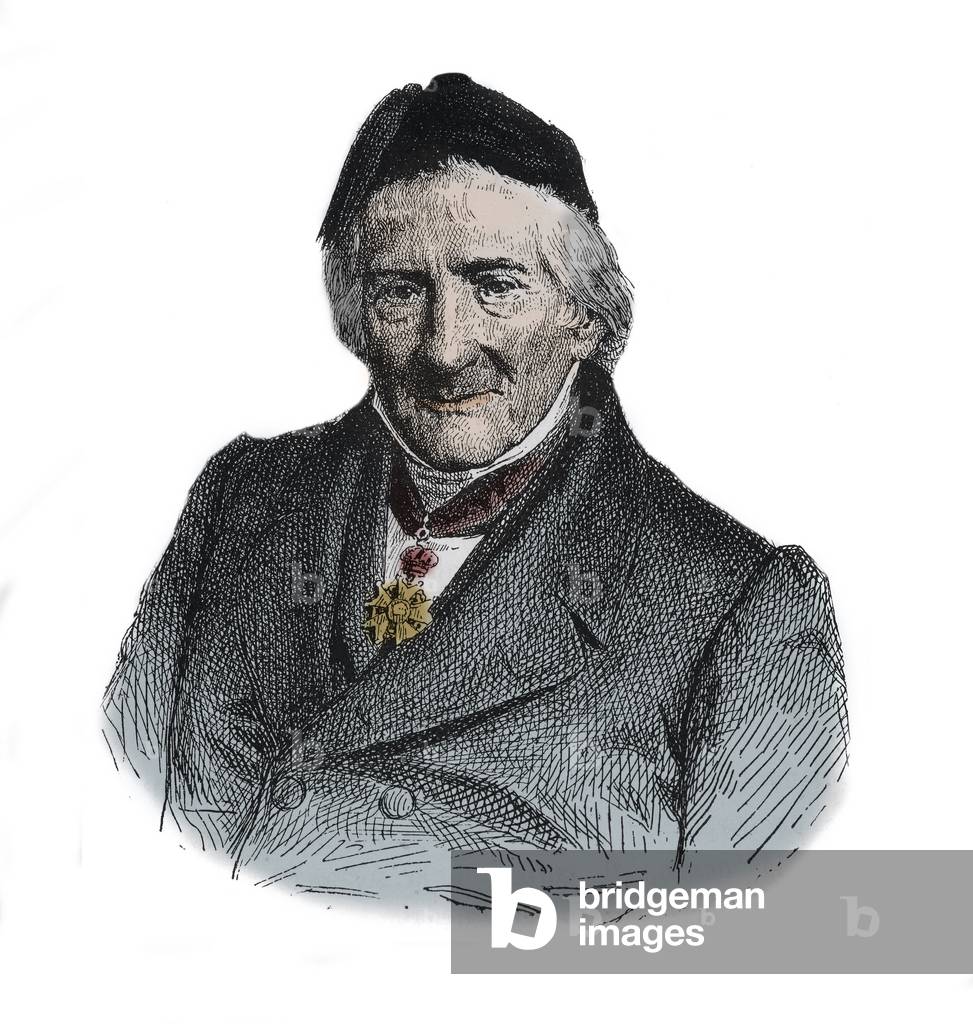
XEE4160099: Portrait of the English doctor Jacques Lordat (1773-1870), Unknown Artist, (19th century) / Bridgeman Images

GIA4745601: A Parsi, a fire-worshiper, descending from the Zoroastrians (Zarathustra, Zarathushtra, Zarathustra or Zoroastra)., Unknown Artist, (19th century) / Bridgeman Images

GIA4745626: Portrait of Charles IV the Bel (c. 1294 - 1328), King of France and Navarre engraving 1830, Unknown Artist, (19th century) / Bridgeman Images

GIA4745914: Portrait of Marie Therese of Austria (1638 - 1683), Queen of France., Unknown Artist, (19th century) / Bridgeman Images

GIA4746239: Portrait of Honore Gabriel (Honore-Gabriel) Riqueti, Earl of Mirabeau (1749-1791), French politician. engraving of 1830, Unknown Artist, (19th century) / Bridgeman Images