
Print Friendly Version Page

2497525 Search Results

15th century grave wood illustrating a fable of Esope “” the young son and the common woman”” - a young man offers a flower (pink) to a young girl (Thays or Thais) in a garden - courteous love - flirt - tale florets - -

PCT4287665: 15th century grave wood illustrating a fable of Esope “” the young son and the common woman”” - a young man offers a flower (pink) to a young girl (Thays or Thais) in a garden - courteous love - flirt - tale florets - - / Bridgeman Images
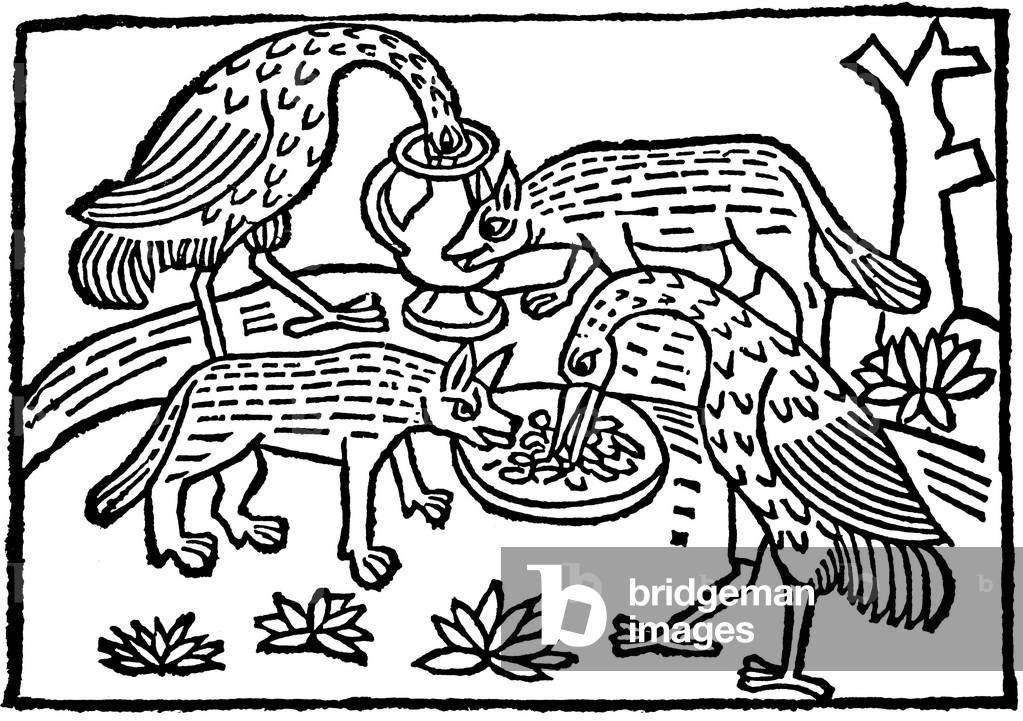
15th century grave wood illustrating a fable by Esop “the fox and the stork””, inspired by one of the fables of La Fontaine “the fox and the stork” -

PCT4287683: 15th century grave wood illustrating a fable by Esop “the fox and the stork””, inspired by one of the fables of La Fontaine “the fox and the stork” - / Bridgeman Images
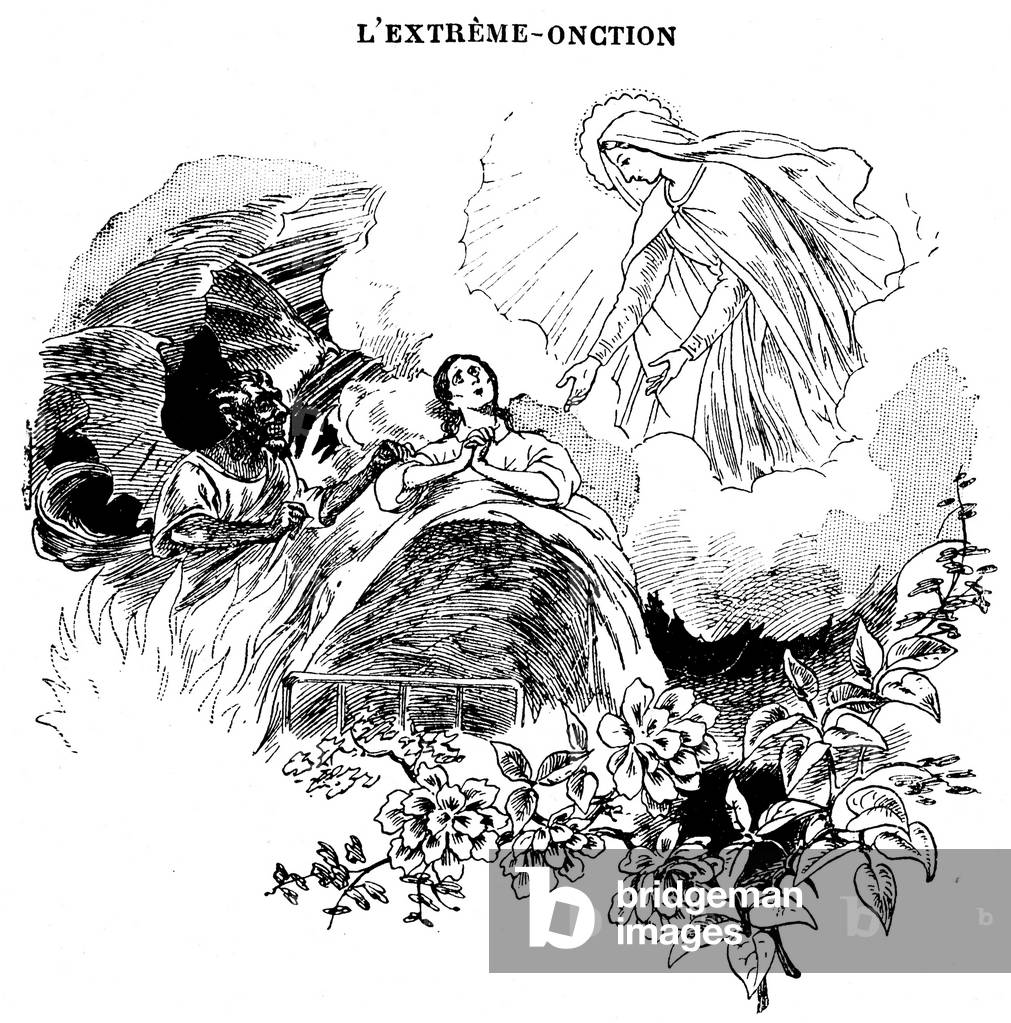
Extreme ontion (extreme anointing, last sacraments): the Virgin Mary and the Devil (Satan) fight for the soul of a dying woman - death, Catholic religion - superstition - Heaven (Paradise) and Hell, good and evil - devotion, depart, beyond - engraving from a religious book beginning in the 20th century -

PCT4287397: Extreme ontion (extreme anointing, last sacraments): the Virgin Mary and the Devil (Satan) fight for the soul of a dying woman - death, Catholic religion - superstition - Heaven (Paradise) and Hell, good and evil - devotion, depart, beyond - engraving from a religious book beginning in the 20th century - / Bridgeman Images
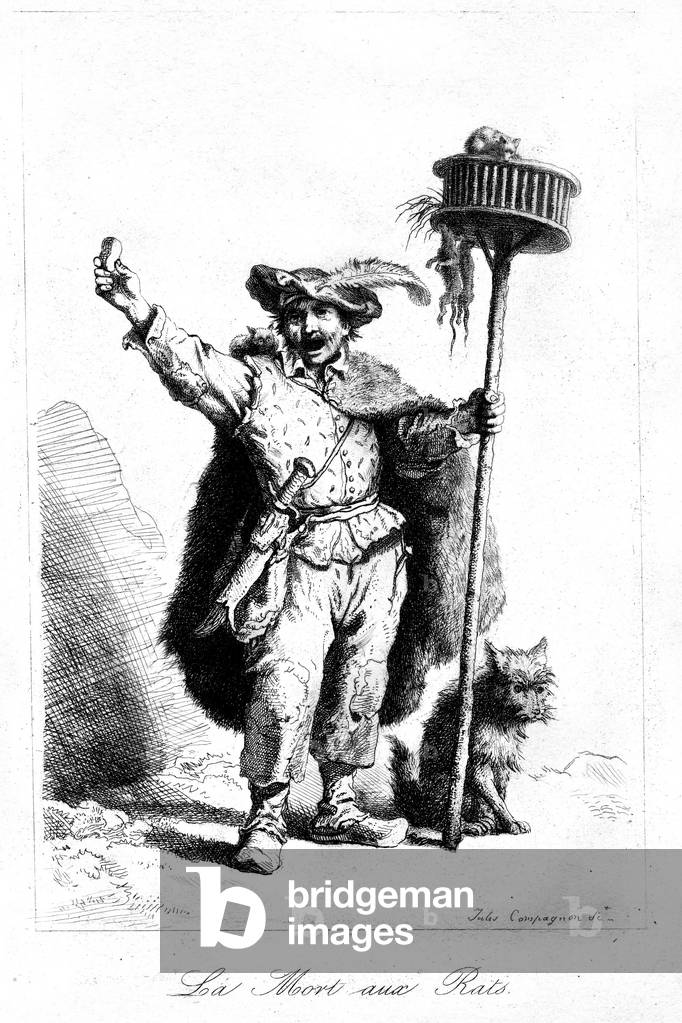
Small metier: peddler - dead man to rats with his dog - rat - poison - engraving of the 19th century -

PCT4287490: Small metier: peddler - dead man to rats with his dog - rat - poison - engraving of the 19th century - / Bridgeman Images
illustration by Wheat of Victor Hugo's book “” Children”” (the book of the mothers, poems) edition Hetzel end 19th century -

PCT4287887: illustration by Wheat of Victor Hugo's book “” Children”” (the book of the mothers, poems) edition Hetzel end 19th century - / Bridgeman Images

Bougival: the seine at the beg of the 20th century (postcard)

PCT4288072: Bougival: the seine at the beg of the 20th century (postcard) / Bridgeman Images

Man sitting in front of a desk writing - writer, copyist - writing - detail of a 15th century grave wood -

PCT4287647: Man sitting in front of a desk writing - writer, copyist - writing - detail of a 15th century grave wood - / Bridgeman Images
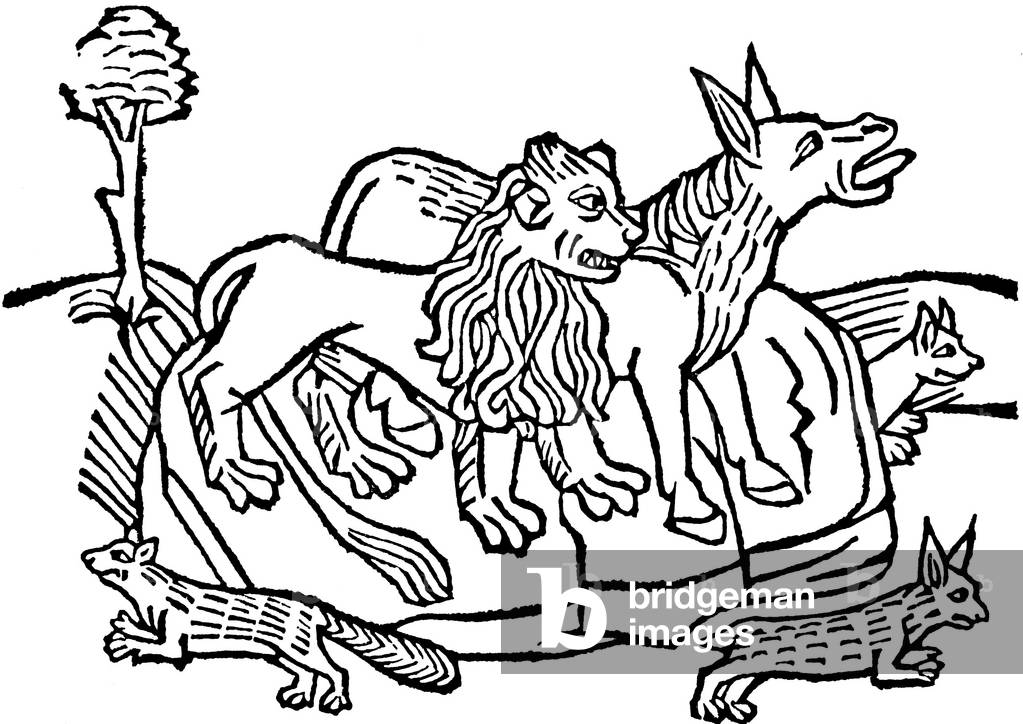
15th century grave wood illustrating a fable by Esope “the lion and the donkey hunting”, which inspired the fable of La Fontaine eponymme after being taken over by the Latin fabulist Phedre -

PCT4287674: 15th century grave wood illustrating a fable by Esope “the lion and the donkey hunting”, which inspired the fable of La Fontaine eponymme after being taken over by the Latin fabulist Phedre - / Bridgeman Images

Destruction (demolition, demantelement) of the Bastille, 1789 to 1791 - Revolution Francaise - Illustration of Job (Jacques Marie Gaston Onfroy de Breville) (1858-19131) for the book “La Cantiniere “” by G. Montorgueil, circa 1900 -

PCT4288155: Destruction (demolition, demantelement) of the Bastille, 1789 to 1791 - Revolution Francaise - Illustration of Job (Jacques Marie Gaston Onfroy de Breville) (1858-19131) for the book “La Cantiniere “” by G. Montorgueil, circa 1900 -, Job, pseudonym for Onfray de Breville, Jacques (1858-1931) / Bridgeman Images

Paris, 13 February 1932, ministerial crisis: Edouard Herriot (1872-1957) interviewed by journalists at the exit of the Elysee - Press photography of the Rol agency (Paris 1904-1937) -

PCT4287851: Paris, 13 February 1932, ministerial crisis: Edouard Herriot (1872-1957) interviewed by journalists at the exit of the Elysee - Press photography of the Rol agency (Paris 1904-1937) - / Bridgeman Images

First World War 1914-1918 (1914, 1918, 14-18): postcard sent in 1915 - What is a Boche? (letter from a Hairy to his child) - sonnet by Andre Soriac insulting the German soldier - insult - hatred - xenophobia - military propaganda -

PCT4287520: First World War 1914-1918 (1914, 1918, 14-18): postcard sent in 1915 - What is a Boche? (letter from a Hairy to his child) - sonnet by Andre Soriac insulting the German soldier - insult - hatred - xenophobia - military propaganda - / Bridgeman Images
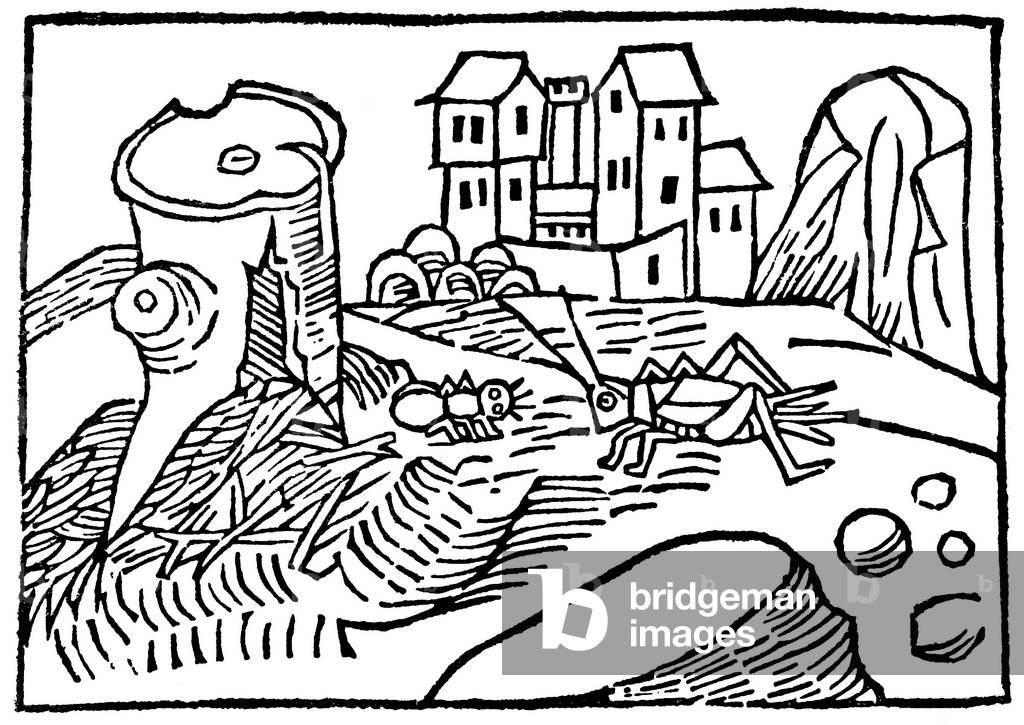
“the cicada and the ant”, after Esope's fable, 15th century (engraving)

PCT4287641: “the cicada and the ant”, after Esope's fable, 15th century (engraving) / Bridgeman Images

15th century grave wood illustrating a fable by Esope “the fox and the grapes”, which inspired the fable of La Fontaine eponym -

PCT4287670: 15th century grave wood illustrating a fable by Esope “the fox and the grapes”, which inspired the fable of La Fontaine eponym - / Bridgeman Images

Young German soldier in uniform with a pointed helmet posing for photography - original photographic print of 1916- First World War 14-18 (1914-1918) - German army -

PCT4287740: Young German soldier in uniform with a pointed helmet posing for photography - original photographic print of 1916- First World War 14-18 (1914-1918) - German army - / Bridgeman Images
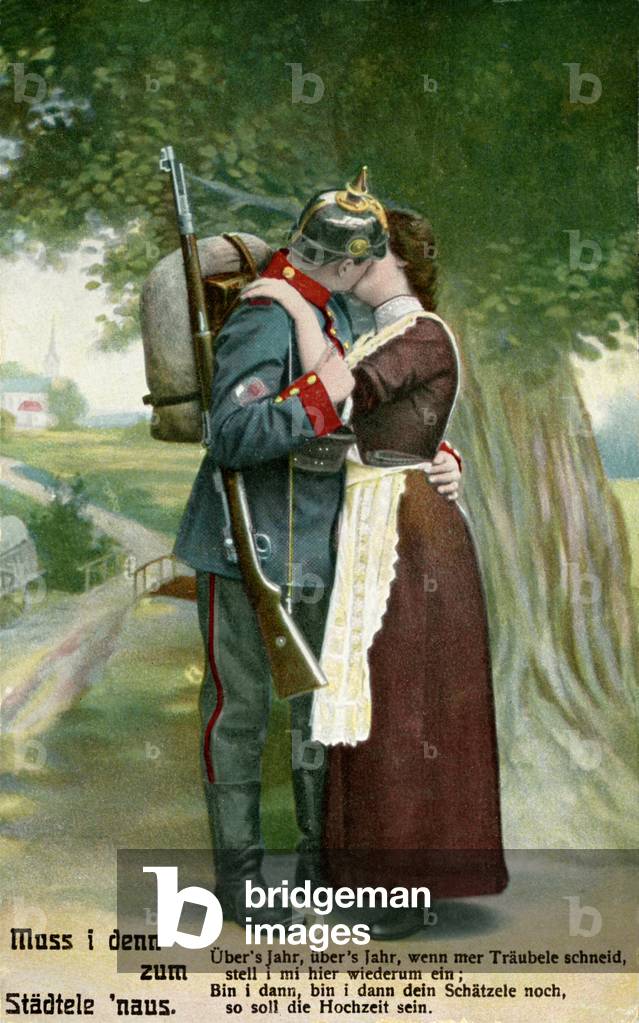
First World War 14-18 (1914-1918) - German soldier wearing a tip helmet kissing his wife (or fiancee) before going to battle - German postcard sent in 1917 -” muss i denn zum stadtele 'naus” (hinaus) German popular starting song (farewell) -

PCT4286555: First World War 14-18 (1914-1918) - German soldier wearing a tip helmet kissing his wife (or fiancee) before going to battle - German postcard sent in 1917 -” muss i denn zum stadtele 'naus” (hinaus) German popular starting song (farewell) - / Bridgeman Images
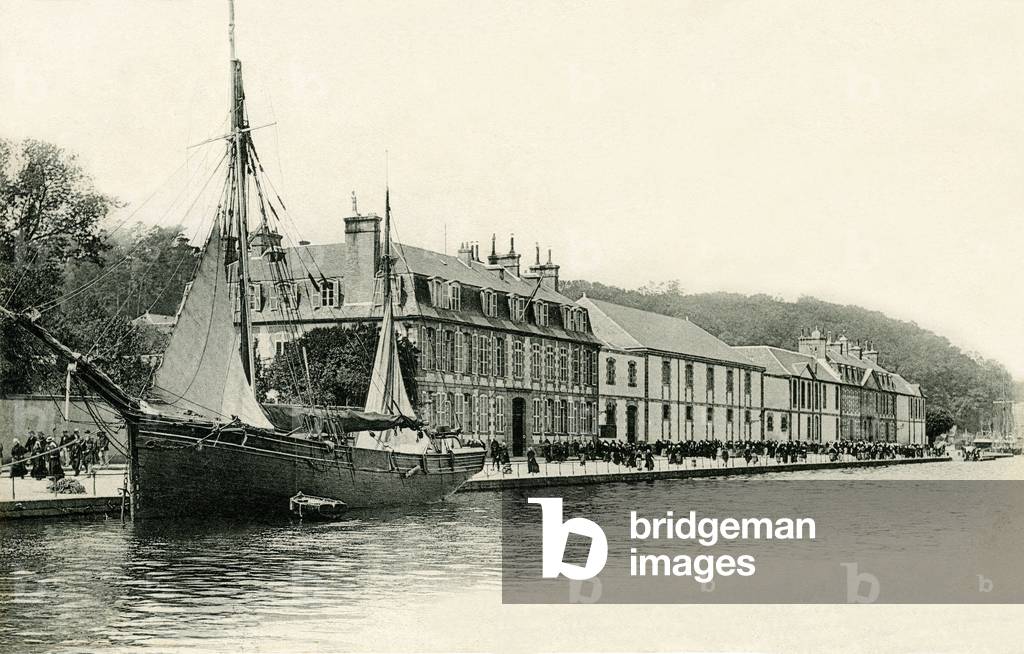
Morlaix: the wharves and the Tobacco Manufacture - exit from the cigarieres - boat - sailboat - Brittany, Finistere - tobacco - postcard Andrieu sent in 1904 -

PCT4286548: Morlaix: the wharves and the Tobacco Manufacture - exit from the cigarieres - boat - sailboat - Brittany, Finistere - tobacco - postcard Andrieu sent in 1904 - / Bridgeman Images

First World War 1914-1918 (14-18): French soldiers (hairy) with their dog (mascot) in front of their “cagna” (hut or makeshift shelter brought into or near the trench, made of recuperation materials, here planks and tarpaulin canvas) - trench - front - negative anonymous photographic, private collection -

PCT4285817: First World War 1914-1918 (14-18): French soldiers (hairy) with their dog (mascot) in front of their “cagna” (hut or makeshift shelter brought into or near the trench, made of recuperation materials, here planks and tarpaulin canvas) - trench - front - negative anonymous photographic, private collection -, Unknown photographer, (20th century) / Bridgeman Images
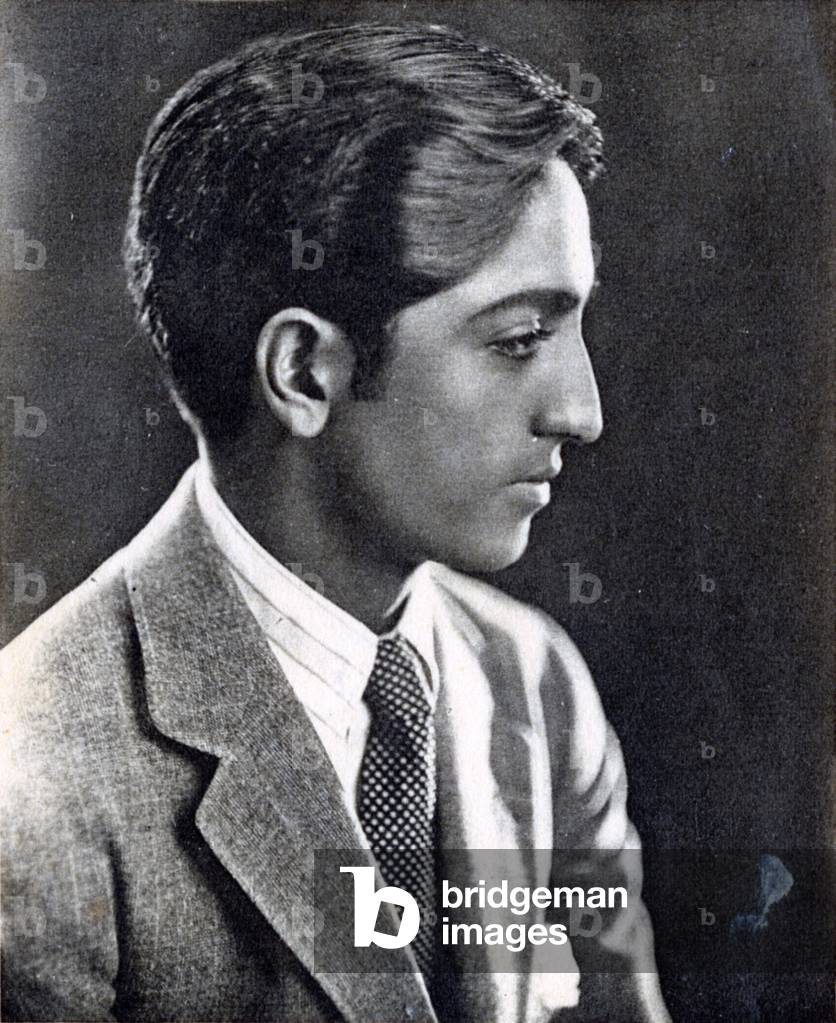
Portrait of the Indian philosopher Jiddu Krishnamurti (1895-1986), photography around 1920.

PCT4286673: Portrait of the Indian philosopher Jiddu Krishnamurti (1895-1986), photography around 1920. / Bridgeman Images

A black flag: Chinese bandit and pirate at Tonkin in 1873 - colony - colonialism - Illustration of the book by Emile Lavisse “Tu will soldier”, Armand Colin 1899 - History of a French soldier, stories and patriotic lecons of military education and instruction -

PCT4286746: A black flag: Chinese bandit and pirate at Tonkin in 1873 - colony - colonialism - Illustration of the book by Emile Lavisse “Tu will soldier”, Armand Colin 1899 - History of a French soldier, stories and patriotic lecons of military education and instruction - / Bridgeman Images

Title page of Emile Lavisse's book “” Tu seras soldat””, Armand Colin 1899 - Histoire d'un soldat francais, recits et lecons patriotiques d'instruction et d'education militaire - honour et patriotisme - in a classroom (school), the teacher encourages students to make careers in the army -

PCT4286765: Title page of Emile Lavisse's book “” Tu seras soldat””, Armand Colin 1899 - Histoire d'un soldat francais, recits et lecons patriotiques d'instruction et d'education militaire - honour et patriotisme - in a classroom (school), the teacher encourages students to make careers in the army - / Bridgeman Images

Illustration of the book by Emile Lavisse “Tu will soldier”, Armand Colin 1899

PCT4286821: Illustration of the book by Emile Lavisse “Tu will soldier”, Armand Colin 1899 / Bridgeman Images

The art of description in Honore de Balzac: portrait of Goupil, character of the novel Ursule Mirouet, cycle of Scenes de la vie de province (La Comedie Humaine) “” Also his face seemed to belong to a hunchback whose hump had been inside”” - engraving by Celestin Nanteuil in the edition Houssiaux 1853 -

PCT4286669: The art of description in Honore de Balzac: portrait of Goupil, character of the novel Ursule Mirouet, cycle of Scenes de la vie de province (La Comedie Humaine) “” Also his face seemed to belong to a hunchback whose hump had been inside”” - engraving by Celestin Nanteuil in the edition Houssiaux 1853 - / Bridgeman Images

Sainte Barbe (Sainte-Barbe - Barbara) patron saint of miners, firefighters, gunners, artificial, geologists... chromolitography (chromo) early 20th century -

PCT4286077: Sainte Barbe (Sainte-Barbe - Barbara) patron saint of miners, firefighters, gunners, artificial, geologists... chromolitography (chromo) early 20th century - / Bridgeman Images
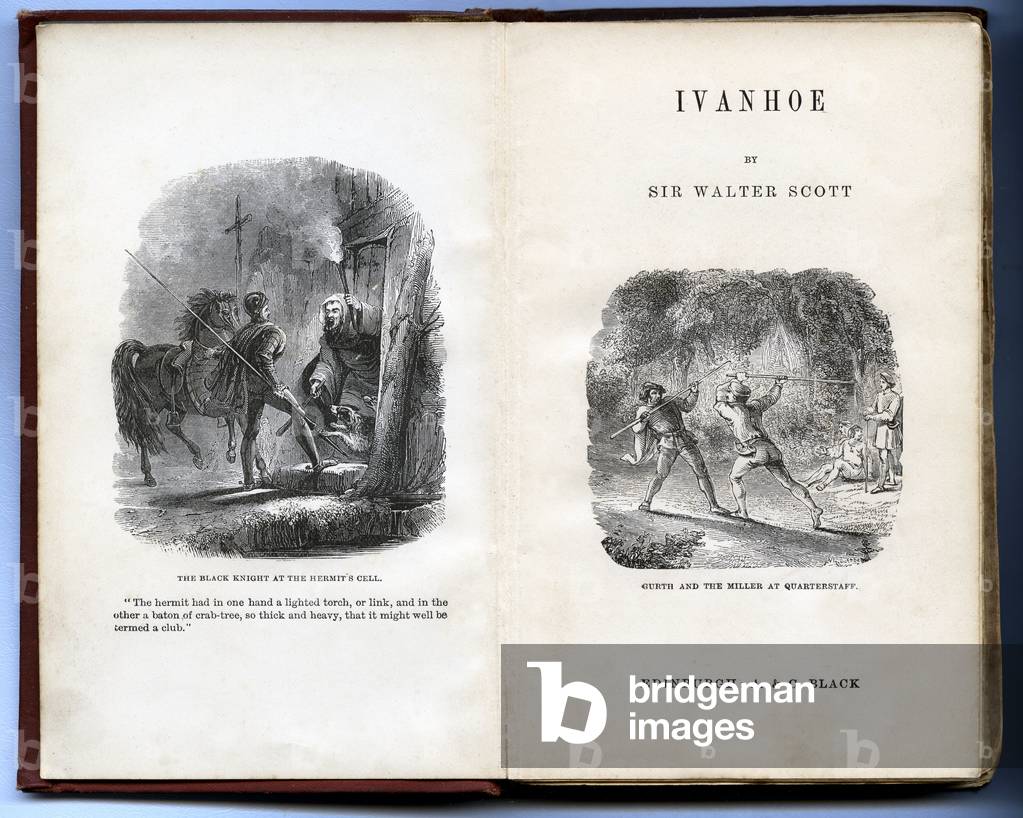
Title page and frontispiece of a 19th century English edition of the novel “Ivanhoe” by Walter Scott (1771-1832), Scottish writer - on the left the black knight appears at the hermit's, on the right quarterstaff quarterstaff battle between the Saxon Ecuyer Gurth and the brigand The Miller (the thief Meunier) - Yeah.

PCT4286172: Title page and frontispiece of a 19th century English edition of the novel “Ivanhoe” by Walter Scott (1771-1832), Scottish writer - on the left the black knight appears at the hermit's, on the right quarterstaff quarterstaff battle between the Saxon Ecuyer Gurth and the brigand The Miller (the thief Meunier) - Yeah. / Bridgeman Images

Group of French soldiers, c.19th-20th century (photo)

PCT4286222: Group of French soldiers, c.19th-20th century (photo) / Bridgeman Images

Good ways: thank, say thank you, gratitude, greeting, greeting, politeness - engraving by Gavarni, 19th century -

PCT4286274: Good ways: thank, say thank you, gratitude, greeting, greeting, politeness - engraving by Gavarni, 19th century - / Bridgeman Images
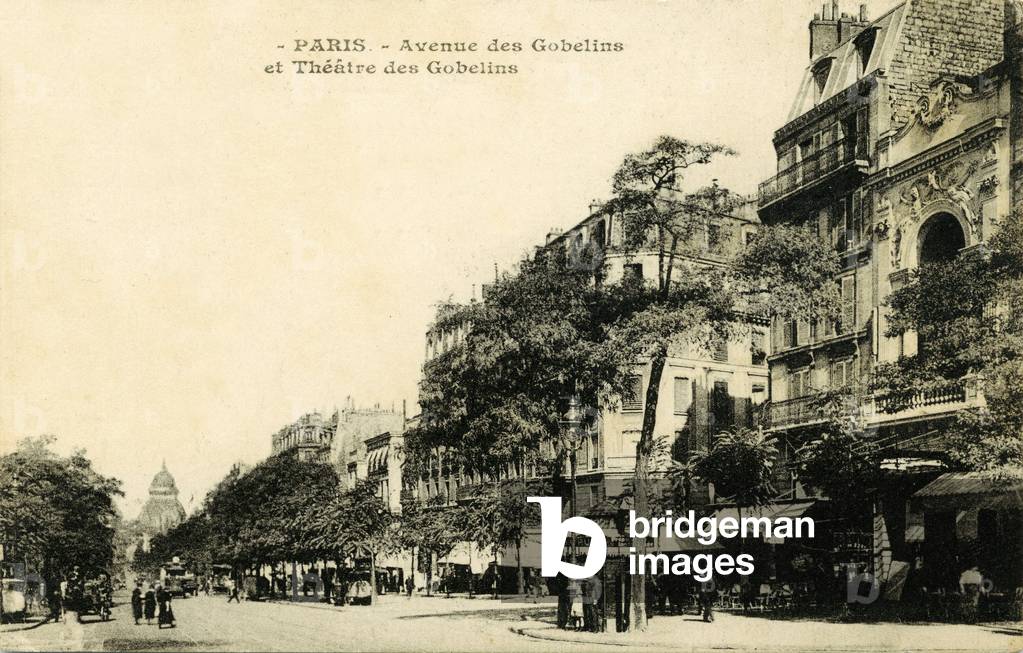
Avenue et Theatre des Gobelins in Paris, 13th, 13th arrondissement - postcard beginning 20th century -

PCT4286353: Avenue et Theatre des Gobelins in Paris, 13th, 13th arrondissement - postcard beginning 20th century - / Bridgeman Images

First World War 14-18 (1914-1918) - German soldier wearing a tip helmet saying “goodbye” to his wife (or fiancee) before going to battle - Zieht im Herbst die Lerche fort - “” Bei des Fruhlings Wiederkehr kommt die Lerch zuruck und Erinn'rung bringt sie her von vergangnem Gluck “” - song German people's departure (farewell) from the 19th century - German postcard framed in the colours of the German flag of the period: black, white and red -

PCT4286553: First World War 14-18 (1914-1918) - German soldier wearing a tip helmet saying “goodbye” to his wife (or fiancee) before going to battle - Zieht im Herbst die Lerche fort - “” Bei des Fruhlings Wiederkehr kommt die Lerch zuruck und Erinn'rung bringt sie her von vergangnem Gluck “” - song German people's departure (farewell) from the 19th century - German postcard framed in the colours of the German flag of the period: black, white and red -, Unknown photographer, (20th century) / Bridgeman Images

Picturesque and touristic route of the Combe-Laval (Combe Laval) Drome (Vercors, Dauphine, Lente Forest) built in 1896 by the Forestry Administration at the evirons of St Jean-en-Royans (Saint Jean en Royans) - a young elegant tourist contemplating the landscape from the parapet against which a pile of pebbles from the drilling works of rock -

PCT4286952: Picturesque and touristic route of the Combe-Laval (Combe Laval) Drome (Vercors, Dauphine, Lente Forest) built in 1896 by the Forestry Administration at the evirons of St Jean-en-Royans (Saint Jean en Royans) - a young elegant tourist contemplating the landscape from the parapet against which a pile of pebbles from the drilling works of rock - / Bridgeman Images

Illustration of the novel by Jules Renard (1864-1910): Carrot hair, written in 1894, 1924 (engraving)

PCT4287046: Illustration of the novel by Jules Renard (1864-1910): Carrot hair, written in 1894, 1924 (engraving), Poulbot, Francisque (1879-1946) / Bridgeman Images
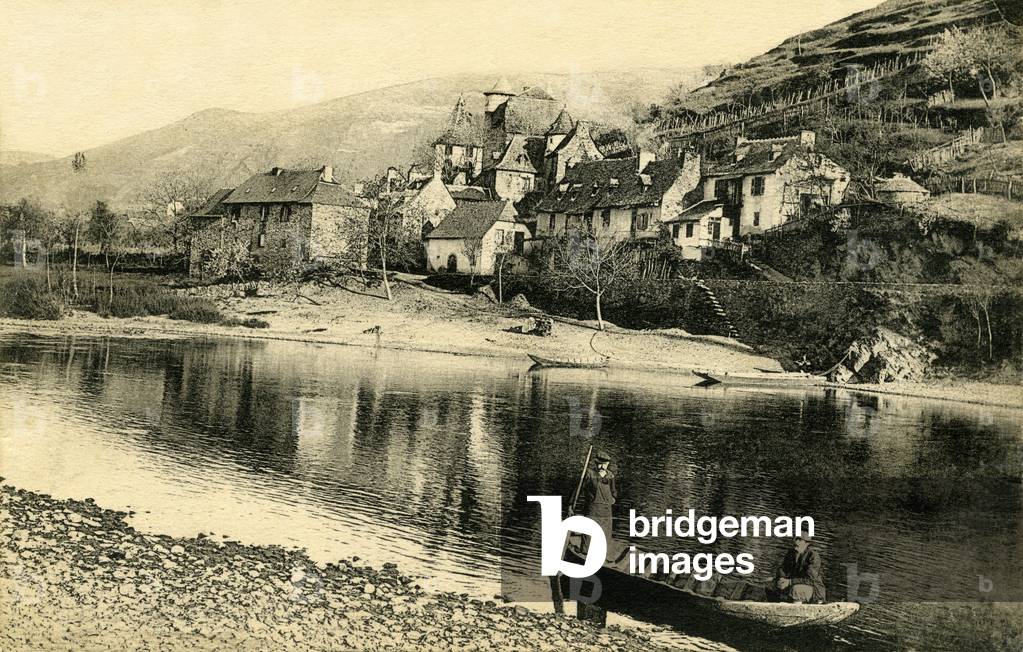
The banks of Lot a Veillevie (Vallee du Lot), Cantal, Auvergne: boat navigation - river - boat - postcard beginning 20th century -

PCT4287113: The banks of Lot a Veillevie (Vallee du Lot), Cantal, Auvergne: boat navigation - river - boat - postcard beginning 20th century - / Bridgeman Images

Toulouse (31, Haute-Garonne) - souvenir card with good luck and violets text (violet is the flower emblem of Toulouse “” pink city”) - horseshoe, swallow, Matabiau station - postcard sent in 1915 -

PCT4287165: Toulouse (31, Haute-Garonne) - souvenir card with good luck and violets text (violet is the flower emblem of Toulouse “” pink city”) - horseshoe, swallow, Matabiau station - postcard sent in 1915 - / Bridgeman Images

Les hyppophages (hippophages = eaters of horses), engraving by Honore Daumier (1808-1879) from the newspaper “” Le Charivari “”: “” It is in the best conditions... it is the real time to eat it! “” - mackerel - butcher - horse meat - food scandal -

PCT4286641: Les hyppophages (hippophages = eaters of horses), engraving by Honore Daumier (1808-1879) from the newspaper “” Le Charivari “”: “” It is in the best conditions... it is the real time to eat it! “” - mackerel - butcher - horse meat - food scandal -, Daumier, Honore (1808-79) / Bridgeman Images

Photographic pose session at the beginning of the twentieth century (20th century, circa 1900) - family photo: the father photographs the mother (his wife) posing in the courtyard of the house with their three daughters. The five characters look towards another photographer, for a portrait in the abime of the photographic act - period sepia photo print -

PCT4286700: Photographic pose session at the beginning of the twentieth century (20th century, circa 1900) - family photo: the father photographs the mother (his wife) posing in the courtyard of the house with their three daughters. The five characters look towards another photographer, for a portrait in the abime of the photographic act - period sepia photo print - / Bridgeman Images
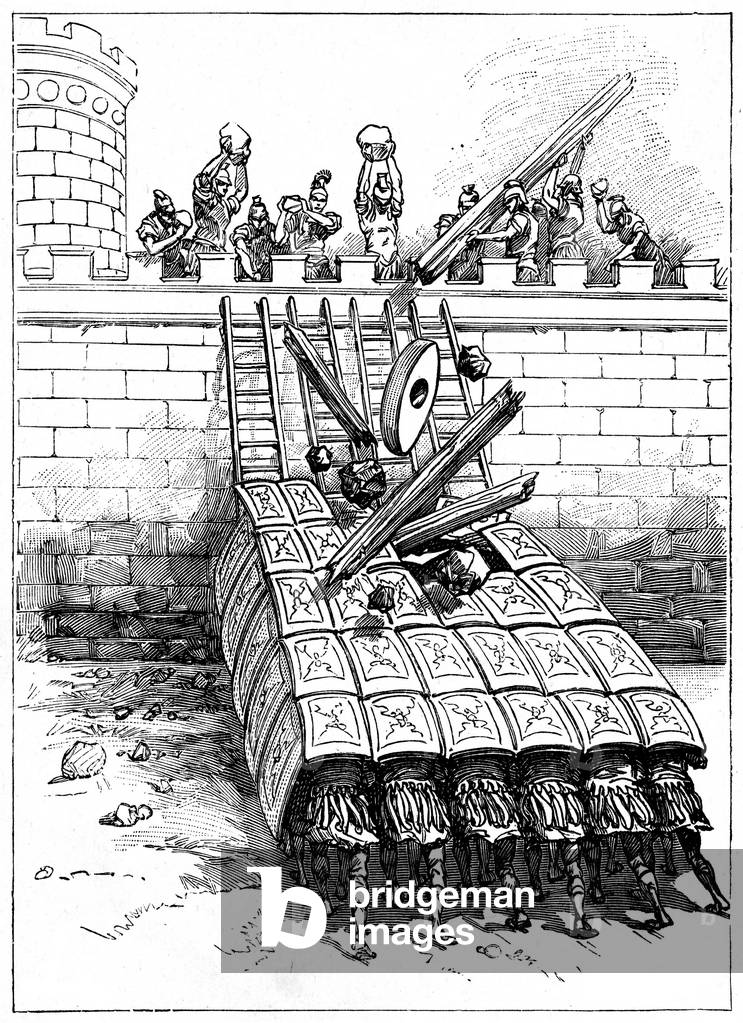
Armee besieging a fortified city of Roman Antiquity using the turtle's device to reach the walls. Assault of fortifications: the sieges try to stop the progression of the attackers by throwing beams, stones and even mill wheels on their shields - 19th century engraving -

PCT4286785: Armee besieging a fortified city of Roman Antiquity using the turtle's device to reach the walls. Assault of fortifications: the sieges try to stop the progression of the attackers by throwing beams, stones and even mill wheels on their shields - 19th century engraving - / Bridgeman Images

Illustration of the book by Emile Lavisse “Tu will soldier”, Armand Colin 1899 -

PCT4286823: Illustration of the book by Emile Lavisse “Tu will soldier”, Armand Colin 1899 - / Bridgeman Images


Back to top