Unknown Artist, (19th century) Assets (17892 in total)
Results
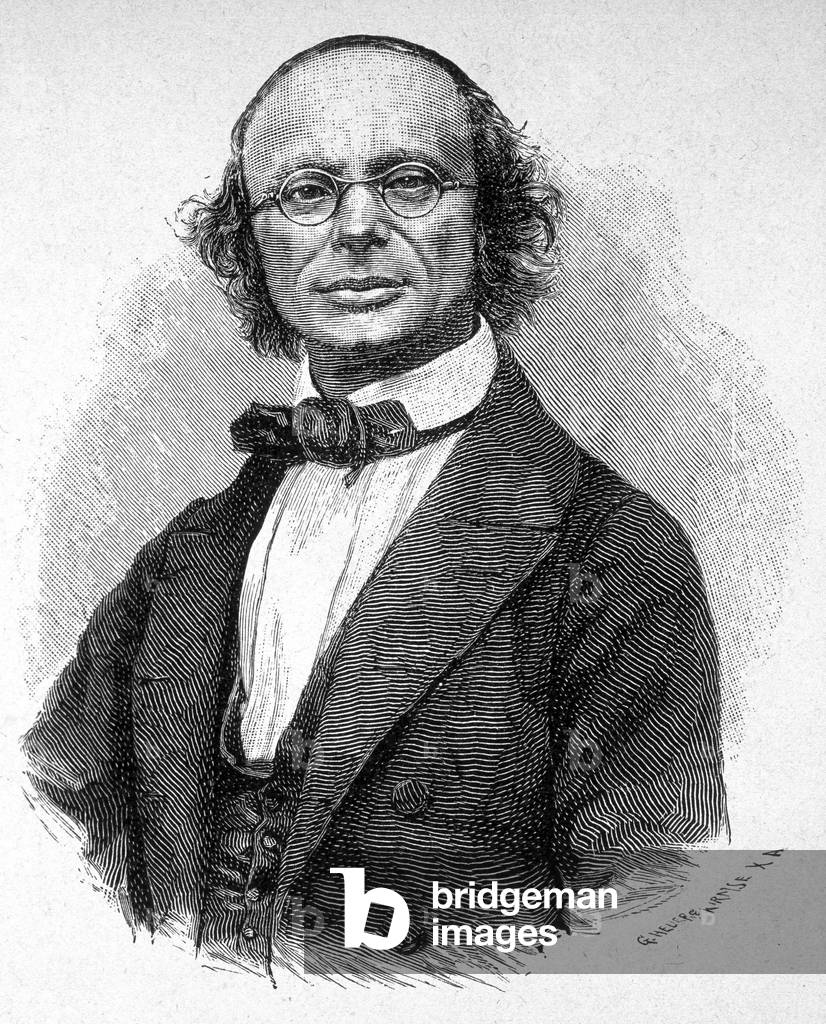
XEE4113711: Portrait of Wilhelm Weber (1804 - 1891) German physicist., Unknown Artist, (19th century) / Bridgeman Images

XEE4113714: Portrait of Hans Christian Oerested (Oersted or Orsted, 1777-1851), Danish physicist., Unknown Artist, (19th century) / Bridgeman Images
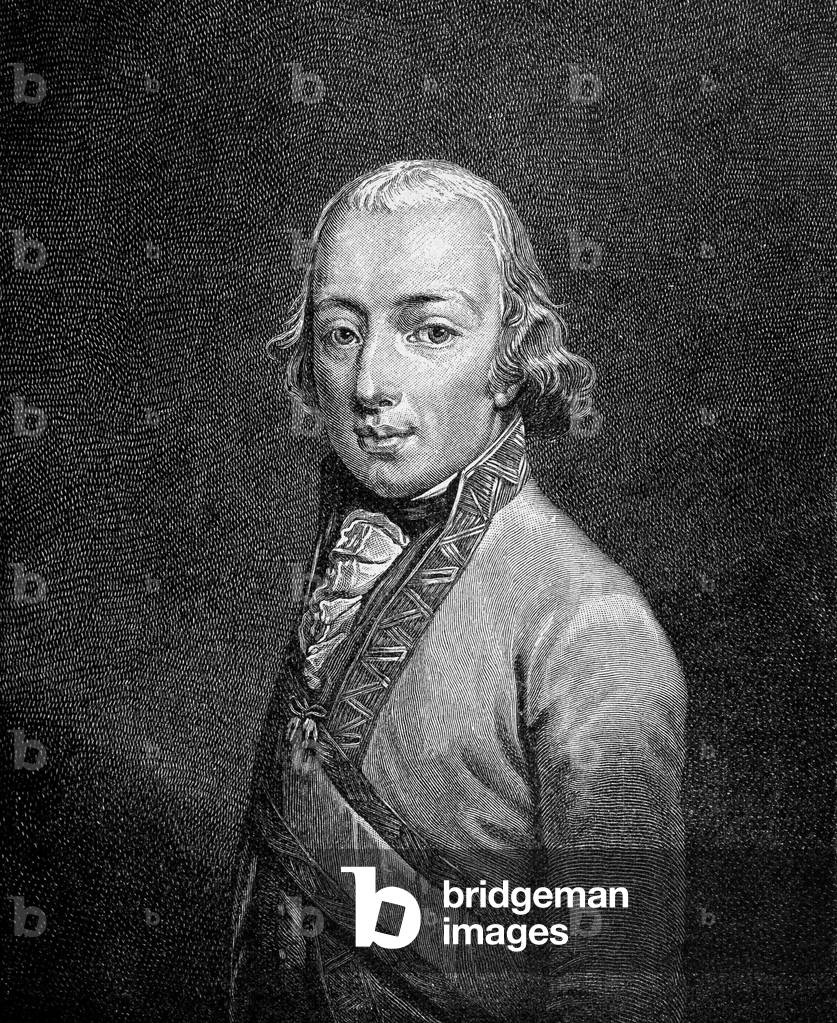
XEE4113721: Portrait of Charles of Habsburg, known as Archduke Charles (1771-1847), Austrian general., Unknown Artist, (19th century) / Bridgeman Images
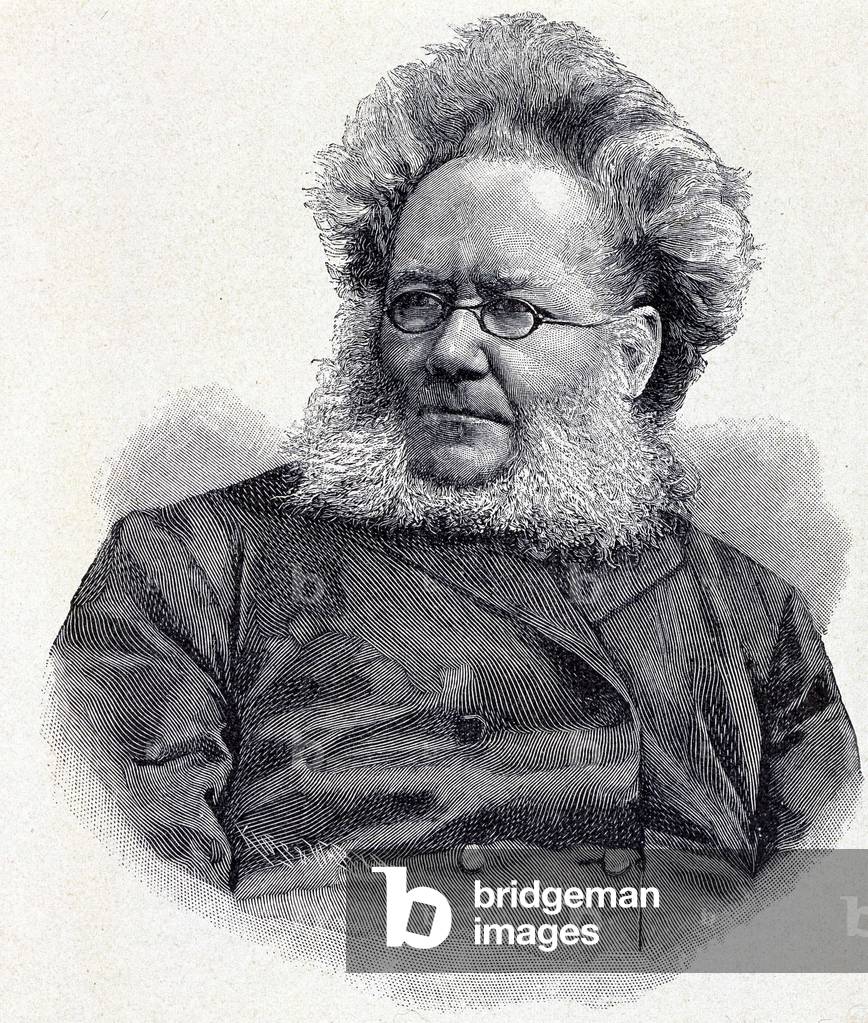
XEE4113928: Portrait of Henrik (Henri) Johan Ibsen (1828-1906), Norwegian poet and playwright, engraving 19th century, Unknown Artist, (19th century) / Bridgeman Images
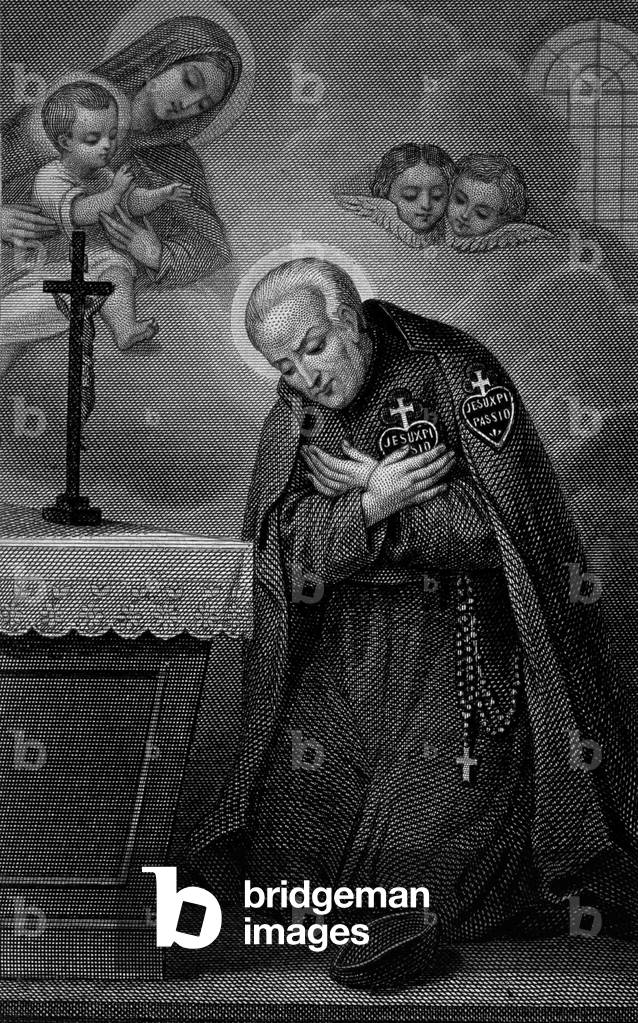
XEE4113941: Portrait of Saint Paul of the Cross. Engraving 19th century., Unknown Artist, (19th century) / Bridgeman Images
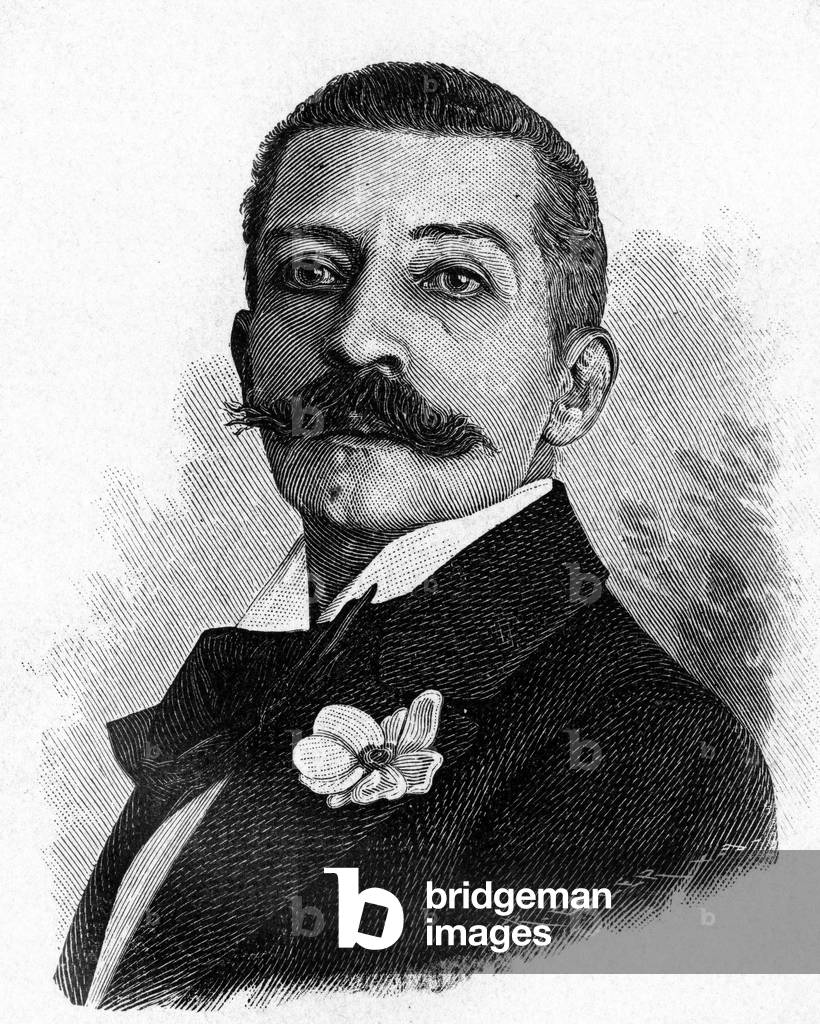
XEE4113961: Portrait of Pierre Loti (1850 - 1923), Unknown Artist, (19th century) / Bridgeman Images
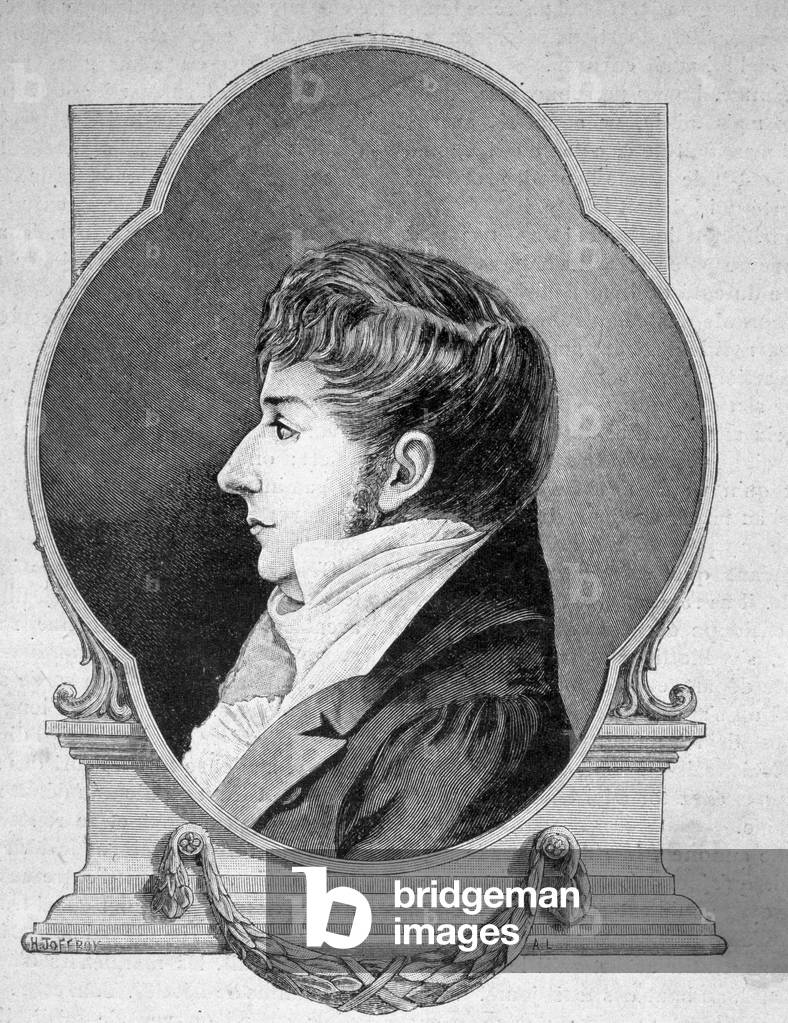
XEE4114171: Portrait of Tom Souville, Calaisian privateer (1777 - 1839) - in “” Les Contemporains””, n.d. late 19th century., Unknown Artist, (19th century) / Bridgeman Images
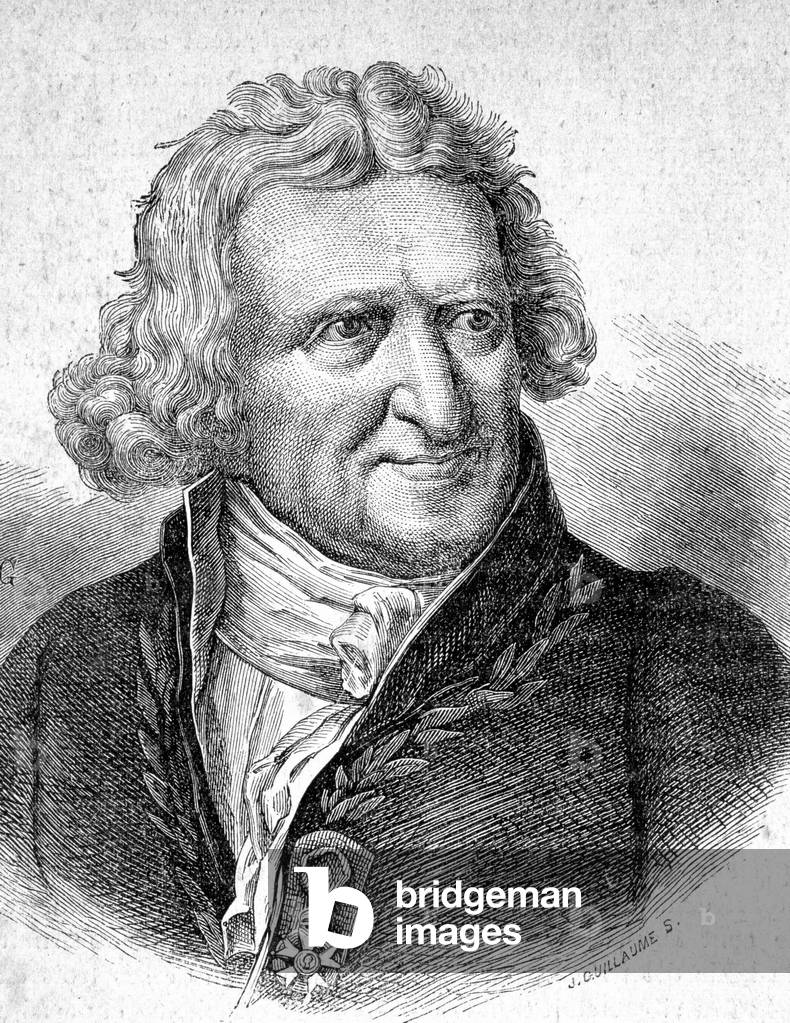
XEE4114185: Portrait of Antoine Augustin Parmentier (1737 - 1813), French military pharmacist and agronomist - in “” Les Contemporains””, n.d. late 19th century., Unknown Artist, (19th century) / Bridgeman Images
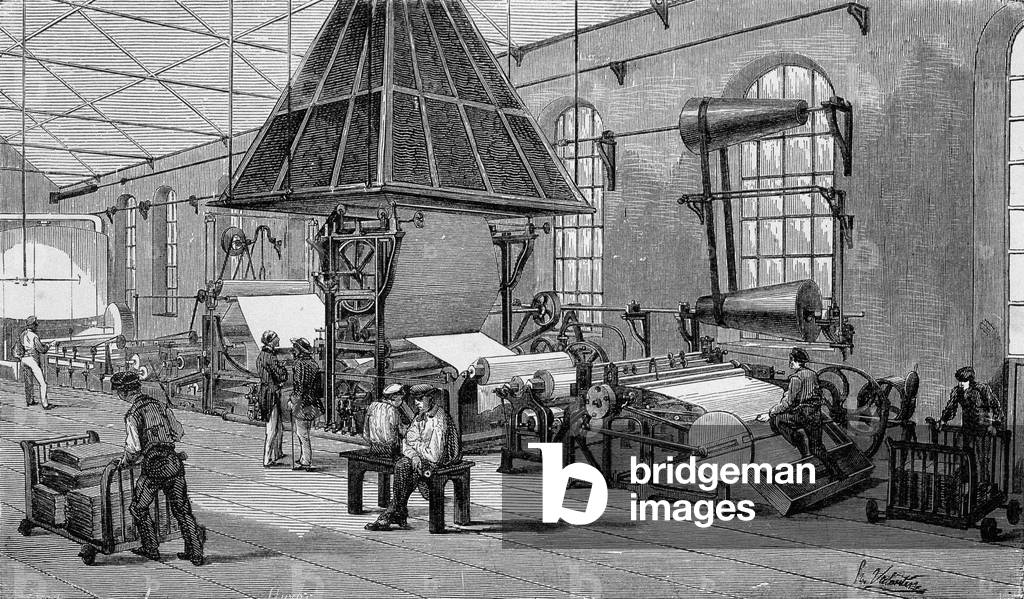
XEE4114232: Machine for making continuous paper. 19th century engraving., Unknown Artist, (19th century) / Bridgeman Images

XEE4114249: La Mode du 26 juillet 1834: (masculine fashion) sheet suit - trousers casimir - Redingote with velvet collar - vest of piqué - trousers taupe skin and top hat., Unknown Artist, (19th century) / Bridgeman Images

XEE4114273: Portrait of William Ewart Gladstone, John Bright, Lord Stanley, John Stuart Mill and Benjamin Disraeli - in “” The Contemporains”, n.d. late 19th century., Unknown Artist, (19th century) / Bridgeman Images
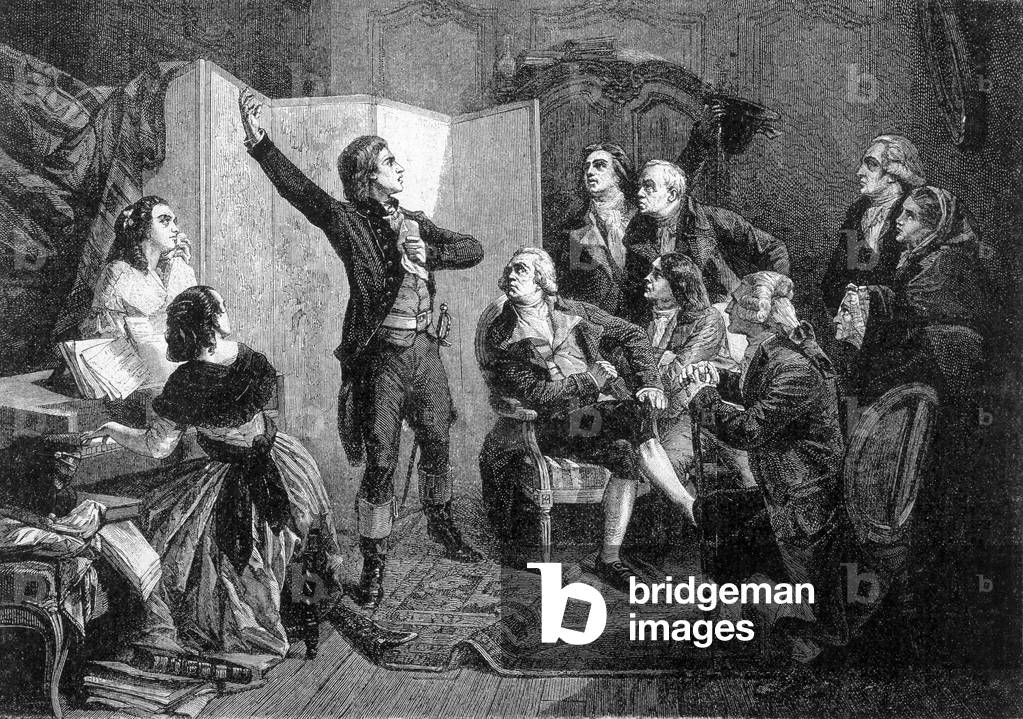
XEE4114296: Rouget de lisle ((Rouget de L'isle, 1760-1836) singing the “” Marseillaise”” at Dietrich - in “” Les Contemporains””, n.d. late 19th century., Unknown Artist, (19th century) / Bridgeman Images
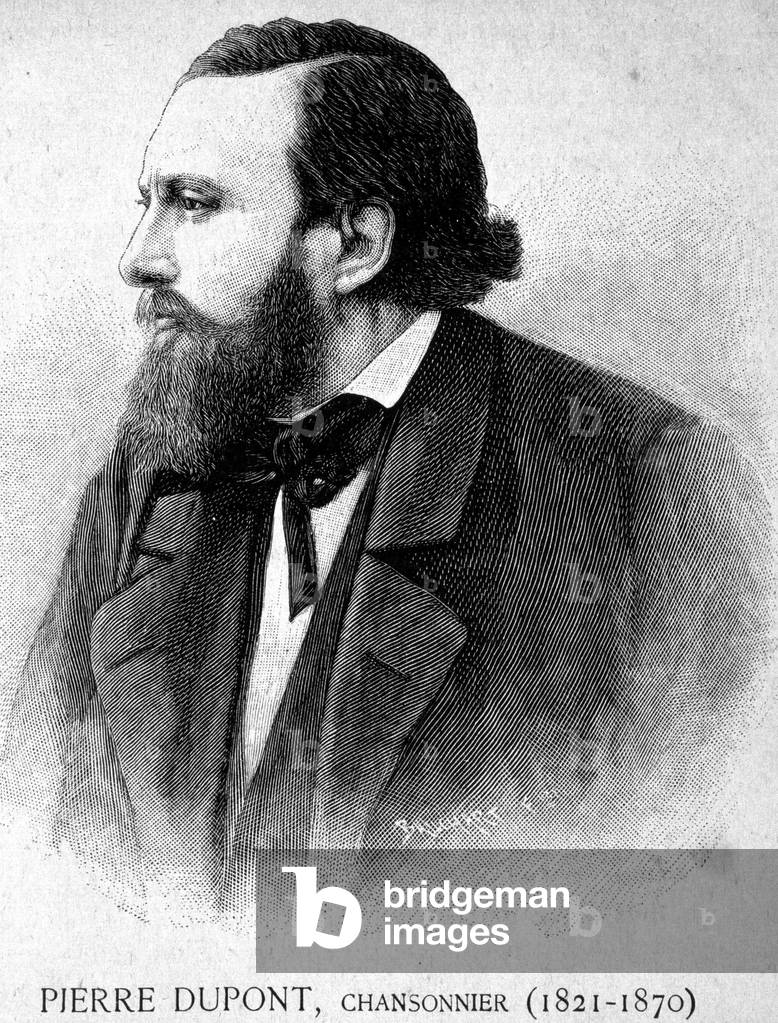
XEE4114300: Portrait of Pierre Dupont, Chansonnier (1821 -1870) - in “” Les Contemporains””, n.d. late 19th century., Unknown Artist, (19th century) / Bridgeman Images
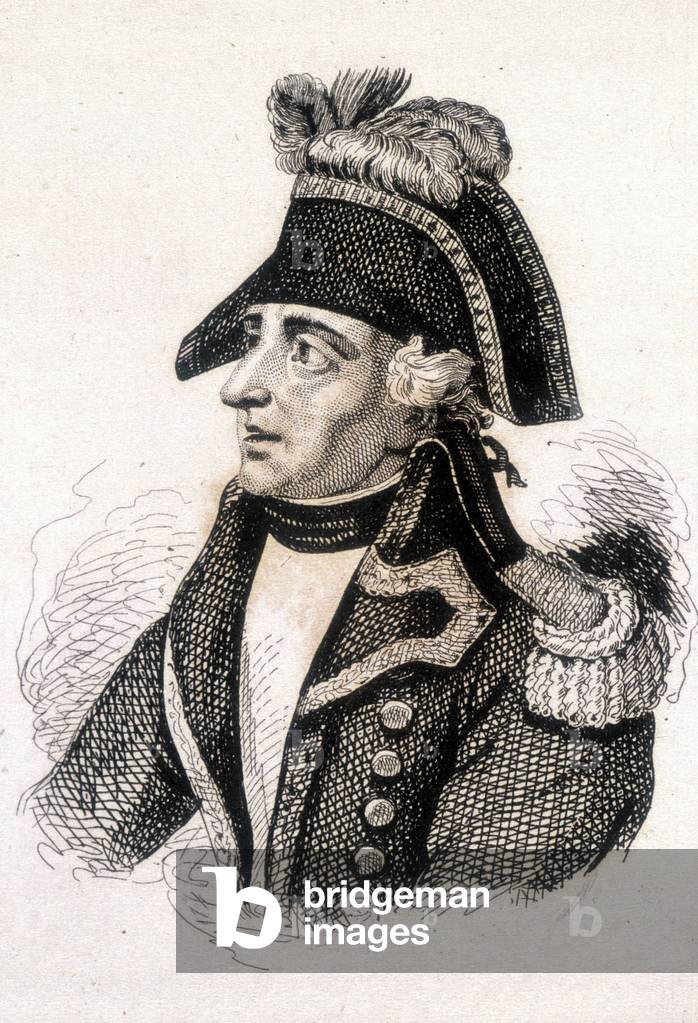
XEE4114418: Portrait of Jacques Francois Coquille, dit Dugommier (1739 - 1794), French general. Engraving 19th century., Unknown Artist, (19th century) / Bridgeman Images
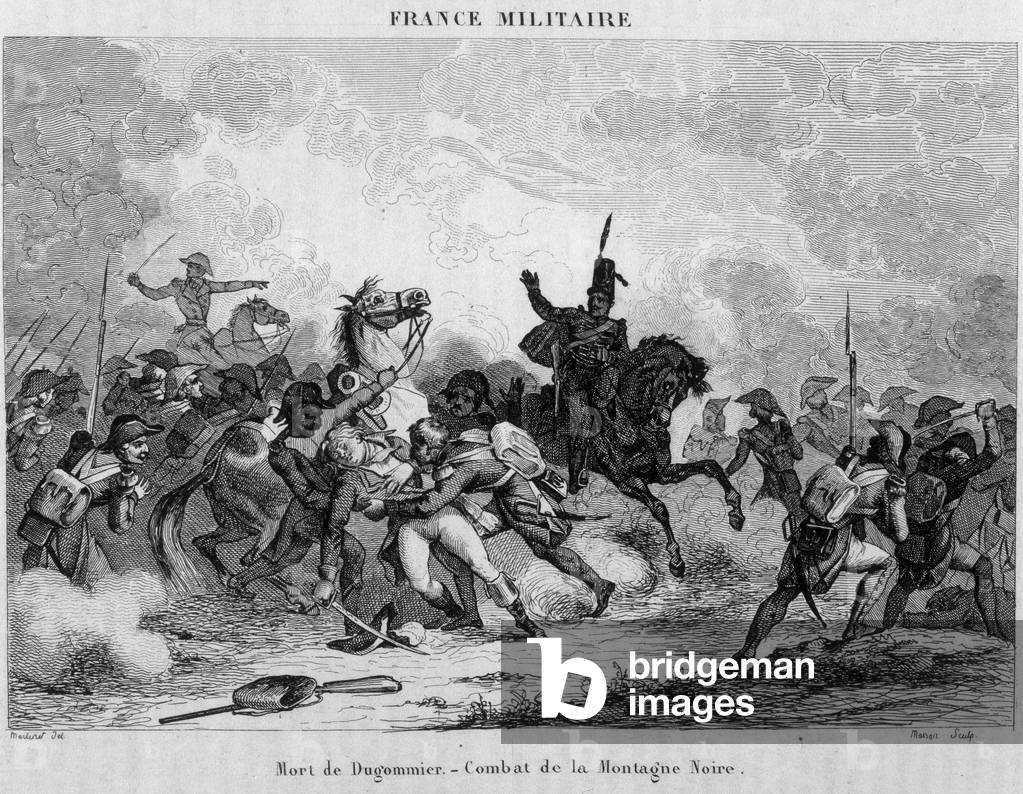
XEE4114462: Death of Dugommier - Black Mountain fight against the Spaniards., Unknown Artist, (19th century) / Bridgeman Images
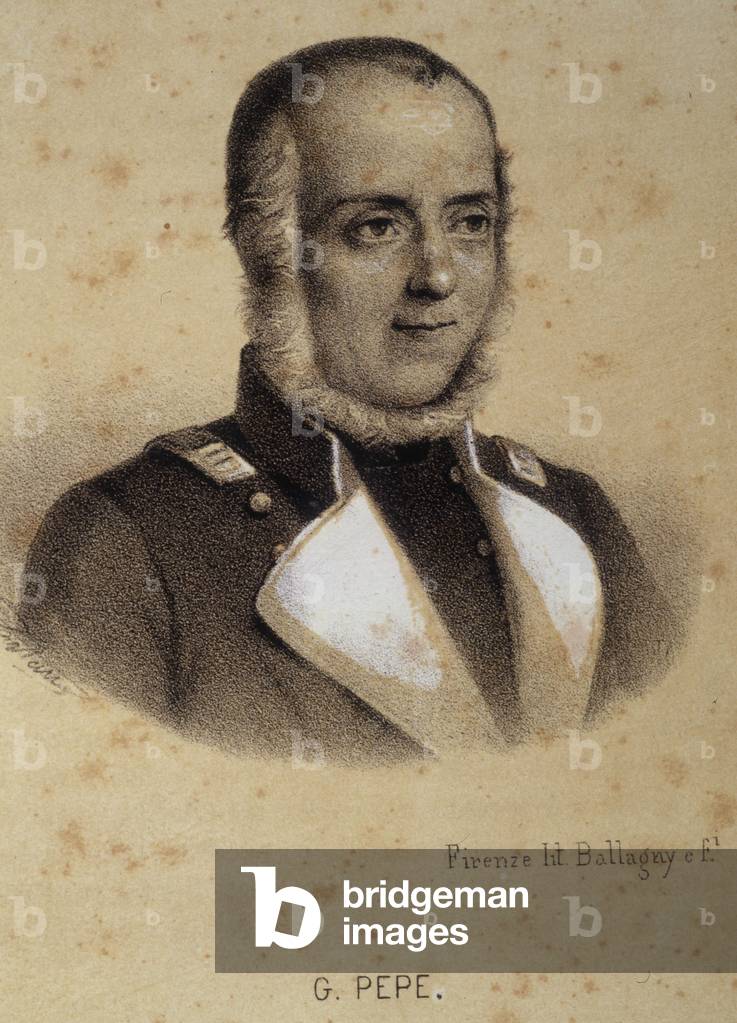
XEE4114609: Portrait of Guglielmo Pepe (1783 - 1855),, Unknown Artist, (19th century) / Bridgeman Images

XEE4114661: Portrait of Alexander Von Humboldt (Alexander of Humboldt, 1769-1859), German naturalist and traveler., Unknown Artist, (19th century) / Bridgeman Images

XEE4114938: Portrait of Jules Barthelemy Saint - Hilaire(engraving), Unknown Artist, (19th century) / Bridgeman Images

XEE4117780: Portrait of General Pourcet. 19th century engraving., Unknown Artist, (19th century) / Bridgeman Images

LSE4323616: Uniforms of the Russian cavalry, allied of France, on horseback from left to right: Cossack of the Guard Regiment, the battleships regiment of the Guard, officer of the Urals Cossacks, and officer of the Emperor's Cossacks. In the foreground, standing, from left to right: dragon of the guard, Uhlan of the guard, circassian of the escort of the emperor's guard, gendarmerie officer, non-officer of the guard hussars, soldier of the horse guards and grenadier of the guard. Engraving in “” Le petit journal”” 9/04/1892. Selva's collection., Unknown Artist, (19th century) / Bridgeman Images

LSE4323700: Eugene Turpin (1848-1927) chemist, inventor in 1884 of melinite (an explosive), in his cell, accused (wrongly) of having sold his invention to the enemy. He inspires Jules Verne for the character of Thomas Roch in the novel “Face au drapeau””. Engraving in “” Le petit journal”” 21/01/1893. Selva's collection., Unknown Artist, (19th century) / Bridgeman Images

LSE4323817: The triple alliance between Germany, Austria Hungary and Italy, accused by France of treason since Prince Victor (1862-1926) visited William II (1859-1941), Emperor of the Germans, the prince is called the grandson of Corporal of the Zouaves, because his grandfather Victor Emmanuel II (Victor-Emmanuel) (Vittorio Emanuele) (1820-1878), allie a Napoleon III (1808-1873) against Austria, had received in Palestro the stripes of corporal of the Zouaves. Engraving in “” Le petit journal”” 18/09/1893. Selva's collection., Unknown Artist, (19th century) / Bridgeman Images

LSE4323825: The accommodation ticket, provided by the army to its soldiers in the field in order to request accommodation from civilians. Engraving in “” Le petit journal”” 23/09/1893. Selva's collection., Unknown Artist, (19th century) / Bridgeman Images
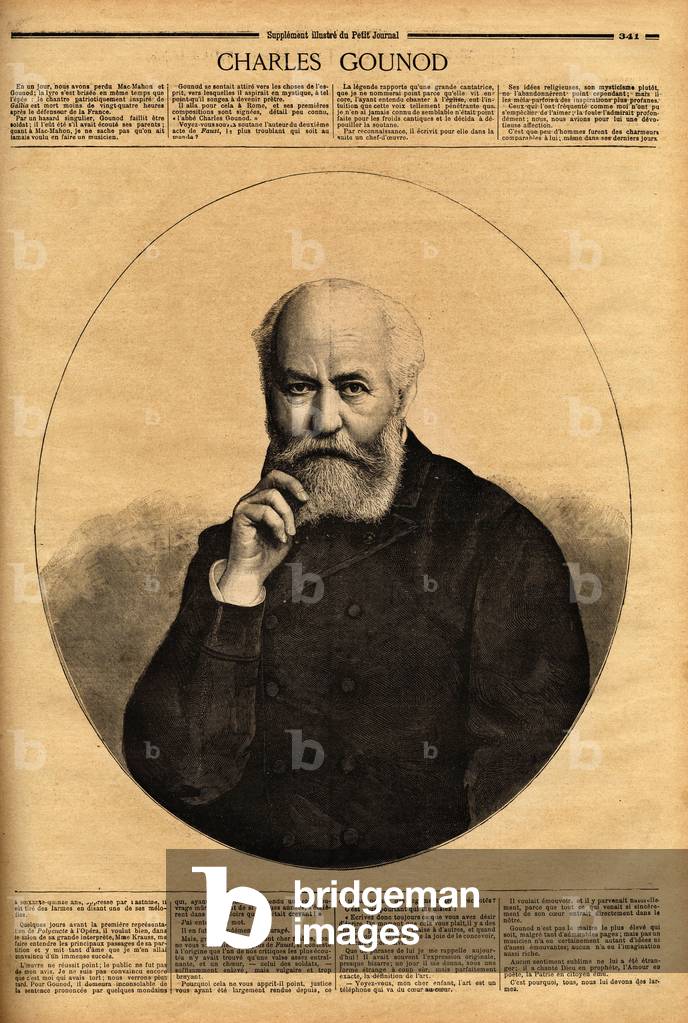
LSE4323836: Portrait of Charles Gounod (1818-1893), a French composer, reputed for his operas (Faust in 1859, Romeo and Juliette in 1867), he also composed symphonies and numerous melodies for the poems of Alfred de Musset (1810-1857) and Victor Hugo (1802-1885). Engraving in “” Le petit journal”” 28/10/1893. Selva's collection., Unknown Artist, (19th century) / Bridgeman Images

LSE4324086: Expulsion and element of the barracks set up on the military zone at the Gentilly gate. Illustration in “” Le petit journal”” 23/06/1895., Unknown Artist, (19th century) / Bridgeman Images
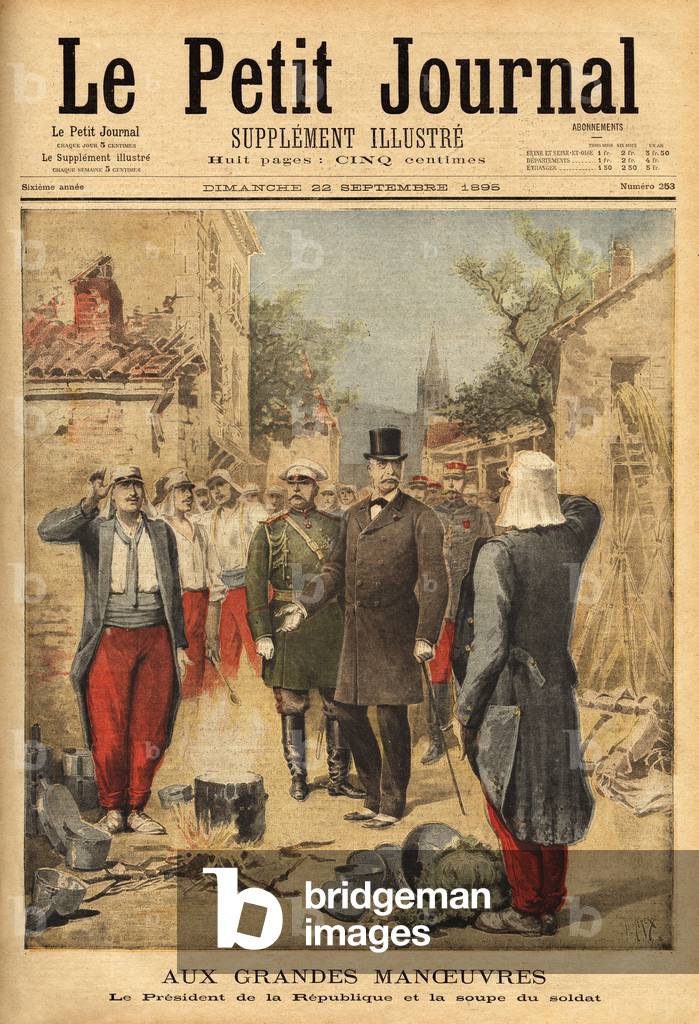
LSE4324107: The president of the republic, Felix Faure (1841-1899), visits the troops in Langres during the great manoeuvres and tradition for all visitors, he tastes the soup of the soldier. Engraving in “” Le petit journal”” 22/09/1895. Selva's collection., Unknown Artist, (19th century) / Bridgeman Images

LSE4324165: Launch of the sailboat “President Felix Faure””, on February 3, in Le Havre, sponsored by Lucie Faure, the daughter of the head of state and Louis Brindeau, mayor of Le Havre; it is the first of a series of 4-mat sailboats to be built in Le Havre from 1896. Engraving in “” Le petit journal”” 16/02/1896. Selva's collection., Unknown Artist, (19th century) / Bridgeman Images

LSE4324274: Remembrance of the defense of Mazagran, battle from 3 to 6 February 1840, against the army of more than 10,000 men waged by Abd el Kader, Captain Lelievre's French battalion won victory. Engraving in “” Le petit journal”” 6/12/1896. Selva's collection., Unknown Artist, (19th century) / Bridgeman Images

LSE4325143: The ostrich hunt, drawn from a photograph, to illustrate the story of hunting in Africa by William Charles Baldwin between 1852 and 1860. Engraving in “” Le tour du monde””, edited by Edouard Charton, 1863. Selva's collection., Unknown Artist, (19th century) / Bridgeman Images

LSE4325482: The jitter, in a dancing cafe, drawing by Durand Brager, to illustrate An excursion to the poor London neighbourhoods in 1862, by L.Simonin. Engraving in “” Le tour du monde””, edited by Edouard Charton, 1865. Selva's collection., Unknown Artist, (19th century) / Bridgeman Images
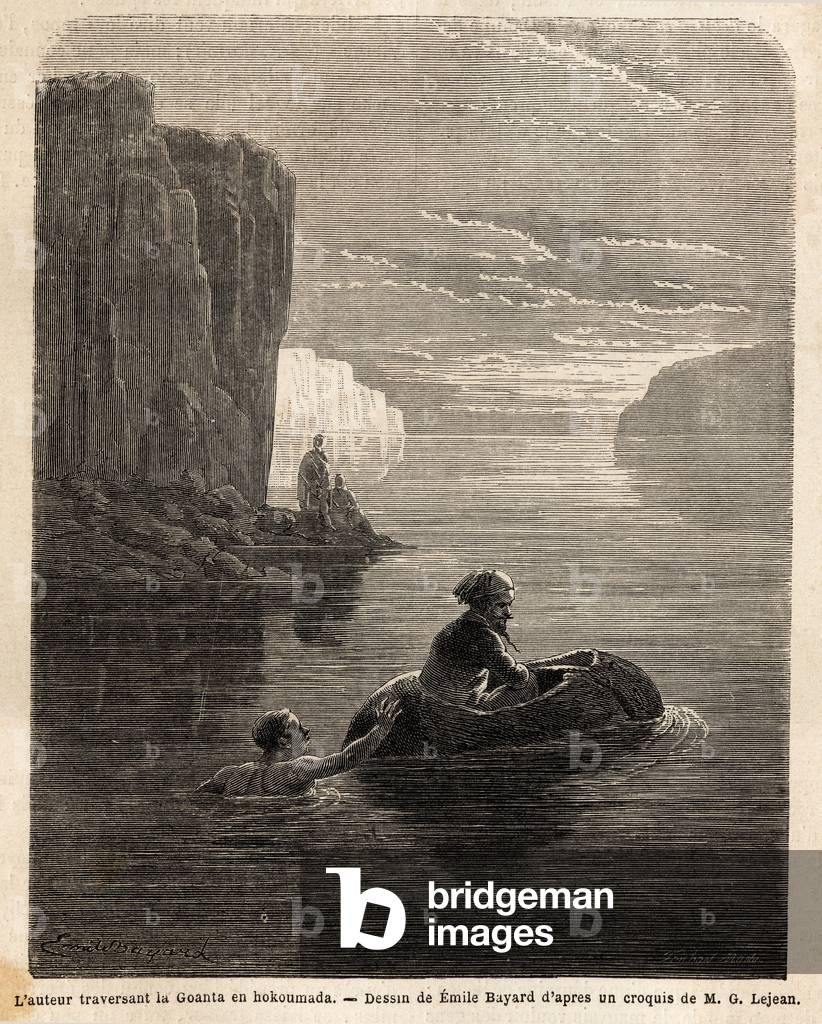
LSE4325617: P.Marcoy on a hokoumada, (boat in the shape of a basket, made of a dry beef skin), pushed by a swimmer, to cross the Goanta (Perou River). Drawing by Emile Bayard (1837-1891), to illustrate the voyage from the Pacific Ocean to the Atlantic Ocean, 1846 to 1860, by Paul Marcoy. Engraving in “” Le tour du monde””, edited by Edouard Charton, 1865. Selva's collection., Unknown Artist, (19th century) / Bridgeman Images

LSE4325704: Musicians playing marimba (a blend of balafon and precolombian instruments) on the banks of the Zambese River. Engravure to illustrate Dr. Livingstone's first voyages to Southern Africa from 1840 to 1856, in “Le tour du monde, nouveau journal des voyages”” published under the direction of Edouard Charton, 1866, Paris. Selva Collection., Unknown Artist, (19th century) / Bridgeman Images

LSE4325730: Blacksmiths in Simiango, on the banks of the Zambese River. Engravure to illustrate Dr. Livingstone's first voyages to Southern Africa from 1840 to 1856, in “Le tour du monde, nouveau journal des voyages”” published under the direction of Edouard Charton, 1866, Paris. Selva Collection., Unknown Artist, (19th century) / Bridgeman Images

LSE4325830: A street of Benten Tori, with animation of passers-by and portfaix, an ancient fishing village where the goddess of the sea Benten was honoree, but this village was annexed by the urban development of Yokohama; a tori, is not sacred door that announces the vicinity of a temple or chapel. Engraving to illustrate the voyage to Japan in 1863-1864, by Aime Humbert, minister of the Swiss Confederation, in “Le tour du monde, nouveau journal des voyages”, published under the direction of Edouard Charton, 1866, Paris. Selva Collection., Unknown Artist, (19th century) / Bridgeman Images

LSE4325979: The arrival of miners in a Caribou inn (Canada), scenes of relaxation and reunion, over a drink. Engraving to illustrate the voyage from the Atlantic to the Pacific (route du nord ouest par les terres), in 1862-1864 by Viscount Milton and Doctor Cheadle, in “Le tour du monde, nouveau journal des voyages”, published under the direction of Edouard Charton, 1866, Paris. Selva Collection., Unknown Artist, (19th century) / Bridgeman Images

LSE4326190: Small saltibanks performing acrobatic numbers in music in the streets of Yedo (or Edo, imperial capital, present-day Tokyo). Engraving to illustrate the voyage to Japan, in 1863-1864, by Aime Humbert, minister of the Swiss Confederation, in “” Le tour du monde, nouveau journal des voyages”” published under the direction of Edouard Charton, 1867, Paris. Selva Collection., Unknown Artist, (19th century) / Bridgeman Images