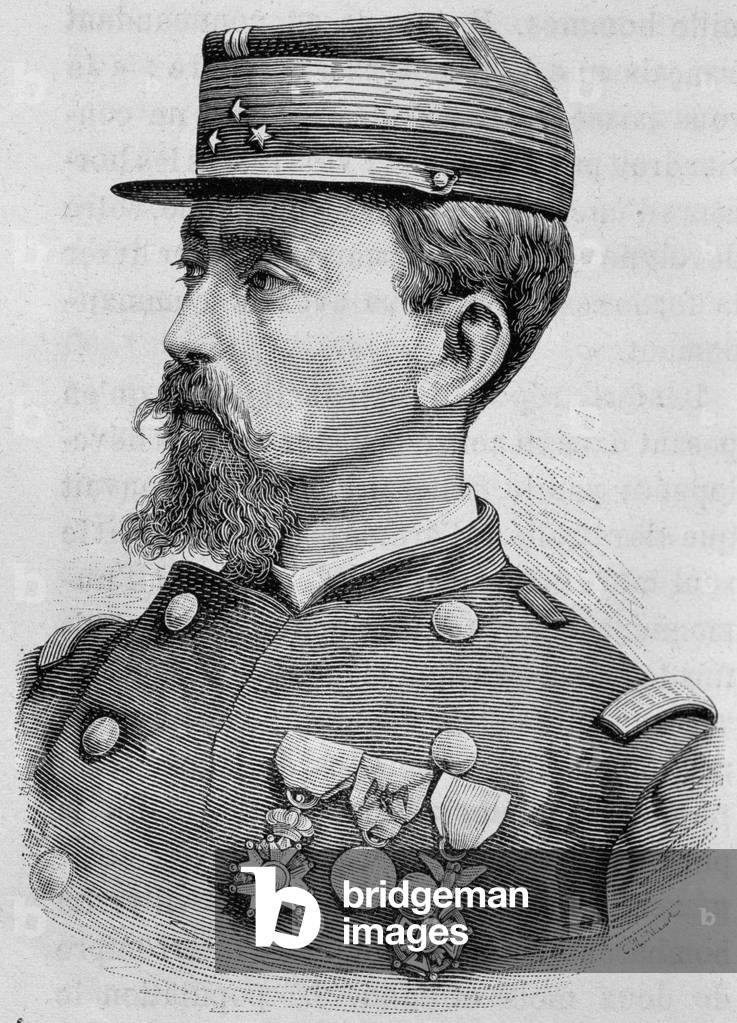
Unknown Artist, (19th century) Assets (17892 in total)
Results

XEE4132739: The rented rooms in 1887, with President Charles Floquet in head (1828-1896). Cover of “” The Illustrious World”” from 1887., Unknown Artist, (19th century) / Bridgeman Images

XEE4132803: Portrait of the letter woman Judith Gauthier (1845-1917) in 1888., Unknown Artist, (19th century) / Bridgeman Images
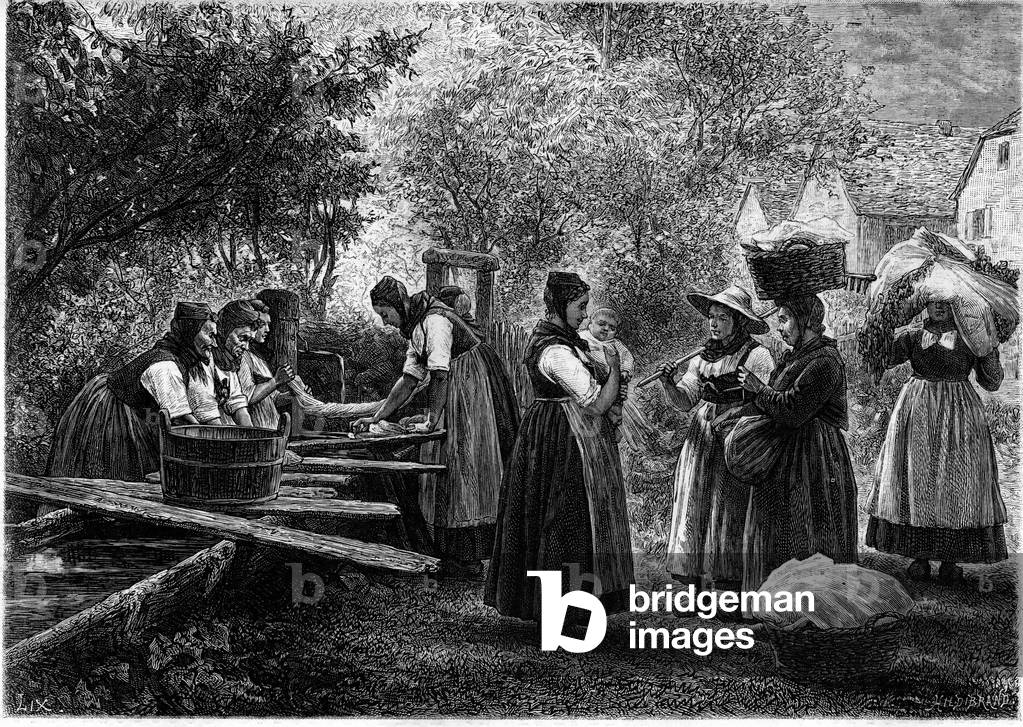
XEE4132904: Women do laundry in Alsace. Engraving in the illustrious journal “” La jeunesse””, 1886., Unknown Artist, (19th century) / Bridgeman Images
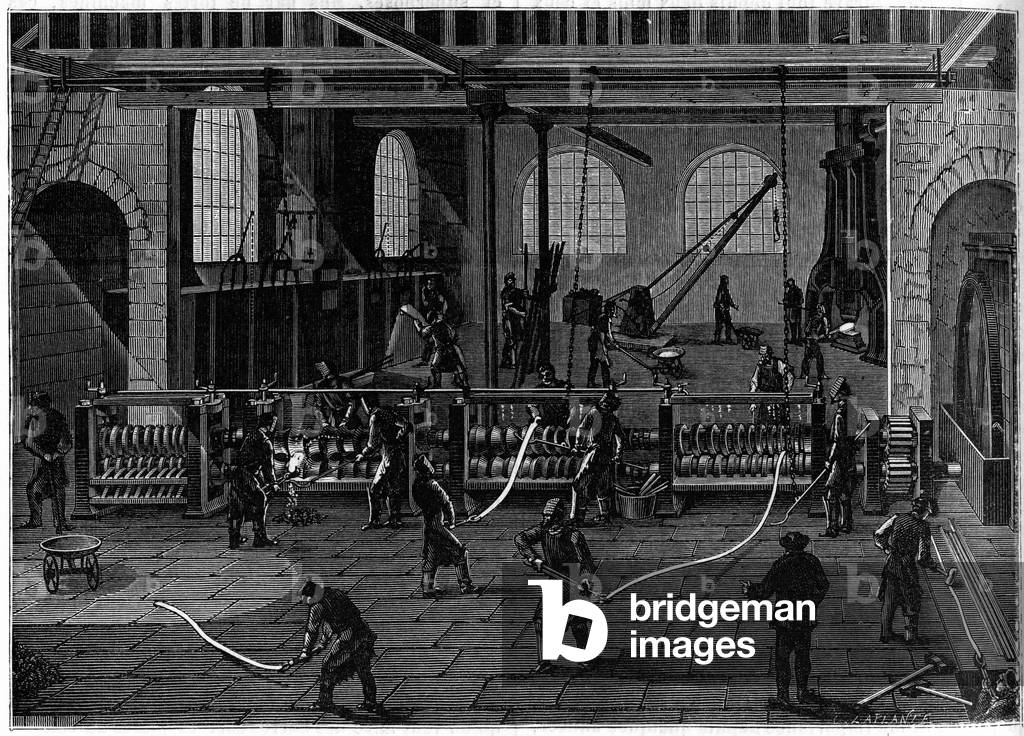
XEE4132954: A copper drawing workshop in England, 1886 (engraving), Unknown Artist, (19th century) / Bridgeman Images

LSE4326365: A traveling octopus dealer offers his products to passers-by, on Edo Street (or Yedo Street, now Tokyo). Engraving to illustrate the voyage to Japan, in 1863-1864, by Aime Humbert, minister of the Swiss Confederation, in “Le tour du monde, nouveau journal des voyages”” published under the direction of Edouard Charton, Hachette, Paris, 1867. Selva Collection., Unknown Artist, (19th century) / Bridgeman Images

LSE4326391: General view of Yedo (or Edo, present-day Tokyo) from the Nippon Bassi (the bridge of the Nippon), lively animation of passers-by and porters on the bridge, between the merchant alleys, view of the shops and in the background, view of Mount Fuji. Engraving to illustrate the voyage to Japan, in 1863-1864, by Aime Humbert, minister of the Swiss Confederation, in “Le tour du monde, nouveau journal des voyages”” published under the direction of Edouard Charton, Hachette, Paris, 1867. Selva Collection., Unknown Artist, (19th century) / Bridgeman Images

LSE4326426: A visiting doctor takes the patient's chicken supported by the doctor's help, and a woman brings a tray; the medical necessities are locked in the tissue-covered box, which the doctor brings to each visit. Engraving to illustrate the voyage to Japan, in 1863-1864, by Aime Humbert, minister of the Swiss Confederation, in “Le tour du monde, nouveau journal des voyages”” published under the direction of Edouard Charton, Hachette, Paris, 1867. Selva Collection., Unknown Artist, (19th century) / Bridgeman Images

LSE4326887: A burglar falls from the roofs of Notre Dame Street in Nazareth, in his precipitation to flee in front of the police officers. Engraving in “” Le petit journal”” 14/5/1899. Selva Collection., Unknown Artist, (19th century) / Bridgeman Images

LSE4326945: A Montreuil police officer does not hesitate to throw himself out the window to pursue a burglar, who has just jumped to escape his pursuers. Engraving in “” Le petit journal”” 17/12/1899. Selva Collection., Unknown Artist, (19th century) / Bridgeman Images
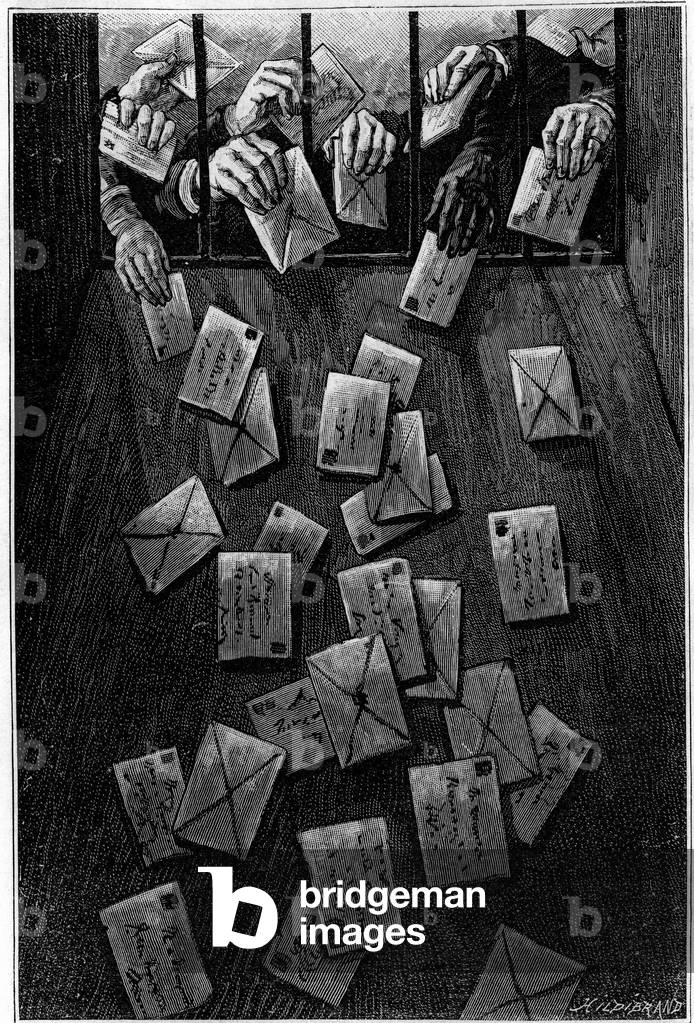
XEE4133311: Parisians deposit their mail at the main post office on Rue de Louvre before the last morning. Engraving in the journal of “” La jeunesse””, 1886., Unknown Artist, (19th century) / Bridgeman Images

LSE4328142: Race of Cossacks, climbs in balance standing on their saddle, riders whip their horses to make them gallop. Engraving to illustrate the voyage in the provinces of the Caucasus, by Basile Vereschaguine, in 1864-1865, published in “” Le tour du monde, nouveau journal des voyages””, edited by Edouard Charton, 1868, Paris. Selva Collection., Unknown Artist, (19th century) / Bridgeman Images

LSE4328203: The Triton Fountain, in Rome, created in 1643 by Gian Lorenzo (Gianlorenzo) Bernini known as Le Bernini (1598-1680), on the Barberini Square. Engraving to illustrate the voyage to Rome, by Francis Wey, in 1864-1868, published in “Le tour du monde, nouveau journal des voyages”, under the direction of Edouard Charton, 1868, Paris. Selva Collection., Unknown Artist, (19th century) / Bridgeman Images

LSE4328318: A pharmacy shop in Yedo (or Edo, present-day Tokyo), the pharmacist works with his help before the eyes of the public, protected by a wooden lacquer grid, in front of which the barges wait on the street to be served and then pay by passing the money through the bars. Every bourgeois puts in his belt a medicine box with different superimposed compartments, which usually contain opiaceous pills, mint oil powder and white sugar powder; he makes it garnish in his own right without a medical prescription. Engraving to illustrate Japan, travel story by Aime Humbert, minister of the Swiss Confederation, in 1863-1864, published in “Le tour du monde, nouveau journal des voyages”, under the direction of Edouard Charton, 1868, Paris. Selva Collection., Unknown Artist, (19th century) / Bridgeman Images

LSE4328332: The end of the pariah: the Yetas, excluded from Japanese society and deprived of the help of religion, have no right to any kind of ceremony, they organize cremation between yetas, the corpse is carried on a stretcher to a desert place, or the body covered with a straw mat is burned. Engraving to illustrate Japan, travel story by Aime Humbert, minister of the Swiss Confederation, in 1863-1864, published in “Le tour du monde, nouveau journal des voyages”, under the direction of Edouard Charton, 1868, Paris. Selva Collection., Unknown Artist, (19th century) / Bridgeman Images

LSE4328416: The manufacture of palm leaf baskets, for the collection of coffee. Engraving to illustrate the voyage to Brazil, story by M. and Mme Agassiz, in 1865-1866, published in “Le tour du monde, nouveau journal des voyages”, under the direction of Edouard Charton, 1868, Paris. Selva Collection., Unknown Artist, (19th century) / Bridgeman Images
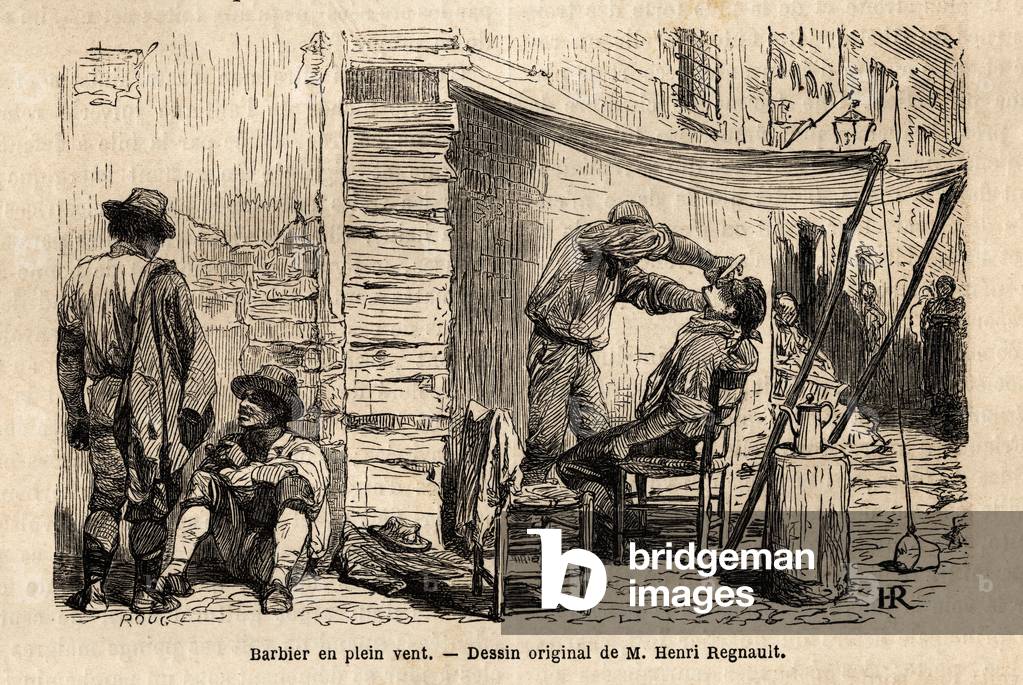
LSE4328450: A barber in the wind in the streets of Rome. Engraving to illustrate the voyage to Rome, by Francis Wey, in 1864-1868, published in “Le tour du monde, nouveau journal des voyages”, under the direction of Edouard Charton, 1868, Paris. Selva Collection., Unknown Artist, (19th century) / Bridgeman Images

LSE4328605: The commemorative procession of the martyr of Hossein, after the passing of martyrs and penitents, women take part in the procession, half hiding on camels, guided by the head of the family. Engraving to illustrate the voyage in the provinces of the Caucasus, by Basile Vereschaguine, in 1864-1865, published in “” le tour du monde””, under the direction of D'Edouard Charton, Hachette, Paris 1869.Selva Collection., Unknown Artist, (19th century) / Bridgeman Images

LSE4328650: A discount cloth dealer makes the article to a young woman carrying her toddler on her back. Engraving to illustrate the journey to Japan, by Aime Humbert, minister of the Swiss Confederation, in 1863-1864, published in “” le tour du monde””, under the direction of D'Edouard Charton, Hachette, Paris 1869.Selva Collection., Unknown Artist, (19th century) / Bridgeman Images

LSE4328658: The puppetry show and the musician who accompanies him for street entertainment. Engraving to illustrate the journey to Japan, by Aime Humbert, minister of the Swiss Confederation, in 1863-1864, published in “” le tour du monde””, under the direction of Edouard Charton, Hachette, Paris 1869.Selva Collection., Unknown Artist, (19th century) / Bridgeman Images

LSE4328754: Brahmane kneels before the altar of offerings, praying. Engraving to illustrate the voyage in the meridional provinces of India, by Alfred Grandidier, in 1862-1864, published in “” le tour du monde””, edited by Edouard Charton, Hachette, Paris 1869.Selva Collection., Unknown Artist, (19th century) / Bridgeman Images

LSE4328777: Women of the people of the Concau Coast (or Konkan, northern coast of India). Engraving to illustrate the voyage in the meridional provinces of India, by Alfred Grandidier, in 1862-1864, published in “” Le tour du monde””” 1869, edited by Edouard Charton, edition Hachette, Paris. Selva Collection., Unknown Artist, (19th century) / Bridgeman Images

LSE4329040: Muslim mountaineers resettled in the mountains of Svat, fighting an English expedition in 1863 to stop the looting of villages in the region. Engraving to illustrate the story of Pandjab and Kashmir, by Guillaume Lejean in 1866, published in “” Le tour du monde”” 1870-1871, edited by Edouard Charton, edition Hachette, Paris. Selva Collection., Unknown Artist, (19th century) / Bridgeman Images

LSE4329049: La casa de la Merced (now Mercy Street) in Saint Augustine, the oldest city in the United States (United States), founded by the Spaniards in 1565; main street of the city, small and populous, with various animals and a singular blend of various American types: Indian, African American (African American), Metis and Mulattres. Engraving to illustrate the story four months in Florida, by Achille Pousselgue in 1851-1852, published in “” Le tour du monde”” 1870-1871, edited by Edouard Charton, Hachette edition, Paris. Selva Collection., Unknown Artist, (19th century) / Bridgeman Images

LSE4329251: His Highness Syadji Rao Scindia (1846-1886), Maharajah of Gwalior (present-day Madhya Pradesh). Engravure pour illustrrer l'Inde des Rajahs, by Louis Rousselet, in 1864-1868, published in “” Le tour du monde””” 1872, edited by Edouard Charton, Hachette edition, Paris. Selva Collection., Unknown Artist, (19th century) / Bridgeman Images

XEE4134153: Les chiffonniers: le weighing. Engraving in “Le journal de la jeunesse”, 1884., Unknown Artist, (19th century) / Bridgeman Images

XEE4134232: Making wax characters at the Musee Grevin, in Paris. Engraving in “” La Nature: revue des sciences et de leurs applications aux arts et a l'industrie”” of 21 April 1894., Unknown Artist, (19th century) / Bridgeman Images

XEE4134354: Depart of the Lapons on the Greenland Ice Sheet. Engraving in “” Le Journal de la jeunesse””, 1889., Unknown Artist, (19th century) / Bridgeman Images

XEE4134470: Portrait of Henri Jules Debray (1827-1888), French chemist. (From a photograph by Eugene Pirou). Engraving in “” La Nature: revue des sciences et de leurs applications aux arts et a l'industrie”” of 11 August 1888., Unknown Artist, (19th century) / Bridgeman Images

XEE4134489: Luxury trains in Europe: internal view of a restaurant wagon. Engraving in “” La Nature: revue des sciences et de leurs applications aux arts et a l'industrie”” of May 1, 1897., Unknown Artist, (19th century) / Bridgeman Images
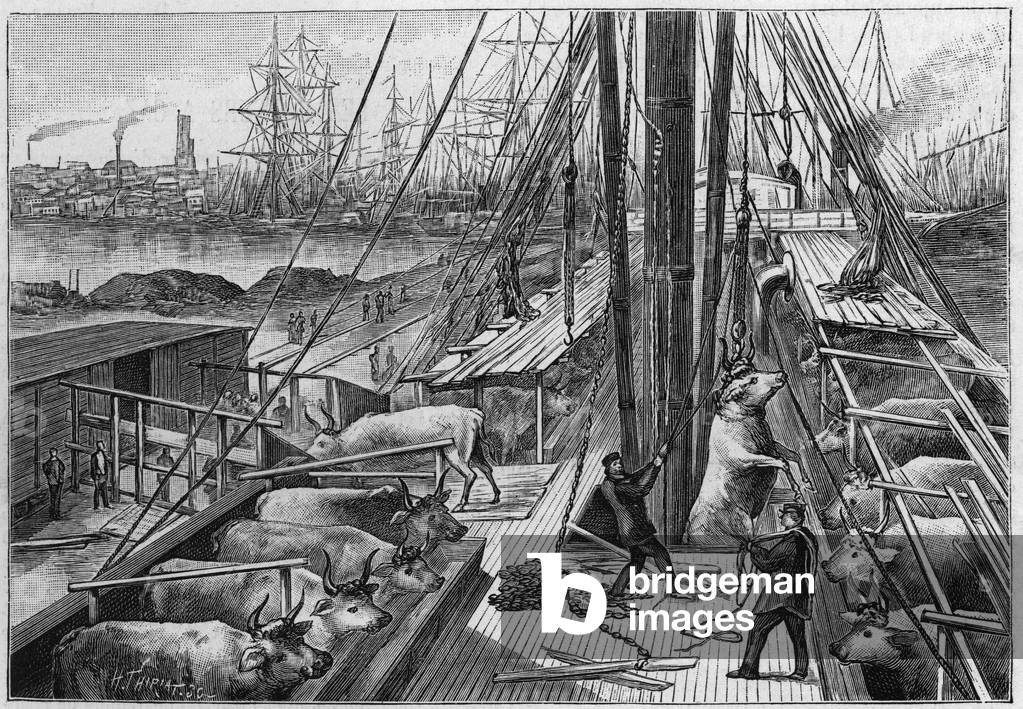
XEE4134494: The English steamer “Bellenden”, carrying 90 oxen from Argentina, arrived in the port of Dunkirk on January 18, 1891. Engraving in “” La Nature: revue des sciences et de leurs applications aux arts et a l'industrie”” of March 14, 1891., Unknown Artist, (19th century) / Bridgeman Images

XEE4134531: Telephony in Sweden: room of the central telephone office in Stockholm. Engraving in “” La Nature: revue des sciences et de leurs applications aux arts et a l'industrie”” of 23 March 1889., Unknown Artist, (19th century) / Bridgeman Images

LSE4329347: Volunteers on their way to Cali, a long line of men with their hands tied behind their back, connected by a rope to each other, a rope held by a soldier on horseback, who takes them to a military training camp. Engraving to illustrate the voyage to New Granada, by Dr. Saffray, in 1869, published in “” Le tour du monde””” 1873, edited by Edouard Charton, edition Hachette, Paris. Selva Collection., Unknown Artist, (19th century) / Bridgeman Images

LSE4329931: Indigenous baris (population of Sudan) weapons of bows and arrows, fleeing with the herds confiscated by Sir Baker, to prevent them from attacking other tribes in the region, in order to plunder them and enslavement, an engraving illustrating an armed expedition to Central Africa, for the suppression of the black trade, 1869 a 1873, by Sir Samuel White Baker, published in “Le tour du monde”” 1875, edited by Edouard Charton, Hachette edition, Paris. Selva Collection., Unknown Artist, (19th century) / Bridgeman Images
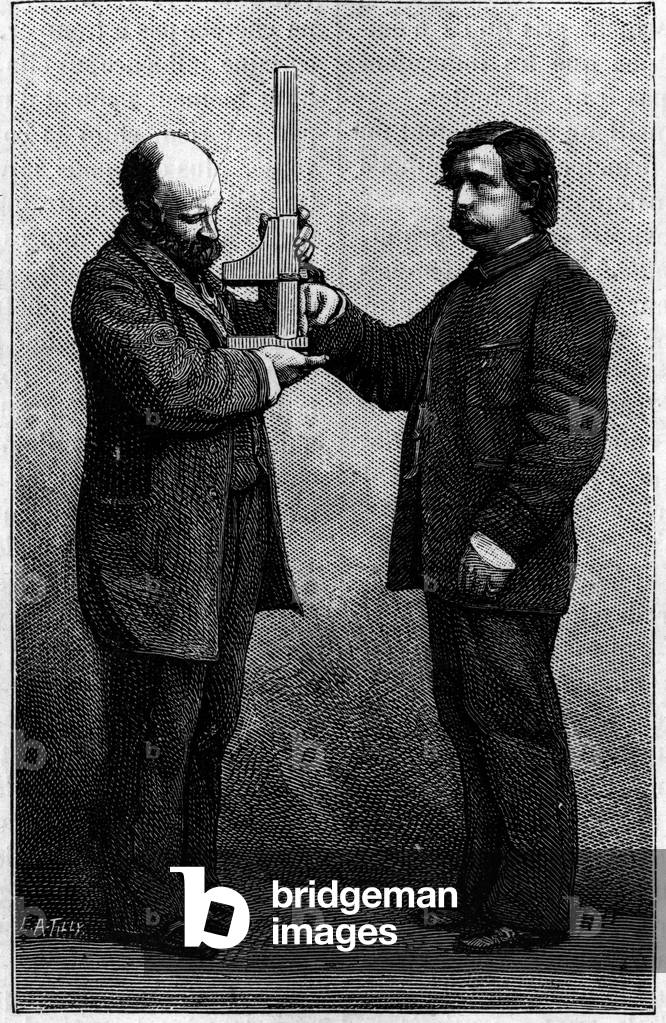
XEE4134712: Method of identification of the font: measurement of the middle finger by means of a sliding compasse. Engraving in “La Nature: revue des sciences et de leurs applications aux arts et a l'industrie”” of 25 August 1883., Unknown Artist, (19th century) / Bridgeman Images

LSE4319602: Former voto (ex voto) sailor, popular offer as a pledge of devotion and gratitude of the sailor surviving to the dangers of the sea coming from the Church of Carmine, Torre del Greco, near Naples, 19th century Italy, Unknown Artist, (19th century) / Bridgeman Images