Unknown Artist, (19th century) Assets (17905 in total)
Results

XEE4169522: Portrait of Giacomo Antonelli (1808-1878), Italian Cardinal and Secretary of State of the Pontifical Government., Unknown Artist, (19th century) / Bridgeman Images

XEE4165445: Visit of Emperor Francois-Joseph (1830-1916) and Impress Elisabeth of Austria (Sissi) (1837-1898) with Eugenie (1826-1920), Impress of the French and Napoleon III to the imperial residence of Hellbrunn in Austria on August 21, 1867., Unknown Artist, (19th century) / Bridgeman Images

XEE4167256: The Star of Bethleem. Engraving in “The Sun-of-Sunday”, December 26, 1899., Unknown Artist, (19th century) / Bridgeman Images

XEE4167206: The First Communion in Paris. Engraving in “Le sun-du-dimanche”, 14 May 1899., Unknown Artist, (19th century) / Bridgeman Images

LSE4108297: Leak of the doctor among the Indians of Peru (Inca) - engraving, 19th century, Unknown Artist, (19th century) / Bridgeman Images

LSE4106631: Archbishop Denis Affre crossed the barricades to meet the insurgents, June 25, 1848 - lithography, 19th century, Unknown Artist, (19th century) / Bridgeman Images

XEE4153594: “L'Epinette mysterieuse” Jean Baptiste Raisin presents to the King a particular spinette, 1882 (engraving), Unknown Artist, (19th century) / Bridgeman Images

XEE4154053: Maison des Hebreux - (Hebrew Home) engraving of 1889 in “Histoire de habitation humaine à l'Exposition Universelle de 1889, by Mr Charles GARNIER - Librairie centrale des beaux-arts Paris 1889, Unknown Artist, (19th century) / Bridgeman Images

XEE4151814: The painter Puvis de Chavannes (1824-1898) occupies painting - allegory by M. Merwart with a poesy by Clovis Hugues, 1895, Unknown Artist, (19th century) / Bridgeman Images
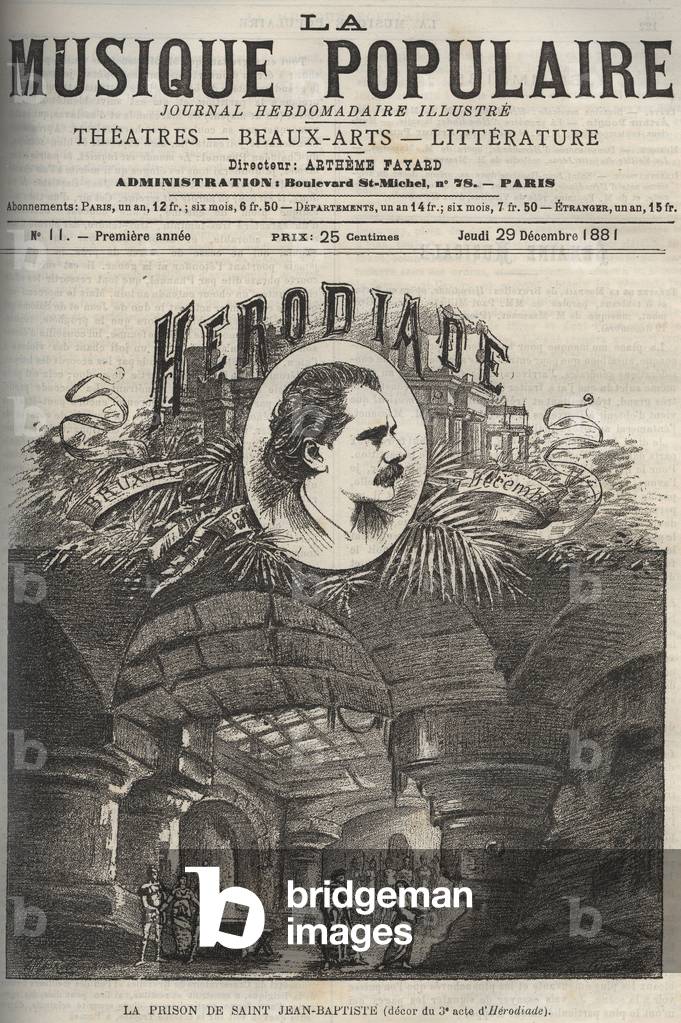
XEE4151855: The prison of Saint John the Baptist - decor of the 3rd act of “Herodiade”, opera in four acts and seven paintings by Jules Massenet, on a libretto by Paul Milliet and Henri Gremont - engraving in “La musique populaire”” illustrated weekly newspaper - 1882, Unknown Artist, (19th century) / Bridgeman Images

XEE4151838: Portrait of Ludwig van Beethoven (1770-1827), German composer and pianist - engraving in “” La musique populaire””” illustrious weekly newspaper - 1882, Unknown Artist, (19th century) / Bridgeman Images

XEE4153911: Voyages from Durmont d'Urville to Oceania (1826-1837) - the naturals of the Tonga Islands attacked one of the boats - Engraving in “” Picturesque history of great voyages in the nineteenth century”””. 1877, Unknown Artist, (19th century) / Bridgeman Images

XEE4150014: Magic show given by Monsieur Faure Nicolay in the presence of Emperor Napoleon III (1808-1873) and his son Prince Imperial (1856-1879) in 1870, Unknown Artist, (19th century) / Bridgeman Images
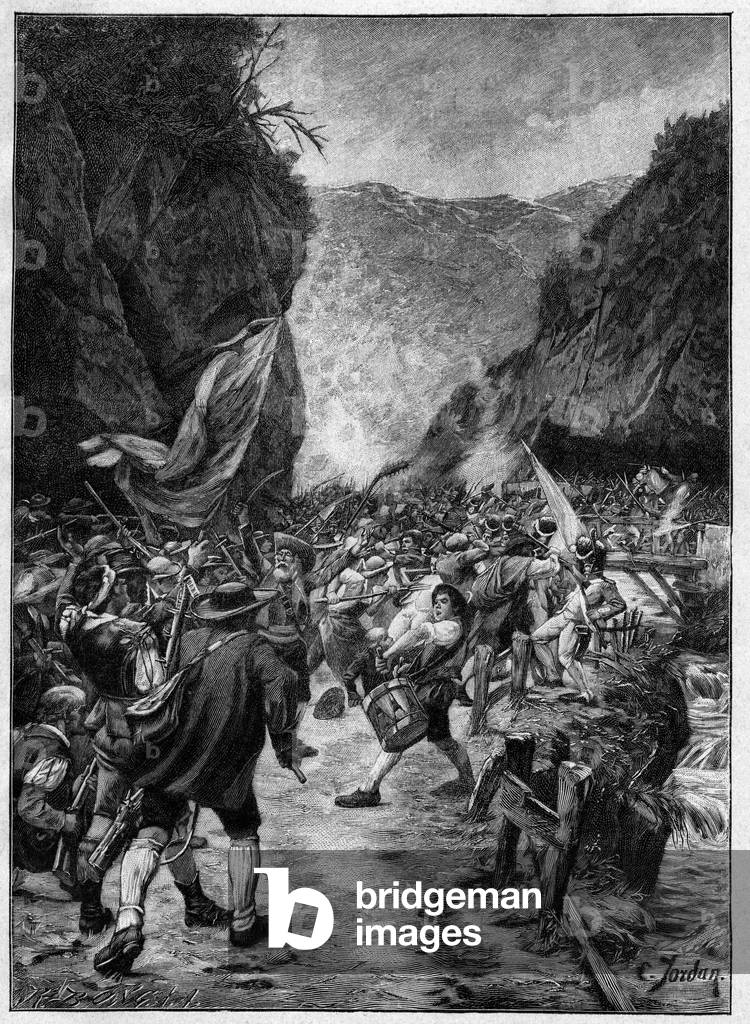
XEE4151040: The Revolt of the Tyrolese, 1809 (Tyrol's Fight for Freedom in 1809) - Tyrol's Rebellion in 1809 after the painting of C Jordan -, Unknown Artist, (19th century) / Bridgeman Images
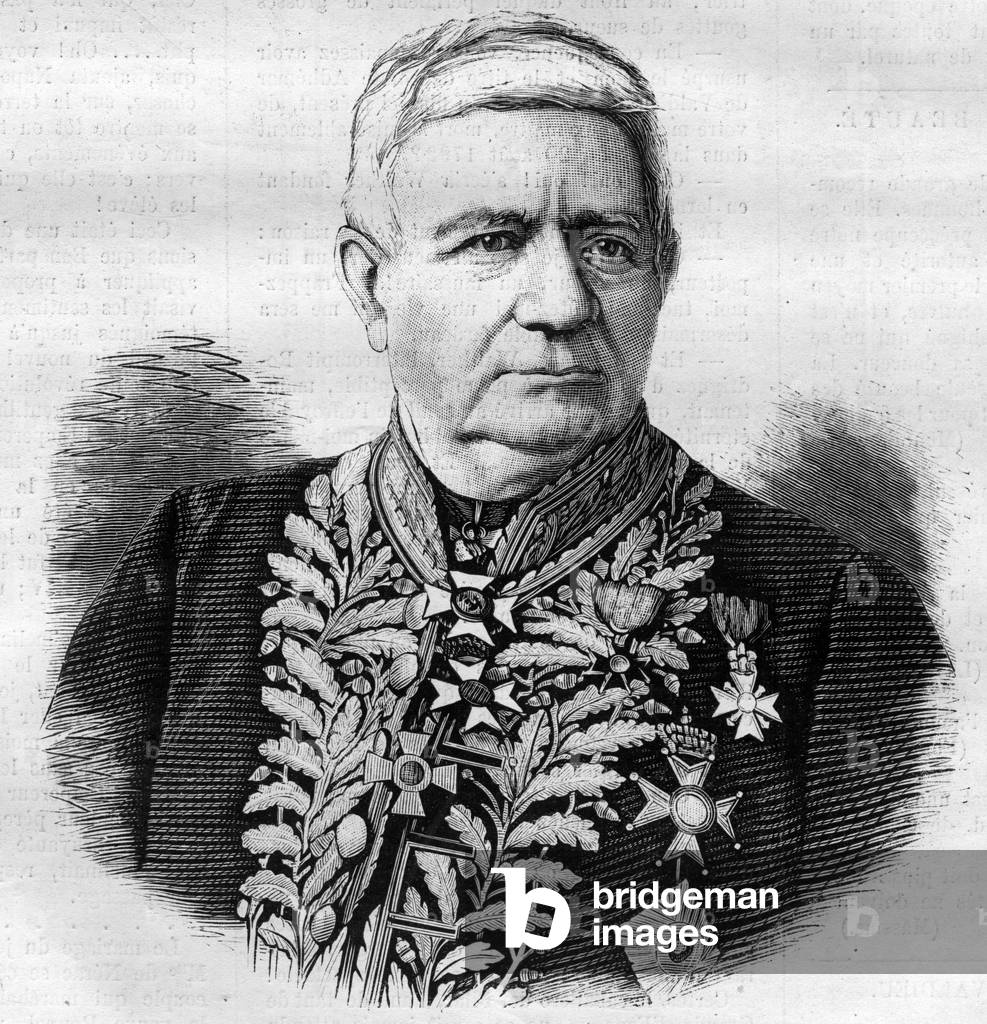
XEE4151979: Portrait of Charles Joseph Pascal de Luesemans (1808 -1882) Belgian politician - engraving of 1882, Unknown Artist, (19th century) / Bridgeman Images
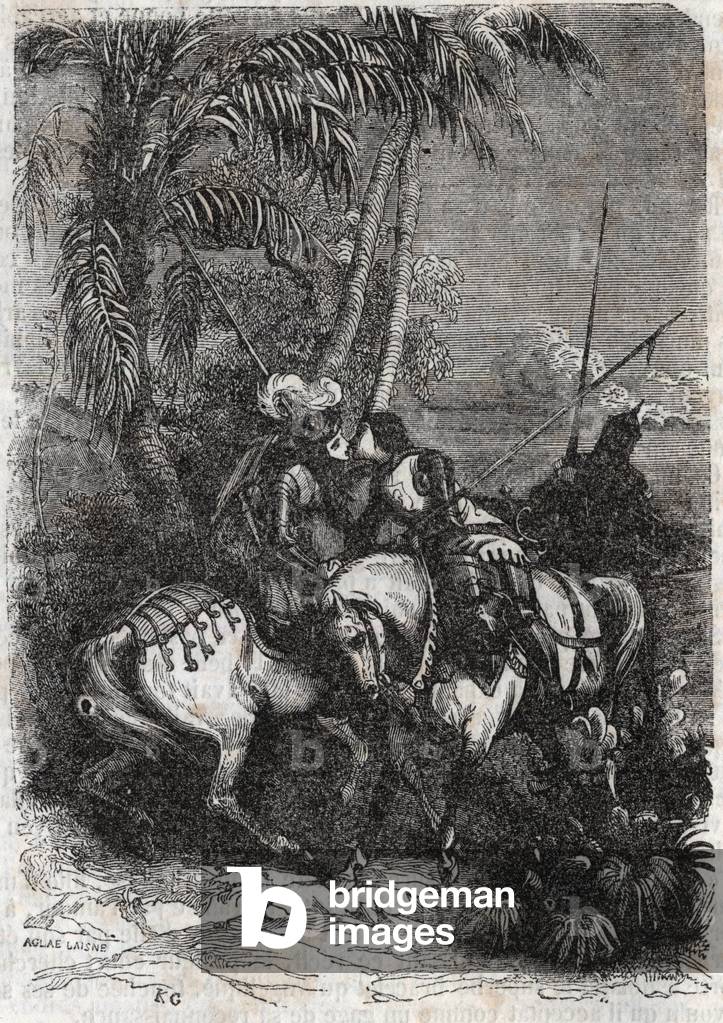
XEE4151460: Meeting of Marphise (Marfisa), Astolphe (Astolfo) and Sansonnet (Sansonetto) - engraving of 1851 from “” Roland furieux” (Orlando furioso) (16th century) by Ludovico Ariosto, known as the Ariosta - Edition translated from Italian by the Count of Tressan and published by Gustave Harvard 1851, Unknown Artist, (19th century) / Bridgeman Images
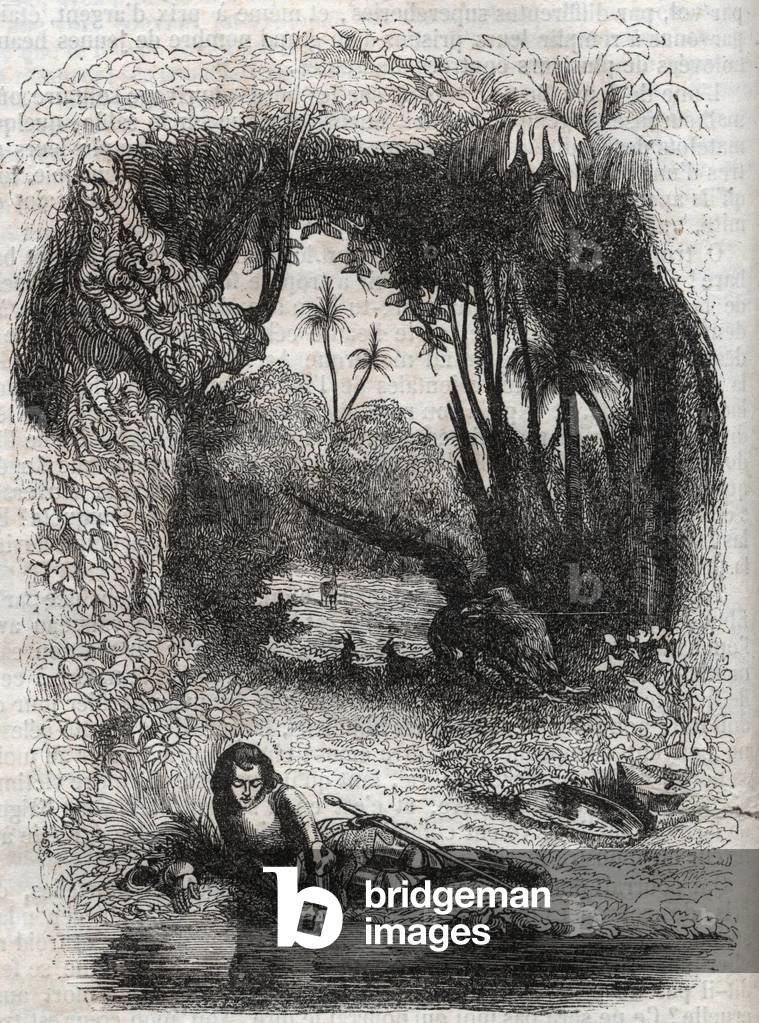
XEE4151381: Ruggiero on the island of Alcina, - 1851 engraving from the poem Orlando furioso (1516) by Ludovico Ariosto, - Edition translated from Italian by the Count of Tressan and published by Gustave Harvard 1851, Unknown Artist, (19th century) / Bridgeman Images

XEE4152545: The Louvre in Paris, project of Gian Lorenzo Bernini: elevation of the main facade facing Tuileries - From “” Architecture francoise”” by Jacques-Francois Blondel - Elevation of the main facade cote jardin de Tuileries - project by Bernin - engraving by Jean Marot in “” Architecture francoise”” by Jacques-Francois Blondel, Unknown Artist, (19th century) / Bridgeman Images

XEE4150021: The Stock Exchange - Buenos Aires, Argentina 1868, Unknown Artist, (19th century) / Bridgeman Images

XEE4153737: Portrait of Lothaire (941-986), King of the Francs - Lothair (941-986) King of France - engraving from “” Instruction sur l'Histoire de France”” by Charles Constant Le Tellier 1821, Unknown Artist, (19th century) / Bridgeman Images

XEE4151369: Passage of the Pyrenees by the Moors - engraving of 1851 from “” Furious Roland”” (Orlando furioso) (16th century) by Ludovico Ariosto, known as the Ariosta - Edition translated from Italian by the Count of Tressan and published by Gustave Harvard 1851, Unknown Artist, (19th century) / Bridgeman Images
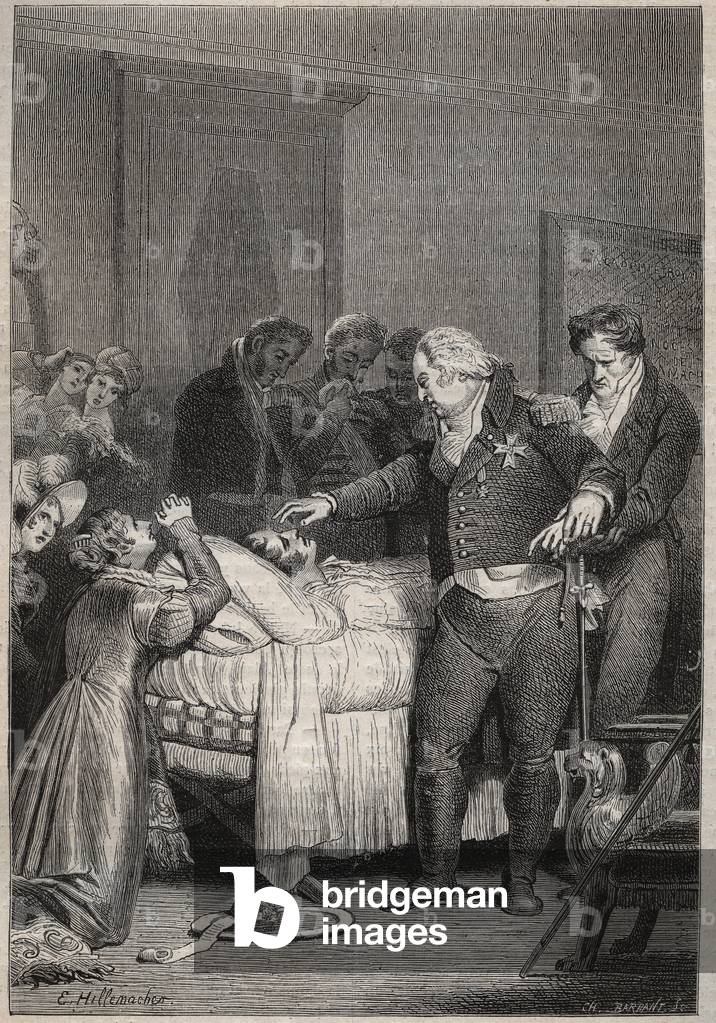
XEE4152393: Louis XVIII at the deathbed of the Duke of Berry - Les derniers moments du Duke de Berry on 13 February 1820 (1778 - 1820) à l'opera de Paris surrounds by Louis XVIII et de la famille royale - engraving in “Histoire de France racontee à mes petits enfants”” by Guizot, Unknown Artist, (19th century) / Bridgeman Images
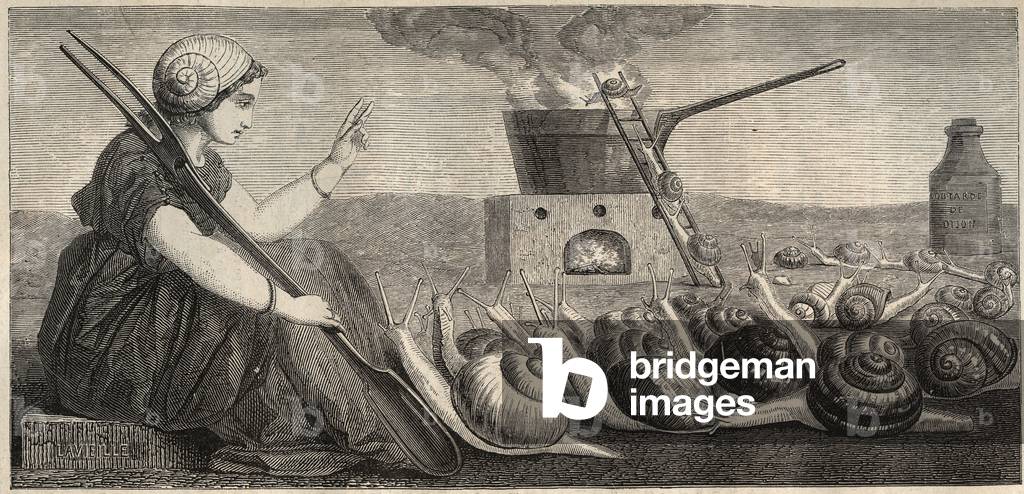
XEE4152584: Burgundy snail - engraving 19th century, Unknown Artist, (19th century) / Bridgeman Images

XEE4153615: Portrait of John II the Good (1319-1364), King of France - Portrait of John II, 'the Good' (1319-64) King of France - engraving from “” Instruction sur l'Histoire de France”” by Charles Constant Le Tellier 1821, Unknown Artist, (19th century) / Bridgeman Images

XEE4153306: Portrait of Louis Ludwig Spohr (1784 - 1859) German composer, violinist and conductor., Unknown Artist, (19th century) / Bridgeman Images

XEE4152047: ANNE DACIER (nee Lefebre) French Greek scholar and translator - portrait of Anne Lefebvre dit Madame Dacier (Mme Dacier), French scholar (1647-1720)., Unknown Artist, (19th century) / Bridgeman Images

XEE4153590: Cimarosa sees his car and luggage seized Domenico Cimarosa (1749-1801), Italian composer of the 18th century. engraving in “” Popular Music””” illustrious weekly newspaper - 1882, Unknown Artist, (19th century) / Bridgeman Images
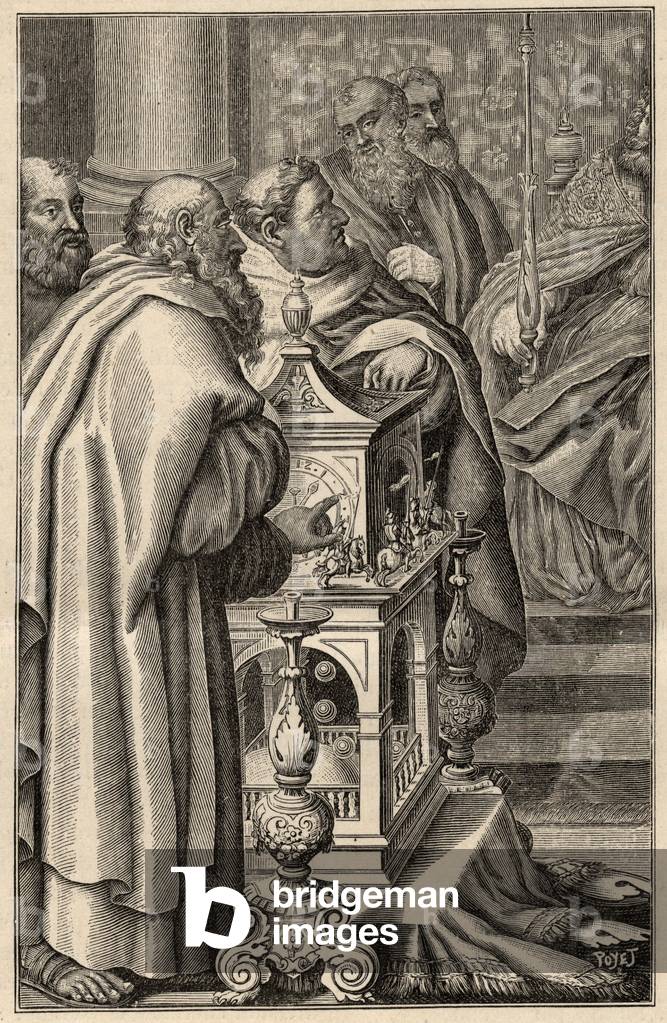
XEE4151074: Charlemagne receiving the gift of a clepsydra (water clock) from Harun al-Rashid - In 797 the caliph of Baghdad, Haroun ar-Rachid (765-809) offers Charlemagne a clepsydra (water clock, time measurement) emblematic of the technological know-how of Arab civilization -, Unknown Artist, (19th century) / Bridgeman Images

XEE4151378: Atlant defeated by Bradamante - engraving of 1851 from “” Furious Roland”” (Orlando furioso) (16th century) by Ludovico Ariosto, known as Ariosto - Edition translated from Italian by the Count of Tressan and published by Gustave Harvard 1851, Unknown Artist, (19th century) / Bridgeman Images

XEE4151479: Hypalca Arreted by Rodomont - 1851 engraving from “” Furious Roland”” (Orlando furioso) (16th century) by Ludovico Ariosto, known as Ariosto - Edition translated from Italian by the Count of Tressan and published by Gustave Harvard 1851, Unknown Artist, (19th century) / Bridgeman Images

XEE4151521: Chateau de Marganor - engraving of 1851 from “” Roland furieux”” (Orlando furioso) (16th century) by Ludovico Ariosto, known as the Ariosta - Edition translated from Italian by the Count of Tressan and published by Gustave Harvard 1851, Unknown Artist, (19th century) / Bridgeman Images

XEE4151319: Joseph Claude Anthelme Recamier (1774-1852), French surgeon - engraving in “La Sante Universelle - Guide Medical des Familles”” 1852, Unknown Artist, (19th century) / Bridgeman Images
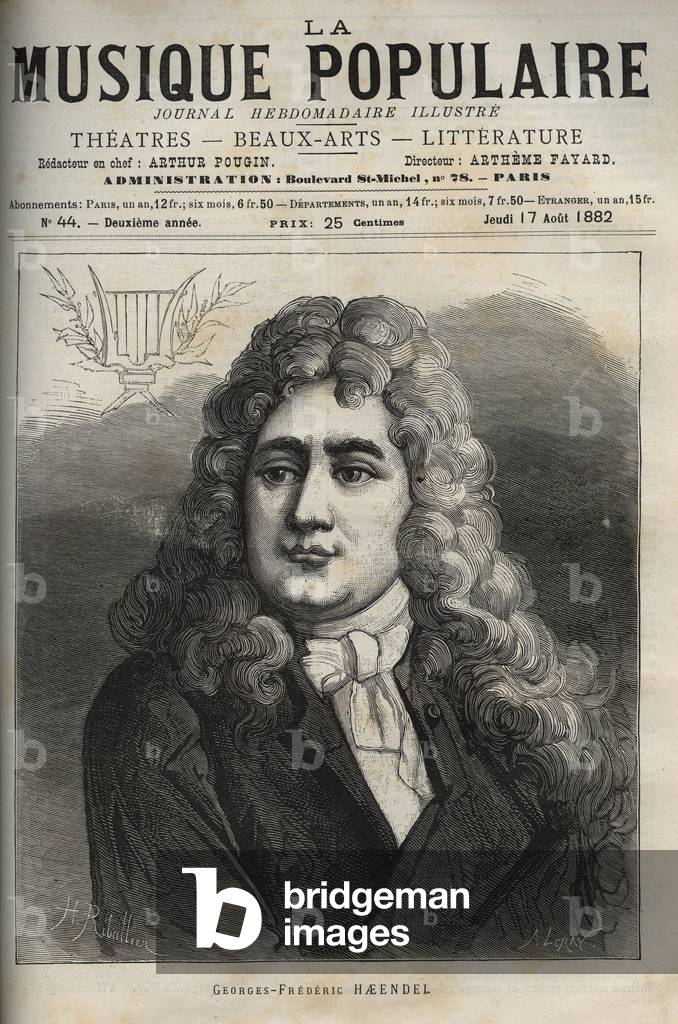
XEE4151818: Portrait of George Frederick Handel (Georg Friedrich Handel, 1685-1759) German composer - engraving in “” The popular music””” illustrated weekly newspaper - 1882, Unknown Artist, (19th century) / Bridgeman Images

LSE4079495: The woman, home doctor: water as a curative means. 1.Alution of a sick person in bed, 2.Alution by fire, 3.Alution alternates in a bathtub, 4.Rain shower, 5.Shower with a tap tube of a kitchen, 6.Watering in a small interior - in “The woman, home doctor””, 19th century, Unknown Artist, (19th century) / Bridgeman Images
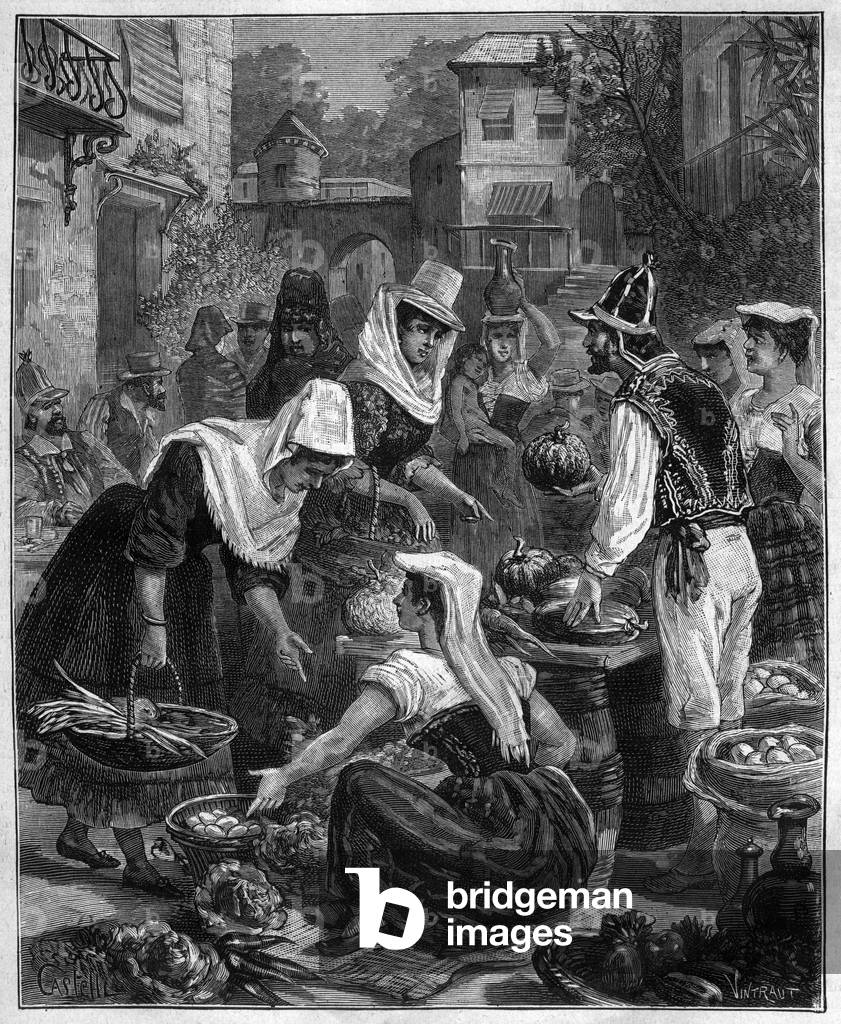
XEE4154264: A market day in Tenerife (Tenerife) in the Canary Islands in the Atlantic Ocean - A day of walking in Tenerife (Tenerife) in the Canary Islands in the Atlantic Ocean - engraving of 1888, Unknown Artist, (19th century) / Bridgeman Images