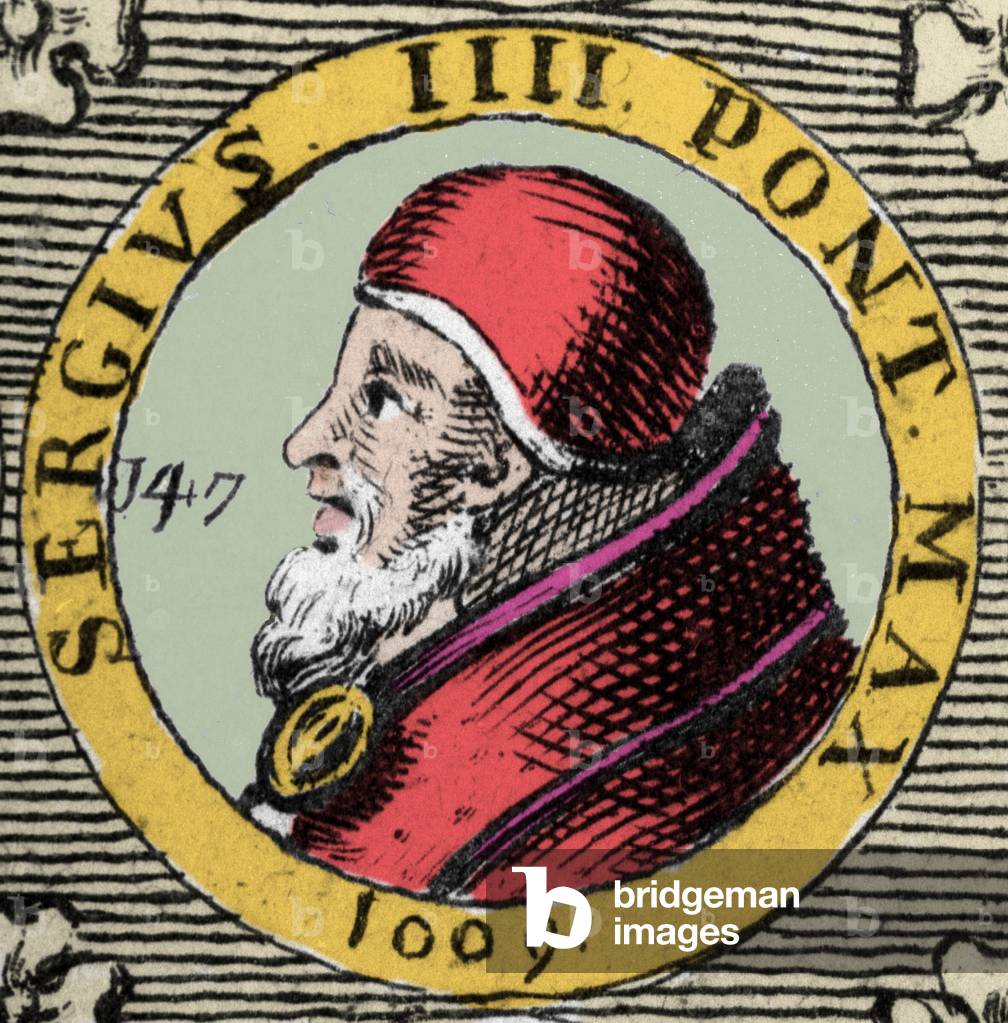
Unknown Artist, (19th century) Assets (17905 in total)
Results
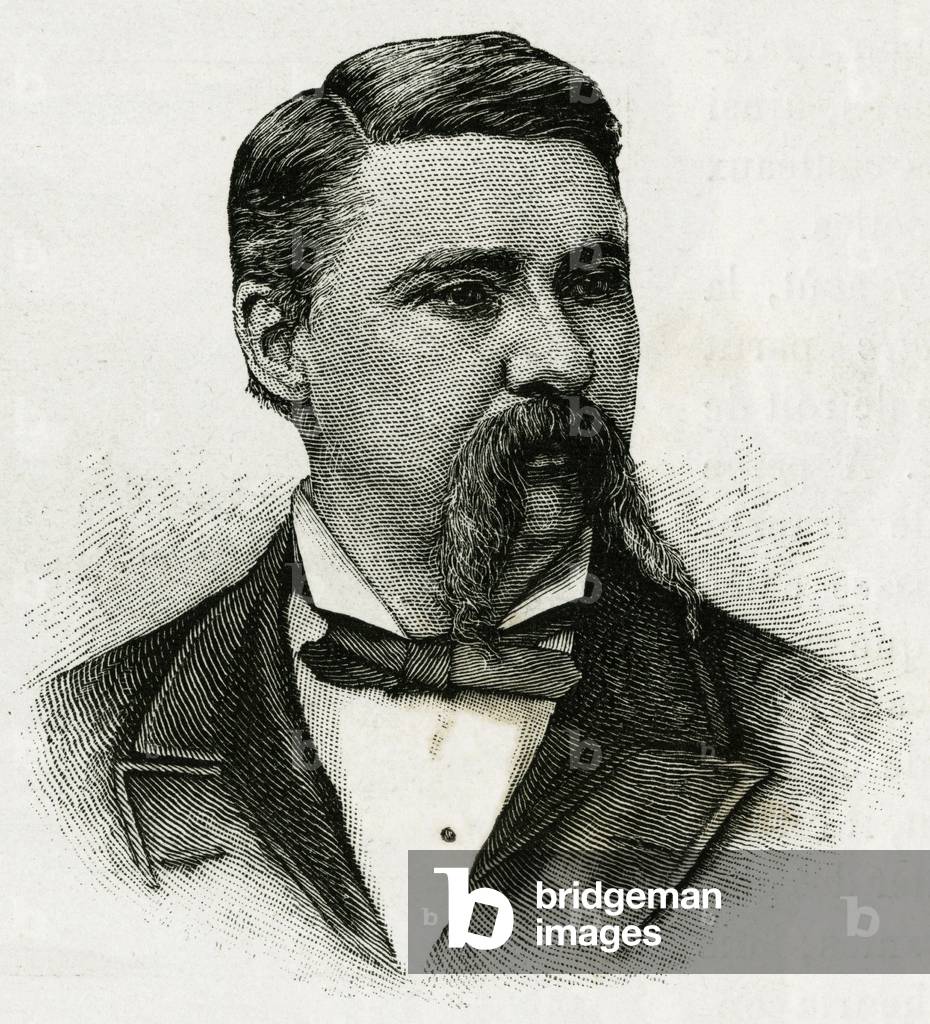
LSE4333898: Portrait of Jerome J, 19th century (engraving), Unknown Artist, (19th century) / Bridgeman Images
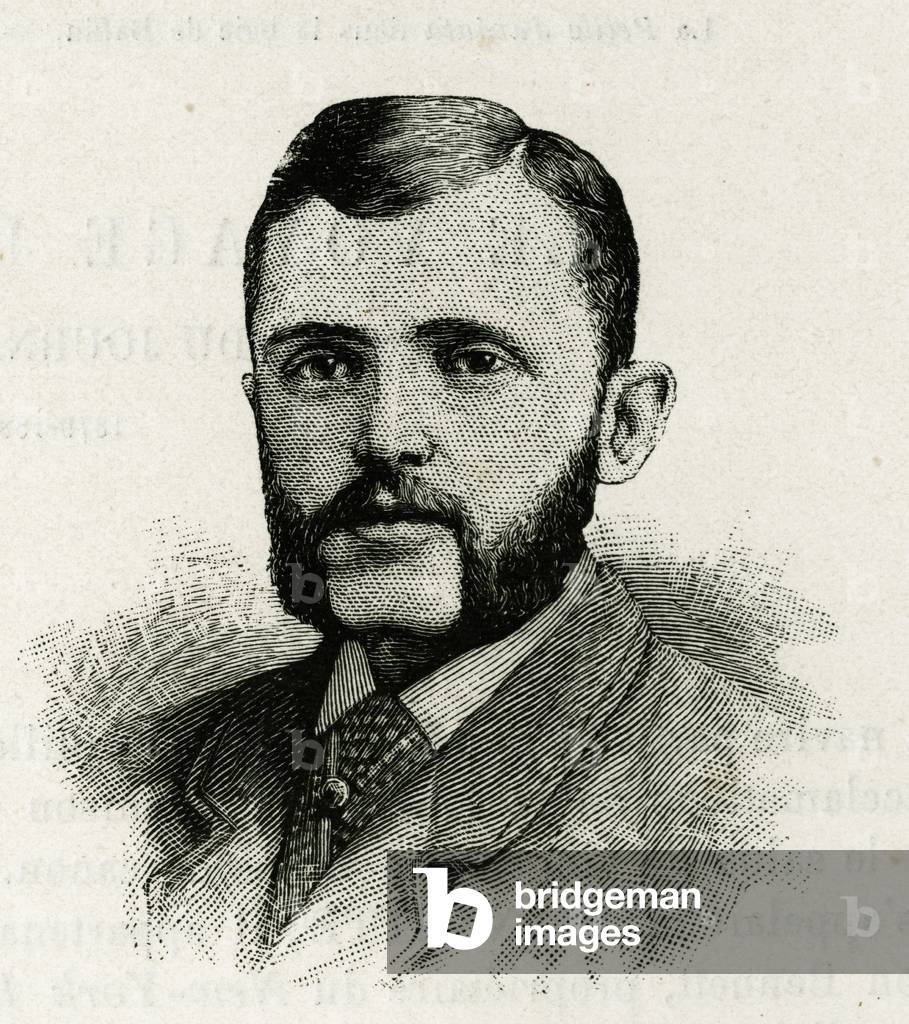
LSE4333912: Portrait of L, 19th century (engraving), Unknown Artist, (19th century) / Bridgeman Images

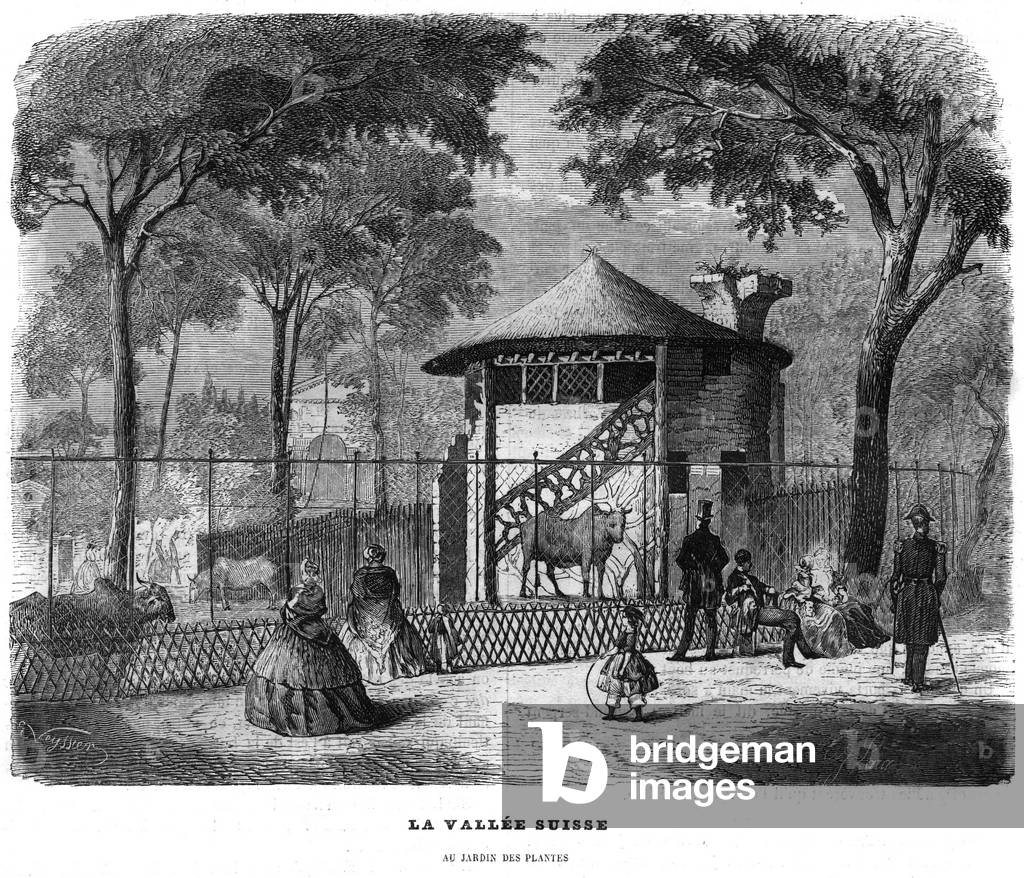
XEE4136337: The Swiss valley in the garden of plants in Paris in 1858., Unknown Artist, (19th century) / Bridgeman Images

XEE4136375: The members of the Academy Francaise in 1895: portrait of Edouard Pailleron (1834-1899), French poet and playwright., Unknown Artist, (19th century) / Bridgeman Images

XEE4136421: The members of the Academy Francaise in 1895: portrait of Sully Prudhomme (Armand Sully-Prudhomme dit) (Sully Prud'homme, Sully Prud'homme) (1839-1907), French poet and essayist., Unknown Artist, (19th century) / Bridgeman Images

XEE4136470: Anonymous chromolithography, late 19th century., Unknown Artist, (19th century) / Bridgeman Images
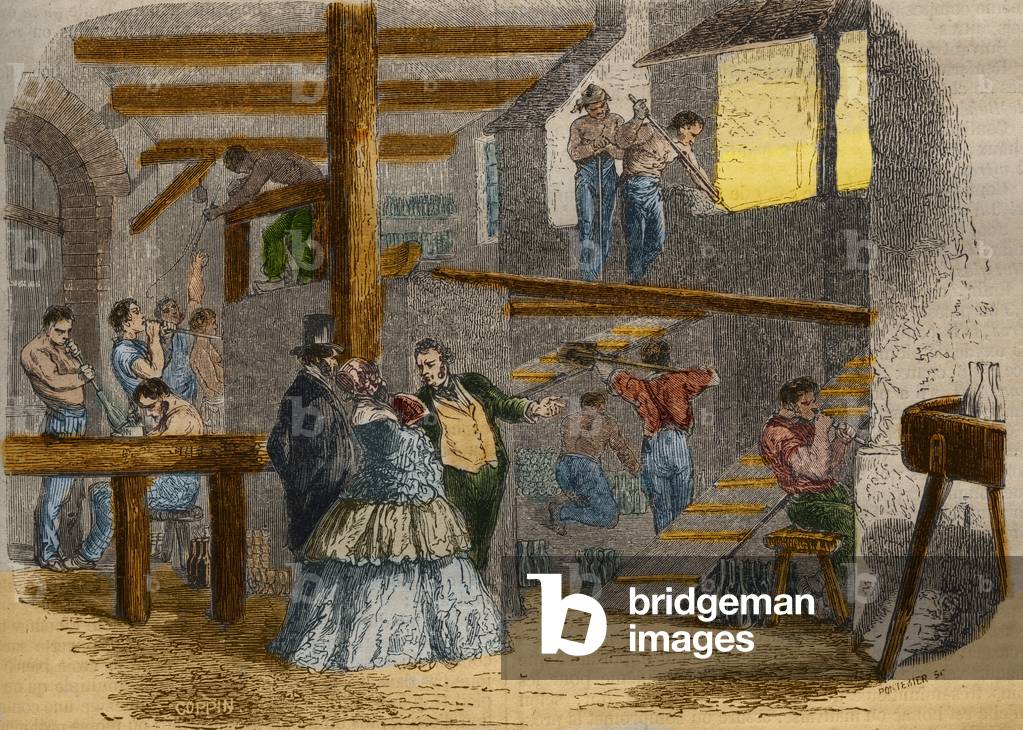
XEE4136741: View of the interior of a glassware with glass blowers. Engraving from 1856 in “” Le Musee Des Sciences””, Unknown Artist, (19th century) / Bridgeman Images
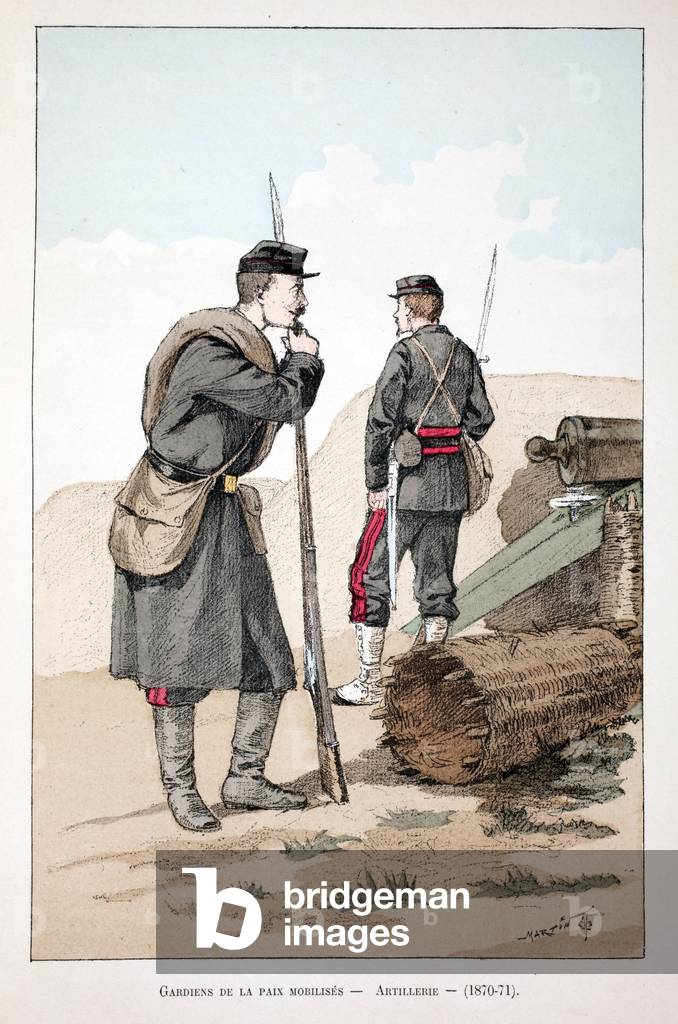
LSE4335442: Mobilized peacekeepers (1870-1871). Eau forte en couleurs, pour illustration “” Histoire du corps des gardiens de la paix””” book published under the auspices of Louis Lepine (1846-1933) prefet de police de la Seine, by Alfred Rey (1864-?) and Louis Feron (1862-?) , edition Firmin Didot et Cie, 1896, Paris., Unknown Artist, (19th century) / Bridgeman Images

LSE4335455: Raoul Rigault (1846-1871), delegate of the Commune to the former prefecture of police. Eau forte en couleurs, pour illustration “” Histoire du corps des gardiens de la paix””” book published under the auspices of Louis Lepine (1846-1933) prefet de police de la Seine, by Alfred Rey (1864-?) and Louis Feron (1862-?) , edition Firmin Didot et Cie, 1896, Paris., Unknown Artist, (19th century) / Bridgeman Images

LSE4335465: Dr. Roudil, chief medical officer of the municipal police (1867-1877). Eau forte en couleurs, pour illustration “” Histoire du corps des gardiens de la paix””” book published under the auspices of Louis Lepine (1846-1933) prefet de police de la Seine, by Alfred Rey (1864-?) and Louis Feron (1862-?) , edition Firmin Didot et Cie, 1896, Paris., Unknown Artist, (19th century) / Bridgeman Images

XEE4145873: Emperor Napoleon III (1808-1873) visits the rooms of the Hotel Dieu (Hotel-Dieu) for cholera patients and talks with them - Engraving In “” The Illustrous World””, 1865 - Napoleon III (1808-1873) visiting the Hotel Dieu in Paris and talking with cholera sufferers - Engraving from “” Le Monde Illustré”, 1865, Unknown Artist, (19th century) / Bridgeman Images

XEE4145901: Opening of the session of the Senate and Admission of General Charles Cousin Montauban (1796-1878), Viscount de la Gueronniere et de Forcade, December 2, 1861 - Engraving In “” Le Monde Illustré””, 1861 - French general Charles Cousin Montauban (Cousin-Montauban) (1796-1878) officially becomes senator, 2nd December 1861 - Waving from “” The World Illustrous””, 1861, Unknown Artist, (19th century) / Bridgeman Images

XEE4146983: Ebenezer Elliot (1781-1849) English poet - engraving, Unknown Artist, (19th century) / Bridgeman Images

XEE4147050: Portrait of Cardinal Jean-Baptiste (Jean Baptiste) by Belloy Morangle (Belly-Morangle) (1709-1808) Engraving of the 19th century, Unknown Artist, (19th century) / Bridgeman Images

XEE4147065: Internal view of the correctional police, 6th chamber in Paris in the 19th century - Engraving in “Tableau-de-Paris” by Edmond Texier, 1852, Unknown Artist, (19th century) / Bridgeman Images

XEE4147070: Jean-Antoine Nollet (1700-1770), French experimental physicist and clergy - Portrait of the Abbe Jean Antoine Nollet (1700-1770), French physicist, Unknown Artist, (19th century) / Bridgeman Images

XEE4147543: Europe and the Orient at the time of the 3rd Great Crusade at the end of the 13th century - Map prepared by M J-H Schnitzler, Historical and Picturesque Atlas 1858, Unknown Artist, (19th century) / Bridgeman Images

XEE4147672: The Omnibus of Paris: their transformations in the 19th century: the cuckoo - the Scottish - the Carolina - the car has 60 seats - the white lady - the trycicle - the Bearnaise - the Parisian - the modern omnibus, Unknown Artist, (19th century) / Bridgeman Images

LRI4628594: Portrait of Giuseppina Raimondi (1841-1918) Wife of the Patriote and Heros of the Italian Risorgimento Giuseppe Garibaldi (1807-1882), Unknown Artist, (19th century) / Bridgeman Images
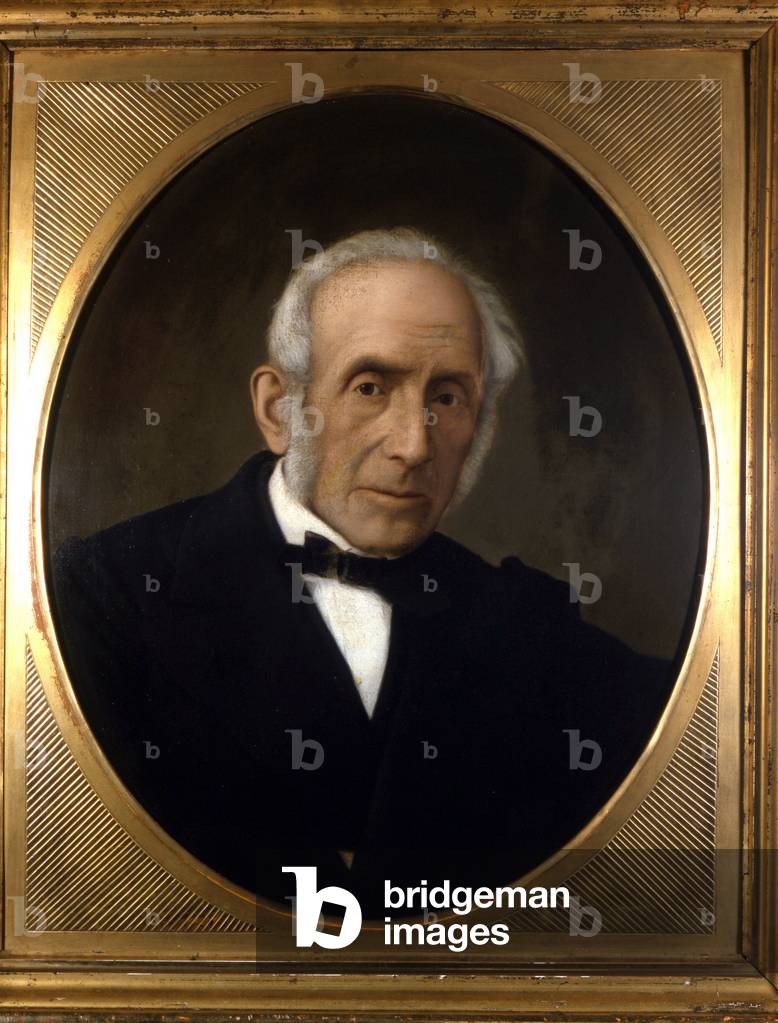
GIA4797799: Portrait of Alessandro Manzoni (1785 - 1873), Italian writer Anonymous painting. 19th century Milan, casa del Manzoni, Unknown Artist, (19th century) / Bridgeman Images

GIA4798928: Traditional Shepherd Costume of Labassere, Bearn, 1810, Unknown Artist, (19th century) / Bridgeman Images

GIA4799499: The charge of the Huns led by Attila (405-453), defering on Italy, 5th century - Engraving by U. Checa, 19th century., Unknown Artist, (19th century) / Bridgeman Images

GIA4799943: American inventor Samuel Finley Breese Morse (1791- 1872) aboard the ship “Sully” on 13/10/1832 (engraving), Unknown Artist, (19th century) / Bridgeman Images

XEE4147793: Portrait of Emma Laure Esther Guilbert, dit Yvette Guilbert (1865-1944) French singer of the coffee-concert - Engraving of 1892, Unknown Artist, (19th century) / Bridgeman Images
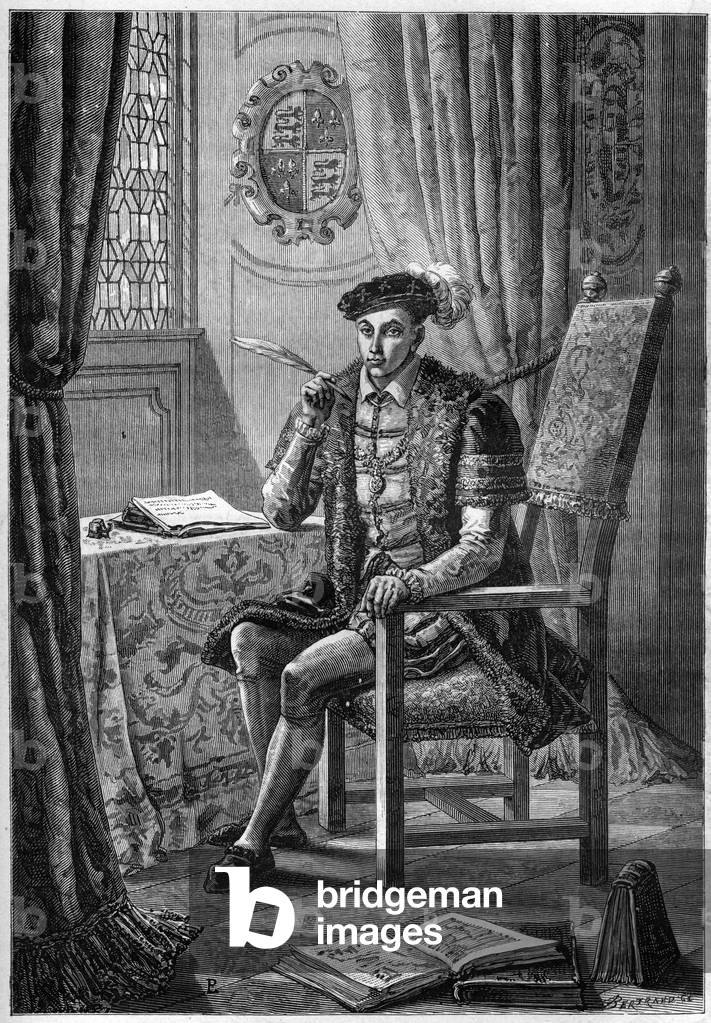
XEE4148130: Portrait of Edward VI (1537-53) - Portrait of King Edward VI of England and Ireland (1537-1553) writing his diary - engraving in “L'Histoire d'Angleterre, depuis les temps plus recules” by Francois Guizot 1877, Unknown Artist, (19th century) / Bridgeman Images
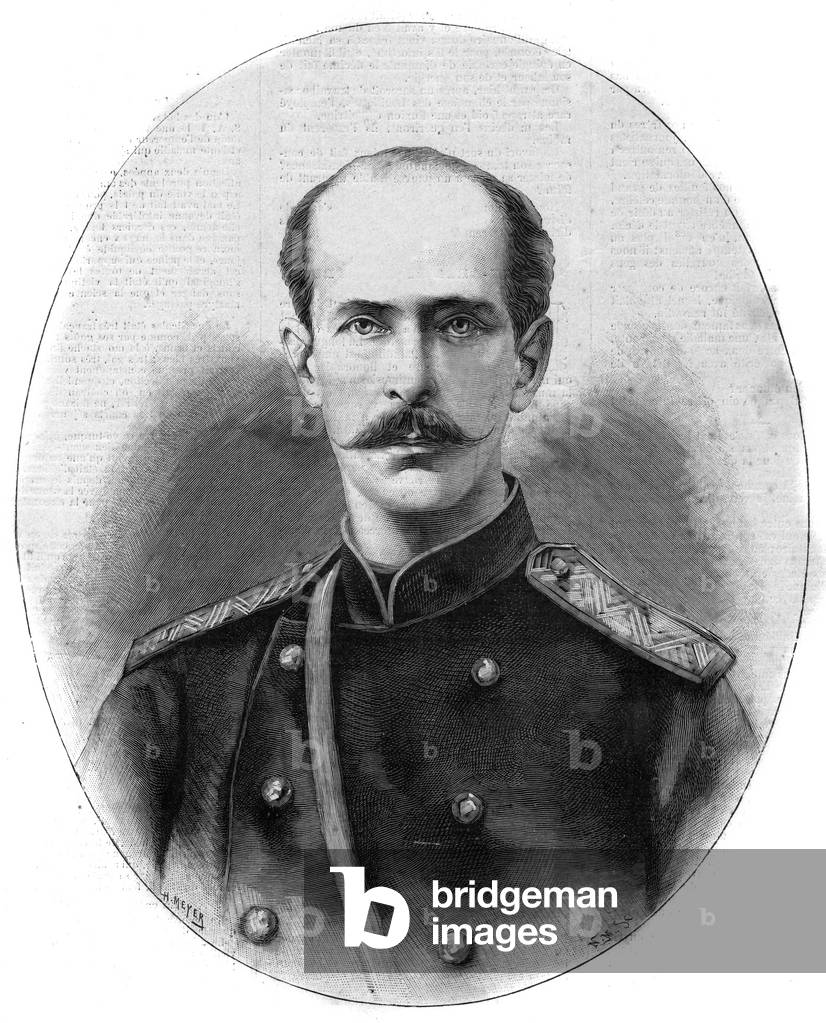
XEE4148265: Portrait of Nicholas Maximilianovich of Leuchtenberg, Duke of Leuchtenberg and Prince Romanovsky (1843-1891) - The illustrious diary of 1891, Unknown Artist, (19th century) / Bridgeman Images

GIA4800936: Dr. Albert C. Koch's fake sea snake. The skeleton was mounted with bones from various animals. The snake was named “Hydrarcus Silimanni”. He was exhibited in New York with great success in 1845. When the fraud was discovered, Koch ran away and went back to the exhibition in Europe. Era engraving., Unknown Artist, (19th century) / Bridgeman Images

GIA4803758: Portrait of Luigi Boccherini. (1743 - 1805). Italian composer., Unknown Artist, (19th century) / Bridgeman Images

GIA4804747: Female Member of the South African tribe of Hottentots, engraving of 1820., Unknown Artist, (19th century) / Bridgeman Images

XEE4149335: Annual pilgrimage of March 21 at the convent of St. Benedict on Mount Cavo (Colli Albani) near Rome - Engraving of 1868, Unknown Artist, (19th century) / Bridgeman Images
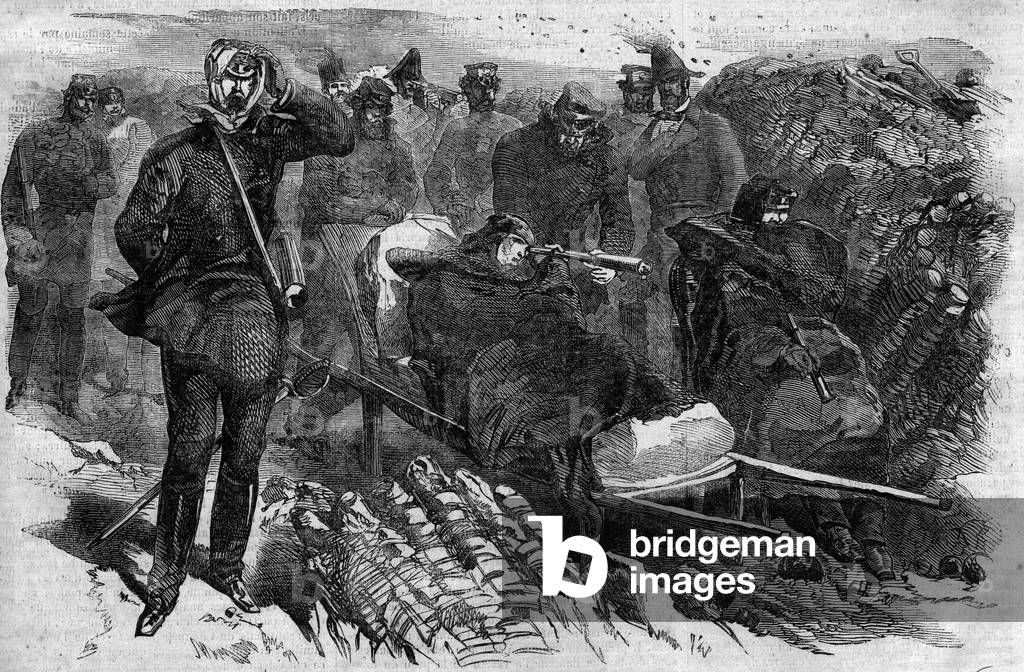
XEE4149467: The capture of Magdala in Ethiopia on 13/04/1868: the troops of General Robert Cornelis (Cornelius) Napier (1810-1890) stormed the fortress of Abyssinia - Napier and its staff before Magdala in 1868, Unknown Artist, (19th century) / Bridgeman Images

GIA4806259: Ozouf apparatus for the manufacture of carbonated water., Unknown Artist, (19th century) / Bridgeman Images

GIA4807392: Portrait of Thaddeus (Tadeusz) Kosciuszko (Kosciusko) Polish soldier (1746-1817). Engraving of the 19th century, Unknown Artist, (19th century) / Bridgeman Images

XEE4150157: Portrait of the Marquise of Boufflers Marie Francoise Catherine de Beauvau Craon (1711-1787) - Engraving of 1862 in “” The Queens of the World”” by our first writers - Published under the direction of JGD Armandaud, Unknown Artist, (19th century) / Bridgeman Images