Unknown Artist, (19th century) Assets (17900 in total)
Results

LSE4328056: Old Bambara, chief of tribe in Yamina (Niger) smoking the pipe and wearing the traditional chief cover of his tribe. Engraving to illustrate the voyage to Western Sudan of Lieutenant (Navy) M.Mage, in 1863-1866, published in “Le tour du monde, nouveau journal des voyages”, under the direction of Edouard Charton, 1868, Paris. Selva Collection., Unknown Artist, (19th century) / Bridgeman Images

LSE4328062: Talibe (a young student studying the Qur'an) from the army of King Ahmadu (Toucouleur), in a war suit. Engraving to illustrate the voyage to Western Sudan of Lieutenant (Navy) M.Mage, in 1863-1866, published in “Le tour du monde, nouveau journal des voyages”, under the direction of Edouard Charton, 1868, Paris. Selva Collection., Unknown Artist, (19th century) / Bridgeman Images

LSE4328102: A Greenland kayak, passing the wave barrier. Engraving to illustrate the voyage to the free sea of the Arctic pole, by Doctor Hayes, surgeon of the United States Navy, in 1860-1862, published in “Le tour du monde, nouveau journal des voyages”, edited by Edouard Charton, 1868, Paris. Selva Collection., Unknown Artist, (19th century) / Bridgeman Images

LSE4328166: Colorado Indians attacking transcontinental diligence in the desert in July 1867. Engravure pour illustration le voyage au far west americain, by M. L. Simonin, in 1867, published in “Le tour du monde, nouveau journal des voyages””, edited by Edouard Charton, 1868, Paris. Selva Collection., Unknown Artist, (19th century) / Bridgeman Images

LSE4328220: Women and children of the Roman countryside at rest on the edge of the Tiber, behind the horizon: the domes of St. Peter's Basilica in the Vatican. Engraving to illustrate the voyage to Rome, by Francis Wey, in 1864-1868, published in “Le tour du monde, nouveau journal des voyages”, under the direction of Edouard Charton, 1868, Paris. Selva Collection., Unknown Artist, (19th century) / Bridgeman Images

LSE4328232: A pilou-pilou (or pill or pill) in the night, a traditional dance of kanak tribal ceremonies. Engravure pour illustrrer le voyage à la Nouvelle Caledonie, by Jules Garnier, civil engineer of mines, in 1863-1866, published in “Le tour du monde, nouveau journal des voyages”, edited by Edouard Charton, 1868, Paris. Selva Collection., Unknown Artist, (19th century) / Bridgeman Images

LSE4328287: A traveling salesman of painted lantern passes by a florist shop in Yedo (or Edo, present-day Tokyo), where a woman creates a composition of large flowers, while bonsai size is rather a masculine art. Engraving to illustrate Japan, travel story by Aime Humbert, minister of the Swiss Confederation, in 1863-1864, published in “Le tour du monde, nouveau journal des voyages”, under the direction of Edouard Charton, 1868, Paris. Selva Collection., Unknown Artist, (19th century) / Bridgeman Images

LSE4328368: One night in the belly of a whale, the author is welcomed during his journey in a boer, home of fishermen, whose frame and furniture are made from the skeleton of the huge cetacee and from the skins of seals, horses and dogs. Engraving to illustrate the voyage in Iceland, recital by Noel Nougaret, in 1866, published in “Le tour du monde, nouveau journal des voyages””, edited by Edouard Charton, 1868, Paris. Selva Collection., Unknown Artist, (19th century) / Bridgeman Images

LSE4328462: Ball players in Rome (Italy). Engraving to illustrate the voyage to Rome, by Francis Wey, in 1864-1868, published in “Le tour du monde, nouveau journal des voyages”, under the direction of Edouard Charton, 1868, Paris. Selva Collection., Unknown Artist, (19th century) / Bridgeman Images

LSE4328518: Milk merchants, in the streets of Madras (present-day Chennai, Tamil Nadu). Engraving to illustrate the voyage in the meridional provinces of India, by Alfred Grandidier, in 1862-1864, published in “” le tour du monde””, under the direction of D'Edouard Charton, Hachette, Paris 1869.Selva Collection., Unknown Artist, (19th century) / Bridgeman Images

LSE4328529: The eagle protecting his nest from the intruder. Engraving to illustrate the story Quatre mois en Florida, by M. Pousselgue, in 1851-1852, published in “” le tour du monde””, under the direction of D'Edouard Charton, Hachette, Paris 1869.Selva Collection., Unknown Artist, (19th century) / Bridgeman Images

LSE4328540: Chief Yellow Moccassin, of the Crow Indian tribe, living along the Lewis River. Engraving to illustrate an excursion among the Indian tribes of the basins of Colombia and Upper Missouri, by G. Catlin, in 1855, published in “” le tour du monde””, under the direction of D'Edouard Charton, Hachette, Paris 1869.Selva Collection., Unknown Artist, (19th century) / Bridgeman Images

LSE4328615: Tatars in prayer, in the Mosque of Schusha (Transcaucasia, Russia). Engraving to illustrate the voyage in the provinces of the Caucasus, by Basile Vereschaguine, in 1864-1865, published in “” le tour du monde””, under the direction of D'Edouard Charton, Hachette, Paris 1869.Selva Collection., Unknown Artist, (19th century) / Bridgeman Images

LSE4328705: A merchant of murder complaining, on the streets of Edo (present-day Tokyo), he is in charge of reading the lists of executions and selling the printed sheets of the trial records. Engraving to illustrate the journey to Japan, by Aime Humbert, minister of the Swiss Confederation, in 1863-1864, published in “” le tour du monde””, under the direction of Edouard Charton, Hachette, Paris 1869.Selva Collection., Unknown Artist, (19th century) / Bridgeman Images

LSE4328723: Theatre Saltimbanks: jugglers, equiibrists and acrobats, the ones, are typical of the Edo region (Tokyo), recognizable by their balancing tricks with false nose of manure, the main attribute of the divinite Tengu, patron of these saltibanks. Engraving to illustrate the journey to Japan, by Aime Humbert, minister of the Swiss Confederation, in 1863-1864, published in “” le tour du monde””, under the direction of Edouard Charton, Hachette, Paris 1869.Selva Collection., Unknown Artist, (19th century) / Bridgeman Images
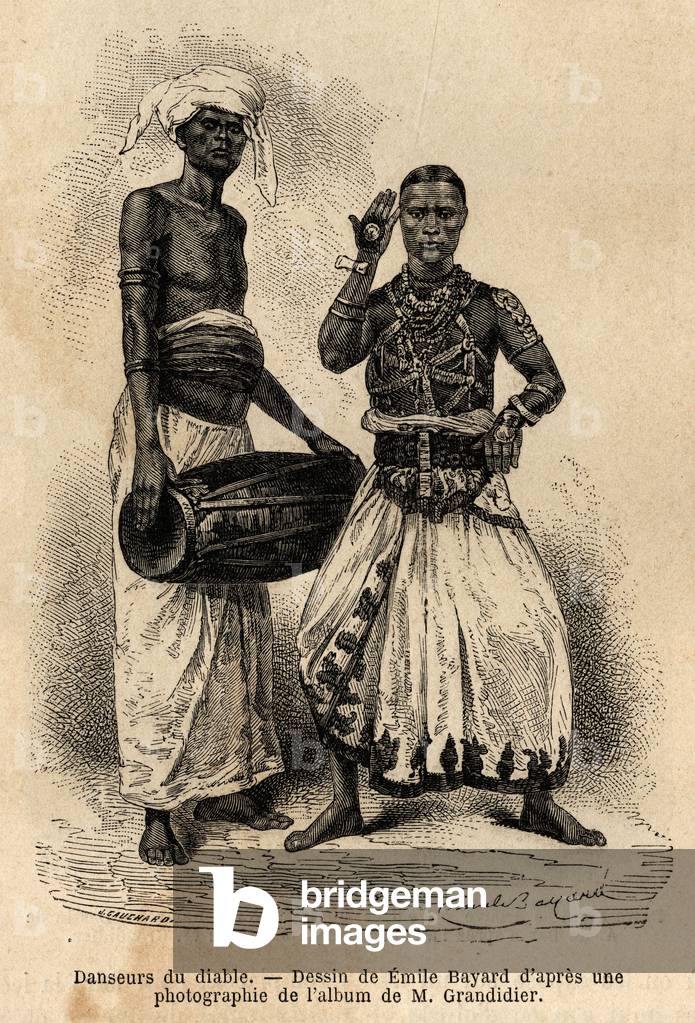
LSE4328766: The devil's dancers, whose practice dates back to the 3rd century AD, rely on superstitious beliefs of incantations, singing and dancing, in order to warn a sick person or drive out a nefaste influence. Engraving to illustrate the voyage in the meridional provinces of India, by Alfred Grandidier, in 1862-1864, published in “” le tour du monde””, edited by Edouard Charton, Hachette, Paris 1869.Selva Collection., Unknown Artist, (19th century) / Bridgeman Images
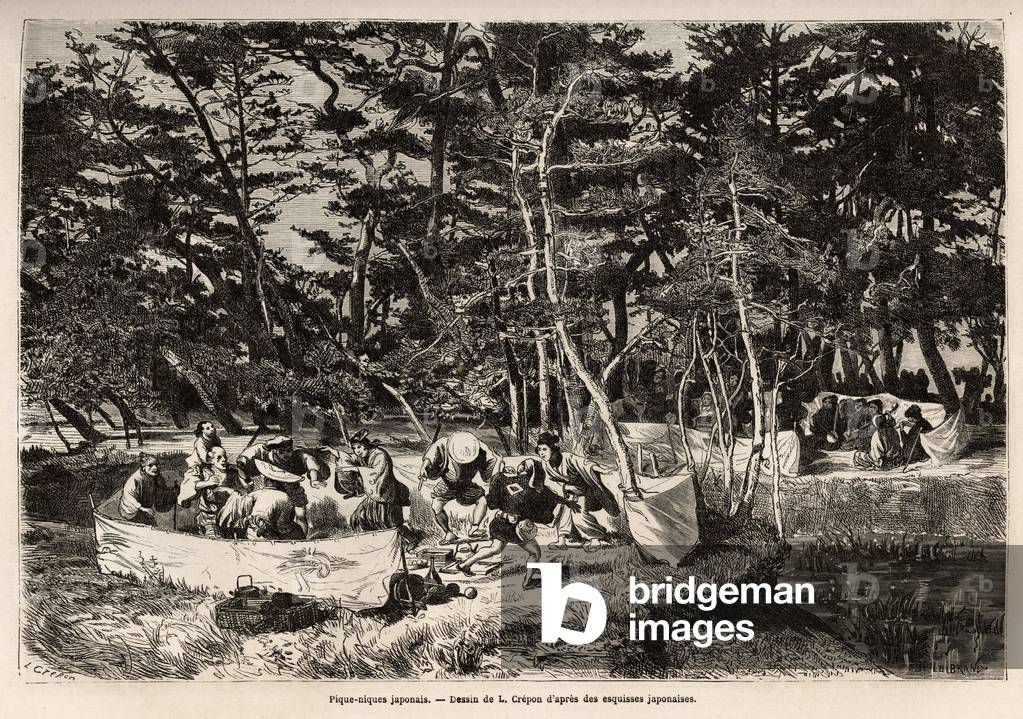
LSE4328802: A bourgeois picnic (or picnic) in the suburbs of Edo (present-day Tokyo), inside a fabric enclosure, guests, usually two families) share their meal and often suitable for the occasion for musicians, dancers and pantomimes. Engraving to illustrate the voyage to Japan, by Aime Humbert, minister of the Swiss Confederation, in 1863-1864, published in “” Le tour du monde””” 1869, edited by Edouard Charton, edition Hachette, Paris. Selva Collection., Unknown Artist, (19th century) / Bridgeman Images

LSE4328816: Mitrons pounding rice, before it is brewed to make rice beer. Engraving to illustrate the voyage to Japan, by Aime Humbert, minister of the Swiss Confederation, in 1863-1864, published in “” Le tour du monde””” 1869, edited by Edouard Charton, edition Hachette, Paris. Selva Collection., Unknown Artist, (19th century) / Bridgeman Images

LSE4328849: The trade of the tea: wholesale and retail shipping. Engraving to illustrate the voyage to Japan, by Aime Humbert, minister of the Swiss Confederation, in 1863-1864, published in “” Le tour du monde””” 1869, edited by Edouard Charton, edition Hachette, Paris. Selva Collection., Unknown Artist, (19th century) / Bridgeman Images
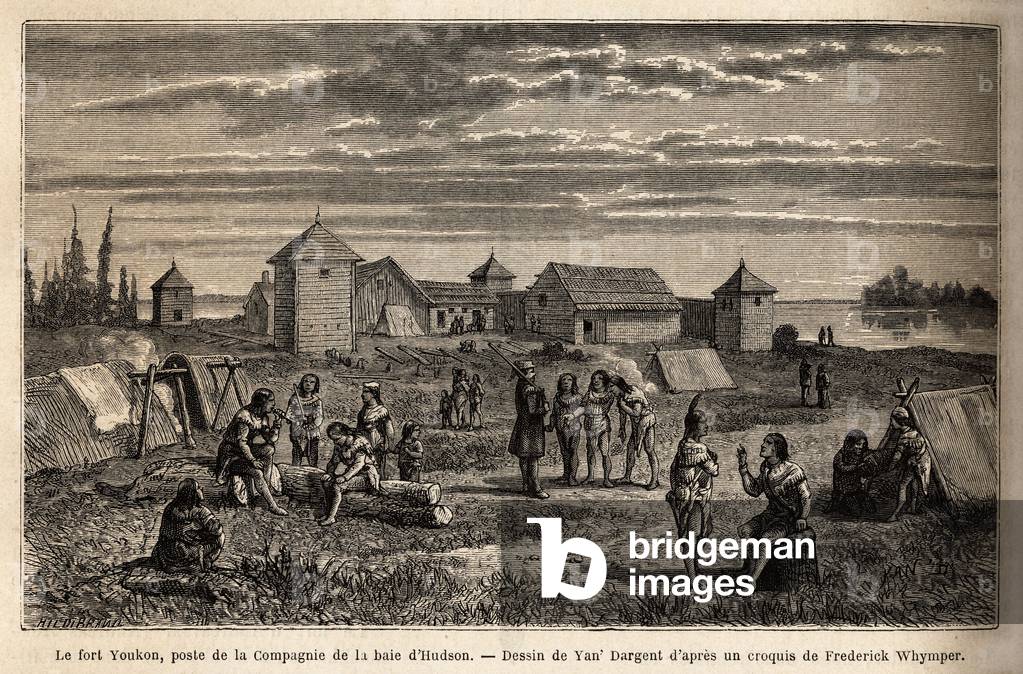
LSE4328883: Fort Youkon, in the Gulf of Norton, Alaska, founded in 1847, an establishment of the Hudson Bay Company, Indians encamped around the palisades. Engraving to illustrate the voyage and adventures in English Colombia, Vancouver Island and Alaska, by Frederick Whymper, 1864-1867, published in “” Le tour du monde””” 1869, edited by Edouard Charton, Hachette edition, Paris. Selva Collection., Unknown Artist, (19th century) / Bridgeman Images
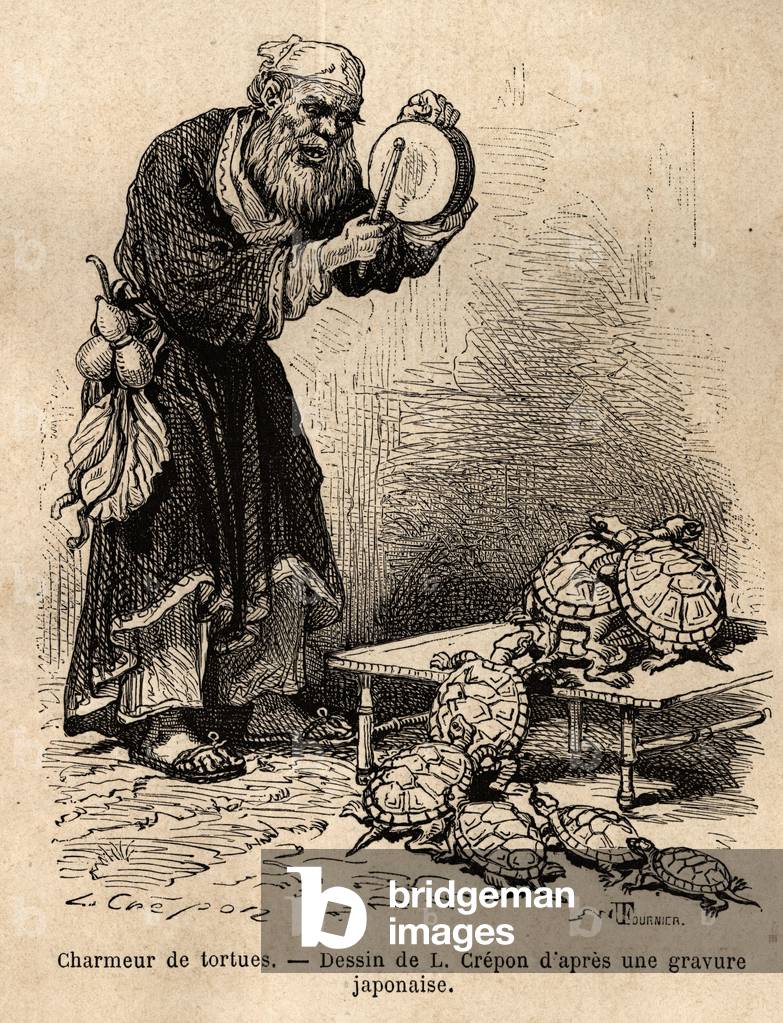
LSE4328907: A turtle charmer, belonging to the intermediate jam between beggars and fairy charlatans. Engraving to illustrate the journey to Japan, by Aime Humbert, minister of the Swiss Confederation, in 1863-1864, published in “” le tour du monde””, under the direction of Edouard Charton, Hachette, Paris 1869.Selva Collection., Unknown Artist, (19th century) / Bridgeman Images
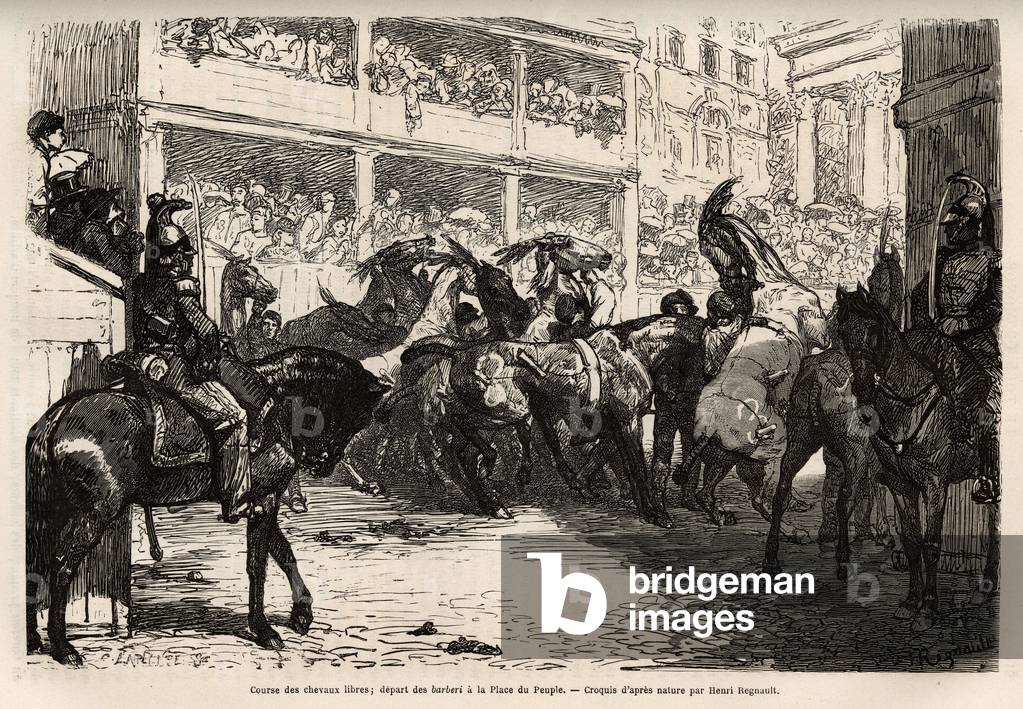
LSE4328966: The free horse race, organized four times during the carnival, starts at the People's Square, then spears at the triple gallop on the Corso to the Venice Square, where the prizes are presented. Engraving to illustrate the voyage to Rome, by Francis Wey, in 1864-1870, published in “Le tour du monde”” 1870-1871, edited by Edouard Charton, edition Hachette, Paris. Selva Collection., Unknown Artist, (19th century) / Bridgeman Images
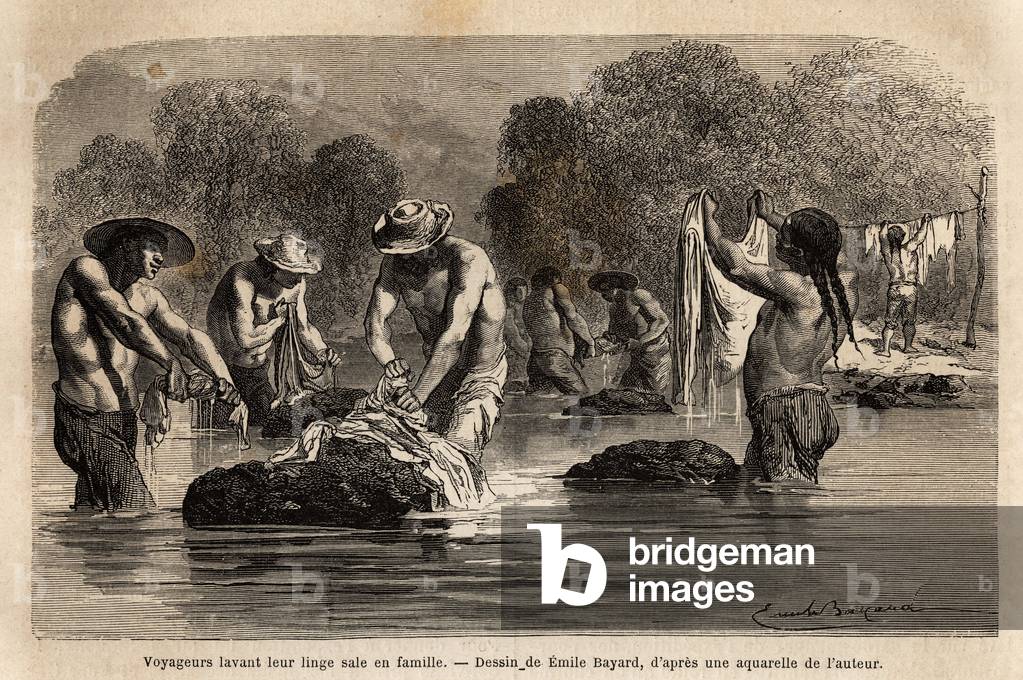
LSE4329069: Travellers washing their dirty laundry in the river, along with Bolivian peons, in the vicinity of Maniri (Lower Peru). Engravure pour illustrrer le voyage dans les vallees de Quinquinas, by Paul Marcoy, in 1849-1861, published in “” Le tour du monde””” 1870-1871, edited by Edouard Charton, edition Hachette, Paris. Selva Collection., Unknown Artist, (19th century) / Bridgeman Images

LSE4329095: Moharum festival, celebrated at the beginning of the year by the Islamic community of India, after making taboons, golden paper temples imitating the tombs of the imams and after passing them through the streets, the taboons are thrown into the sea. Engraving to illustrate the voyage in India of the Rajahs, by Louis Rousselet, in 1864-1868, published in “” Le tour du monde””” 1870-1871, edited by Edouard Charton, edition Hachette, Paris. Selva Collection., Unknown Artist, (19th century) / Bridgeman Images

LSE4329156: Two Siriniris Indians try to coat up pants and vest, which a member of the expedition had put to dry on the shore of the lakes at the foot of Mount Basiri (Peru). Engravure pour illustrrer le voyage dans les vallees de Quinquinas (Peru), by Paul Marcoy, in 1849-1861, published in “” Le tour du monde””” 1872, edited by Edouard Charton, edition Hachette, Paris. Selva Collection., Unknown Artist, (19th century) / Bridgeman Images

LSE4329185: The palmist cabbages; after being robbed by Indians, the expedition has no equipment and uses local techniques to collect food, making a hoop with a vine, the peons of the team can climb along the trunks to collect some fruit. Engravure pour illustrrer le voyage dans les vallees de Quinquinas (Peru), by Paul Marcoy, in 1849-1861, published in “” Le tour du monde””” 1872, edited by Edouard Charton, edition Hachette, Paris. Selva Collection., Unknown Artist, (19th century) / Bridgeman Images

LSE4329243: The etal of a butcher in the suburbs of Sainte Martha (Santa Marta, Colombia), the oxen are bleeding and the skin carefully extended, the flesh is cut into stripes and put to salt and dry, the rest, unconsumable, is thrown on the ground and attracts vultures. Engraving to illustrate the voyage to New Granada, by Dr. Saffray, in 1869, published in “” Le tour du monde””” 1872, edited by Edouard Charton, edition Hachette, Paris. Selva Collection., Unknown Artist, (19th century) / Bridgeman Images
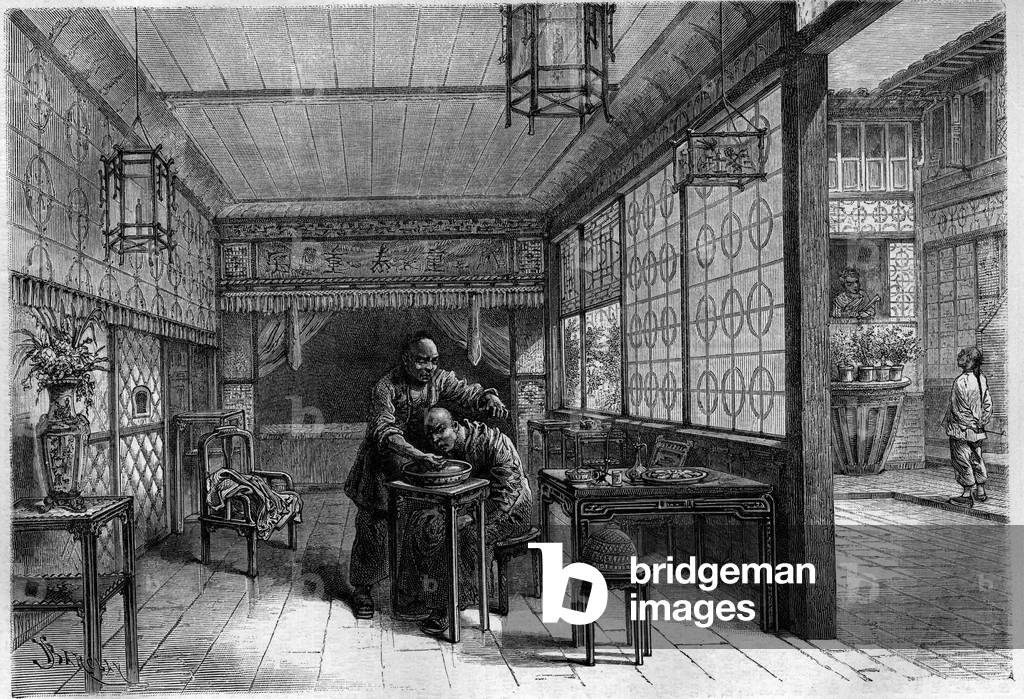
XEE4134107: Rich Chinese in his barber. Engraving in “The Youth Journal”, 1884., Unknown Artist, (19th century) / Bridgeman Images

XEE4134544: American expedition to Lady Franklin Bay: rescue of the crew, 1889 (engraving), Unknown Artist, (19th century) / Bridgeman Images
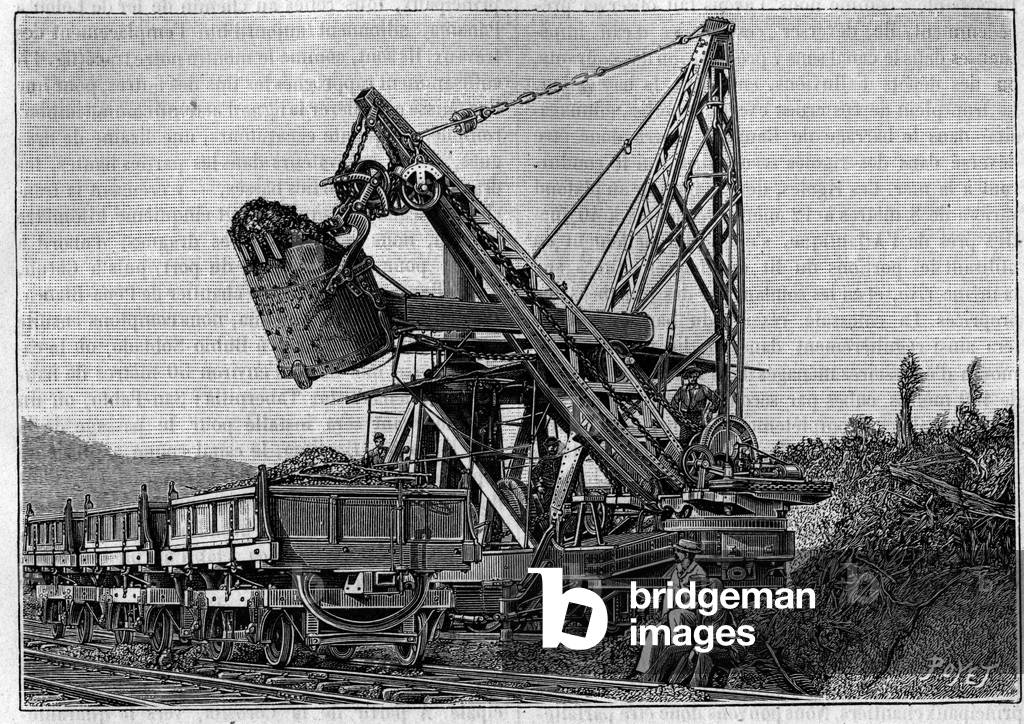
XEE4134652: Construction of the Panama Canal - drilling of the Panama Isthmus, 1885: Osgood excavator in the large trench of the Culebra. (From a photograph). Engraving in “” La Nature: revue des sciences et de leurs applications aux arts et a l'industrie”” of 6 June 1885., Unknown Artist, (19th century) / Bridgeman Images

LSE4329326: A cane merchant and his mule in Cartago (Costa Rica), the only merchant who animates the empty streets of the city. Engraving to illustrate the voyage to New Granada, by Dr. Saffray, in 1869, published in “” Le tour du monde””” 1873, edited by Edouard Charton, edition Hachette, Paris. Selva Collection., Unknown Artist, (19th century) / Bridgeman Images
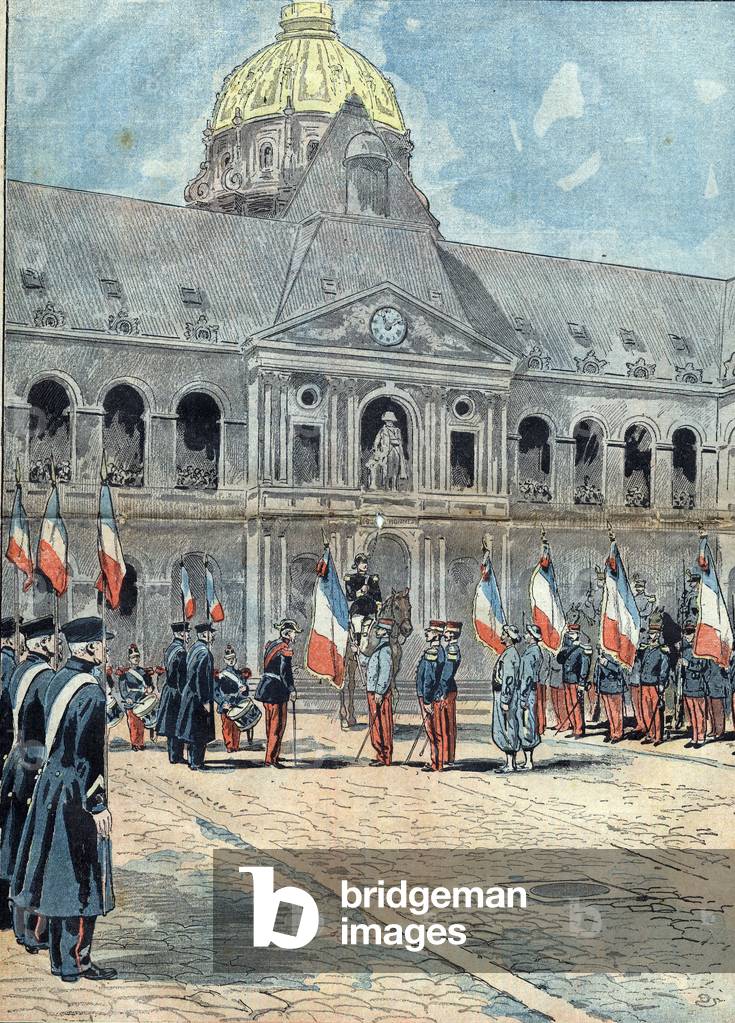
XEE4134877: Hotel des Invalides - Paris - 26 June 1898 - "Le Pelerin" July 10, 1898 (engraving), Unknown Artist, (19th century) / Bridgeman Images
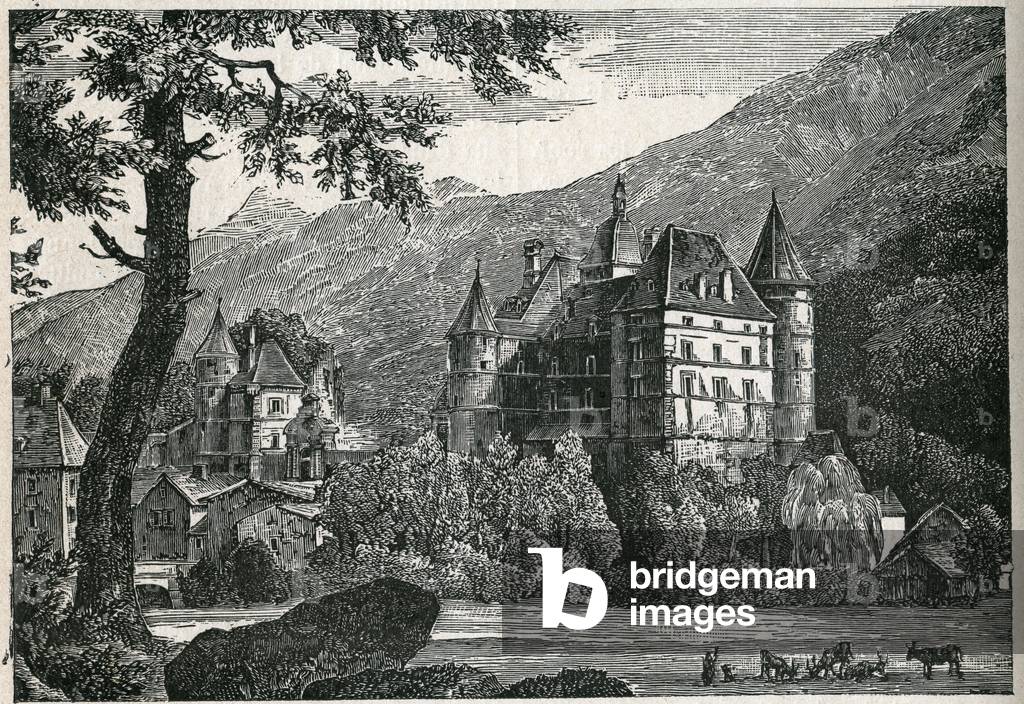
XEE4135511: View of the castle of Vizille in Isere., Unknown Artist, (19th century) / Bridgeman Images
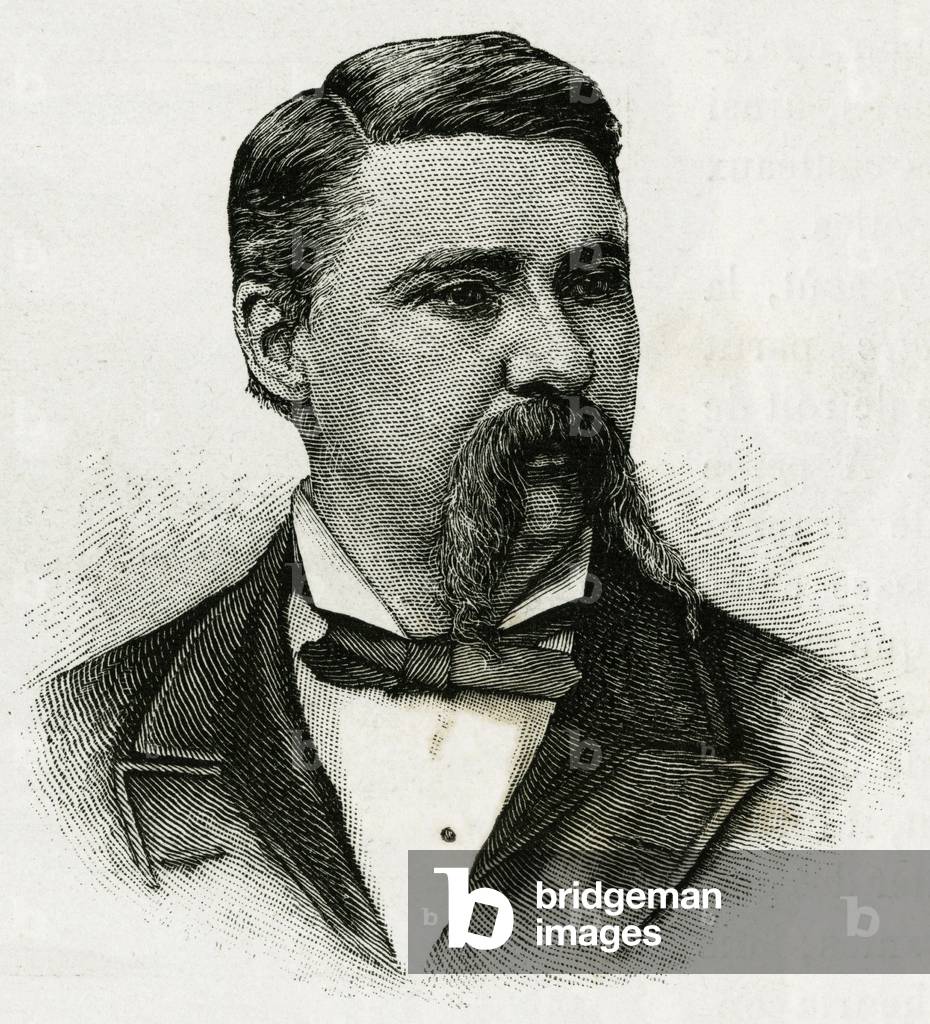
LSE4333898: Portrait of Jerome J, 19th century (engraving), Unknown Artist, (19th century) / Bridgeman Images