2497527 Search Results

NAM5921825: Second Lieutenant Louis Dell, 7th (Service) Battalion, The Kings (Shropshire Light Infantry), 1915 (b/w photo), Unknown photographer, (20th century) / Bridgeman Images

NAM5921940: Tochi Scouts HQ Wing football team, the winners of the 1933 Company League (b/w photo), Unknown photographer, (20th century) / Bridgeman Images

NAM5921943: Officers of the 8th (Service) Battalion, The Royal Scots Fusiliers, September 1915 (b/w photo), Gale and Polden Photography (1873-1981) / Bridgeman Images
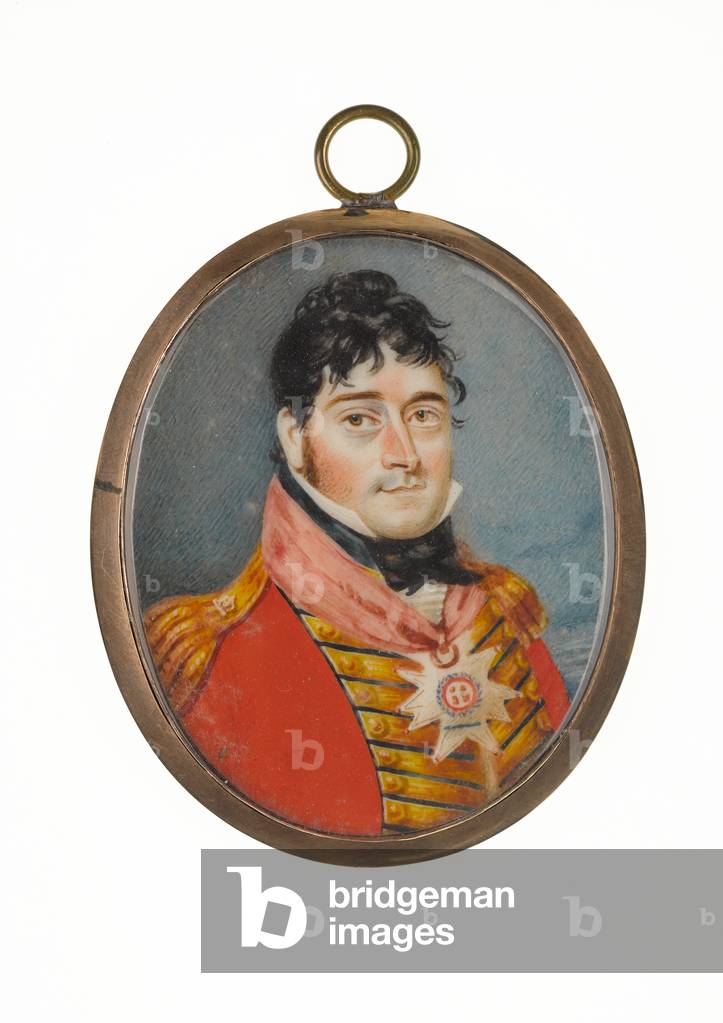
NAM5928301: Lieutenant-Colonel Sir Maxwell Grant, 42nd (Royal Highland) Regiment of Foot, 1815 circa (miniature on ivory), Unknown Artist, (19th century) / Bridgeman Images
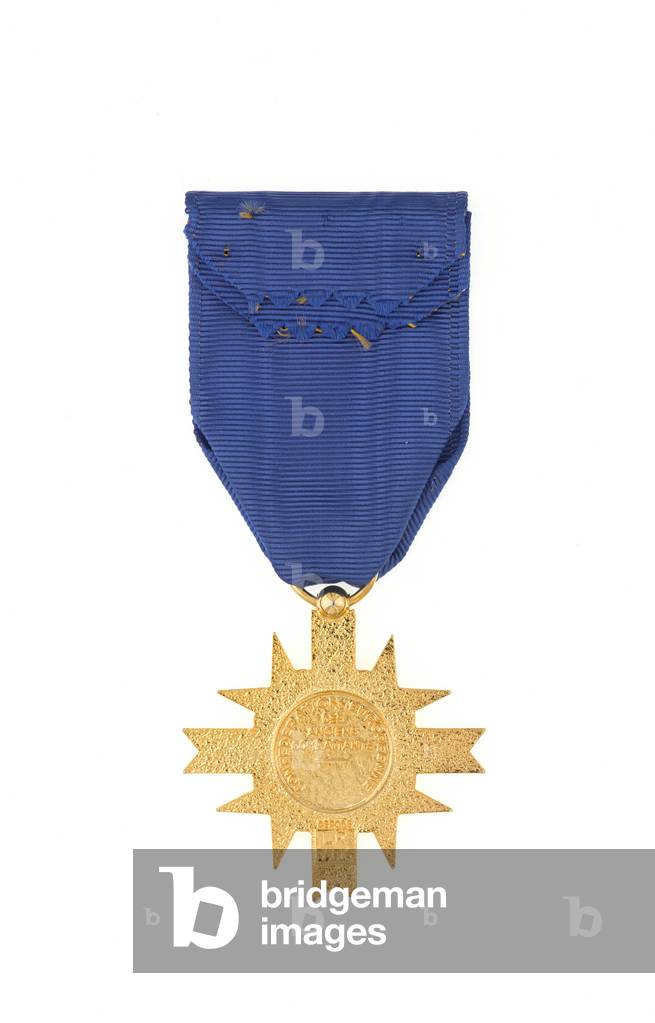
NAM5928312: Croix du Combattant de lEurope, awarded to Captain Michael Trotobas, Special Operations Executive (metal), French School, (20th century) / Bridgeman Images
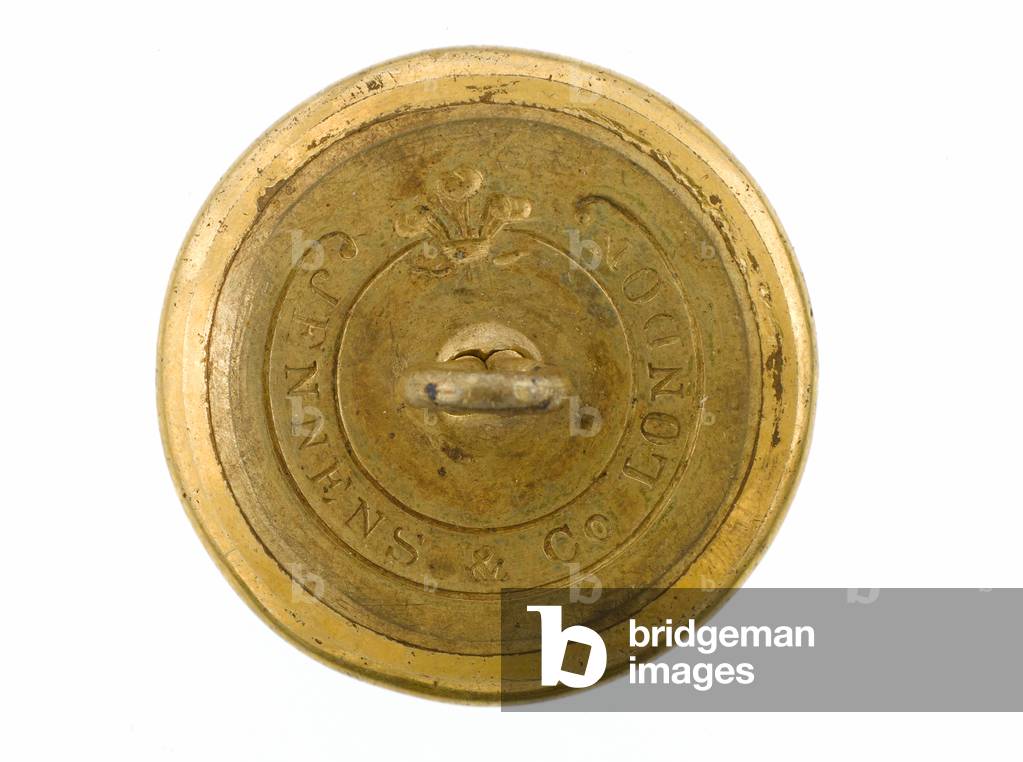
NAM5928328: Button, Bengal Staff Corps, 1861-1876 (gilt), English School, (19th century) / Bridgeman Images
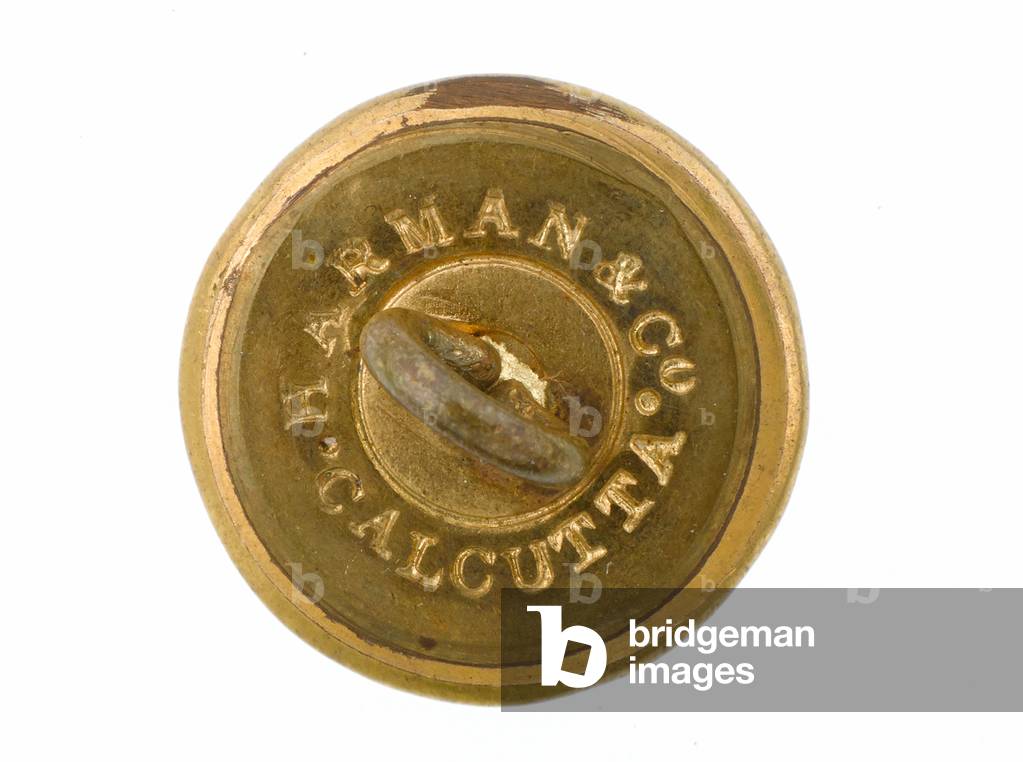
NAM5928340: Button, Bengal Staff Corps, 1876-1891 (gilt), Indian School, (19th century) / Bridgeman Images
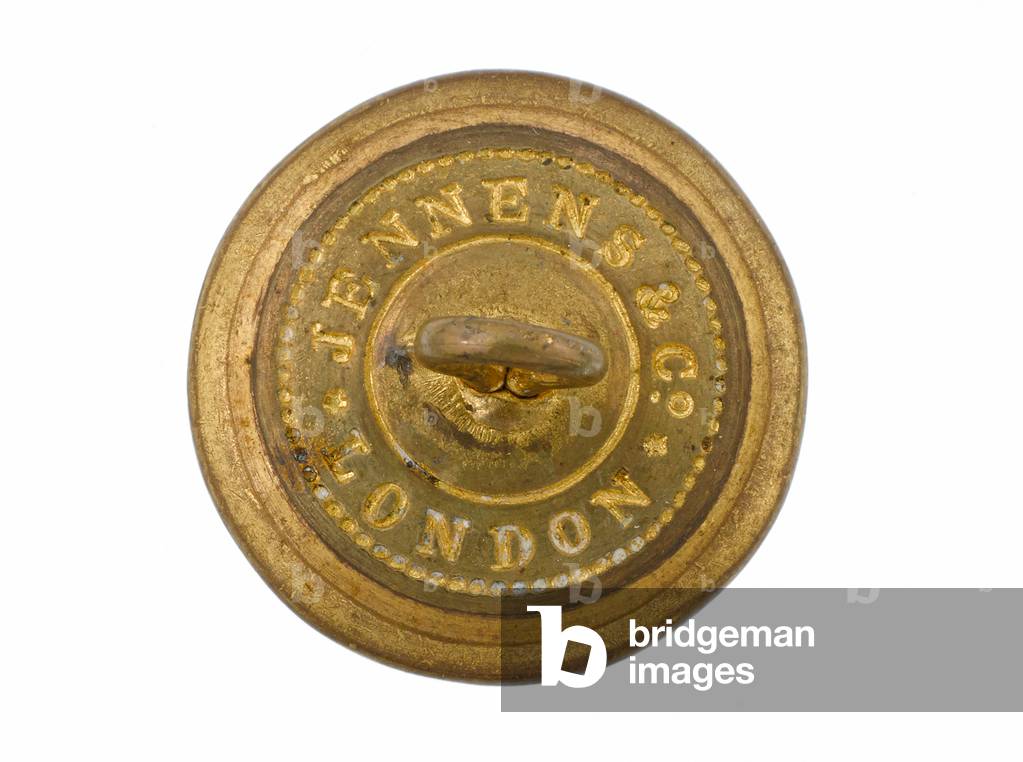
NAM5928358: Button, Madras Staff Corps, 1861-1876 (gilt), English School, (19th century) / Bridgeman Images
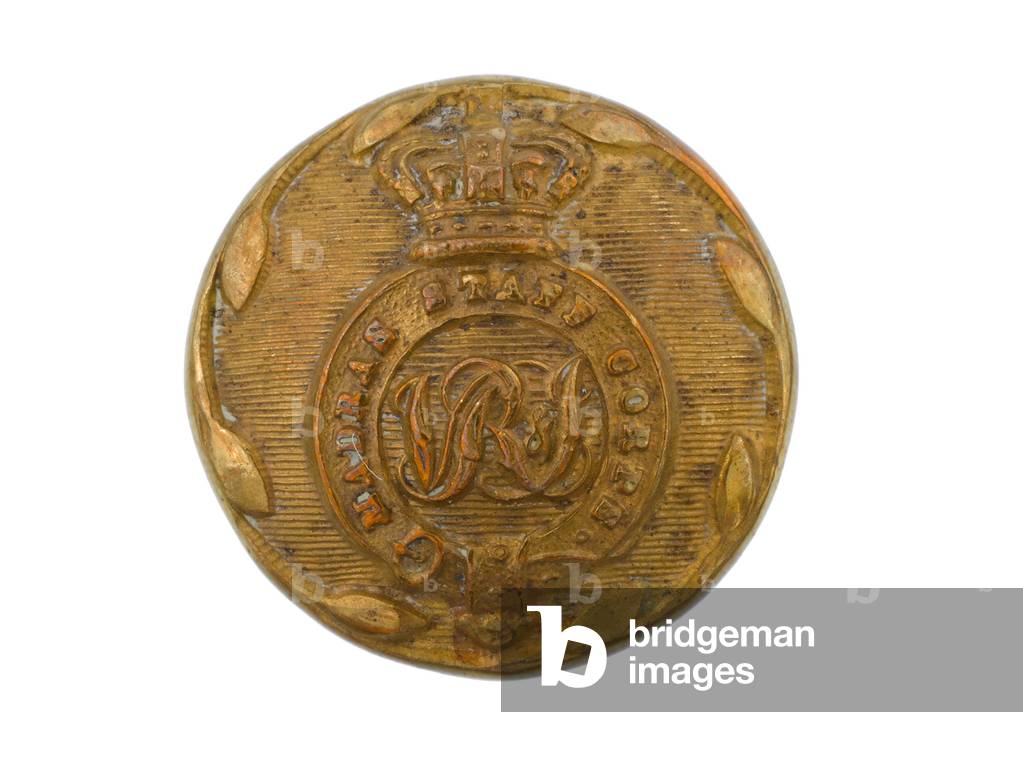
NAM5928363: Button, Madras Staff Corps, 1876-1891 (gilt), Indian School, (19th century) / Bridgeman Images
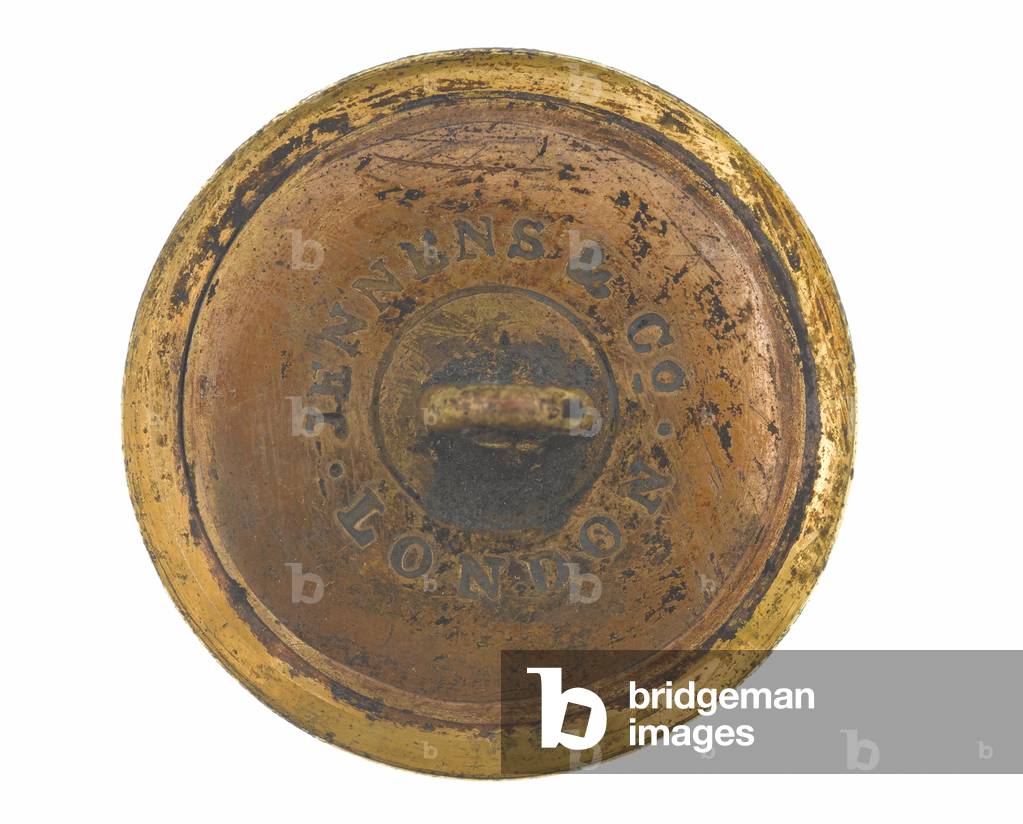
NAM5928384: Button, officer, 3rd Bengal European Regiment, 1854-1861 (brass), English School, (19th century) / Bridgeman Images
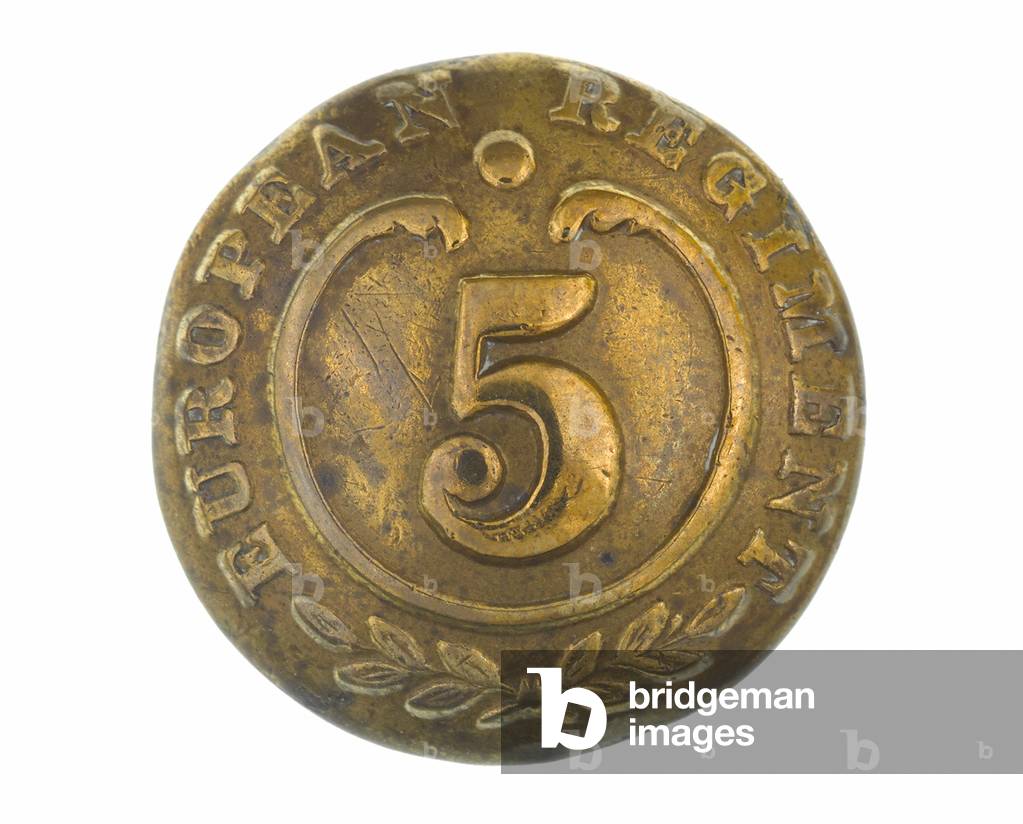
NAM5928399: Button, other ranks, 5th Bengal European Regiment, 1858-1860 (brass), English School, (19th century) / Bridgeman Images

NAM5928426: A scene from The Burglar and the Judge, 1918 (b/w photo), Unknown photographer, (20th century) / Bridgeman Images
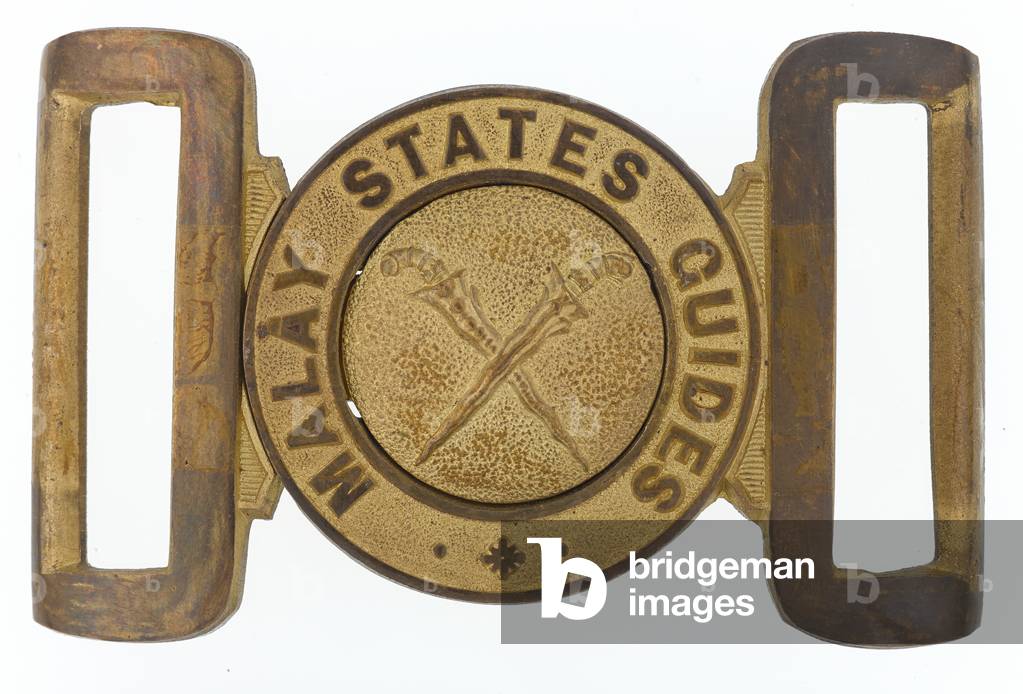
NAM5928451: Waistbelt clasp, other ranks, Malay State Guides, 1896-1919 (brass), British School, (19th century) / Bridgeman Images
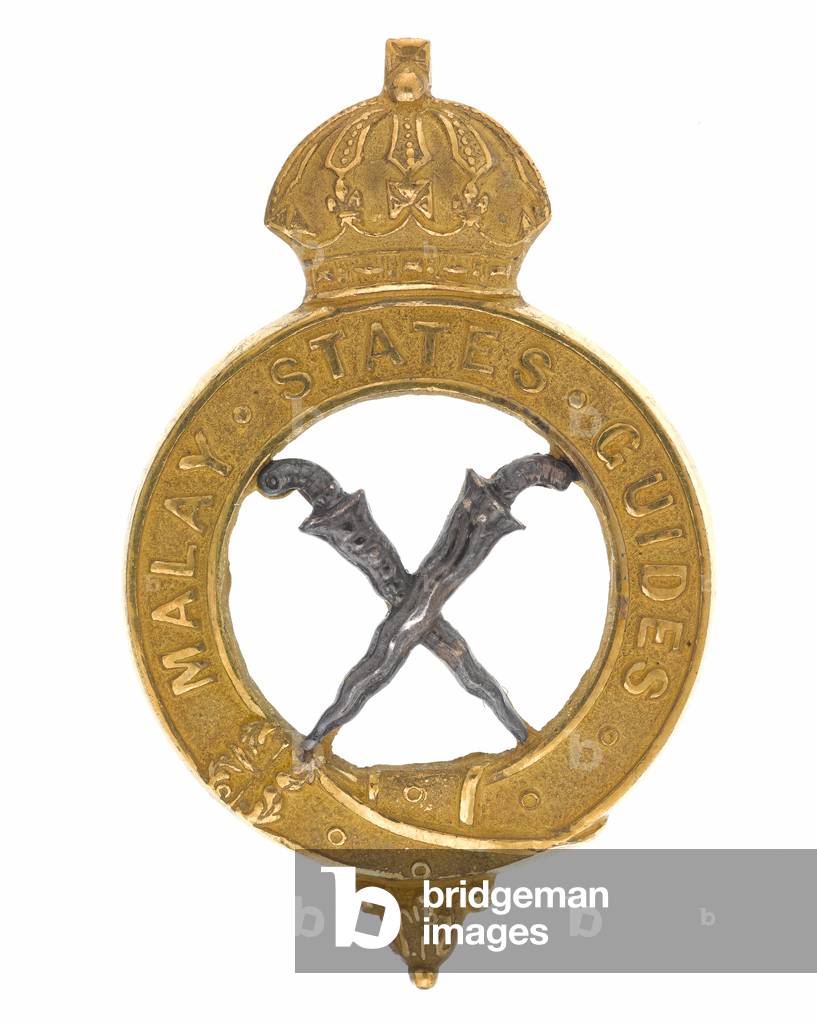
NAM5928479: Cap badge, officer, Malay State Guides, 1896-1901 (metal), British School, (19th century) / Bridgeman Images

NAM5928487: Captain Bowcher Clarke (standing right), with his family during leave in Plymouth, November 1914 (b/w photo), Unknown photographer, (20th century) / Bridgeman Images
NAM5928515: Button, Bombay Volunteer Rifles, 1901-1947 (metal), English School, (19th century) / Bridgeman Images
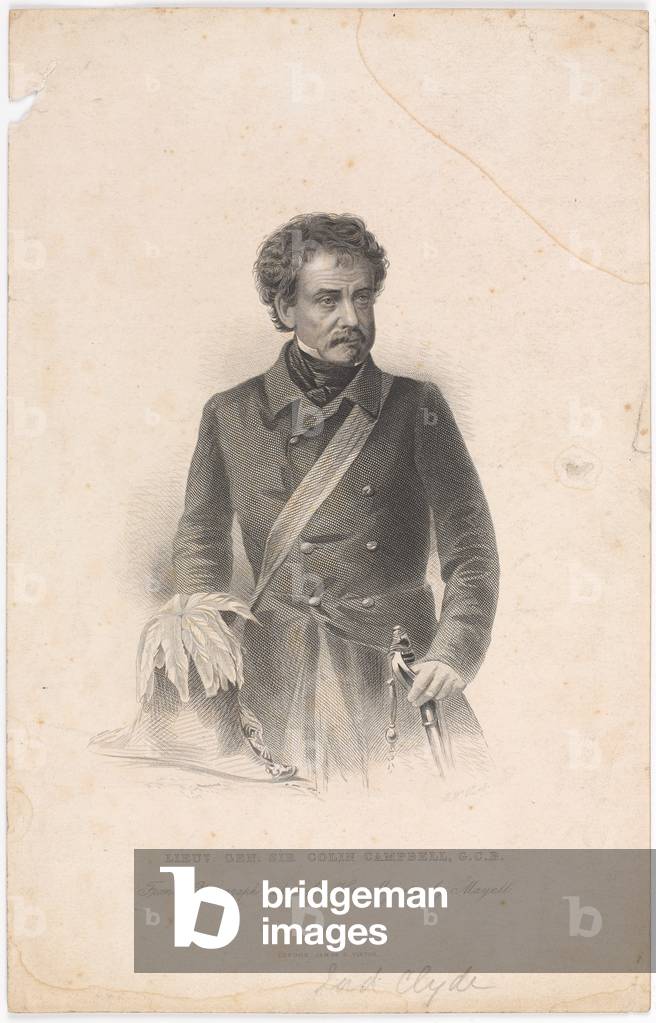
NAM5928522: Lieut Gen Sir Colin Campbell, G.C.B., 1856 circa (line engraving), Mayall, John Jabez Edwin Paisley (1813-1901) (after) / Bridgeman Images
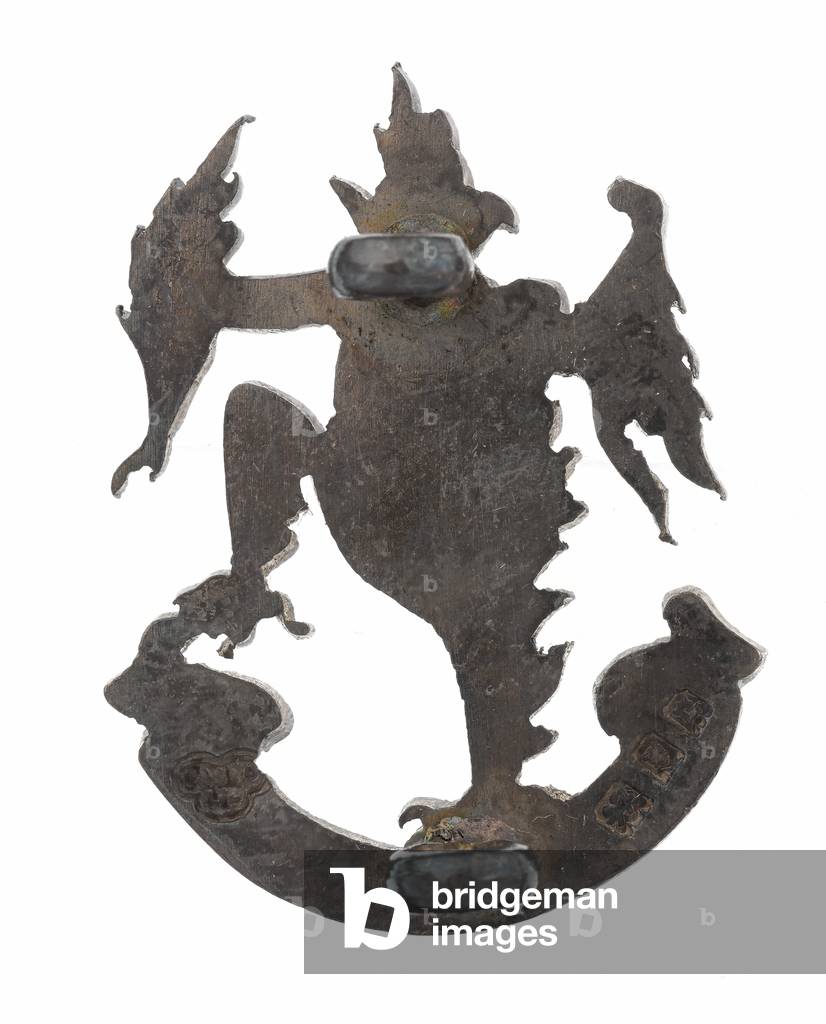
NAM5928548: Collar badge, 85th Burma Rifles, 1918-1922 (metal), British School, (20th century) / Bridgeman Images
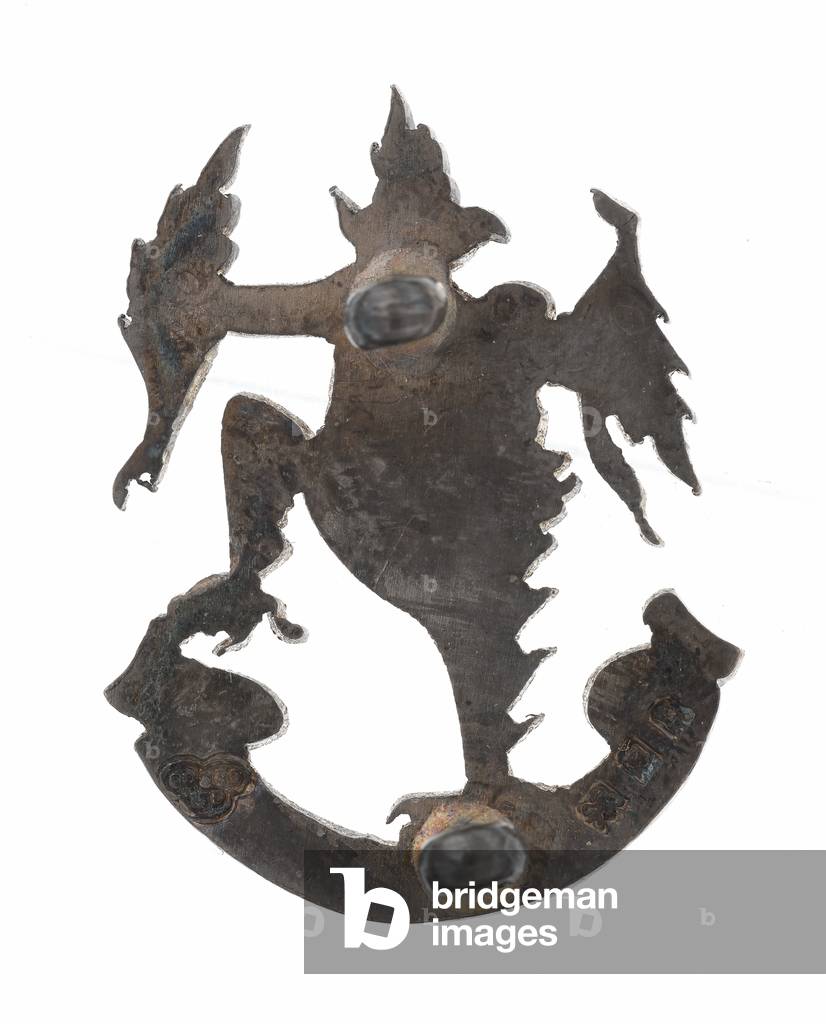
NAM5928550: Collar badge, 85th Burma Rifles, 1918-1922 (metal), Anglo-Indian School, (20th century) / Bridgeman Images
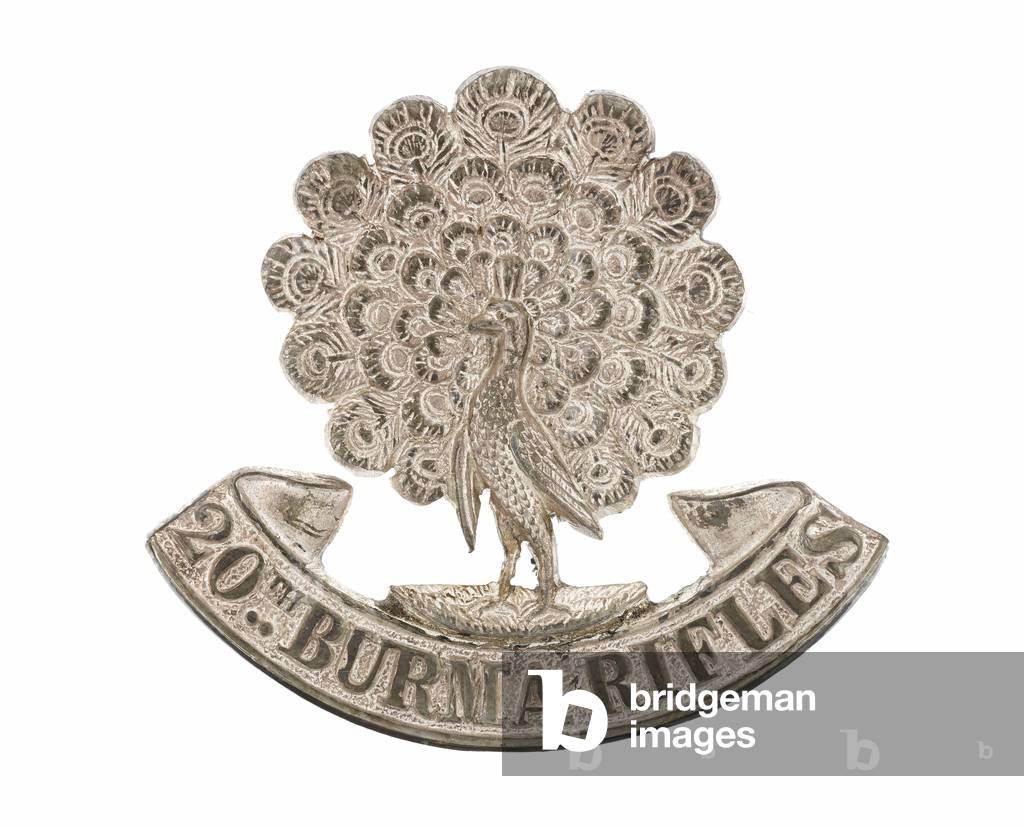
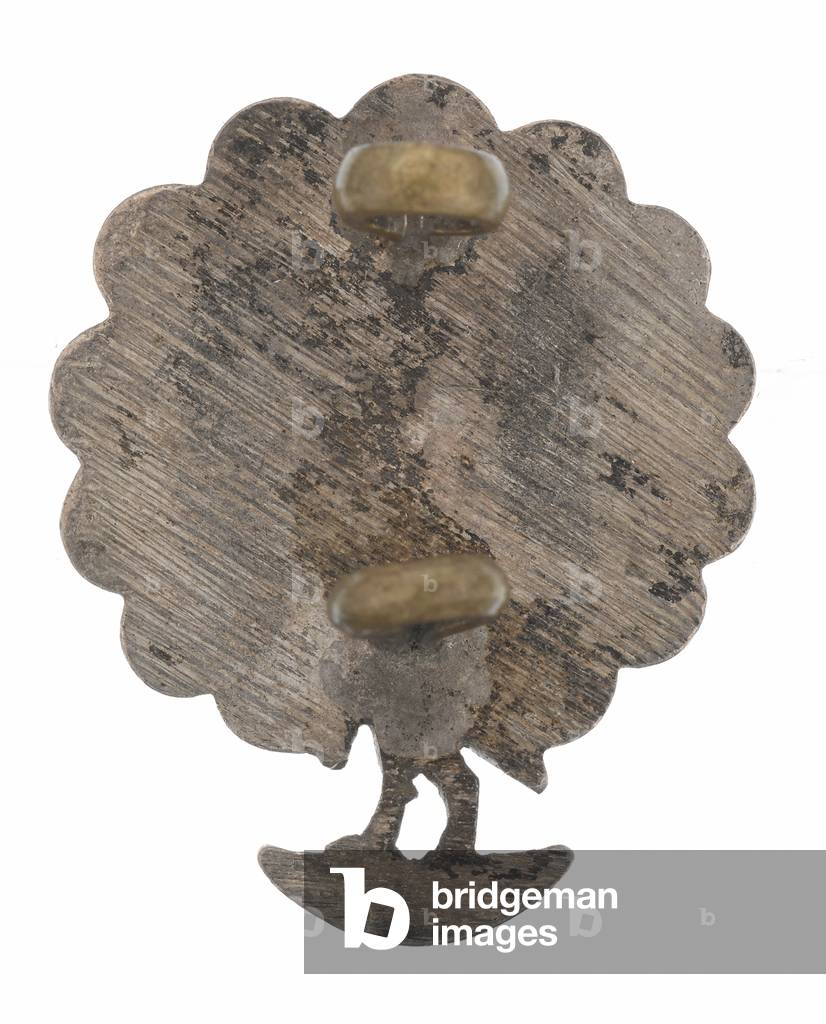
NAM5928563: Pouch badge, 20th Burma Rifles, 1922-1937 (silver), Anglo-Indian School, (20th century) / Bridgeman Images
NAM5928578: Collar badge, Burma Rifles, 1922-1942 (collar badge), Indian School, (20th century) / Bridgeman Images
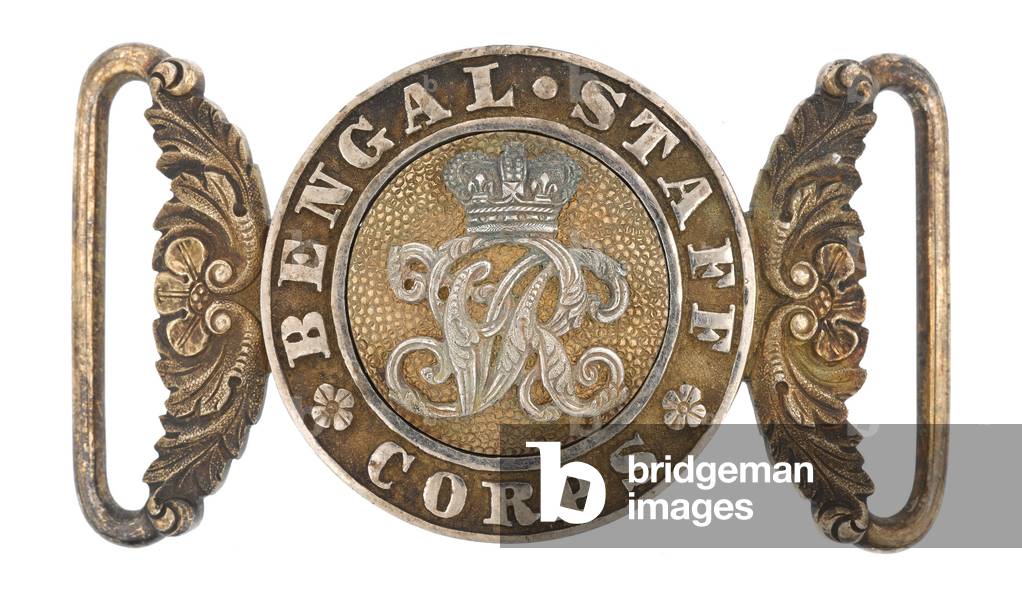
NAM5928585: Waistbelt clasp, Bengal Staff Corps, 1870-1876 (waistbelt clasp), Indian School, (19th century) / Bridgeman Images
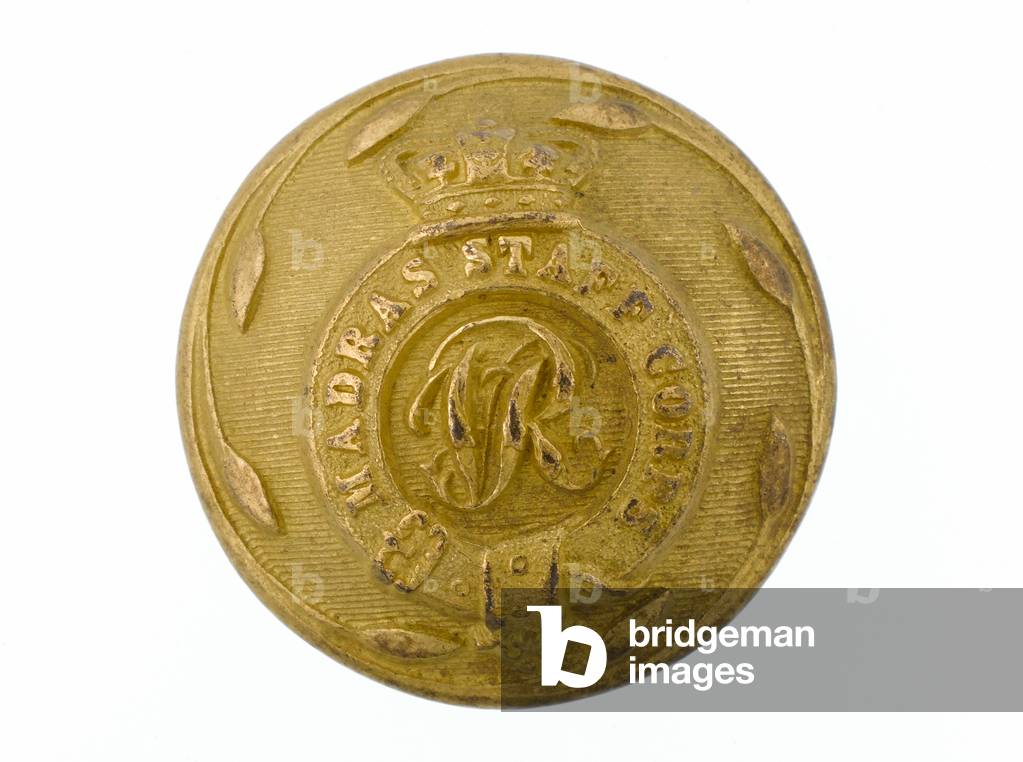
NAM5928359: Button, Madras Staff Corps, 1861-1876. (gilt), English School, (19th century) / Bridgeman Images
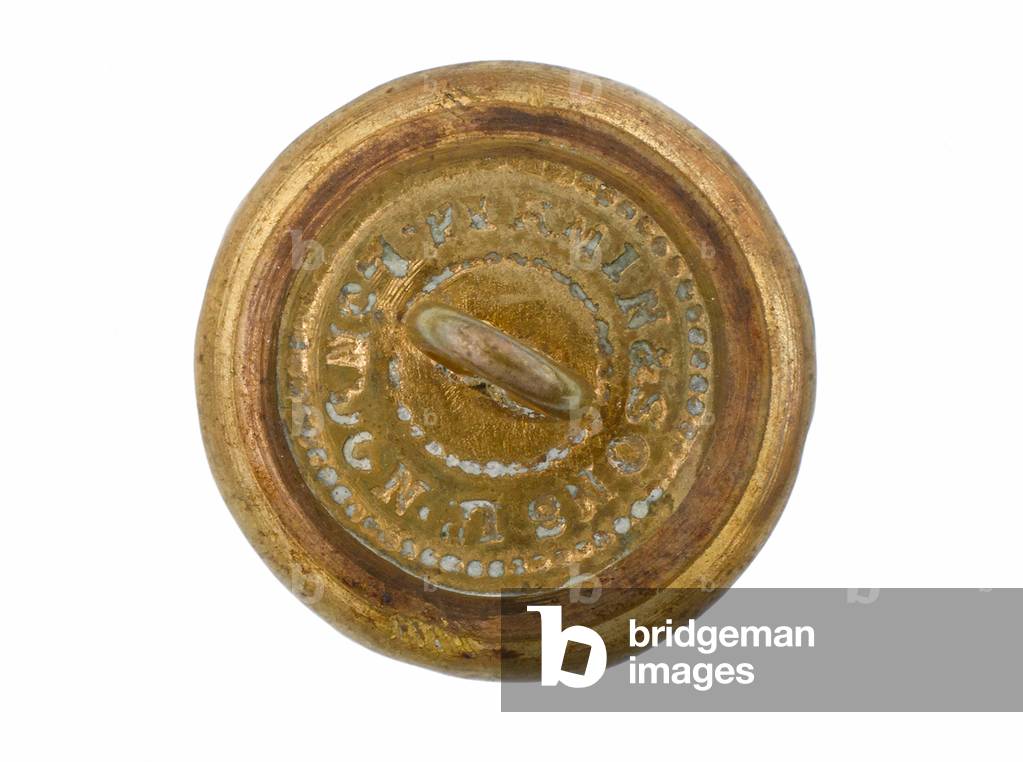
NAM5928368: Button, Madras Staff Corps, 1876-1891 (gilt), English School, (19th century) / Bridgeman Images
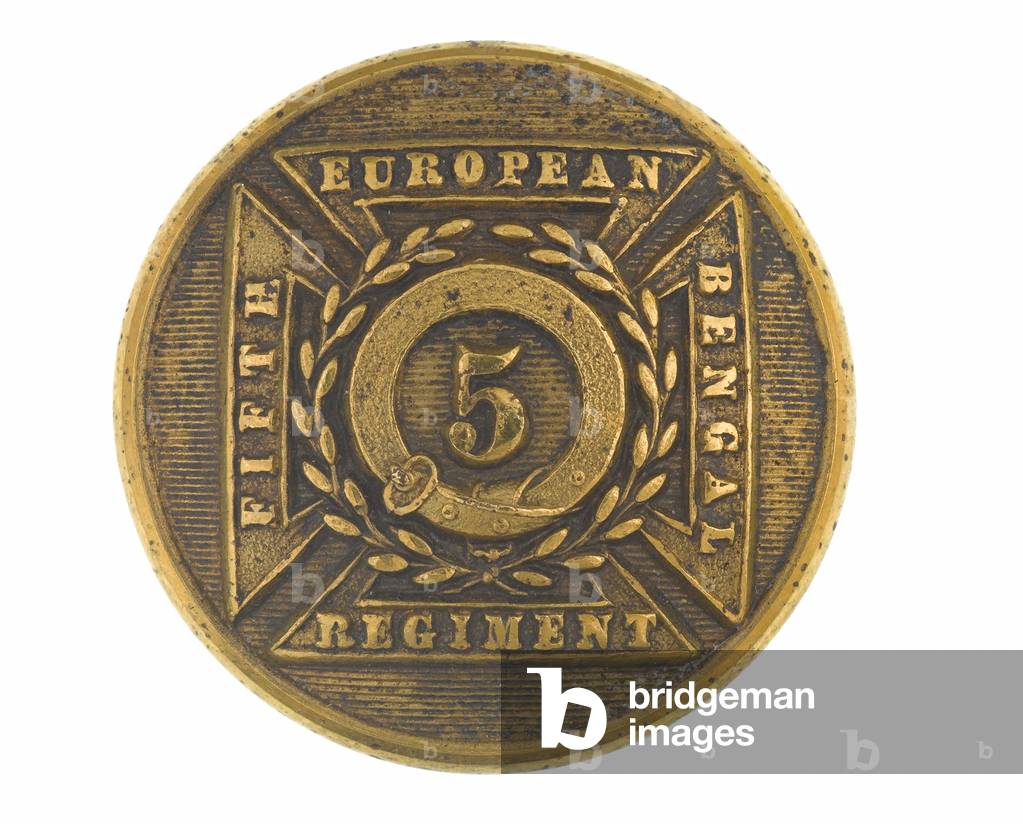
NAM5928395: Button, officer, 5th Bengal European Regiment, 1858-1860 (brass), English School, (19th century) / Bridgeman Images
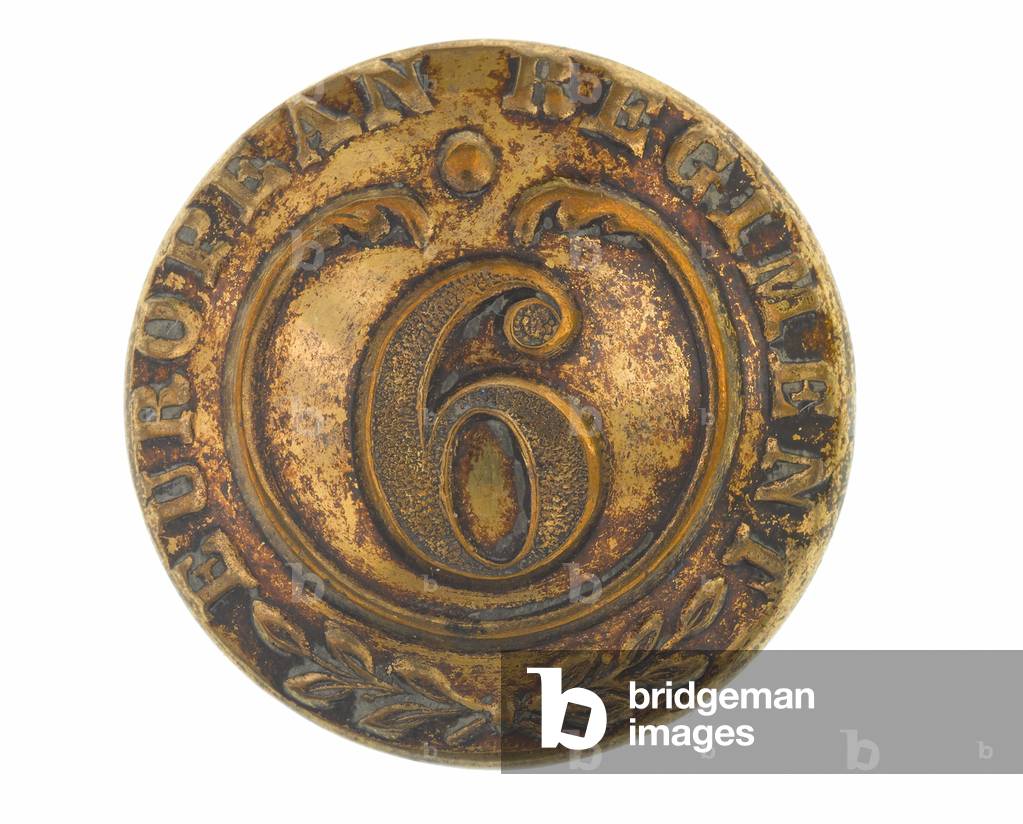
NAM5928401: Button, other ranks, 6th Bengal European Regiment, 1858-1861 (brass), English School, (19th century) / Bridgeman Images

NAM5928417: Australian assault on Balikpapan, south east Borneo, July 1945 (b/w photo), Unknown photographer, (20th century) / Bridgeman Images
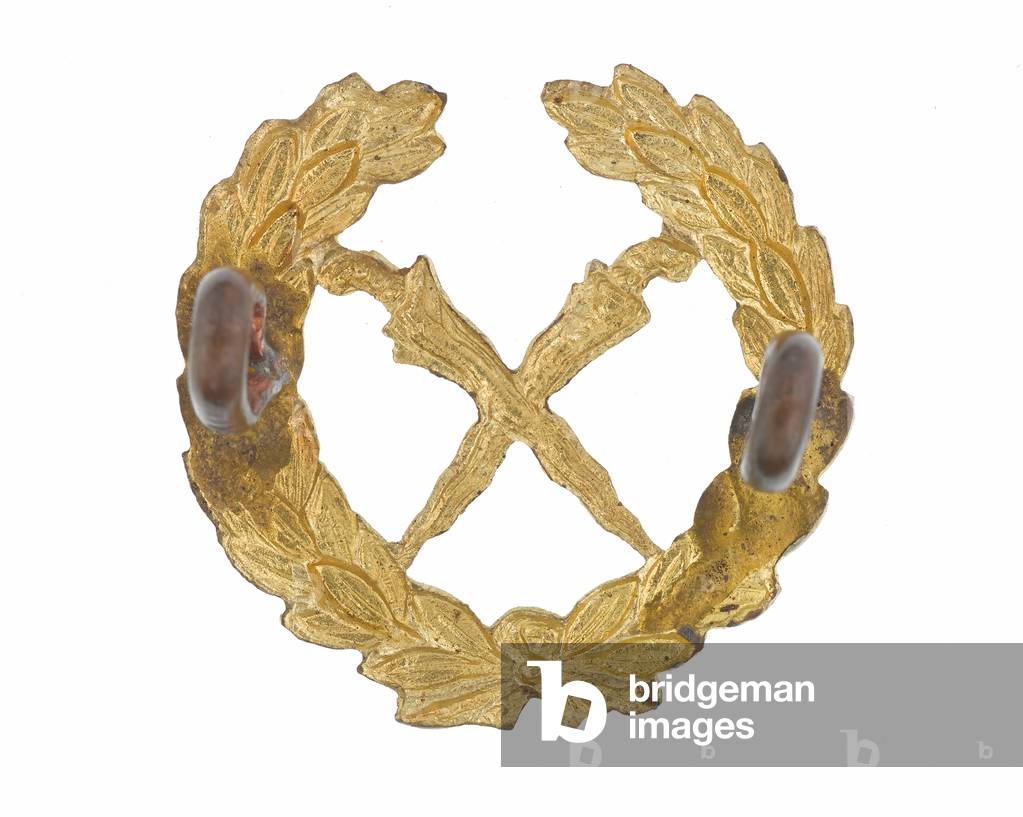
NAM5928456: Collar badge, other ranks, Malay State Guides, 1896-1919 (metal), British School, (19th century) / Bridgeman Images

NAM5928491: Major Bowcher Clarke and fellow officers of the Army of the Rhine, 1919 (b/w photo), Unknown photographer, (20th century) / Bridgeman Images
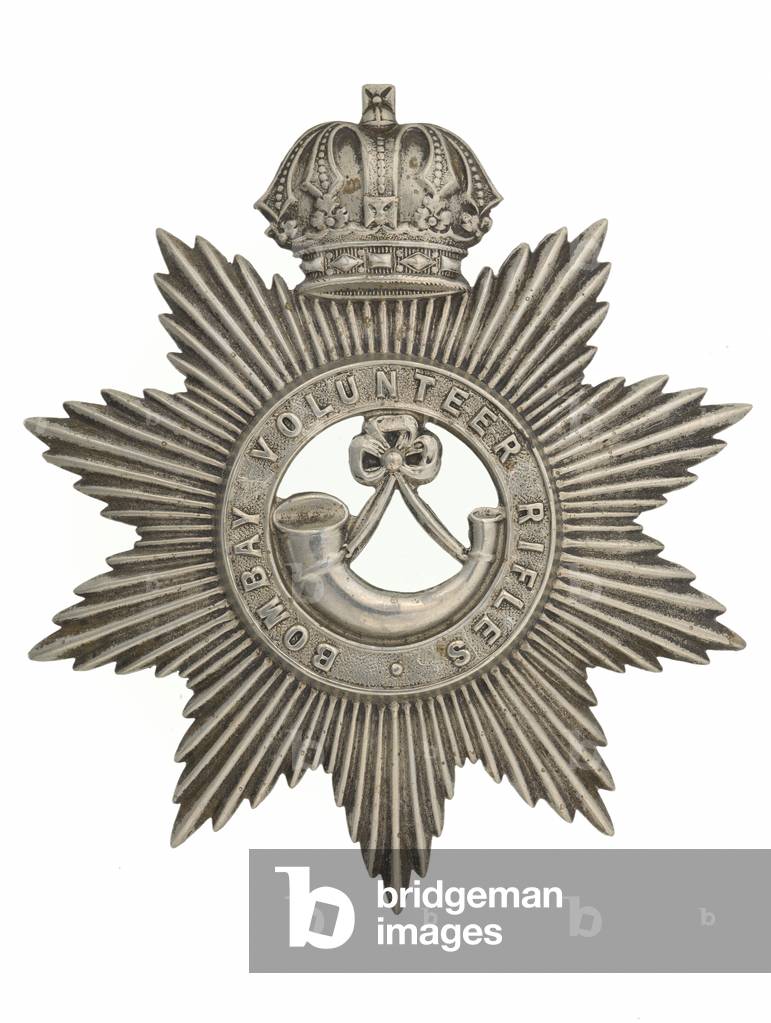
NAM5928494: Helmet badge, Bombay Volunteer Rifles, 1877-1901 (metal), Indian School, (19th century) / Bridgeman Images
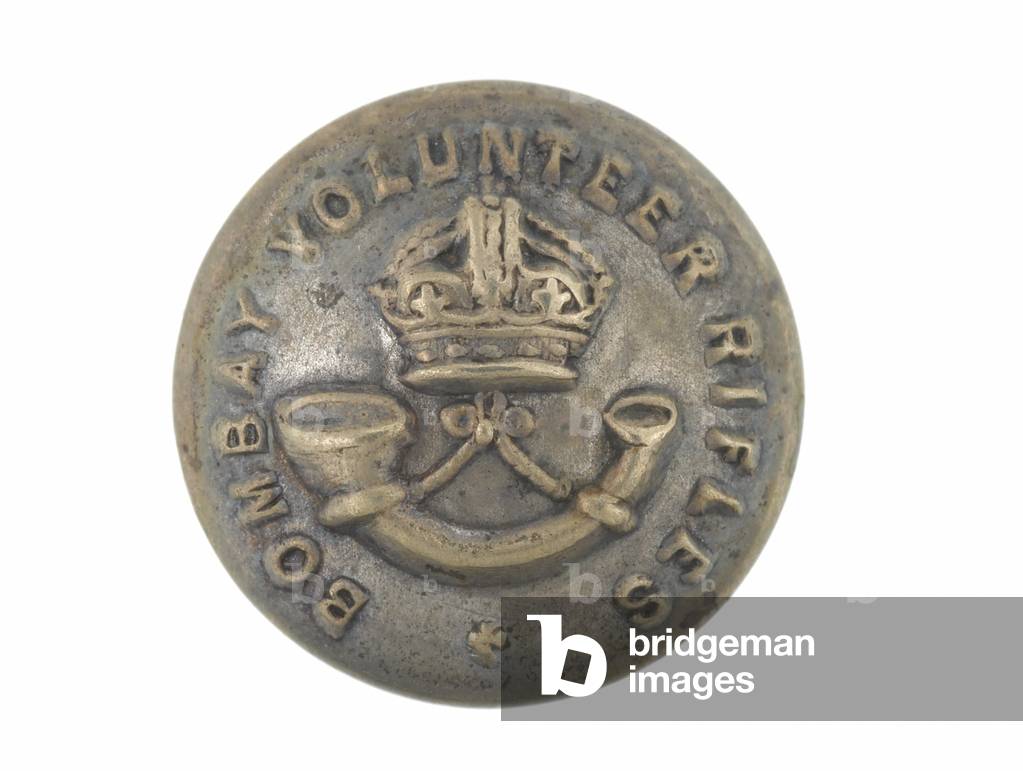
NAM5928516: Button, Bombay Volunteer Rifles, 1901-1947 (metal), English School, (19th century) / Bridgeman Images
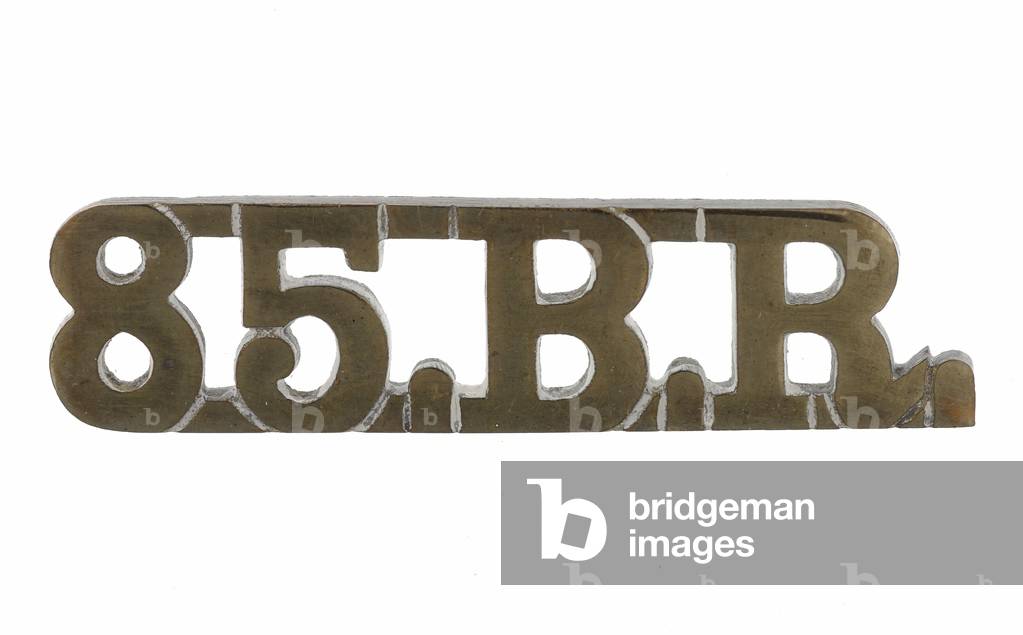
NAM5928551: Shoulder title, 85th Burma Rifles, 1918-1922 (metal), Anglo-Indian School, (20th century) / Bridgeman Images
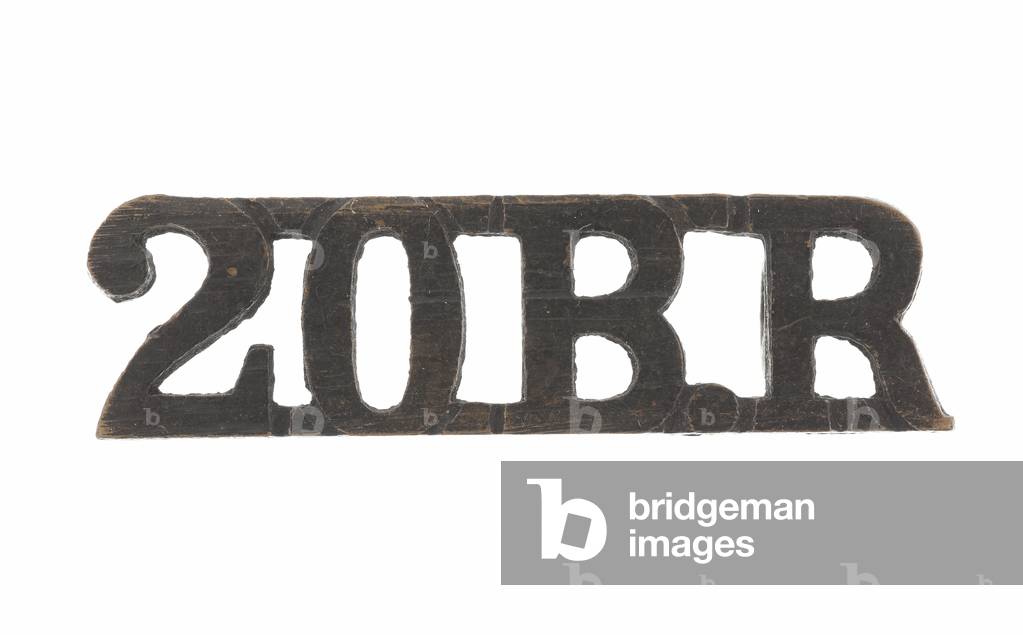
NAM5928569: Shoulder title, 20th Burma Rifles, 1922-1937 (metal), Anglo-Indian School, (20th century) / Bridgeman Images
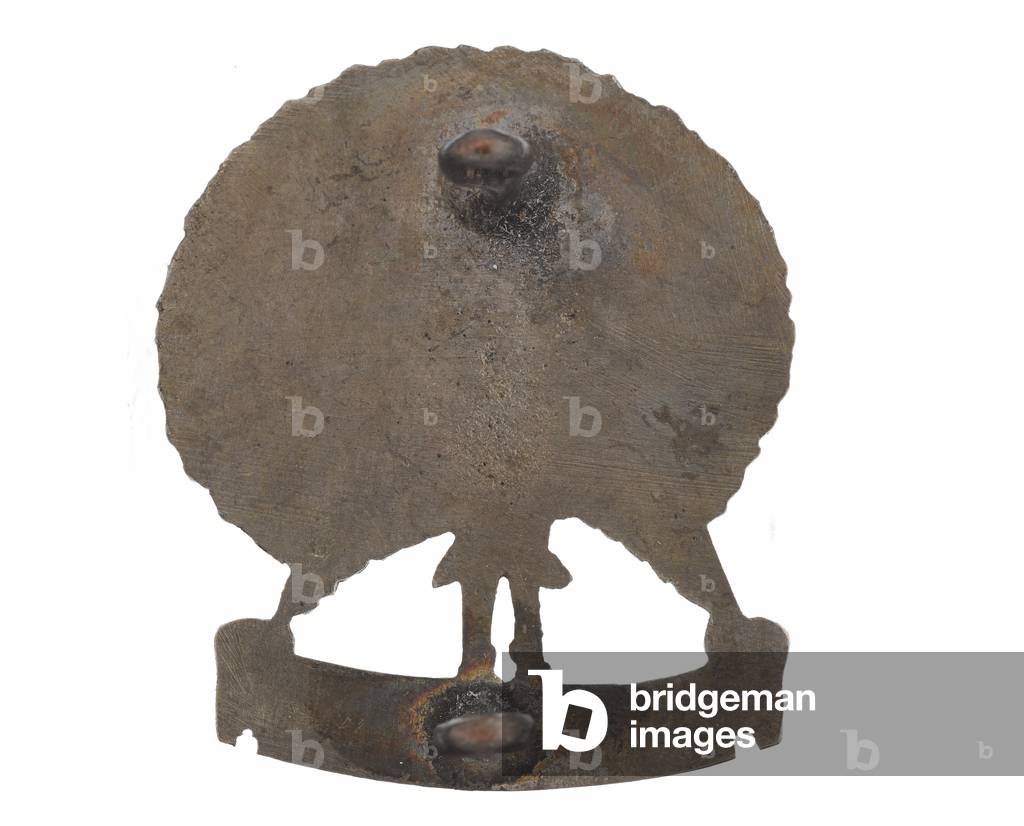
NAM5928582: Cap badge, Burma Rifles, 1941-1942 (badge), Indian School, (20th century) / Bridgeman Images
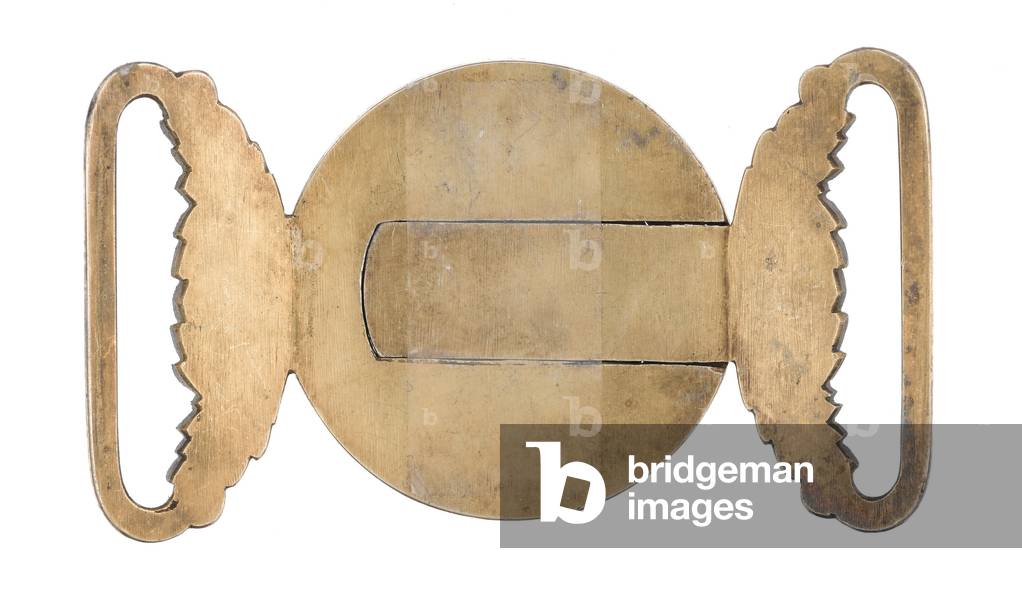
NAM5928586: Waistbelt clasp, Bengal Staff Corps, 1870-1876 (waistbelt clasp), Indian School, (19th century) / Bridgeman Images
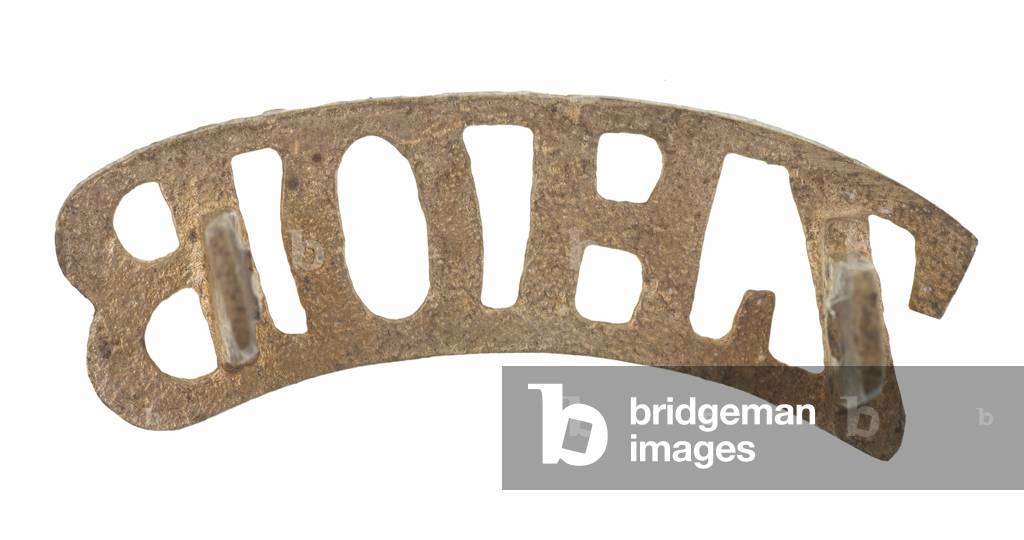
NAM5928597: Shoulder title, Zhob Militia, 1889 (shoulder title), Pakistani School, (19th Century) / Bridgeman Images
