Search options

Orientation
Colour

Display options

View

Print

To print search results, use print friendly version of this page.

2497471 Search Results
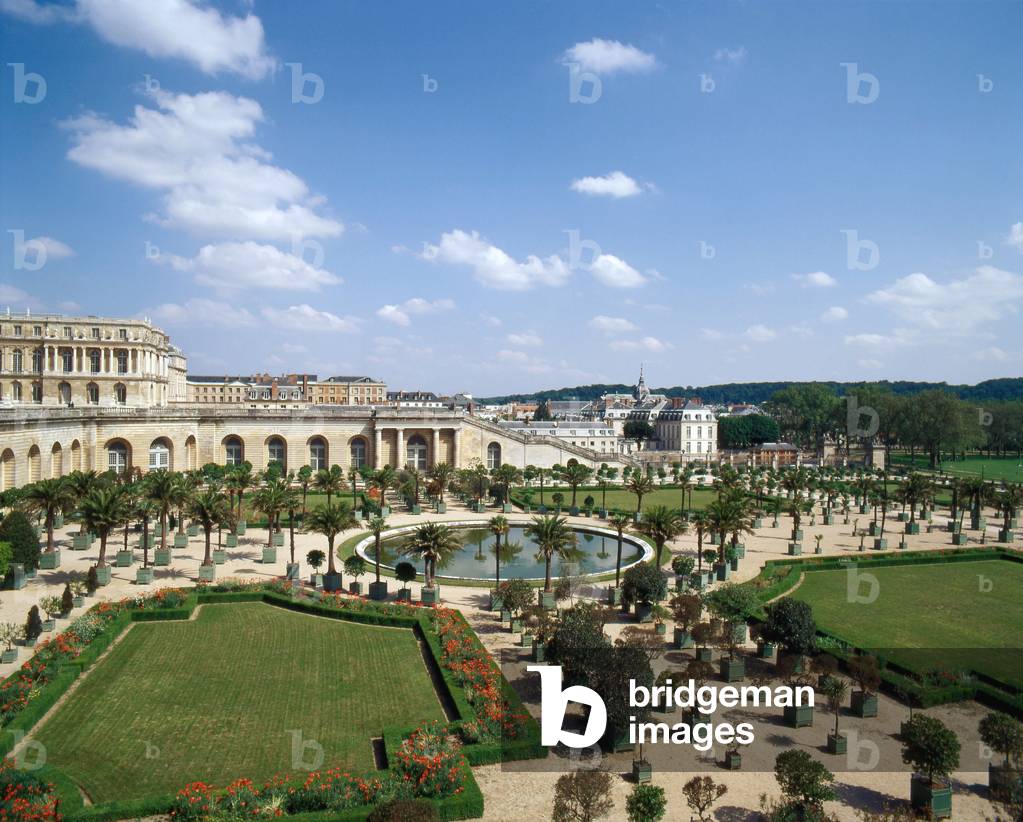
The dairy in the hamlet of the Queen in the northwest part of the garden of the Peer Trianon, built in 1782 by Hubert Robert (1733-1808). Chateau de Versailles (Les Yvelines), 1660-1700. Principal architects: Louis Le Vau (1612-1670) and Jules Hardouin Mansart (1646-1708).

ITR4561943: The dairy in the hamlet of the Queen in the northwest part of the garden of the Peer Trianon, built in 1782 by Hubert Robert (1733-1808). Chateau de Versailles (Les Yvelines), 1660-1700. Principal architects: Louis Le Vau (1612-1670) and Jules Hardouin Mansart (1646-1708). / Bridgeman Images
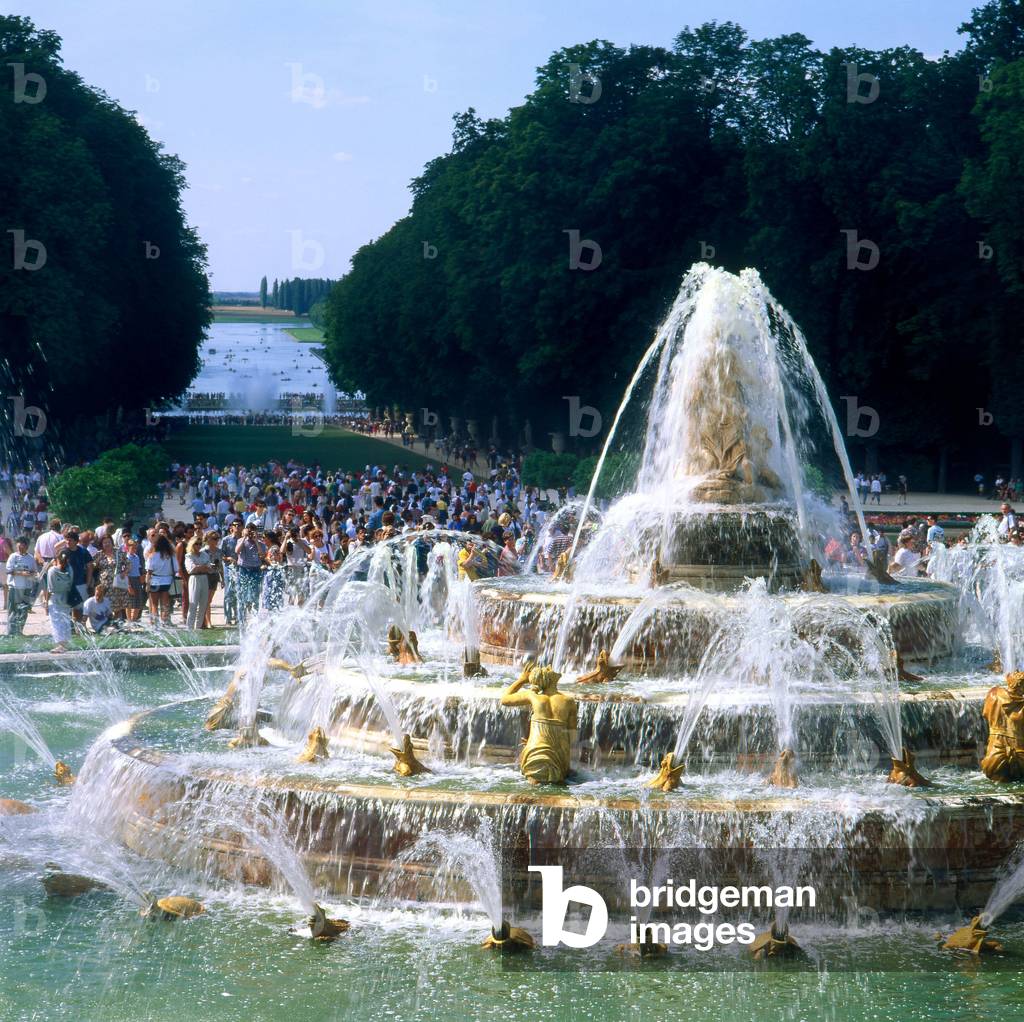
Latone basin realized by the Marsy brothers in 1670.Chateau de Versailles (Les Yvelines), 1660-1700. Gardens of Andre Le Notre (1613-1700) and principal architects: Louis Le Vau (1612-1670) and Jules Hardouin Mansart (1646-1708).

ITR4562005: Latone basin realized by the Marsy brothers in 1670.Chateau de Versailles (Les Yvelines), 1660-1700. Gardens of Andre Le Notre (1613-1700) and principal architects: Louis Le Vau (1612-1670) and Jules Hardouin Mansart (1646-1708). / Bridgeman Images
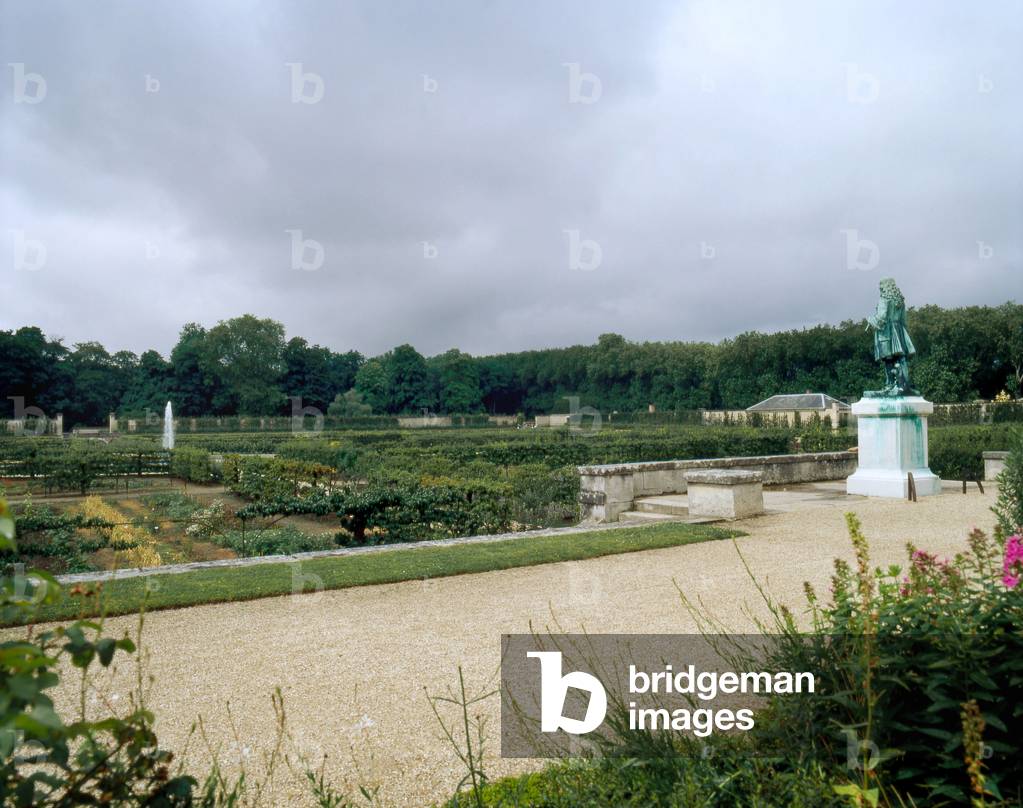
Le Potager du Roi is a historical garden created at the request of Louis XIV (1638-1715) by Jean Baptiste de la Quintinie (1624-1698) in 1678. Chateau de Versailles (Les Yvelines), 1660-1700. Gardens of Andre Le Notre (1613-1700) and principal architects: Louis Le Vau (1612-1670) and Jules Hardouin Mansart (1646-1708).

ITR4562119: Le Potager du Roi is a historical garden created at the request of Louis XIV (1638-1715) by Jean Baptiste de la Quintinie (1624-1698) in 1678. Chateau de Versailles (Les Yvelines), 1660-1700. Gardens of Andre Le Notre (1613-1700) and principal architects: Louis Le Vau (1612-1670) and Jules Hardouin Mansart (1646-1708). / Bridgeman Images
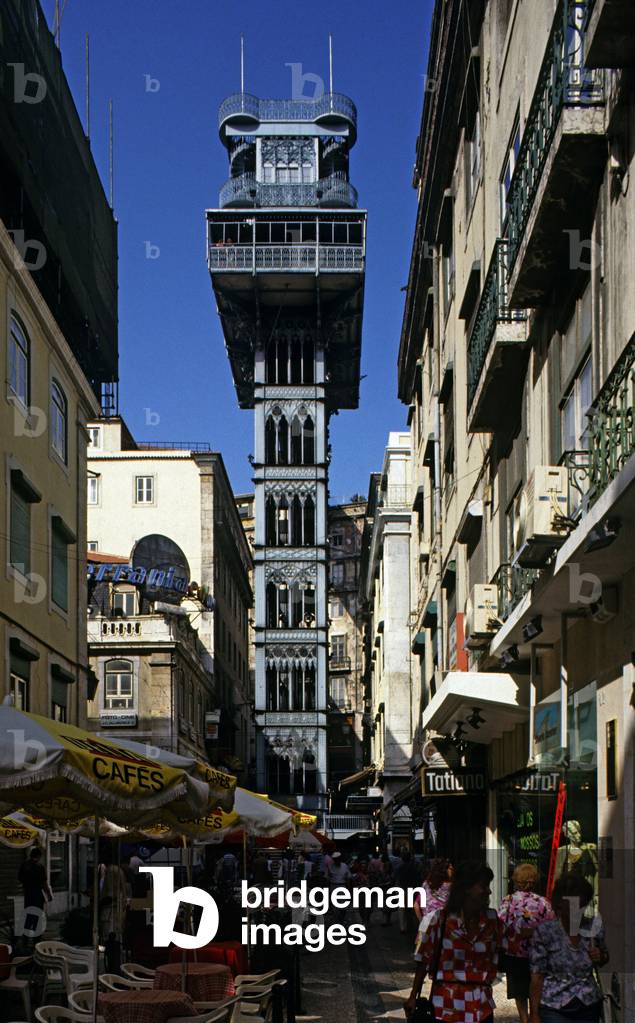
The Santa Justa lift in Lisbon (Portugal). Ingenieur Raul Mesnier de Ponsard (1849-1914), 1902.

TEC4562204: The Santa Justa lift in Lisbon (Portugal). Ingenieur Raul Mesnier de Ponsard (1849-1914), 1902. / Bridgeman Images
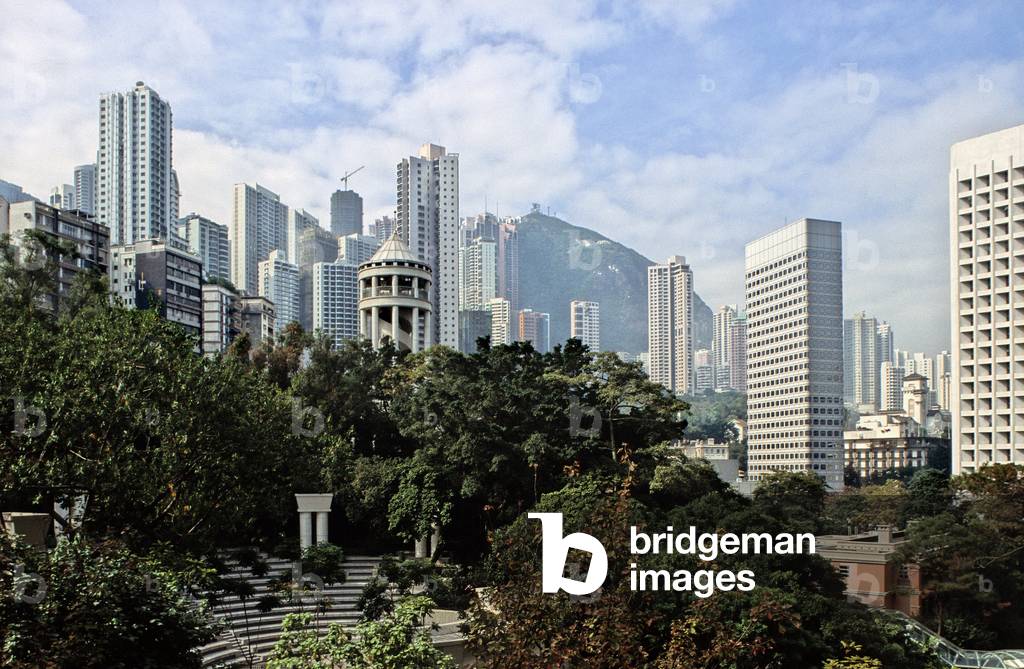
Victoria Island to Hong Kong (China).

TEC4562271: Victoria Island to Hong Kong (China). / Bridgeman Images
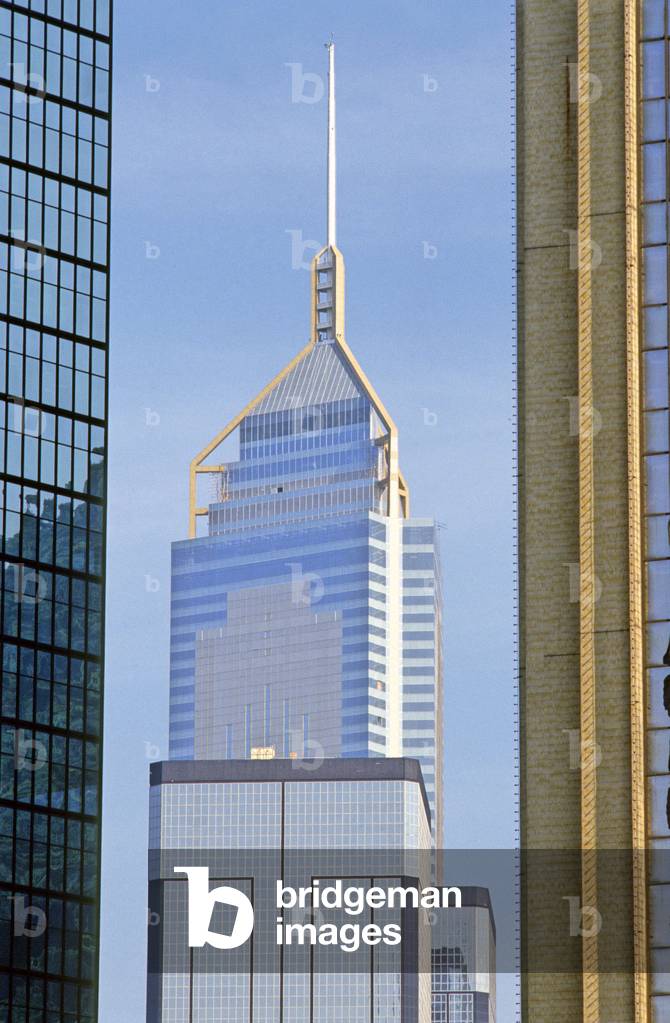
Tour to Victoria Island in Hong Kong (China).

TEC4562296: Tour to Victoria Island in Hong Kong (China). / Bridgeman Images

Panoramic view of Hong Kong (China).

TEC4562339: Panoramic view of Hong Kong (China). / Bridgeman Images

Balance Constellation - Constellation of Libra - Map of the constellation of Libra with its main Celestial objects. The Great Bear is indicated for the scale. Map showing the constellation of Libra with its main celestial objects. Constellation of Big Dipper is shown at scale

PIX4589095: Balance Constellation - Constellation of Libra - Map of the constellation of Libra with its main Celestial objects. The Great Bear is indicated for the scale. Map showing the constellation of Libra with its main celestial objects. Constellation of Big Dipper is shown at scale / Bridgeman Images

Constellation Belier - Aries constellation - Constellation Belier and cluster of Pleiades (in the Taurus). Although inconspicuous, Aries is one of the constellations of the zodiac and from ancient times has been represented by a ram, the same ram whose golden fleece was sought by Jason and the Argonauts in the great ship Argo Navis. For more than 2000 years it also of astronomical importance because it was the constellation where the Sun crossed the celestial equator (ecliptic) each year at the vernal equinox, marking the first point in Aries from which right ascension is measured. Precession has now carried this point into Pisces. The constellation is the 39th largest in the sky and covers about 440 square degrees. The best - known object in this field is the Pleiades star cluster (M45 in Taurus)

PIX4589253: Constellation Belier - Aries constellation - Constellation Belier and cluster of Pleiades (in the Taurus). Although inconspicuous, Aries is one of the constellations of the zodiac and from ancient times has been represented by a ram, the same ram whose golden fleece was sought by Jason and the Argonauts in the great ship Argo Navis. For more than 2000 years it also of astronomical importance because it was the constellation where the Sun crossed the celestial equator (ecliptic) each year at the vernal equinox, marking the first point in Aries from which right ascension is measured. Precession has now carried this point into Pisces. The constellation is the 39th largest in the sky and covers about 440 square degrees. The best - known object in this field is the Pleiades star cluster (M45 in Taurus) / Bridgeman Images

Portrait of Bonaparte in Milan, 1797 (oil on canvas)

JLJ4589312: Portrait of Bonaparte in Milan, 1797 (oil on canvas), Bacler d'Albe, Baron Louis Albert (1761-1824) / Bridgeman Images

Constellation Cancer - Cancer constellation - Down the picture, the Creche cluster, M44

PIX4589382: Constellation Cancer - Cancer constellation - Down the picture, the Creche cluster, M44 / Bridgeman Images

Hong Kong City Hong Kong - China -

TEC4562532: Hong Kong City Hong Kong - China - / Bridgeman Images

Hong Kong City Hong Kong - China -

TEC4562656: Hong Kong City Hong Kong - China - / Bridgeman Images
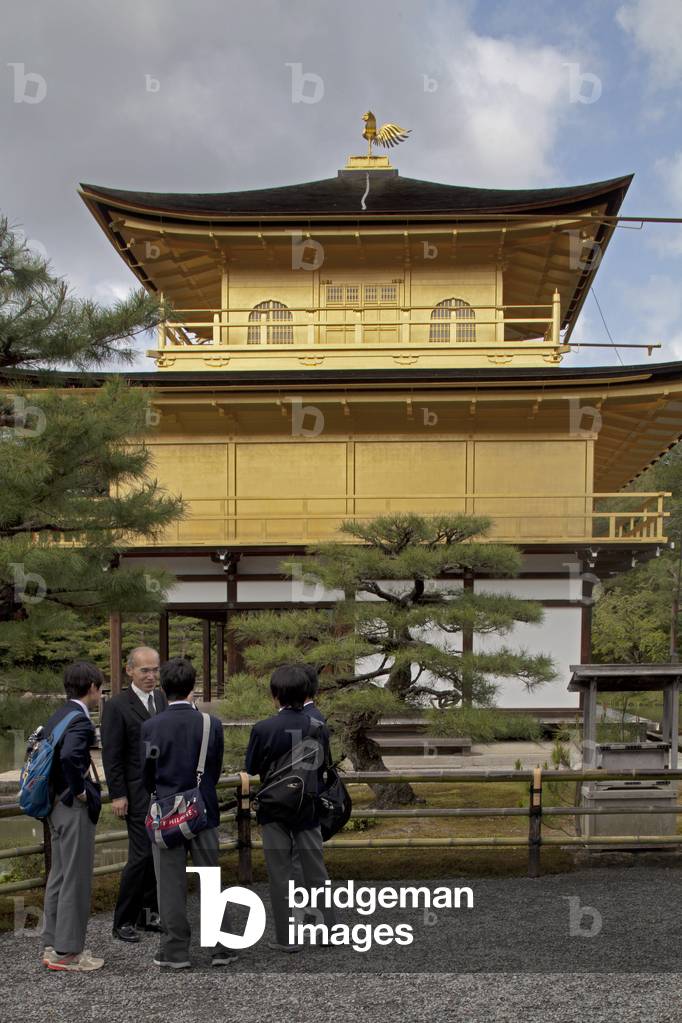
Kinkaku-ji Temple, a gold-covered building, in Kyoto, Japan.

TEC4562783: Kinkaku-ji Temple, a gold-covered building, in Kyoto, Japan. / Bridgeman Images

Constellation of Capricornus - Constellation of Capricornus - Capricornus (the Sea Goat, Capricorn to astrologers) is one of the more surprising mythical creatures projected on the sky, a male goat with the tail of a fish. However, adjoining Aquarius and Piscis Austrinus, it is in a particularly watery part of the sky. The orientation of this strange creature is set by its brightest star, Deneb Algiedi (d Cap, the Goat's tail), while Algedi (or Giedi, a Cap) simply means goat or ibex. Although it is not particularly conspicuous the constellation is of ancient lineage, predating the ancient Greeks, perhaps because in ancient times the northern Winter Solstice occured in Capricornus. Because of precession, it is now in Aquarius though the idea is preserved in the Tropic of Capricorn which is the line around the northern hemisphere globe where the Sun is directly overhead at noon in mid - winter. Best seen in the early evening in September

PIX4589484: Constellation of Capricornus - Constellation of Capricornus - Capricornus (the Sea Goat, Capricorn to astrologers) is one of the more surprising mythical creatures projected on the sky, a male goat with the tail of a fish. However, adjoining Aquarius and Piscis Austrinus, it is in a particularly watery part of the sky. The orientation of this strange creature is set by its brightest star, Deneb Algiedi (d Cap, the Goat's tail), while Algedi (or Giedi, a Cap) simply means goat or ibex. Although it is not particularly conspicuous the constellation is of ancient lineage, predating the ancient Greeks, perhaps because in ancient times the northern Winter Solstice occured in Capricornus. Because of precession, it is now in Aquarius though the idea is preserved in the Tropic of Capricorn which is the line around the northern hemisphere globe where the Sun is directly overhead at noon in mid - winter. Best seen in the early evening in September / Bridgeman Images
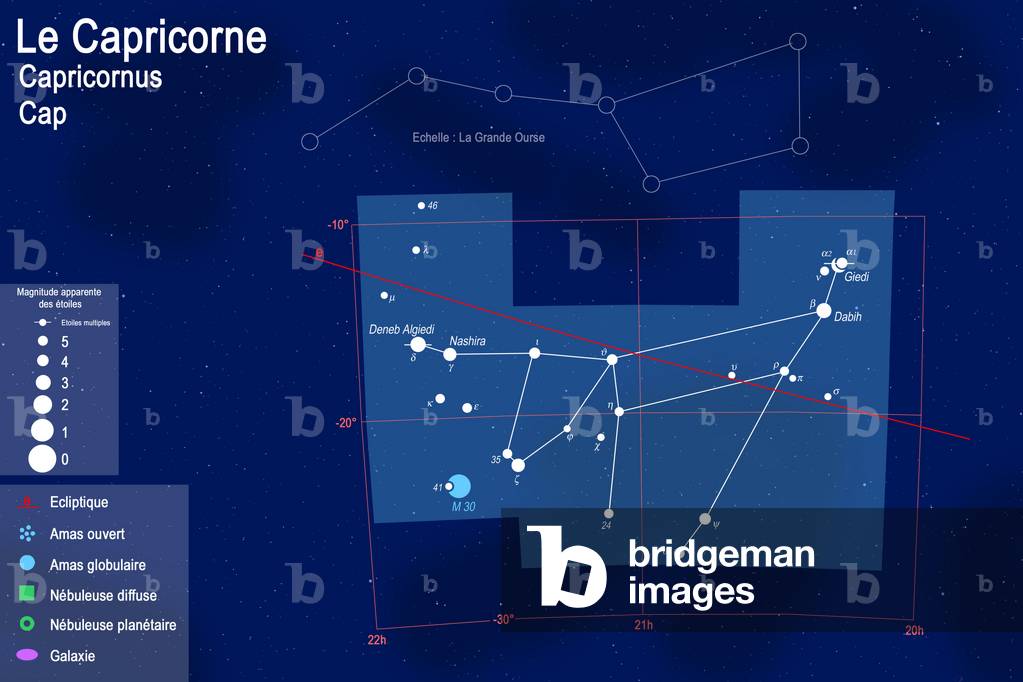
Constellation of Capricorn - Constellation of Capricorn - Map of the constellation of Capricorn with its main Celestial objects. The Great Bear is indicated for the scale. Map showing the constellation of Capricornus with its main celestial objects. Constellation of Big Dipper is shown at scale

PIX4589507: Constellation of Capricorn - Constellation of Capricorn - Map of the constellation of Capricorn with its main Celestial objects. The Great Bear is indicated for the scale. Map showing the constellation of Capricornus with its main celestial objects. Constellation of Big Dipper is shown at scale / Bridgeman Images
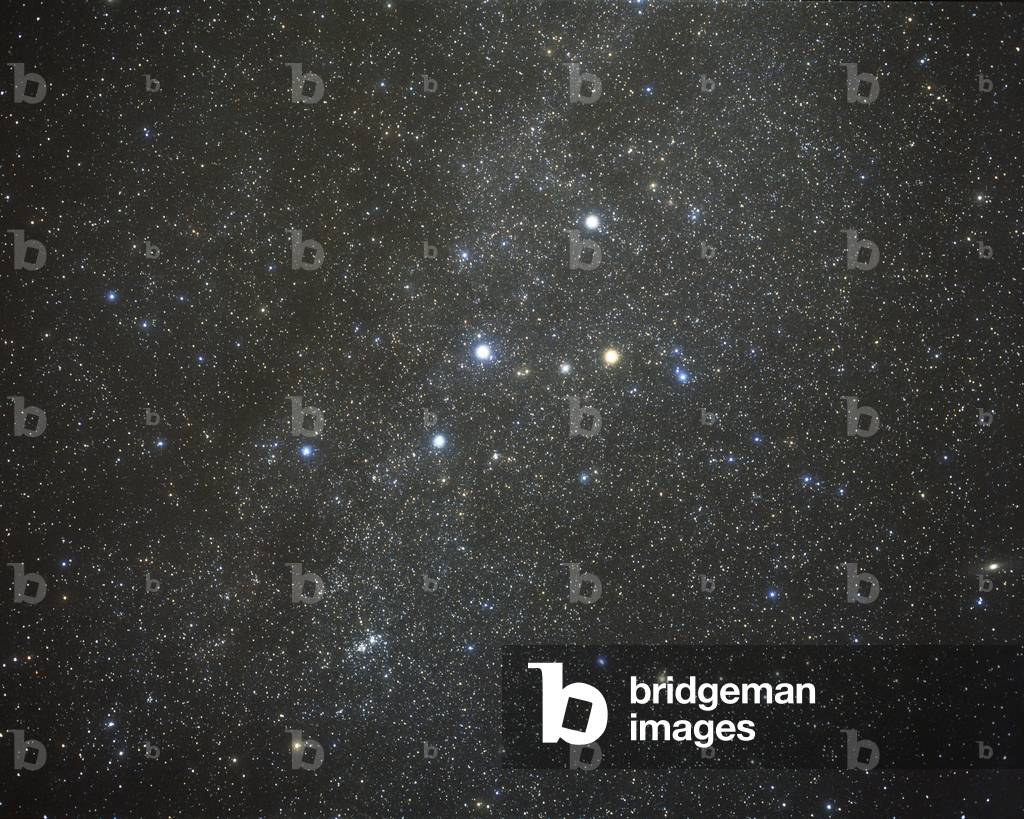
Constellation Cassiopee - The constellation of Cassiopei

PIX4589563: Constellation Cassiopee - The constellation of Cassiopei / Bridgeman Images

Constellations of Cassiopee, Persee - Cassiopeia, Perseus, Cepheus constellations - On the top right the constellation of Cephee, in the center of Cassiopee, below the left of the constellation Persee, on the bottom right, part of Andromede. Top right Cepheus constellation, in the middle Cassiopeia constellation, bottom right part of Andromeda, bottom left Perseus

PIX4589673: Constellations of Cassiopee, Persee - Cassiopeia, Perseus, Cepheus constellations - On the top right the constellation of Cephee, in the center of Cassiopee, below the left of the constellation Persee, on the bottom right, part of Andromede. Top right Cepheus constellation, in the middle Cassiopeia constellation, bottom right part of Andromeda, bottom left Perseus / Bridgeman Images

Cassiopee Constellation - Constellation of Cassiopeia - Plate extracted from the Mirror of Urania by Jehoshaphat Aspin - 1825 Urania's Mirror, by Jehoshaphat Aspin, 1825

PIX4589704: Cassiopee Constellation - Constellation of Cassiopeia - Plate extracted from the Mirror of Urania by Jehoshaphat Aspin - 1825 Urania's Mirror, by Jehoshaphat Aspin, 1825 / Bridgeman Images

Constellations of Cephee - Constellation of Cepheus - Plate extracted from the Mirror of Urania by Jehoshaphat Aspin - 1825 Urania's Mirror, by Jehoshaphat Aspin, 1825

PIX4589835: Constellations of Cephee - Constellation of Cepheus - Plate extracted from the Mirror of Urania by Jehoshaphat Aspin - 1825 Urania's Mirror, by Jehoshaphat Aspin, 1825 / Bridgeman Images

Egyptian antiquite: view of the temple of Kom Ombo, 2nd century BC, Aswan, Egypt (photo)

JLJ4589926: Egyptian antiquite: view of the temple of Kom Ombo, 2nd century BC, Aswan, Egypt (photo), Egyptian / Bridgeman Images

Egyptian antiquite: colonnade of the temple of Sethi I in Abydos, Egypt, 1318 BC (photo)

JLJ4589956: Egyptian antiquite: colonnade of the temple of Sethi I in Abydos, Egypt, 1318 BC (photo), Egyptian 19th Dynasty (c.1292-1187 BC) / Bridgeman Images

Frontispiece of the score for the opera Alessandro Nell'Indie by Johan Christian Bach (Fac-simile from the original of 1761)

LRI4562881: Frontispiece of the score for the opera Alessandro Nell'Indie by Johan Christian Bach (Fac-simile from the original of 1761) / Bridgeman Images

Opening of the comic opera Fra Diavolo, or The Hotelery of Terracine by D. F. Auber, 1830

LRI4562917: Opening of the comic opera Fra Diavolo, or The Hotelery of Terracine by D. F. Auber, 1830, Unknown Artist, (19th century) / Bridgeman Images
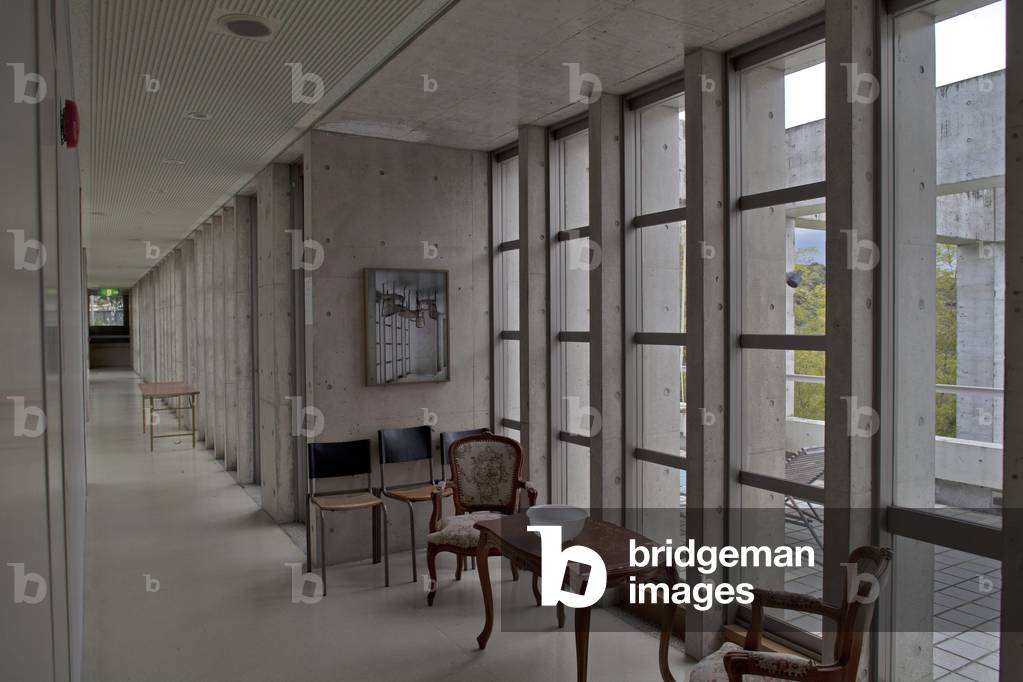
Villa Kujoyama in Kyoto, Japan.

TEC4562945: Villa Kujoyama in Kyoto, Japan. / Bridgeman Images

First page of the partition of the opening of the Coriolanus Overture, Op. 62, by Ludwig van Beethoven

LRI4562985: First page of the partition of the opening of the Coriolanus Overture, Op. 62, by Ludwig van Beethoven / Bridgeman Images

Red Canyon national park, Utah, United States of America, North America

CUB4532683: Red Canyon national park, Utah, United States of America, North America / Bridgeman Images

A doctor's wife, in
A doctor's wife, in

JLJ4610449: A doctor's wife, in "New assembly of the manouvries habilles", 18th century (engraving), Engelbrecht, Martin (1684-1756) / Bridgeman Images

Spiral Galaxy NGC 3079 in the Great Bear - Spiral galaxy NGC 3079 - NGC 3079 is a spiral galaxy distant about 50 million years - light from Earth. His disc measures about 70,000 years - light. Also visible in this photo is the quasar Q0957+561, 9 billion years away - light. The NGC 3079 spiral galaxy is located at about 50 million light years from Earth. Its dics is approximately 70,000 light years wide. The Q0957+561 twin quasar, roughly at 9 billion light years away, is also visible in this image

PIX4610486: Spiral Galaxy NGC 3079 in the Great Bear - Spiral galaxy NGC 3079 - NGC 3079 is a spiral galaxy distant about 50 million years - light from Earth. His disc measures about 70,000 years - light. Also visible in this photo is the quasar Q0957+561, 9 billion years away - light. The NGC 3079 spiral galaxy is located at about 50 million light years from Earth. Its dics is approximately 70,000 light years wide. The Q0957+561 twin quasar, roughly at 9 billion light years away, is also visible in this image / Bridgeman Images

Hickson 44 Galaxy Group in Leo - Hickson 44 Galaxy Group in Leo - Group of galaxies located about 60 million light years away from Earth. At the top is the elliptical galaxy NGC 3193, at the top center the spiral galaxy NGC 3190, at its right the spiral galaxy NGC 3187, and at the bottom, NGC 3185. The Hickson Galaxy Group is about 60 million light years from Earth. To the top of the image, the NGC 3193 elliptic galaxy; in the center, the NGC 3190 spiral galaxy with NGC 3187 just on its right and NGC 3185 at bottom

PIX4610524: Hickson 44 Galaxy Group in Leo - Hickson 44 Galaxy Group in Leo - Group of galaxies located about 60 million light years away from Earth. At the top is the elliptical galaxy NGC 3193, at the top center the spiral galaxy NGC 3190, at its right the spiral galaxy NGC 3187, and at the bottom, NGC 3185. The Hickson Galaxy Group is about 60 million light years from Earth. To the top of the image, the NGC 3193 elliptic galaxy; in the center, the NGC 3190 spiral galaxy with NGC 3187 just on its right and NGC 3185 at bottom / Bridgeman Images
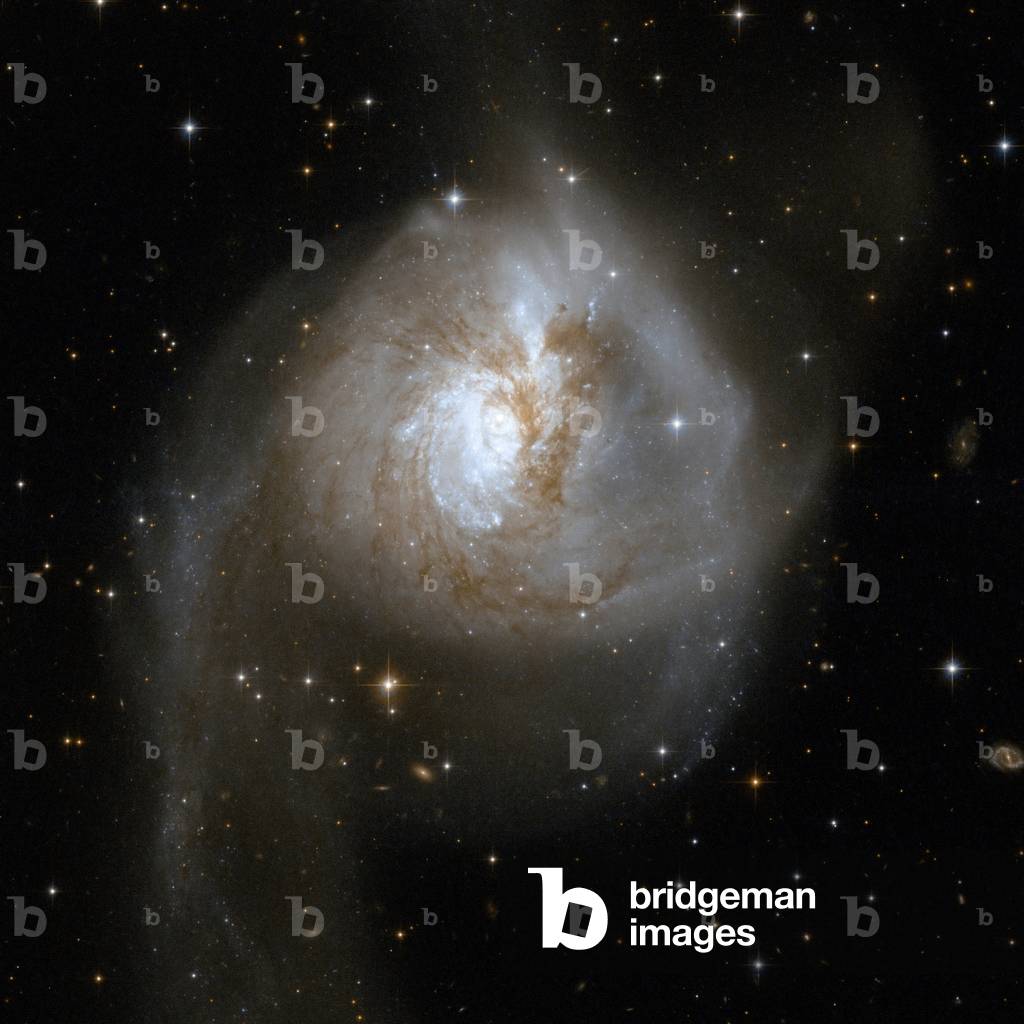
Interacting galaxies NGC 3256 - Interacting galaxies NGC 3256 - The special galaxy NGC 3256 is located about 100 million light years away from Earth in the southern constellation of Sails. A vestige of the collision of two galaxies, this system presents a double nucleus and many young clusters of stars. Image obtained by the Hubble Space Telescope on November 5, 2001. NGC 3256 is an impressive example of a peculiar galaxy that is actually the relict of a collision of two separate galaxies that took place in a distant past. The telltale signs of the collision are two extended luminous tails swirling out from the galaxy. NGC 3256 belongs to the Hydra - Centaurus supercluster complex and provides a nearby template for studying the properties of young star clusters in tidal tails. The system hides a double nucleus and a tangle of dust lanes in the central region. The tails are studded with a particularly high density of star clusters. Image taken by the Hubble space telescope on November 5, 2001

PIX4610539: Interacting galaxies NGC 3256 - Interacting galaxies NGC 3256 - The special galaxy NGC 3256 is located about 100 million light years away from Earth in the southern constellation of Sails. A vestige of the collision of two galaxies, this system presents a double nucleus and many young clusters of stars. Image obtained by the Hubble Space Telescope on November 5, 2001. NGC 3256 is an impressive example of a peculiar galaxy that is actually the relict of a collision of two separate galaxies that took place in a distant past. The telltale signs of the collision are two extended luminous tails swirling out from the galaxy. NGC 3256 belongs to the Hydra - Centaurus supercluster complex and provides a nearby template for studying the properties of young star clusters in tidal tails. The system hides a double nucleus and a tangle of dust lanes in the central region. The tails are studded with a particularly high density of star clusters. Image taken by the Hubble space telescope on November 5, 2001 / Bridgeman Images

David and Bethsabee, 18th century (oil on canvas)

JLJ4610586: David and Bethsabee, 18th century (oil on canvas), Loo, Carle van (1705-65) / Bridgeman Images

The conversion of Henri de Joyeuse (1567-1608), 16th century, 16th century (oil on canvas)

JLJ4610603: The conversion of Henri de Joyeuse (1567-1608), 16th century, 16th century (oil on canvas), Tardieu, Jean-Charles (1765-1830) / Bridgeman Images

Galaxies M95 and M96 in the Lion - Galaxies M95 and M96 in Leo - M95 (NGC 3351), on the left, is a barree spiral of type SBB, M96 (NGC 3368), on the right, is a spiral galaxy of type Sa. M96 is the brightest member of the Leo I galaxy group, which is also called the M96 group. It also contains M95, M105 and a number of weaker galaxies. Their distance to our Sun was measured with great precision thanks to the discovery of cepheides in these galaxies and the appearance of a supernova of type Ia in M96 in May 1998. These two galaxies are located 37 million light years away from Earth. M95 (NGC 3351, left), is a barred spiral galaxy, M96 (NGC 3368, right), is a spiral galaxy. With M105 (not pictured here), they are dominant members of the Leo I galactic group which also includes several fainter galaxies. Their distance from our Sun has been determinated with great precision thanks to the discovery of Cepheids stars in these galaxies and a type IA supernova in M96 appeared in May 1998. Their distance to our Sun is 37 million light - years

PIX4610672: Galaxies M95 and M96 in the Lion - Galaxies M95 and M96 in Leo - M95 (NGC 3351), on the left, is a barree spiral of type SBB, M96 (NGC 3368), on the right, is a spiral galaxy of type Sa. M96 is the brightest member of the Leo I galaxy group, which is also called the M96 group. It also contains M95, M105 and a number of weaker galaxies. Their distance to our Sun was measured with great precision thanks to the discovery of cepheides in these galaxies and the appearance of a supernova of type Ia in M96 in May 1998. These two galaxies are located 37 million light years away from Earth. M95 (NGC 3351, left), is a barred spiral galaxy, M96 (NGC 3368, right), is a spiral galaxy. With M105 (not pictured here), they are dominant members of the Leo I galactic group which also includes several fainter galaxies. Their distance from our Sun has been determinated with great precision thanks to the discovery of Cepheids stars in these galaxies and a type IA supernova in M96 appeared in May 1998. Their distance to our Sun is 37 million light - years / Bridgeman Images

Swiss fishermen in Interlaken., 19th century (oil on canvas)

JLJ4610707: Swiss fishermen in Interlaken., 19th century (oil on canvas), Dagnan, Isidore (1794-1873) / Bridgeman Images

Saint Peter released from prison (oil on canvas, circa 1710)

LRI4610810: Saint Peter released from prison (oil on canvas, circa 1710), Ricci, Sebastiano (1658-1734) / Bridgeman Images


Back to top