Search options

Orientation
Colour

Display options

View

Print

To print search results, use print friendly version of this page.

2497524 Search Results
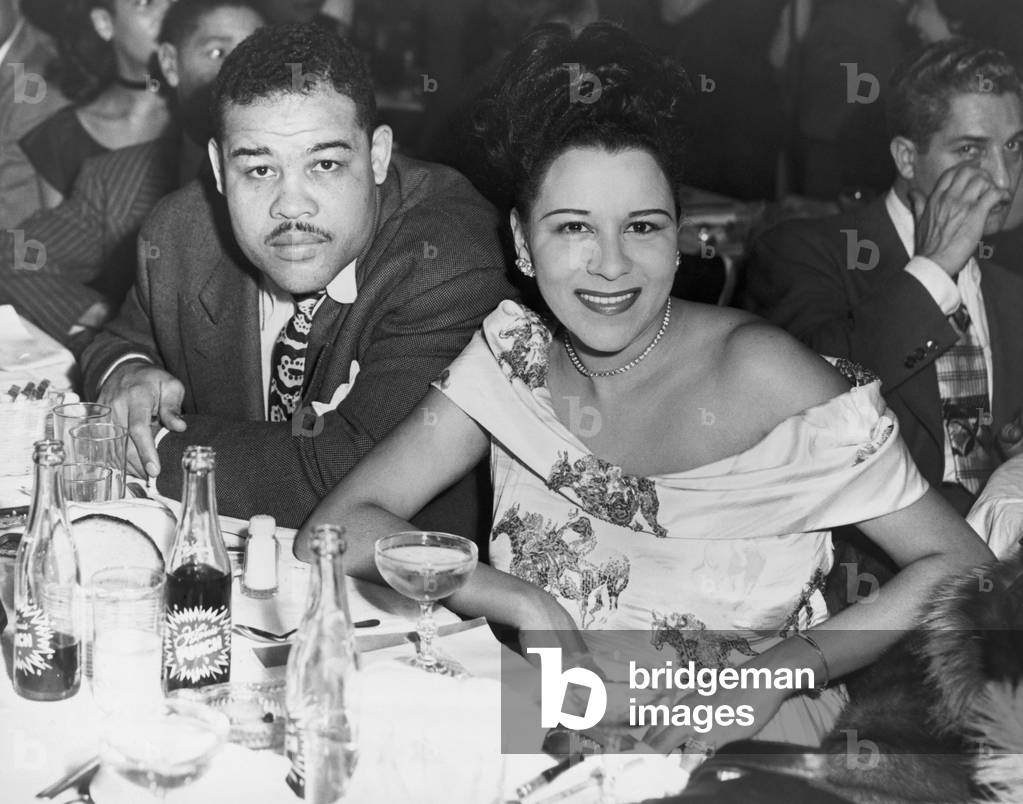
Heavyweight champ Joe Louis and his first wife Marva dining at a night club in 1947

EVB2936289: Heavyweight champ Joe Louis and his first wife Marva dining at a night club in 1947 / Bridgeman Images
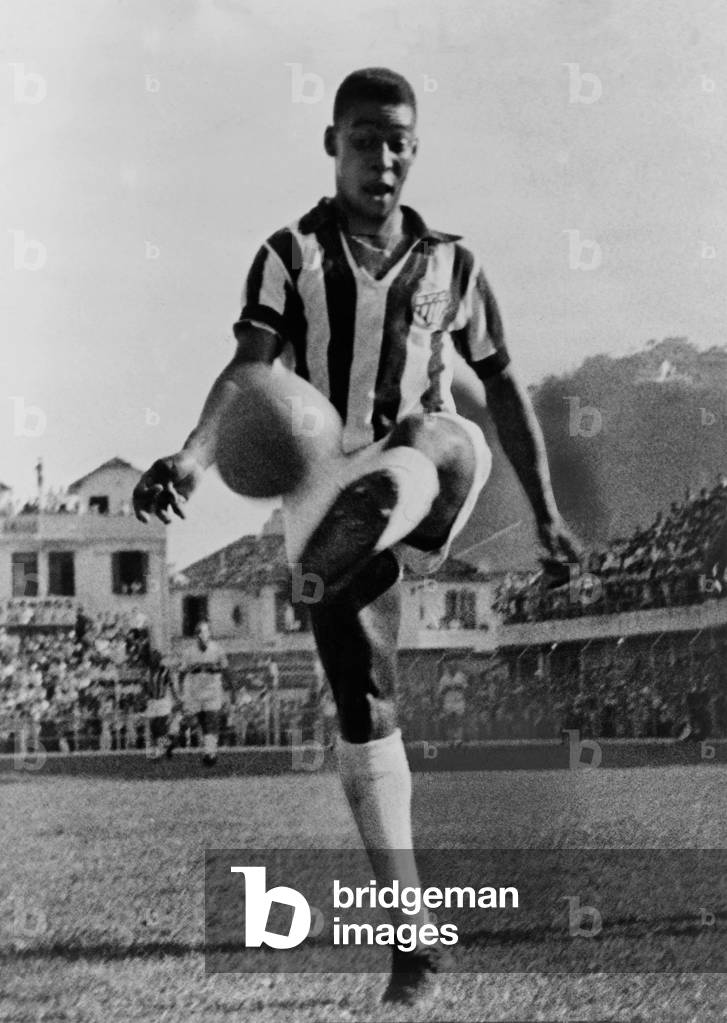
Pele (b. 1940), the Brazilian soccer player in 1965, at the height of his long career which included three World Cup championships

EVB2936301: Pele (b. 1940), the Brazilian soccer player in 1965, at the height of his long career which included three World Cup championships / Bridgeman Images

New York City's west side elevated railroad at Greenwich Street, New York in the 1930s

EVB2936331: New York City's west side elevated railroad at Greenwich Street, New York in the 1930s / Bridgeman Images

Narrow street, Rue St. Rustique, Paris (b/w photo)

EVB2936337: Narrow street, Rue St. Rustique, Paris (b/w photo), Atget, Eugene (1856-1927) / Bridgeman Images
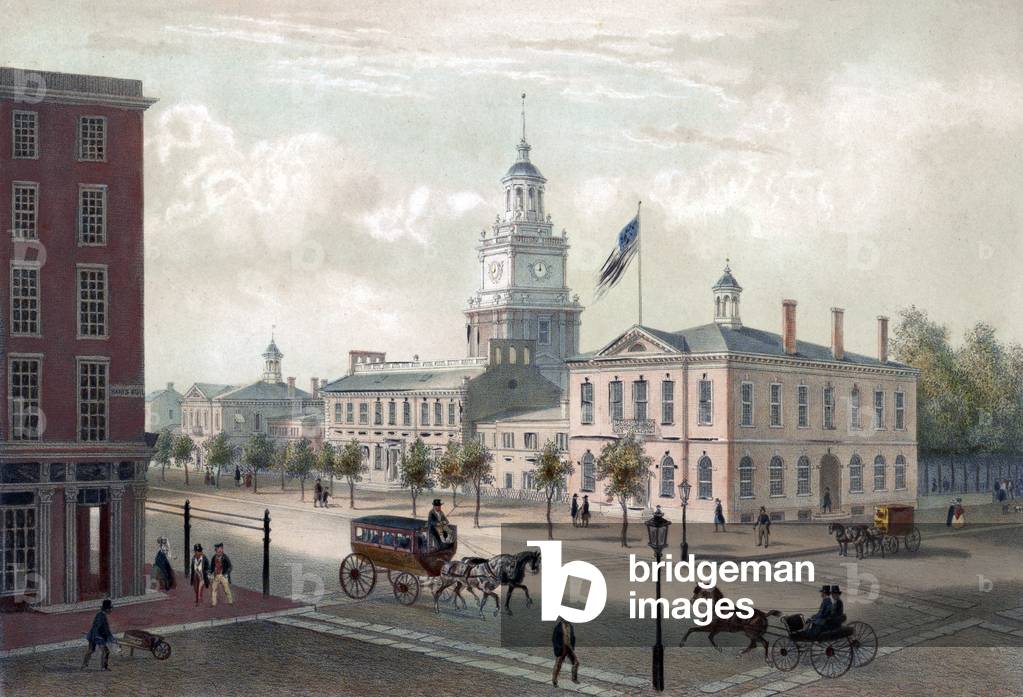
Philadelphia. A view of Independence Hall, Philadelphia. By Augustus Kollner 1848

EVB2936370: Philadelphia. A view of Independence Hall, Philadelphia. By Augustus Kollner 1848 / Bridgeman Images
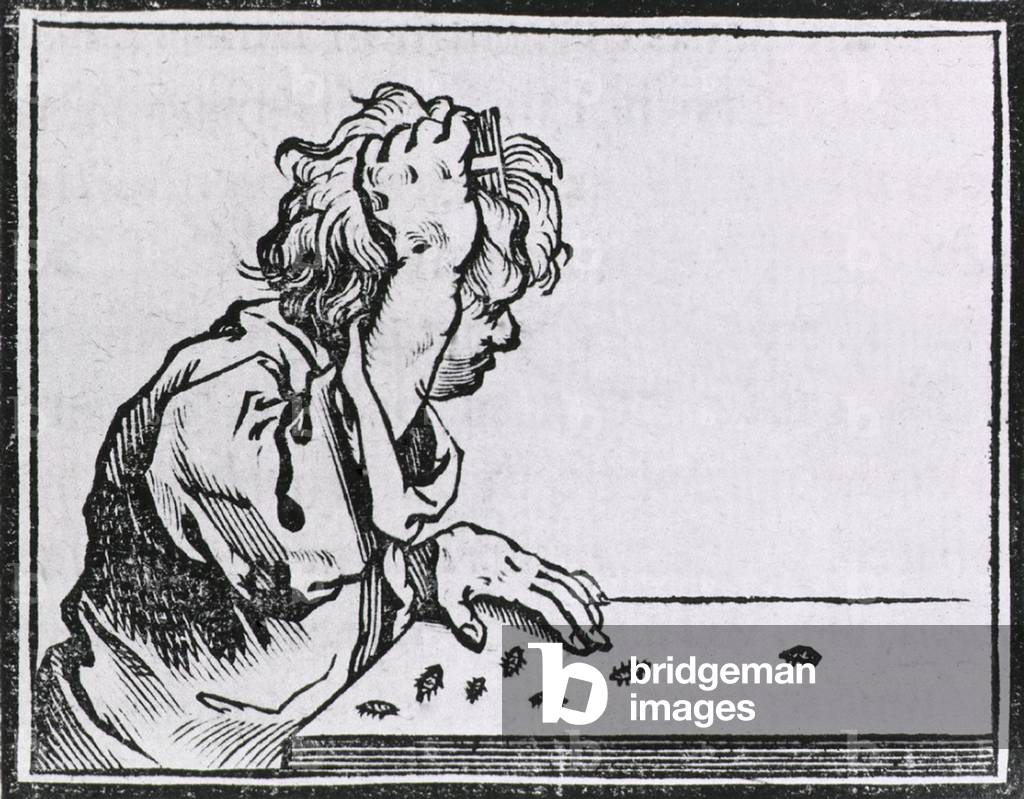
Human hair lice. Male youth seated at a table, combing the lice out of his hair. Woodcut from HISTORIA MEDICA, published in Brussels in 1639

EVB2936442: Human hair lice. Male youth seated at a table, combing the lice out of his hair. Woodcut from HISTORIA MEDICA, published in Brussels in 1639 / Bridgeman Images
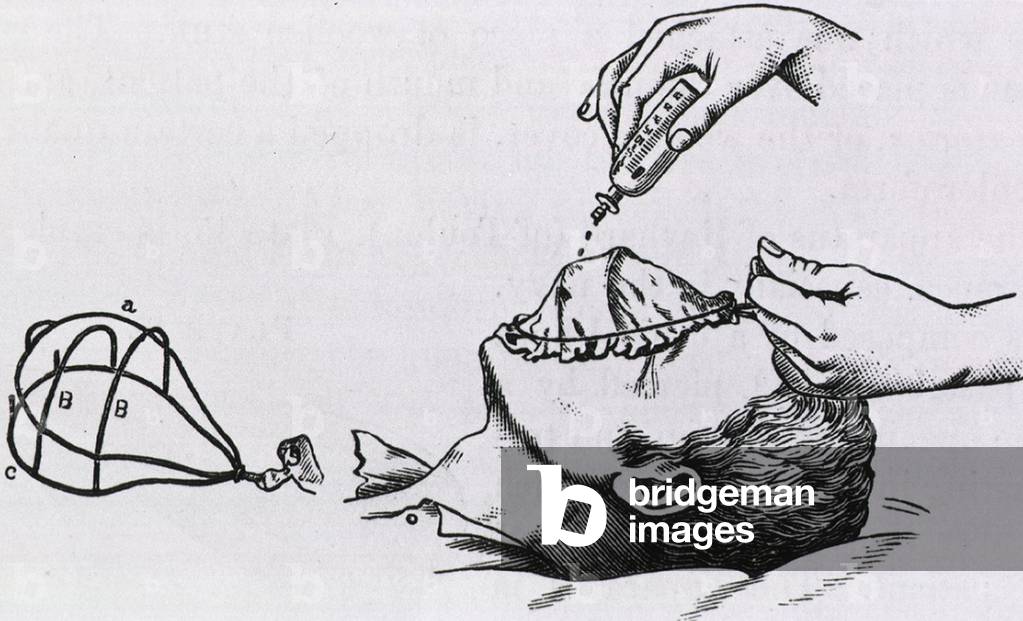
Wire frame supports a muslin cloth cover placed over the patient's face while drops of chloroform are dripped on the cloth. The wire frame without cover is shown on the left. From a 1896 text on anesthesia by Laurence Turnbull

EVB2936454: Wire frame supports a muslin cloth cover placed over the patient's face while drops of chloroform are dripped on the cloth. The wire frame without cover is shown on the left. From a 1896 text on anesthesia by Laurence Turnbull / Bridgeman Images
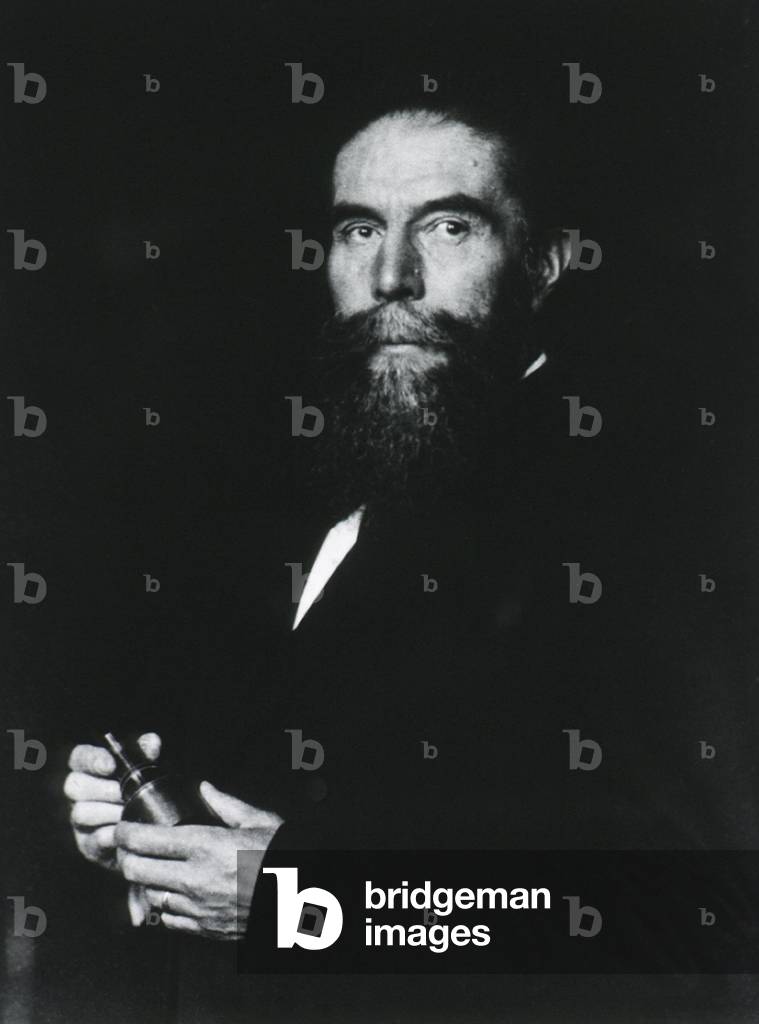
Wilhelm Roentgen (1845-1923), German physicist, discoverer of X-rays, holding a cathode-ray tube, the source of the x-ray radiation he discovered

EVB2936511: Wilhelm Roentgen (1845-1923), German physicist, discoverer of X-rays, holding a cathode-ray tube, the source of the x-ray radiation he discovered / Bridgeman Images
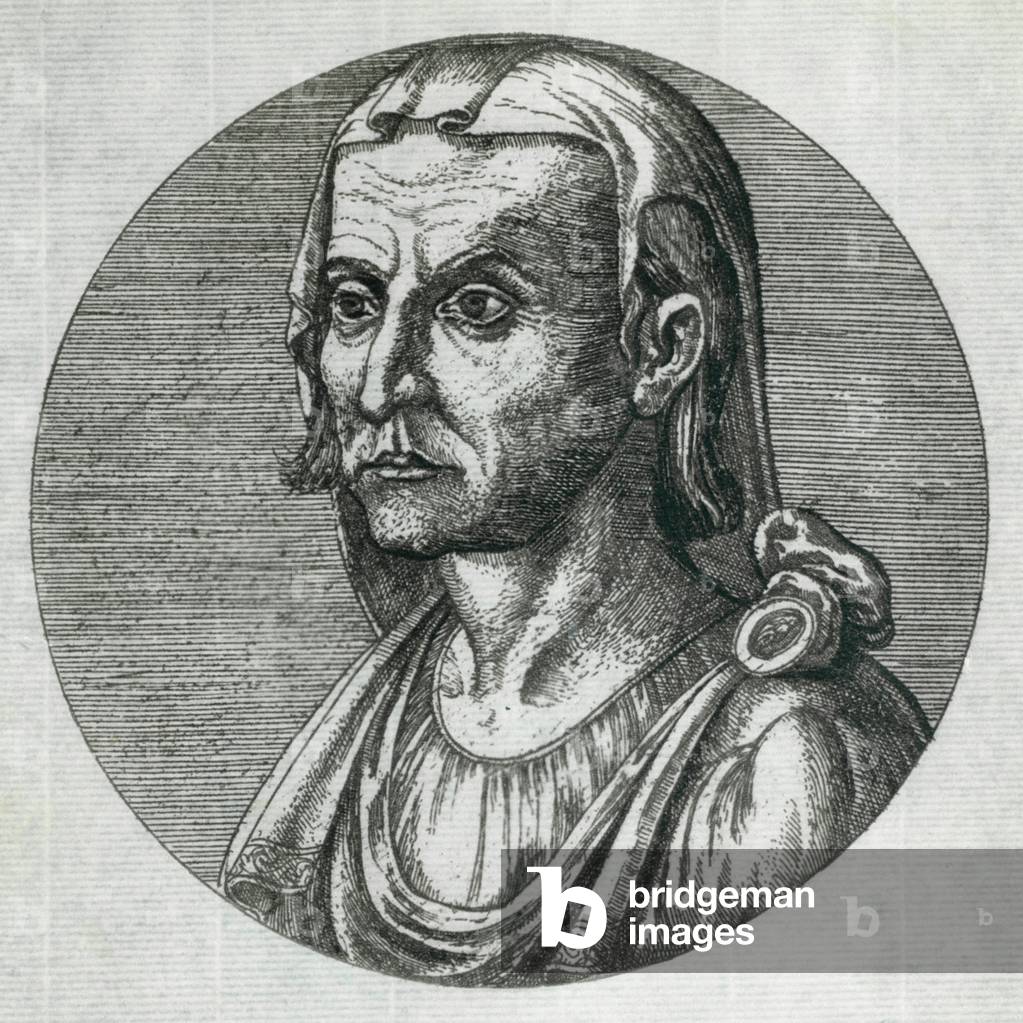
Hippocrates (460-375 BC), Greek physician. Engraving, c. 1800

EVB2936544: Hippocrates (460-375 BC), Greek physician. Engraving, c. 1800 / Bridgeman Images
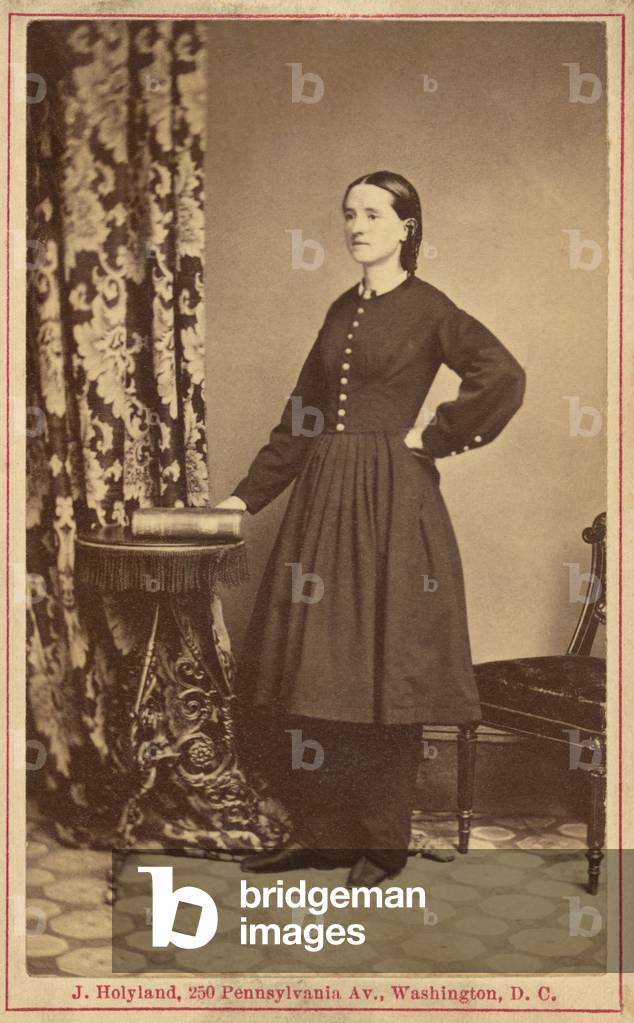
Dr. Mary Edwards Walker (1832-1919), Civil War surgeon. She is the only known female physician to serve in battle during the U.S. Civil war. She is wearing her reformist dress, consisting of full length slacks under an abbreviated full skirt and uncorseted jacket. Photograph by John Holyland, c. 1865

EVB2936565: Dr. Mary Edwards Walker (1832-1919), Civil War surgeon. She is the only known female physician to serve in battle during the U.S. Civil war. She is wearing her reformist dress, consisting of full length slacks under an abbreviated full skirt and uncorseted jacket. Photograph by John Holyland, c. 1865 / Bridgeman Images
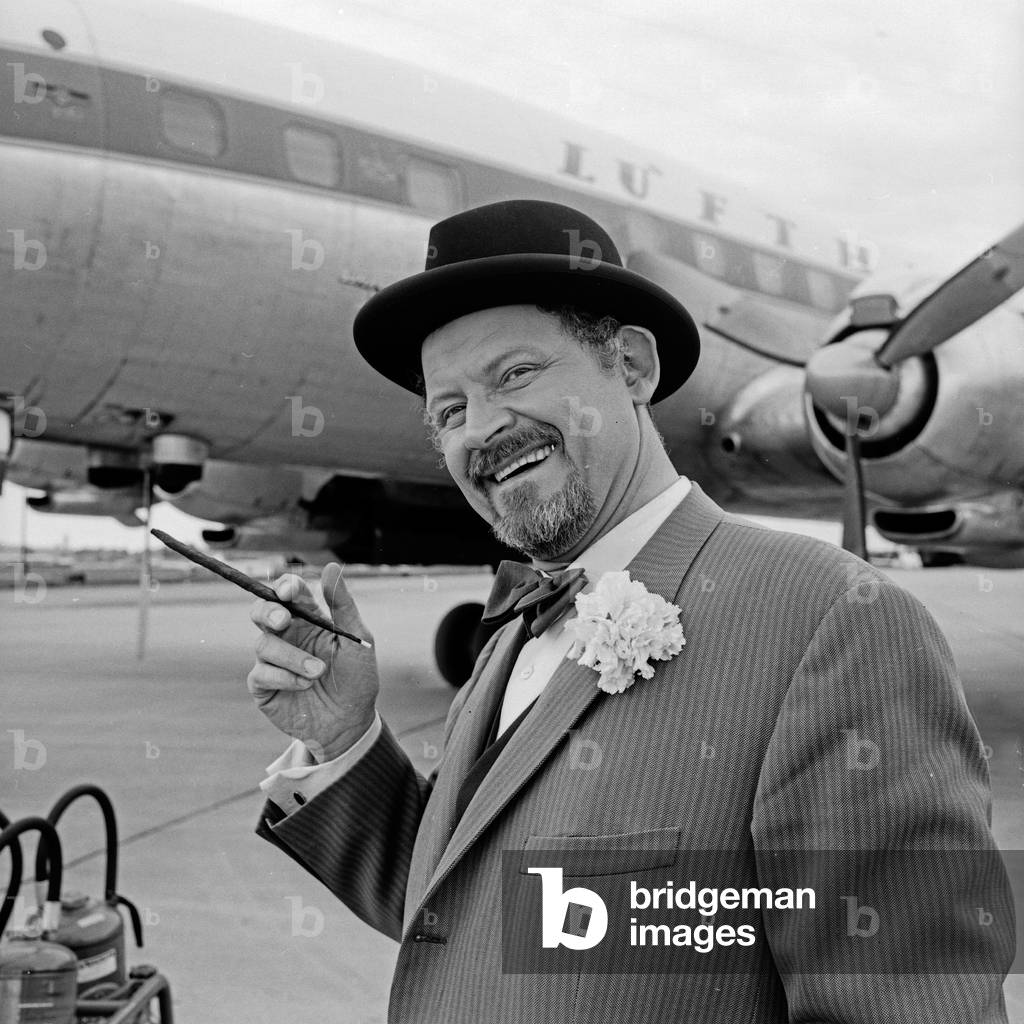
e
e

UTD2855411: e / Bridgeman Images

Spur 211
Spur 211

UTD2855426: Spur 211 / Bridgeman Images
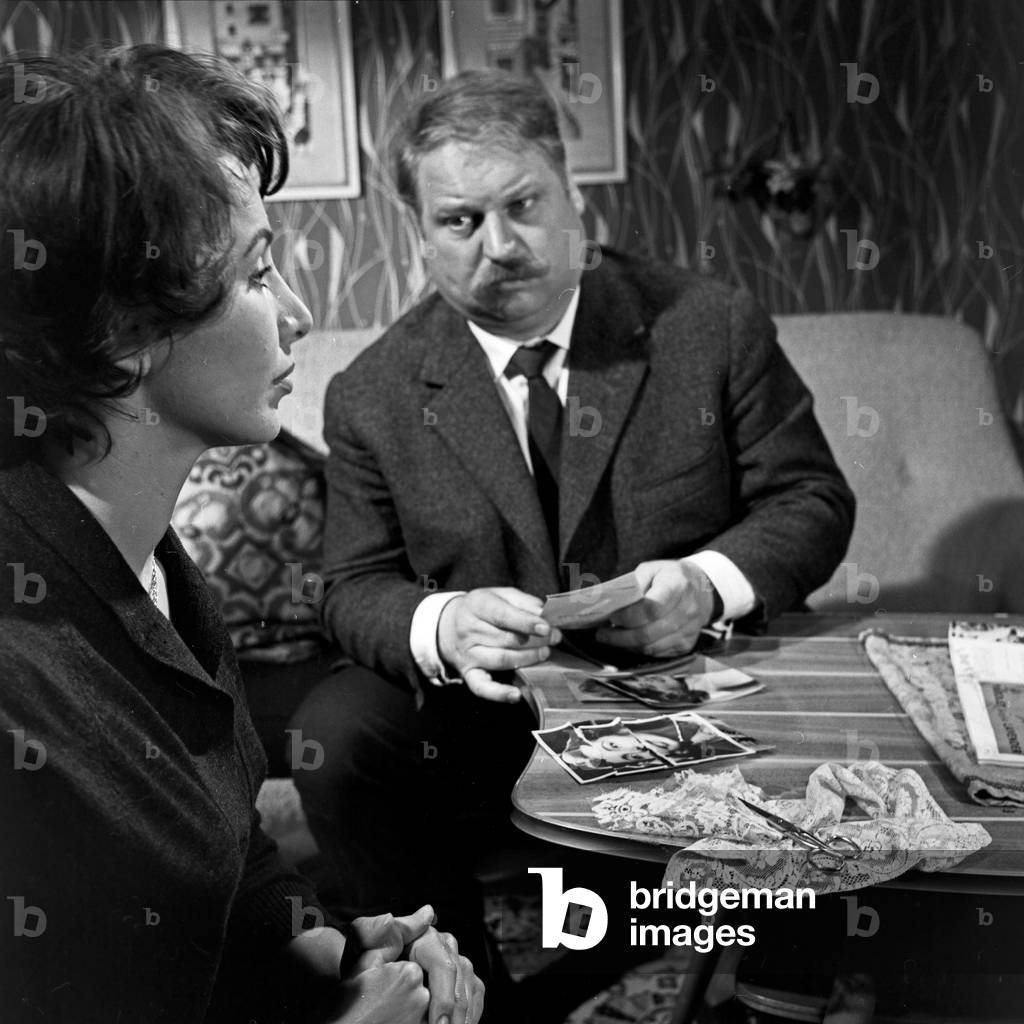
Spur 211
Spur 211

UTD2855435: Spur 211 / Bridgeman Images
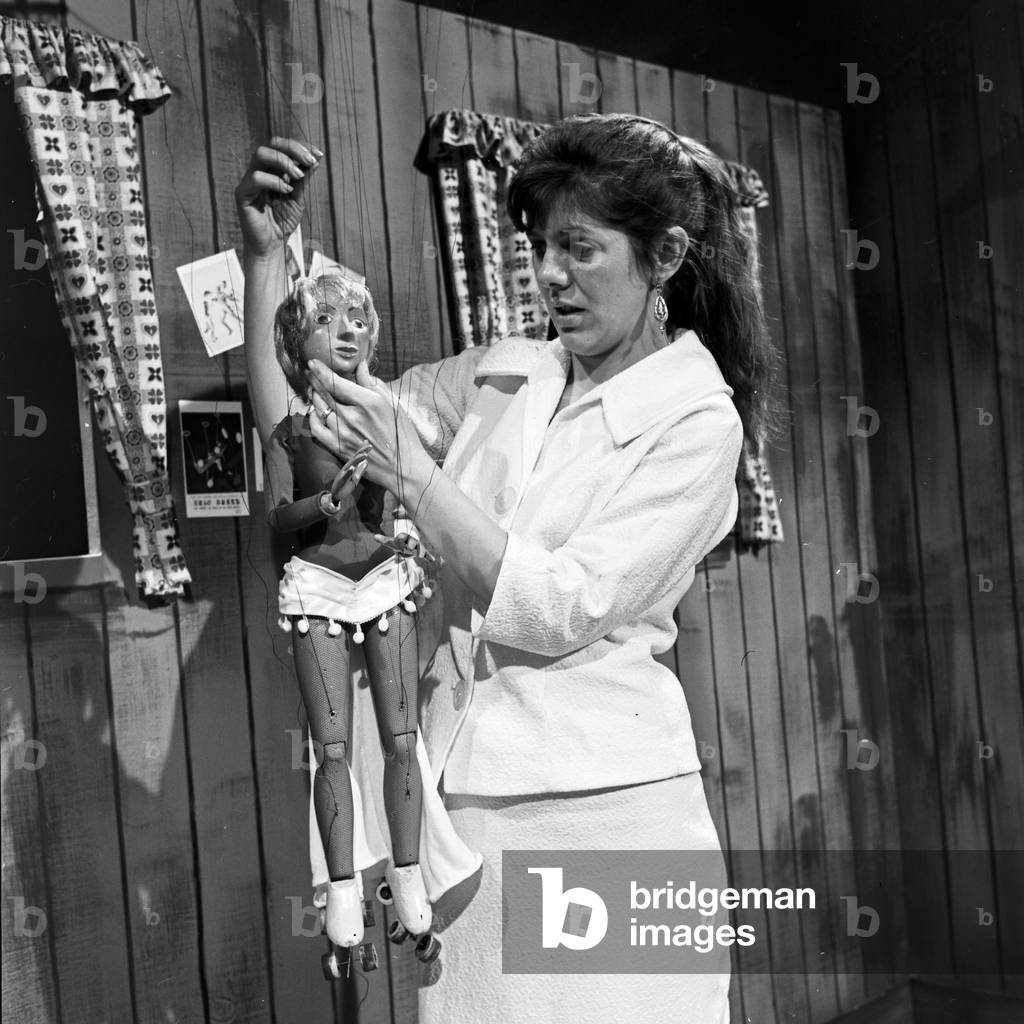
Puppets and puppeteers at a Hamburg puppetry, Germany 1960s

UTD2855462: Puppets and puppeteers at a Hamburg puppetry, Germany 1960s / Bridgeman Images
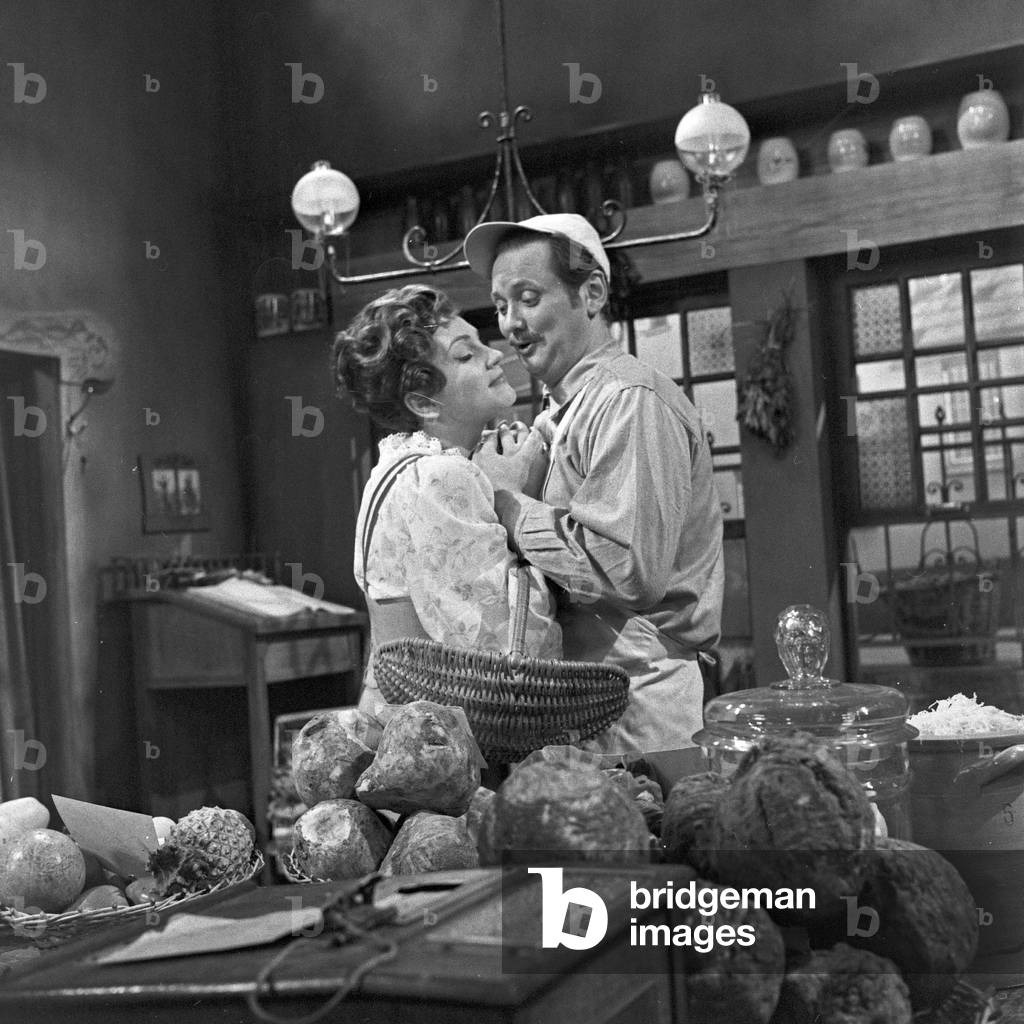
Albert Herring
Albert Herring

UTD2855483: Albert Herring / Bridgeman Images
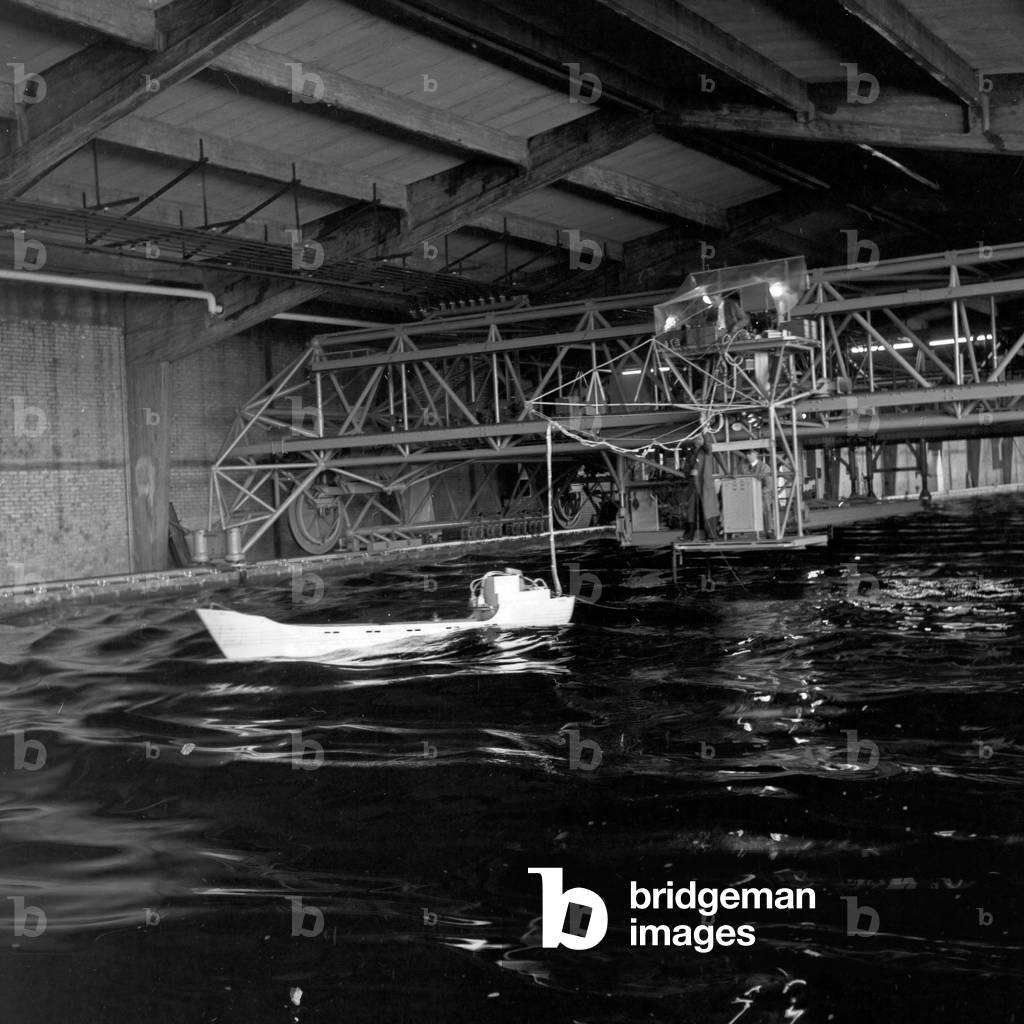
At the shipbuilding research center at Hamburg Barmbek, Germany 1960s

UTD2855519: At the shipbuilding research center at Hamburg Barmbek, Germany 1960s / Bridgeman Images
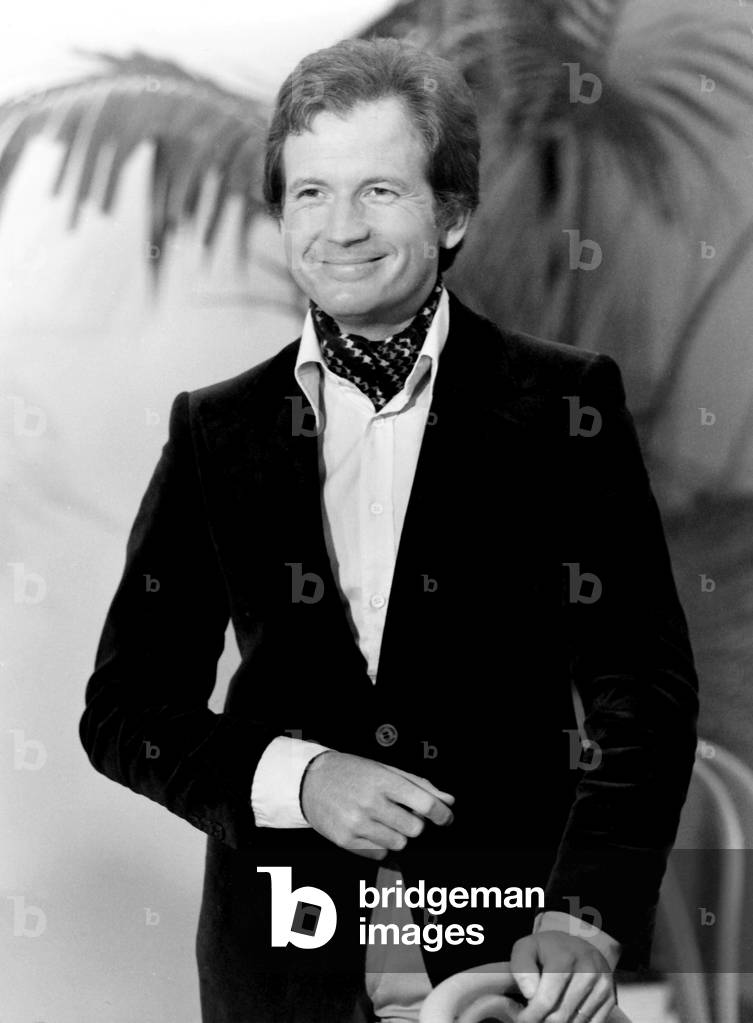
Austrian presenter Max Schautzer, end 1970s

UTD2855588: Austrian presenter Max Schautzer, end 1970s / Bridgeman Images

At the outdoor museum in Melle at Osnabrueck district, Germany 1960s

UTD2855677: At the outdoor museum in Melle at Osnabrueck district, Germany 1960s / Bridgeman Images

Presenter Friedrich Karl Ries showing model trains at his show

UTD2855686: Presenter Friedrich Karl Ries showing model trains at his show "Unser Modellbauskasten", Germany 1960s / Bridgeman Images
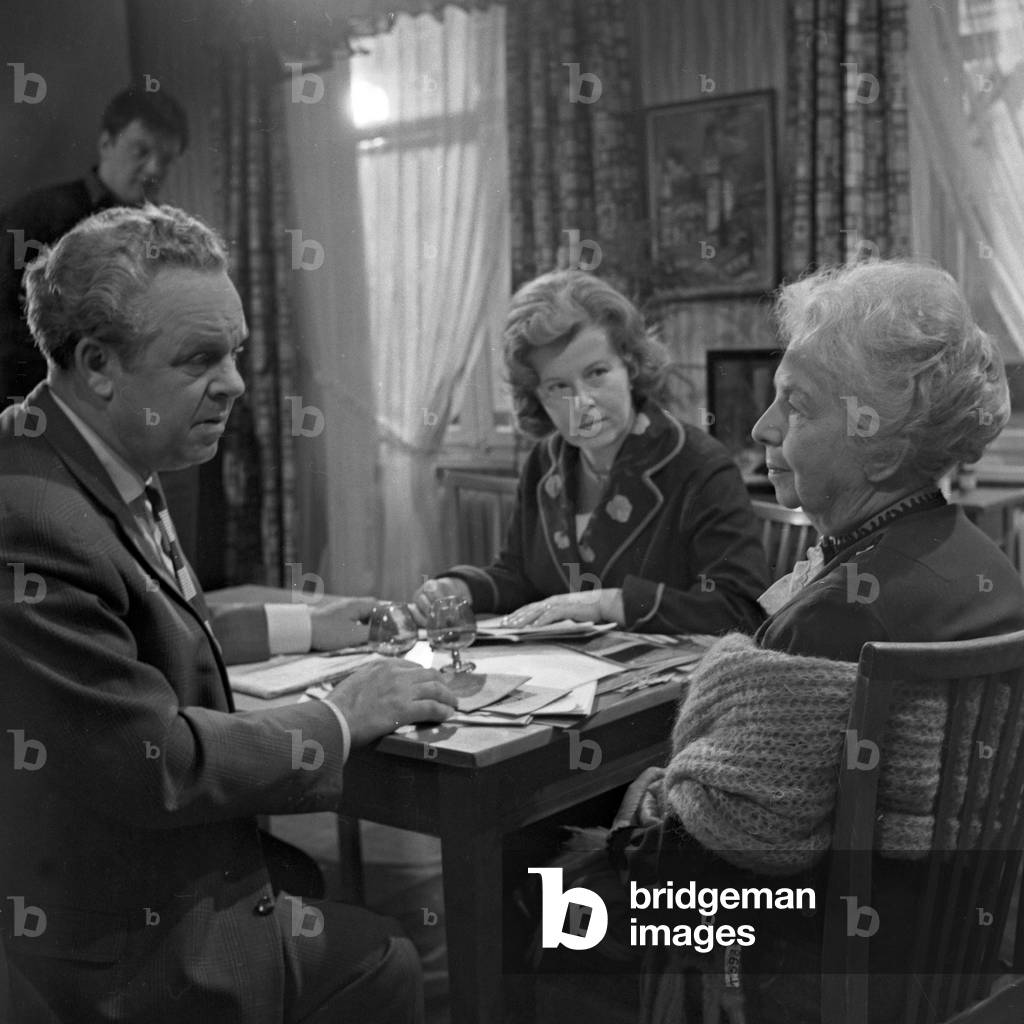
Alsterstrasse
Alsterstrasse

UTD2855695: Alsterstrasse / Bridgeman Images
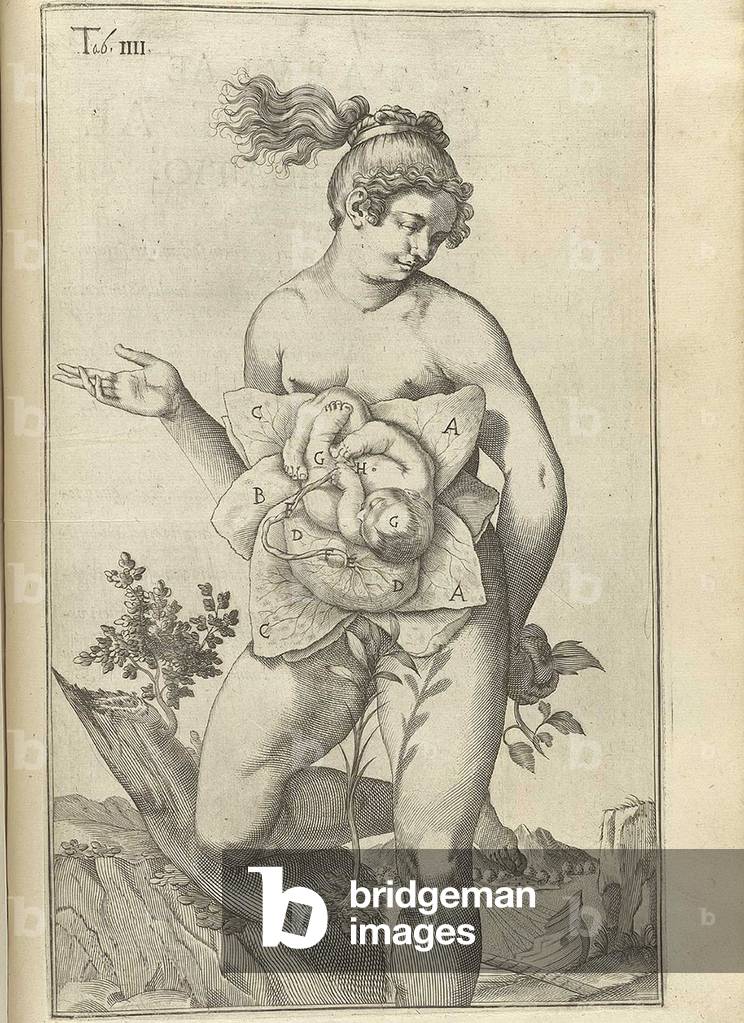
Development of the fetus. Female figure with womb exposed displaying a fetus from Adriaan van de Spiegel's, DE FORMATO FOETU LIBER EXORNATUS, 1626. Engraving by Francesco Valesio (b. c. 1560), after drawing by Odoardo Fialetti (1573-1638)

EVB2936596: Development of the fetus. Female figure with womb exposed displaying a fetus from Adriaan van de Spiegel's, DE FORMATO FOETU LIBER EXORNATUS, 1626. Engraving by Francesco Valesio (b. c. 1560), after drawing by Odoardo Fialetti (1573-1638) / Bridgeman Images

A woman with lypemania (melancholy or depression). From Etienne Esquirol's book describing the different types of mental disorders. Engraving by Ambroise Tardieu. 1838

EVB2936605: A woman with lypemania (melancholy or depression). From Etienne Esquirol's book describing the different types of mental disorders. Engraving by Ambroise Tardieu. 1838, Tardieu, Ambroise (1788-1841) / Bridgeman Images

Saint Albertus Magnus (1193?-1280), German bishop and philosopher, advocated the study of nature as a legitimate path to knowledge complementing that of faith and religious authority. Line engraving by Theoldore de Bry, 1597

EVB2936626: Saint Albertus Magnus (1193?-1280), German bishop and philosopher, advocated the study of nature as a legitimate path to knowledge complementing that of faith and religious authority. Line engraving by Theoldore de Bry, 1597 / Bridgeman Images
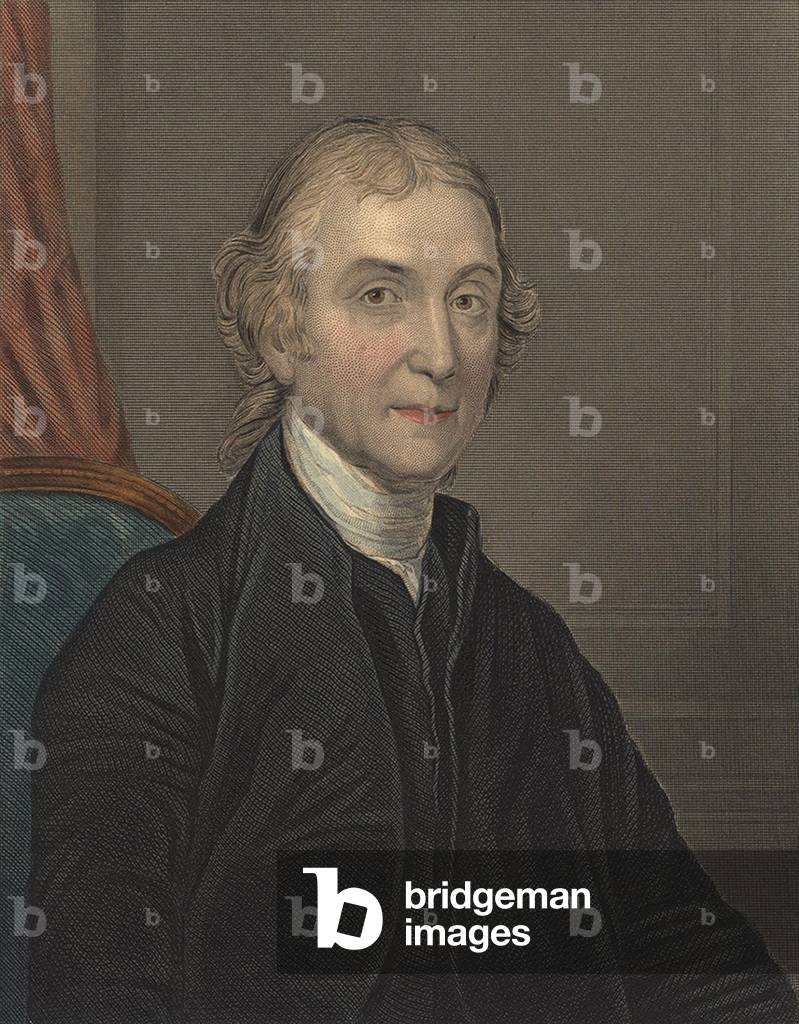
Joseph Priestley (1733-1804), discovered oxygen during his research on the properties of air. He also determined that animals exhale carbon dioxide. 1849 print

EVB2936632: Joseph Priestley (1733-1804), discovered oxygen during his research on the properties of air. He also determined that animals exhale carbon dioxide. 1849 print / Bridgeman Images

The human nervous system, from MANSUR'S ANATOMY, authored by the Persian scholar and physician, Mansur ibn Ilyas (c. 1370-1423). The figure is drawn from the back and the nerves indicated in opaque watercolors. Copy completed by Hasan ibn Ahmad, working in Isfahan, in 1488

EVB2936647: The human nervous system, from MANSUR'S ANATOMY, authored by the Persian scholar and physician, Mansur ibn Ilyas (c. 1370-1423). The figure is drawn from the back and the nerves indicated in opaque watercolors. Copy completed by Hasan ibn Ahmad, working in Isfahan, in 1488 / Bridgeman Images

1918 influenza virions (virus particles)

EVB2936677: 1918 influenza virions (virus particles) / Bridgeman Images

American Steel and Wire plant in Donora, Pennsylvania, in 1910. In 1948 the successors to these factories would contribute to a fatal air pollution incident that killed 20 people. Photo by Bruce Dresbach

EVB2936698: American Steel and Wire plant in Donora, Pennsylvania, in 1910. In 1948 the successors to these factories would contribute to a fatal air pollution incident that killed 20 people. Photo by Bruce Dresbach / Bridgeman Images
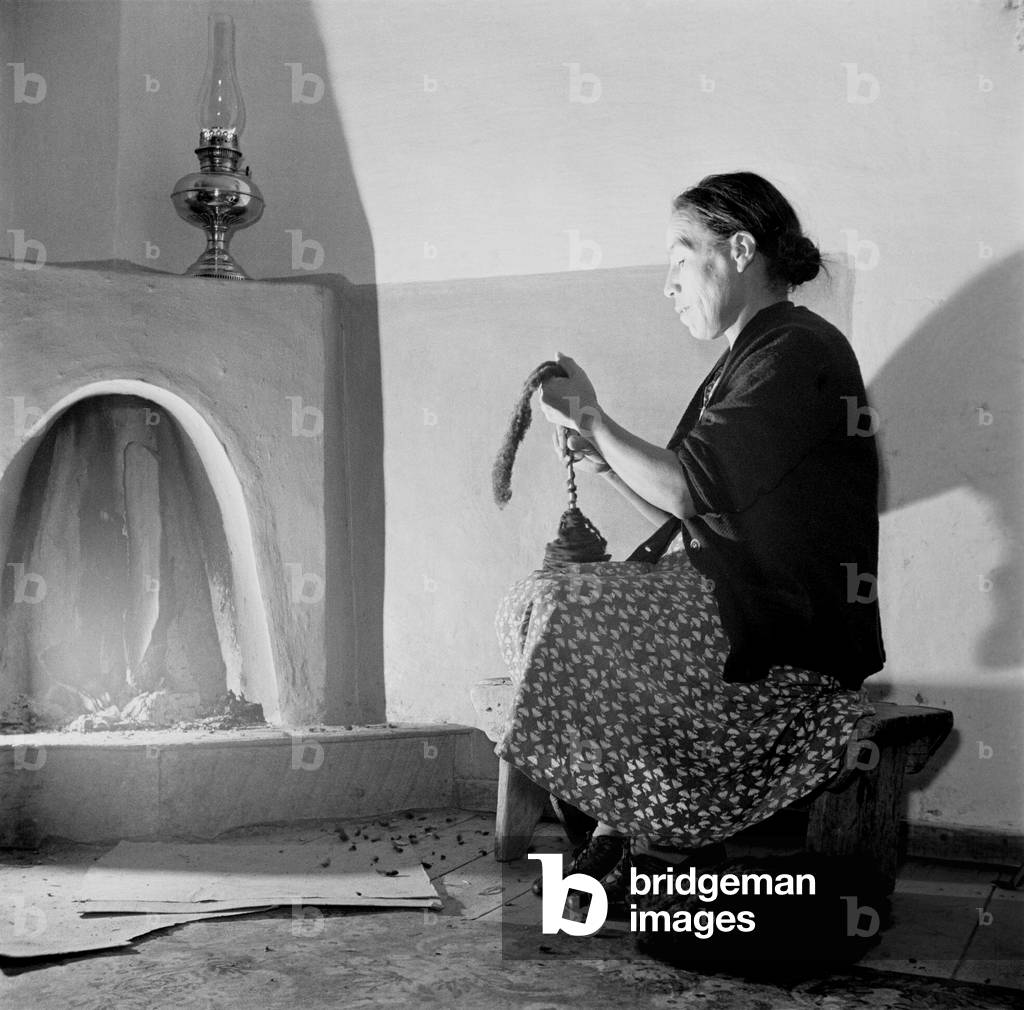
Spanish-American women, Maclovia Lopez, hand spinning wool by the light of the fire in New Mexico's Taos County. New Mexico has a four century tradition of wool production and weaving

EVB2936722: Spanish-American women, Maclovia Lopez, hand spinning wool by the light of the fire in New Mexico's Taos County. New Mexico has a four century tradition of wool production and weaving / Bridgeman Images
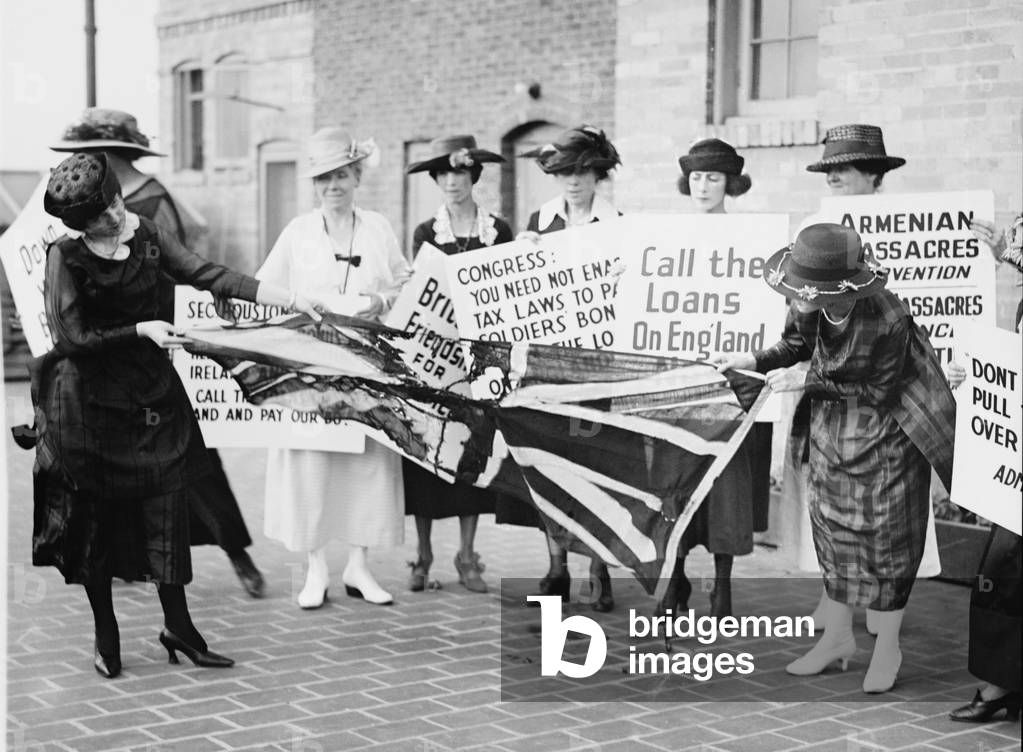
A group of Irish-American women tearing up a British flag, as they protest against United States support of the English against the Irish Independence. Washington, D.C., June 3, 1920

EVB2936728: A group of Irish-American women tearing up a British flag, as they protest against United States support of the English against the Irish Independence. Washington, D.C., June 3, 1920 / Bridgeman Images
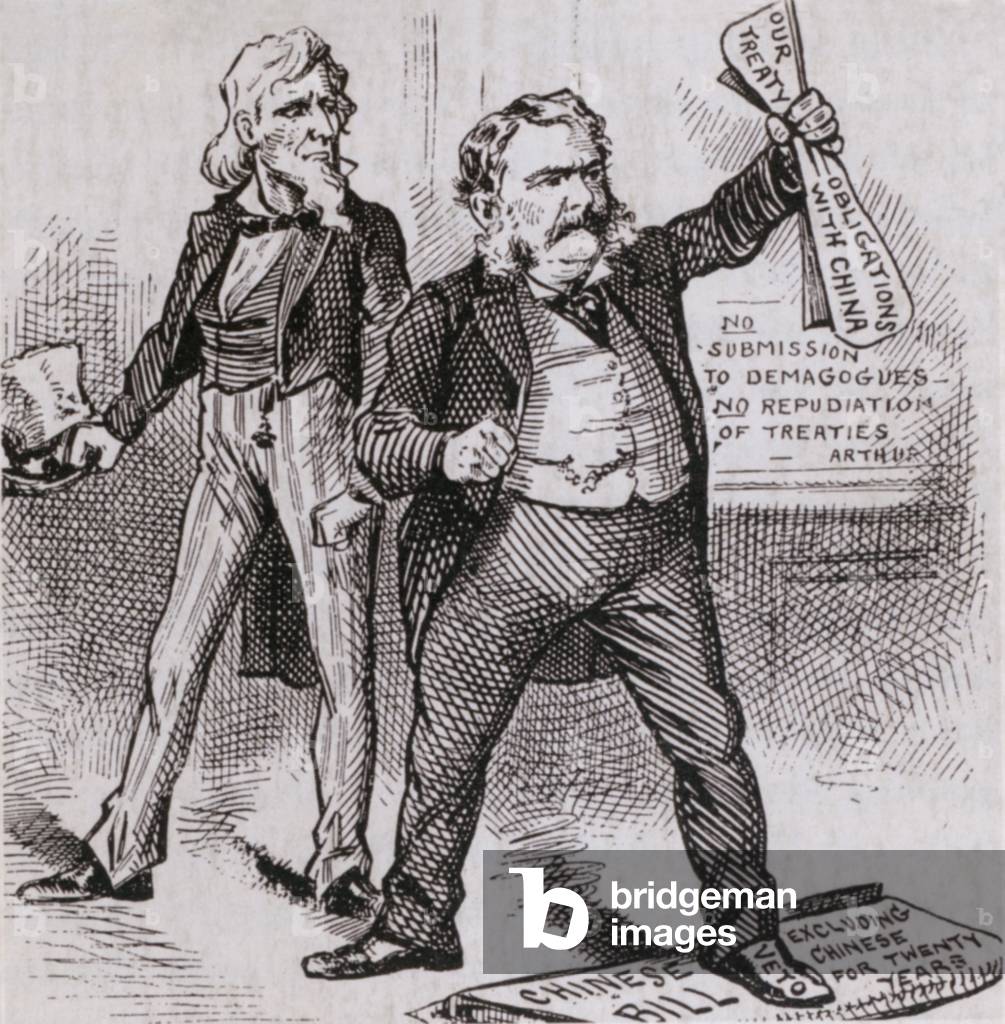
President Arthur, vetoed the 1882 bill forbidding immigration of laborers from China for 20 years, but later signed a 10 year limitation that remained in effect for decades

EVB2936731: President Arthur, vetoed the 1882 bill forbidding immigration of laborers from China for 20 years, but later signed a 10 year limitation that remained in effect for decades / Bridgeman Images

Castle Garden at New York City's Battery was built in New York Harbor to defend against a British invasion during the Napoleonic wars in 1807. When Ellis island took over immigrant reception in 1905, it was converted into an aquarium. c. 1901

EVB2936755: Castle Garden at New York City's Battery was built in New York Harbor to defend against a British invasion during the Napoleonic wars in 1807. When Ellis island took over immigrant reception in 1905, it was converted into an aquarium. c. 1901 / Bridgeman Images
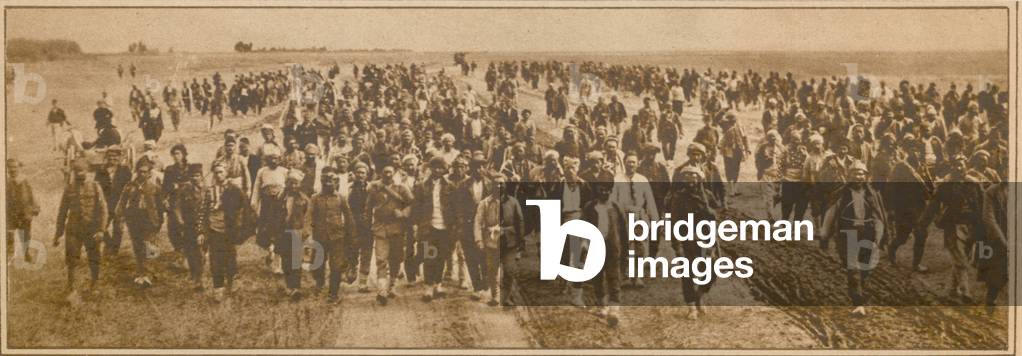
Greek refugees were forced from their homes in Turkey, abandoning practically all their possessions to seek safety in other lands. December 1922

EVB2936785: Greek refugees were forced from their homes in Turkey, abandoning practically all their possessions to seek safety in other lands. December 1922 / Bridgeman Images

Native woman of Keel, an impoverished village of Achill Island, West coast of Ireland, c. 1903

EVB2936848: Native woman of Keel, an impoverished village of Achill Island, West coast of Ireland, c. 1903 / Bridgeman Images

Tule Lake Relocation Center, at Newell, in northern California was the detention center for Japanese-Americans suspected of disloyalty because of their negative responses on a confusing U.S. government questionnaire regarding their willingness to serve in the military and their exclusive loyalty to U.S. Inmates organized work stoppages and demonstrations, prompting high security and the imposition of martial law

EVB2936869: Tule Lake Relocation Center, at Newell, in northern California was the detention center for Japanese-Americans suspected of disloyalty because of their negative responses on a confusing U.S. government questionnaire regarding their willingness to serve in the military and their exclusive loyalty to U.S. Inmates organized work stoppages and demonstrations, prompting high security and the imposition of martial law / Bridgeman Images
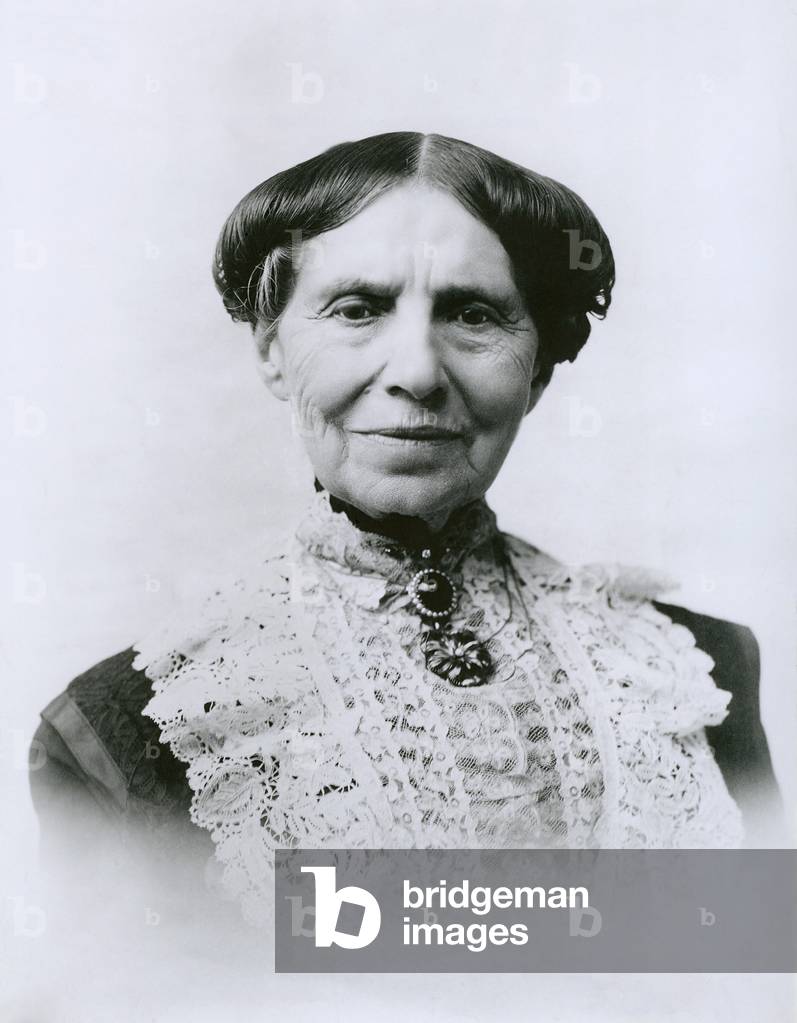
Clara Barton, 1821-1912, founder of the American Red Cross in 1904, the year of her retirement as the organization's president. Portrait by Purdy

EVB2936586: Clara Barton, 1821-1912, founder of the American Red Cross in 1904, the year of her retirement as the organization's president. Portrait by Purdy / Bridgeman Images
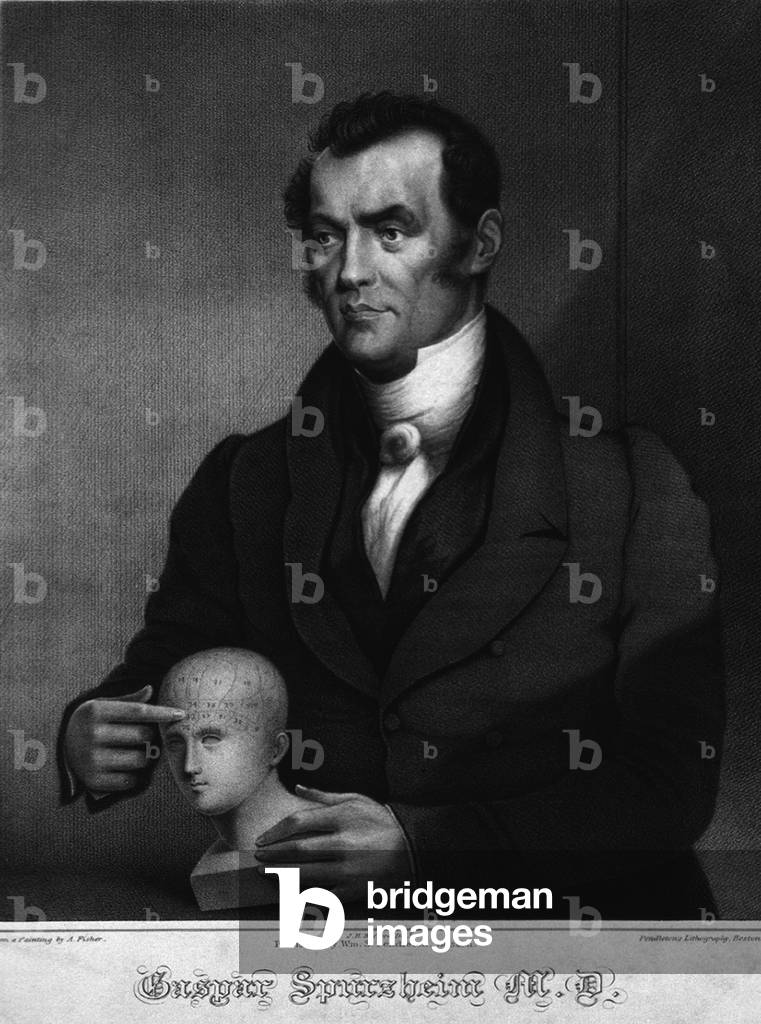
Johann Gaspar Spurzheim (1776-1832), German physician who toured Europe and the United States popularizing phrenology. In the 19th century, Phrenology succeeded the ancient personality theory of the Four Humors and preceded 20th century psychology. c. 1830

EVB2936610: Johann Gaspar Spurzheim (1776-1832), German physician who toured Europe and the United States popularizing phrenology. In the 19th century, Phrenology succeeded the ancient personality theory of the Four Humors and preceded 20th century psychology. c. 1830 / Bridgeman Images


Back to top