
Print this page or go back to standard view.

PIX4585438: Meridian of the Hotel Dieu le Conte (Troyes) - Noon Mark on Hotel Dieu le Conte (Troyes) - Dating from 1764 and surmounted by a sundial, this beautiful Meridian indicates the time of the true local noon and its correction with the curve in 8 (annalemme) / Bridgeman Images
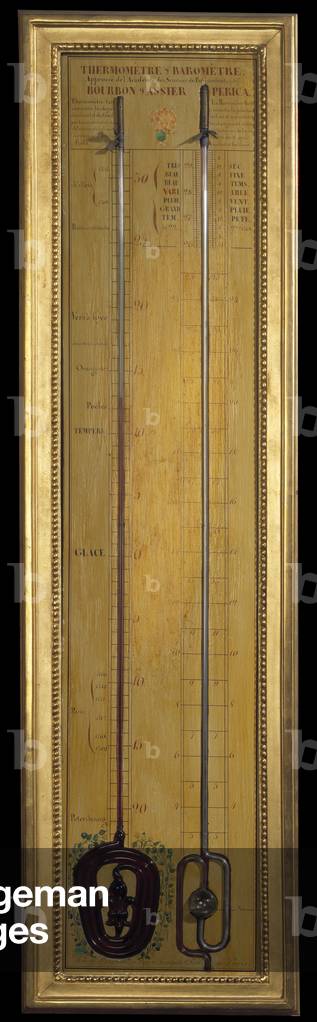
JLJ4585012: Thermometer barometer of Bourbon and Assier, Perricat c.1770, French School, (18th century) / Bridgeman Images

PIX4585144: Sundial at the Summer solstice - Sundial at the Summer solstice - Sundial declinating the morning, dating from the 18th century. It was restored in 1981. It is visible in the courtyard of the Old College of Jesuites in Reims. The yellow lines represent the path of the end of the shadow of the style for the 21st of each month of the year. At the ends of these curves are the signs of the zodiac, which symbolize the different months of the year. The end of the shadow of the style indicates the summer solstice. 17th century sundial in Reims (France), showing the sun 'shadow during the summer solstice / Bridgeman Images
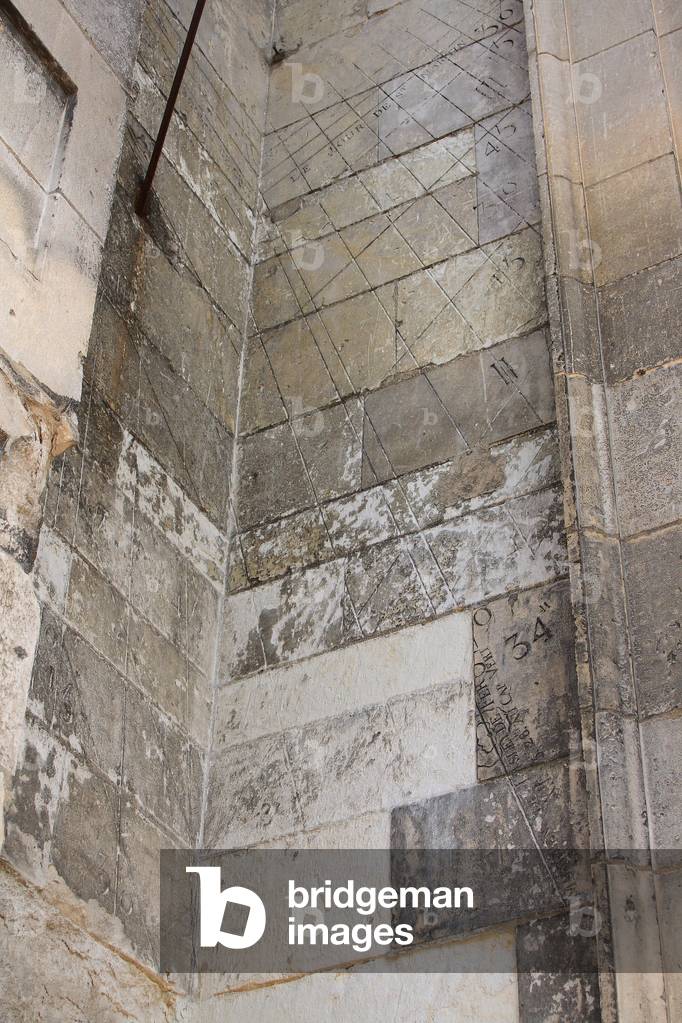
PIX4585484: Meridian of the Church of Saint Martin des Vignes (Troyes) - Noon Mark on Saint Martin des Vignes (Troyes) - It dates from 1778. This is one of the few Meridians in France to indicate the time of the Meridian of the Ile de Fer (now Hierro in the Canary Islands). The Meridian of Iron Island was defined as the Meridian of origin by Ptolemee, in order to count positively the longitude in Europe. At that time, Iron Island was the most western known land. This meridian was considered in France as a meridian of reference, from 1634 to 1792, then abandoned to the profile of the meridian of Paris, then that of Greenwich / Bridgeman Images

JLJ4585534: The Holy Family, 17th century (oil on canvas), Levieux, Reynaud (c.1625-1690) / Bridgeman Images

ITR4585560: Bourdelle's studio in its museum, 18 rue Antoine Bourdelle, Paris 75015. Built in 1961 by Henri Gautruche, this museum is dedicated to the work of Emile-Antoine Bourdelle. Extension of the museum by Christian de Portzamparc, 1992. Photography 27/10/10, Portzamparc, de Christian (b.1944) / Bridgeman Images
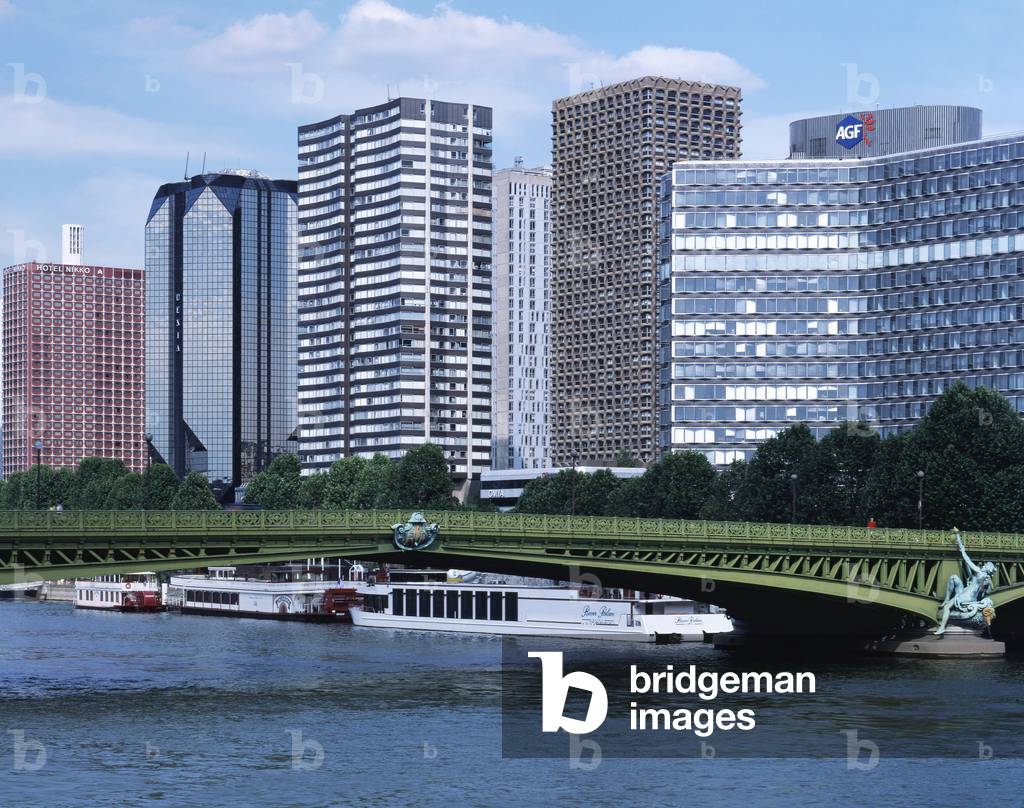
MDA4585588: The Front de Seine with the Mirabeau bridge, built in 1893-1896 by engineer Rabel to connect the neighborhoods of Auteuil and Passy on the right bank and those of Javel and Grenelle on the left bank, Paris 15th arrondissement. Photography 2001. / Bridgeman Images

ITR4585636: The Musee Bourdelle, 18 rue Antoine Bourdelle, Paris 75015. Built in 1961 by Henri Gautruche, this museum is dedicated to the work of Emile-Antoine Bourdelle. Extension of the museum by Christian de Portzamparc, 1992. Photography 27/10/10, Portzamparc, de Christian (b.1944) / Bridgeman Images

PIX4585648: Prague Astronomical Clock - 15th century - The Prague Astronomical Clock - 15th century - The Prague Astronomical Clock - 15th century - The Prague City Hall Astronomical Clock, built by Nicholas of Kadau in 1410, and redesigned by Master Hanus de la Rose (Jan Ruze) around 1490. May 2007. (clock, calendar and animated characters). Prague astronomical clock was made by clockmaker Mikulas of Kadan in 1410 and rearranged in 1490. May 2007 / Bridgeman Images

LRI4585685: Interior view of the church of Saint Vincent and Saint Anasthasius the Abbey of the Three Fountains (Tre-Fontane) (Chiesa dei Santi Vincenzo e Anastasio alle Tre Fontane) (Interior view of church of st Vincenzo e Anastasio, abbazia delle Tre Fontane) 625-1221 Rome, Italy, Italian School / Bridgeman Images

ITR4585691: Le jardin du musee Bourdelle, 18 rue Antoine Bourdelle, Paris 75015. Built in 1961 by Henri Gautruche, this museum is dedicated to the work of Emile-Antoine Bourdelle. Extension of the museum by Christian de Portzamparc, 1992. Photography 27/10/10, Portzamparc, de Christian (b.1944) / Bridgeman Images

LRI4585705: Prophet Jeremiah and symbols of evangelists John and Luke Anonymous Mosaic of the 12th century Rome, Church Santa Maria in Trastevere Italy, Italian School, (12th century) / Bridgeman Images

JLJ4585217: Saint Dominica and Pope Innocent III, apparition of St. Peter and St. Paul to Saint Dominica and a scene of resurrection, 1432 (oil on wood), Angelico, Fra (Guido di Pietro/Giovanni da Fiesole) (c.1387-1455) / Bridgeman Images
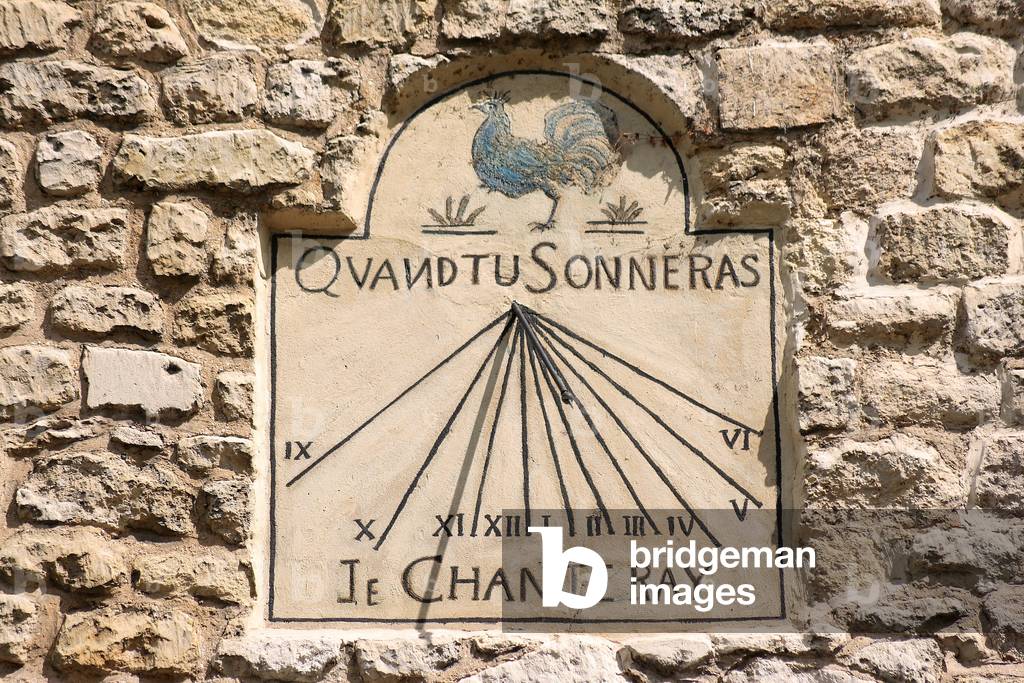
PIX4585227: Sundial - Sundial in France - Sundial in Paris, dating from 1924. Sundial (1924) in Paris, France / Bridgeman Images

LRI4585247: The mission of st James, detail of the lateral antependium, Altar of Saint James the Major, 1364 (silver), Ser Giovanni, Leonardo di (active c.1358-1371) & Niccolo, Francesco di (active 1361-1371) / Bridgeman Images
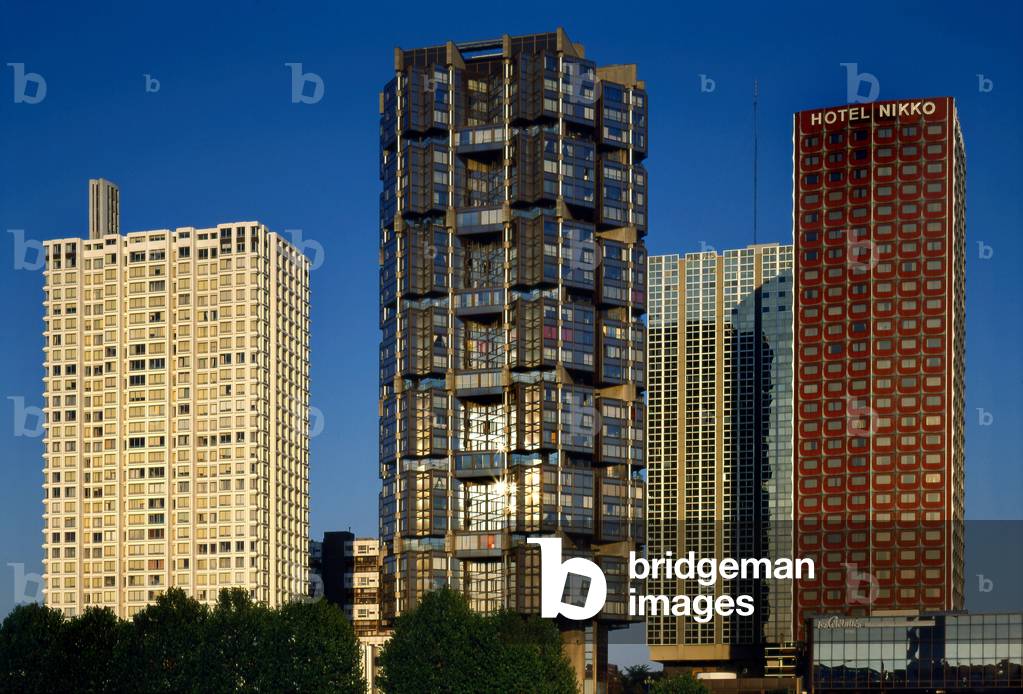
LBY4585260: Front de Seine Paris 15th arrondissement. / Bridgeman Images

LRI4585264: St James baptizes his accuser, Hermogenes the magician, detail of the lateral antependium, Altar of Saint James the Major, 1364 (silver), Ser Giovanni, Leonardo di (active c.1358-1371) & Niccolo, Francesco di (active 1361-1371) / Bridgeman Images

LRI4585312: The travel of the body of st James to Spain, detail of the lateral antependium, Altar of Saint James the Major, 1364 (silver), Ser Giovanni, Leonardo di (active c.1358-1371) & Niccolo, Francesco di (active 1361-1371) / Bridgeman Images

JLJ4585333: Automobile Benz, 1898 (object), German School, (19th century) / Bridgeman Images

PIX4585367: Sundial of the Church of Saint Eustache - Paris - Sundial on the church of Saint Eustache in Paris - Sundial installed on the eardrum of the southern transept of the Church of Saint Eustache in Paris. It probably dates from the construction of the transept between 1537 and 1545. The astronomer Pierre Charles Le Monnier (1715 - 1799) used it to set his bezel when he was professor of physics at Harcourt College (now Lycee Saint-Louis). L'église Saint - Eustache is a church in the 1st arrondissement of Paris, built between 1532 and 1632 / Bridgeman Images
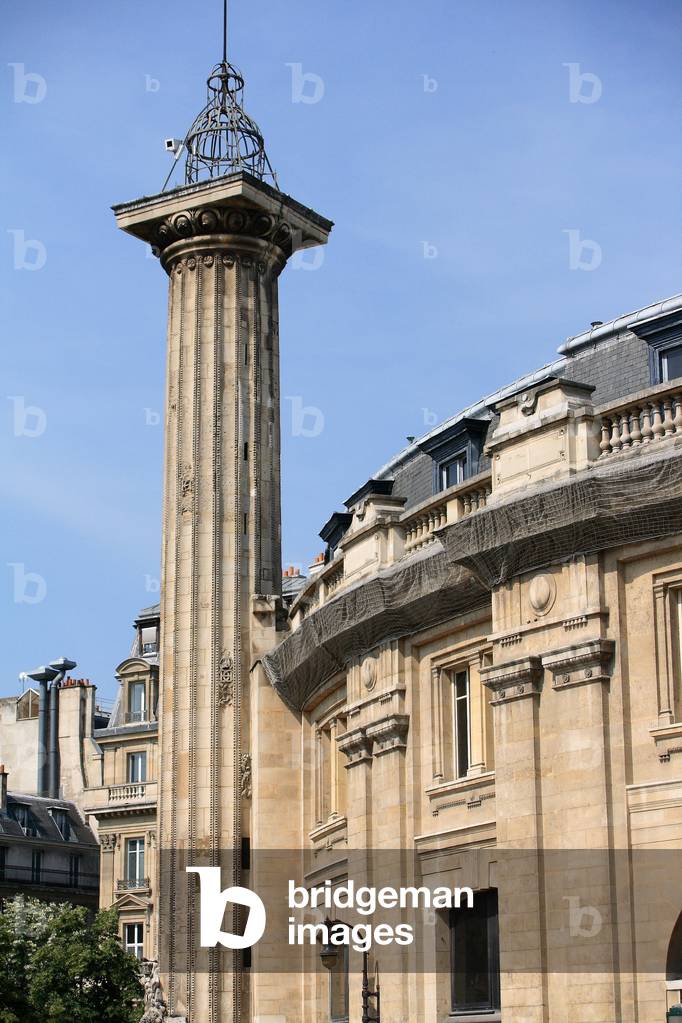
PIX4585387: Column Medicis (Paris 1er) - Medicis Column - Paris - High of 31 metres, built in 1575, this column is the only vestige of the palace of Catherine de Medicis, deconstructed in 1748. The astrologers of the sovereign ensured their forecasts from the top of the platform, access to which is via a screw staircase located inside the column. A sundial, made by astronomer Guy Pingre, was installed on this column from 1764 to 1889. Located in the garden of Les Halles near the Bourse du Commerce (Stockmarket) of Paris, the Medicis column, built in 1575 is what remains of the Queen s hotel. This column is 31 meters (100 feet) high, with interior stairs counting 147 steps; its real function was never established. It is believed that due to the Queen s interest for astrology, it used to be an observatory for Cosimo Ruggieri, Catherine de Medicis astrologist / Bridgeman Images

JLJ4585422: Walk through the gallery of the royal palace in 1787, Engraving by Louis Philibert Debucourt, 1787 (engraving), Debucourt, Philibert Louis (1755-1832) / Bridgeman Images

PIX4585441: Meridian of the Hotel Dieu le Conte (Troyes) - Noon Mark on Hotel Dieu le Conte (Troyes) - Dating from 1764 and surmounted by a sundial, this beautiful Meridian indicates the time of the true local noon and its correction with the curve in 8 (annalemme) / Bridgeman Images
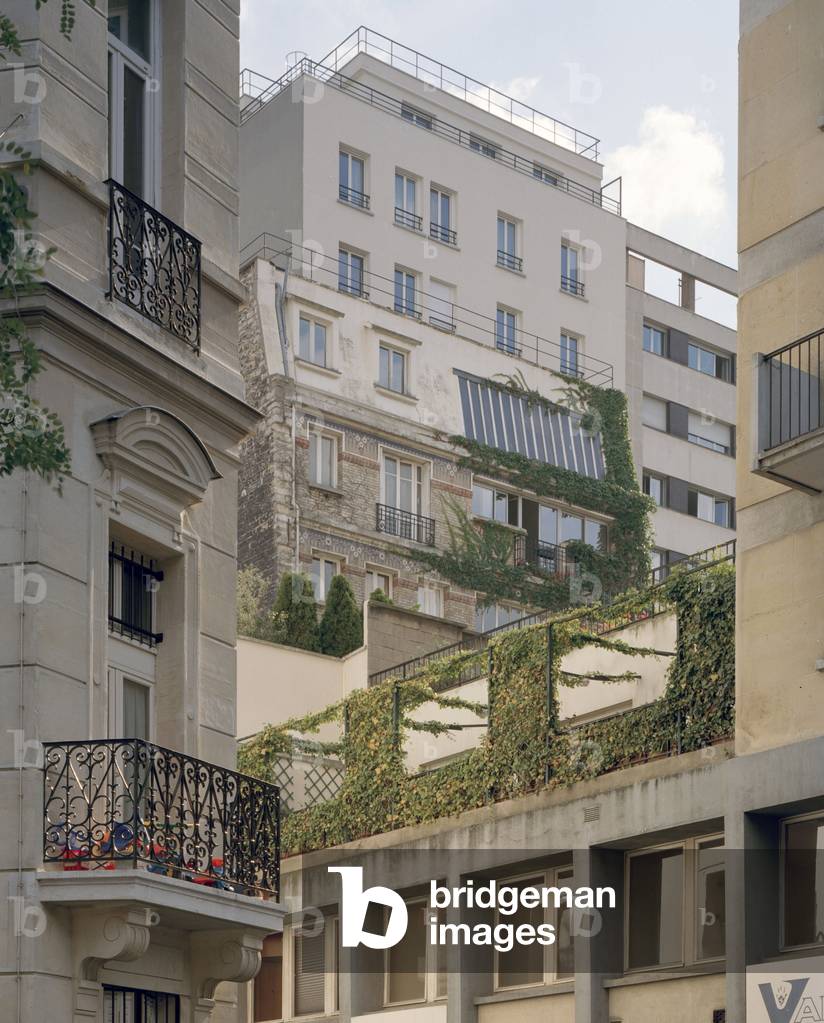
LBY4585449: The passage of the Charbonniers Paris 15th arrondissement. / Bridgeman Images

LRI4585779: Church of st Ivo alla Sapienza, 1642-1660, Borromini, Francesco (1599-1667) / Bridgeman Images

JLJ4585871: Descent of the Cross, 1789 (oil on canvas), Regnault, Jean-Baptiste (1754-1829) / Bridgeman Images

PIX4585918: Astronomical clock of the cathedral of Strasbourg - Detail - Astronomical clock of Strasbourg Cathedral - Detail - Located in the cathedral of Strasbourg, the astronomical clock was built by a team of Swiss watchmakers in 1547. It was restored and modified between 1838 and 1843 by Jean-Baptiste Schwilgue, a Strasbourg watchmaker. However, a first clock, known as the “Three Kings”, existed from 1354. Here, the clock dial. The French legal time is given by the silver hands. The golden needles indicate the average time. The cathedral's south transept houses an 18 - mettre astronomical clock, one of the largest in the world, built in the 16th century. It was restored and modified in the 19th century / Bridgeman Images

JLJ4585962: Meal of Bohemians, 18th century (oil on canvas), Magnasco, Alessandro (1667-1749) / Bridgeman Images

TEC4585969: 70 Rue Amelot Paris 11th arrondissement. / Bridgeman Images
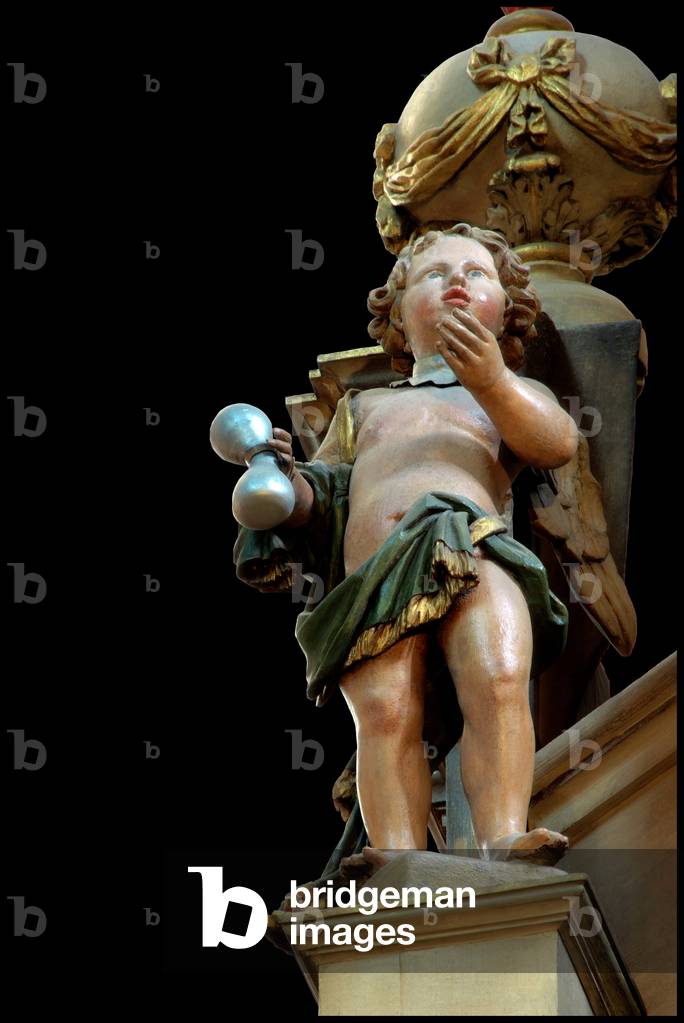
PIX4585992: Astronomical clock of the 16th century - Detail - Lyon - Astronomical clock - 16th century - Lyon - France - 69 - Lyon - Cathedrale Saint Jean Baptiste. Detail of the astronomical clock 16th century: polychrome wood sculpture, angel automaton of the top of the clock carrying an hourglass. One of the automatons, an angel with an hourglass. Detail of Astronomical clock - 16th century by Hugues Levet. Saint Jean Baptiste cathedral, Lyon, France / Bridgeman Images

JLJ4585562: A poor family with sad faces, the father wears a cape and a hat, the mother holds a cattail (oil on canvas), Le Nain, Mathieu (1607-77) / Bridgeman Images

ITR4585649: The apartment of Antoine Bourdelle at the Musee Bourdelle, 18 rue Antoine Bourdelle, Paris 75015. Built in 1961 by Henri Gautruche, this museum is dedicated to the work of Emile-Antoine Bourdelle. Extension of the museum by Christian de Portzamparc, 1992. Photography 27/10/10, Portzamparc, de Christian (b.1944) / Bridgeman Images
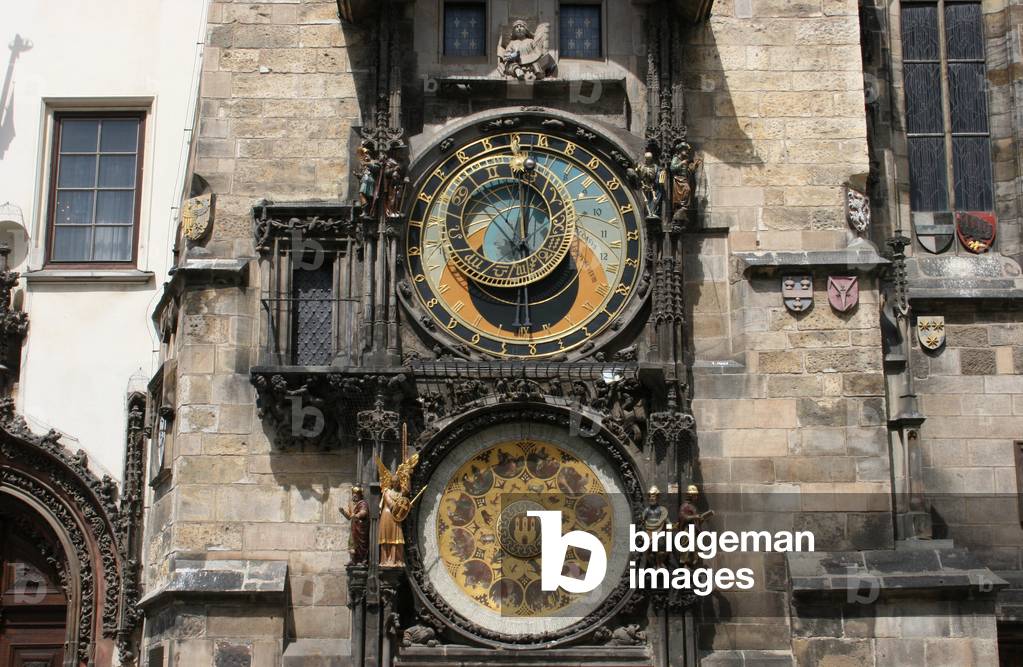
PIX4585688: Prague Astronomical Clock - 15th century - The Prague Astronomical Clock - 15th century - The Prague Astronomical Clock - 15th century - The Prague City Hall Astronomical Clock, built by Nicholas of Kadau in 1410, and redesigned by Master Hanus de la Rose (Jan Ruze) around 1490. May 2007. (clock and calendar). Prague astronomical clock was made by clockmaker Mikulas of Kadan in 1410 and rearranged in 1490. May 2007 / Bridgeman Images
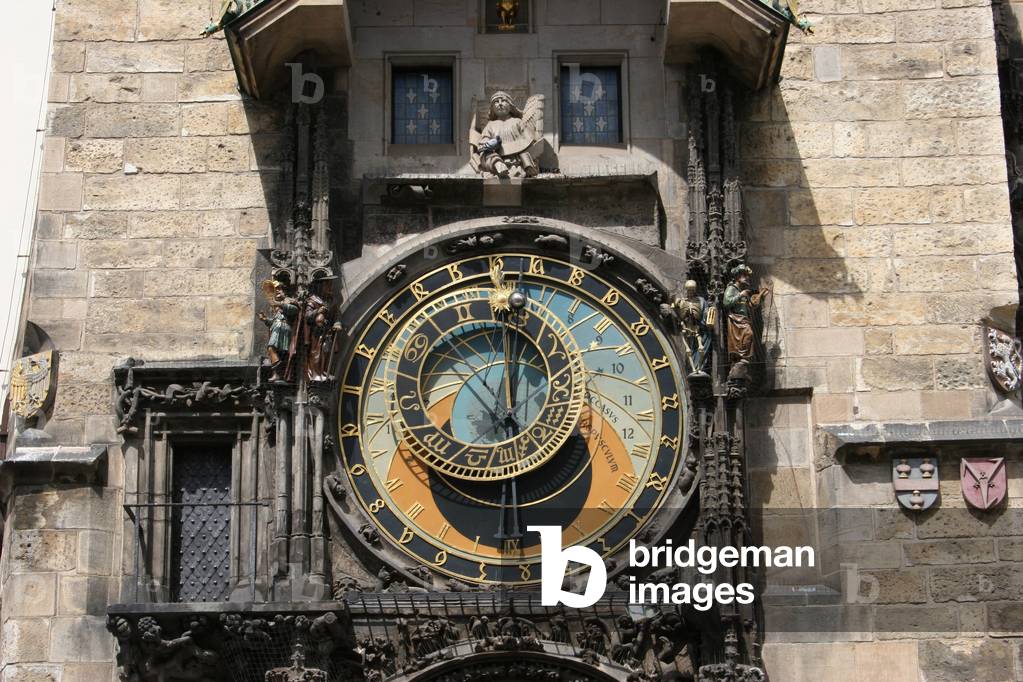
PIX4585693: Prague Astronomical Clock - 15th century - The Prague Astronomical Clock - 15th century - The Prague Astronomical Clock - 15th century - The Prague City Hall Astronomical Clock, built by Nicholas of Kadau in 1410, and redesigned by Master Hanus de la Rose (Jan Ruze) around 1490. May 2007. (detail). Prague astronomical clock was made by clockmaker Mikulas of Kadan in 1410 and rearranged in 1490. May 2007 / Bridgeman Images

LRI4585745: View of the cloister of the church of Saint Vincent and Saint Anasthasus the abbey of the three fountains (Tre-Fontane) (Chiesa dei Santi Vincenzo e Anastasio alle Tre Fontane) (View of the cloister of the church of st Vincenzo e Anastasio, abbazia delle Tre Fontane) 625-1221 Rome, Italy, Italian School / Bridgeman Images

TEC4595501: Statue of Charles de Gaulle on the Champs Elysees, Paris (bronze), Cardot, Jean (1930-2020) / Bridgeman Images