
Print this page or go back to standard view.

MPX5124363: Queen Elizabeth II and Prince Philip on the North East Leg of The Jubilee Tour to celebrate the Silver Jubilee, 1977 (b/w photo) / Bridgeman Images

MPX5124369: Queen Elizabeth II and Prince Philip on the North East Leg of The Jubilee Tour to celebrate the Silver Jubilee, 1977 (b/w photo) / Bridgeman Images

MPX5124372: Queen Elizabeth II and Prince Philip on the North East Leg of The Jubilee Tour to celebrate the Silver Jubilee, 1977 (b/w photo) / Bridgeman Images

MPX5124381: Queen Elizabeth II and Prince Philip on the North East Leg of The Jubilee Tour to celebrate the Silver Jubilee, 1977 (b/w photo) / Bridgeman Images

MPX5124390: Queen Elizabeth II and Prince Philip on the North East Leg of The Jubilee Tour to celebrate the Silver Jubilee, 1977 (b/w photo) / Bridgeman Images

MPX5124402: Queen Elizabeth II and Prince Philip on the North East Leg of The Jubilee Tour to celebrate the Silver Jubilee, 1977 (b/w photo) / Bridgeman Images

MPX5124432: Commuters crowd onto buses whilst others make their way home from work on foot, seen here at Kensington, on the second day of the General Strike. The national dispute came about after negotiations between the miners and mine owners failed over wages and the strike began on 3 May 1926. Millions obeyed the strike call, bringing transport systems to a halt while newspapers were not printed. The government responding by using volunteers to run trains and buses and sent in troops to move supplies from the London docks. There were clashes between police and crowds in many areas and at least 4000 strikers were arrested. There were attacks on buses and trains, including the derailing of the Flying Scotsman. The strike was called off unilaterally by the TUC on 12 May with no guarantees of fair treatment for the miners who fought on to bitter defeat in October, 4th May 1926 (b/w photo) / Bridgeman Images

MPX5124477: Californian band, Stone Ground at the free Hyde Park Pop Festival featuring Canned Heat, Eric Burdon & War and John Sebastion. 12th September 1970 (b/w photo) / Bridgeman Images

MPX5124504: Paul Volcker USA Under Secretary at the Treasury 16th August 1971 (b/w photo) / Bridgeman Images

MPX5124510: Louis Armstrong seen here arriving for a press conference at the Mayfair Hotel, shortly before leaving for a tour of Africa accompanied by his wife Lucille. 12th October 1960 (b/w photo) / Bridgeman Images
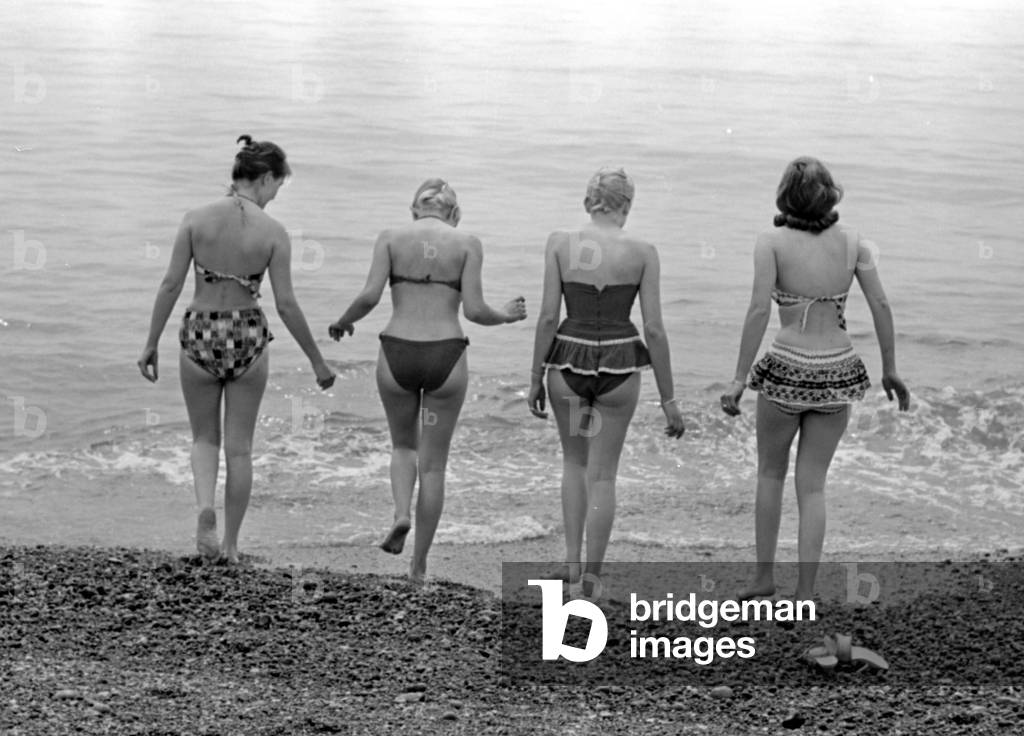
MPX5123923: A group of women go for a swim on the beach at Brighton beach July 1958 (b/w photo) / Bridgeman Images
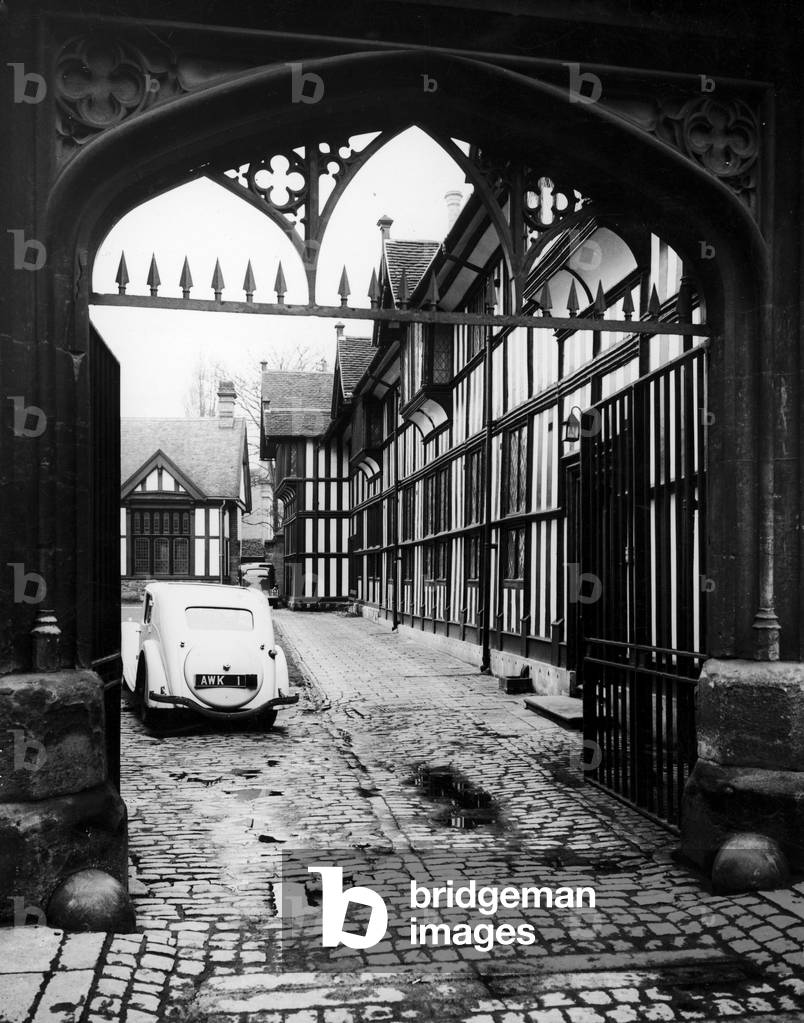
MPX5123935: Car parked at Bonds Hospital in Coventry, 3rd March 1937 (b/w photo) / Bridgeman Images
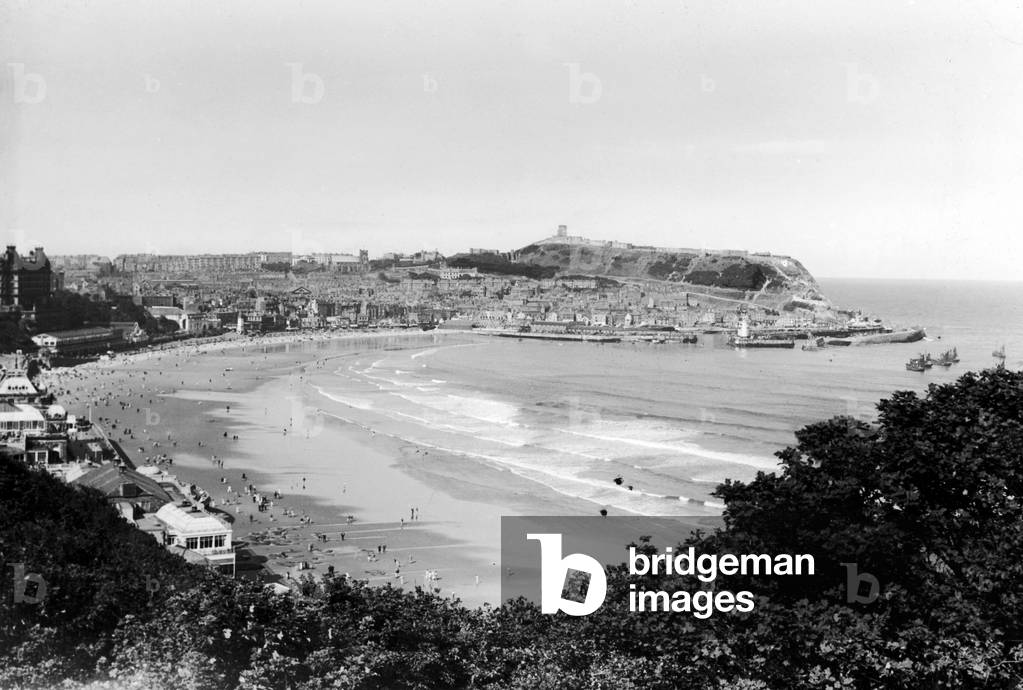
MPX5123947: General view across South Bay in Scarborough, Yorkshire, 13th July 1937 (b/w photo) / Bridgeman Images
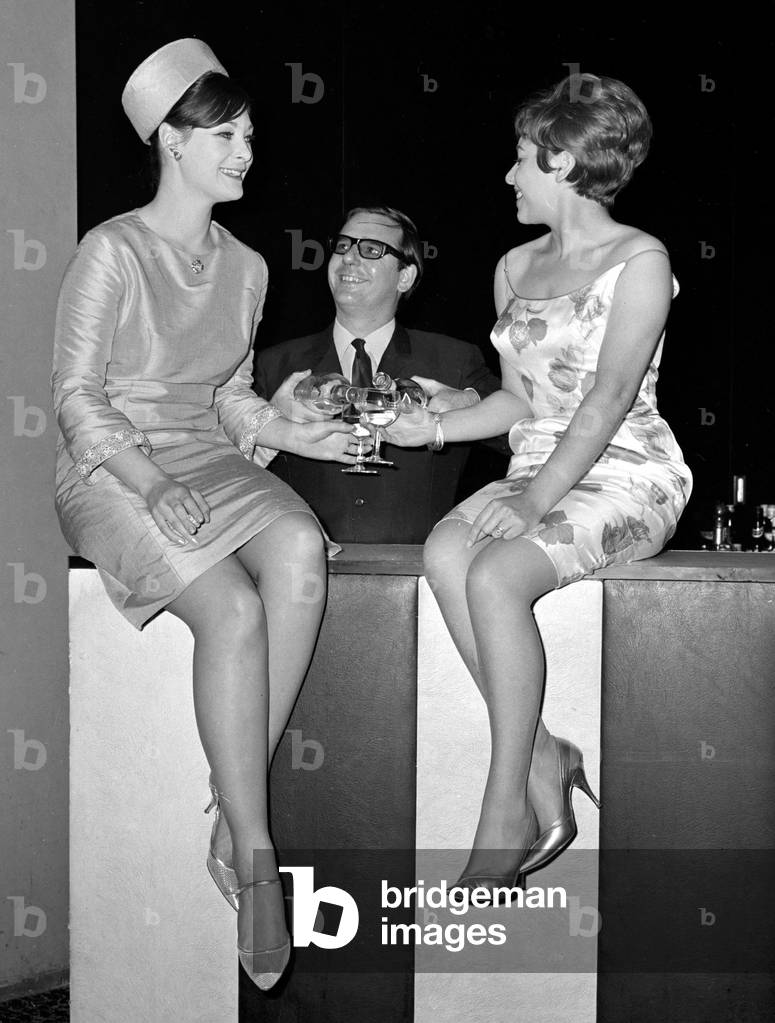
MPX5123953: Actress Gillian French, bride to be, (left) and singer Valerie Masters are served a cocktail by groom to be Michael Jeffrey at their pre wedding reception at Marylebone, June 1965 (b/w photo) / Bridgeman Images
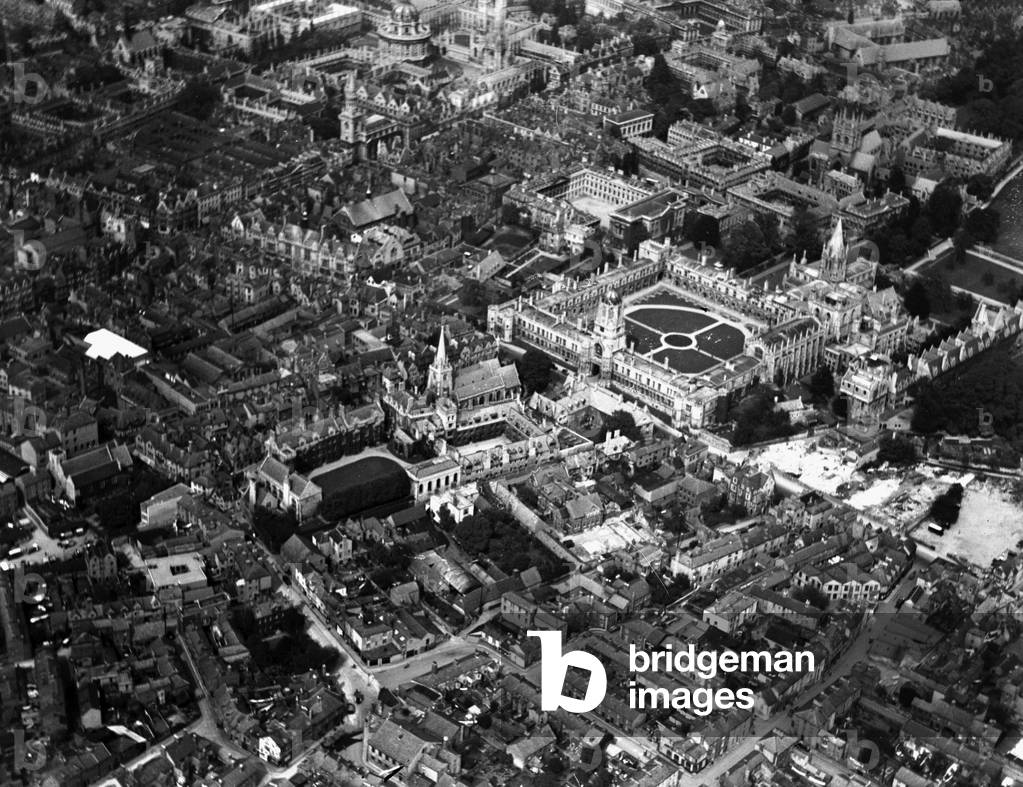
MPX5123962: Aerial view of the town of Oxford, 5th July 1927 (b/w photo) / Bridgeman Images
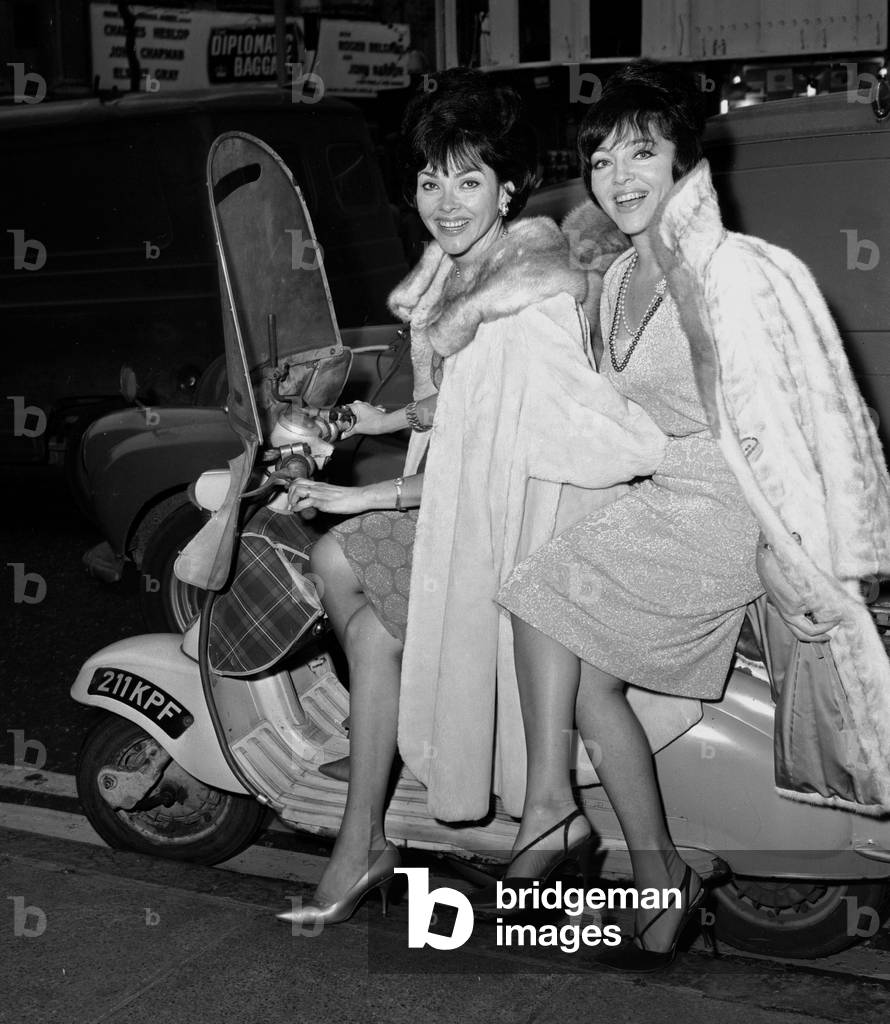
MPX5123965: American singers The Barry Sisters consisting of Claire and Merna Barry, who a re appearing in "the Talk of the Town" November 1964 (b/w photo) / Bridgeman Images
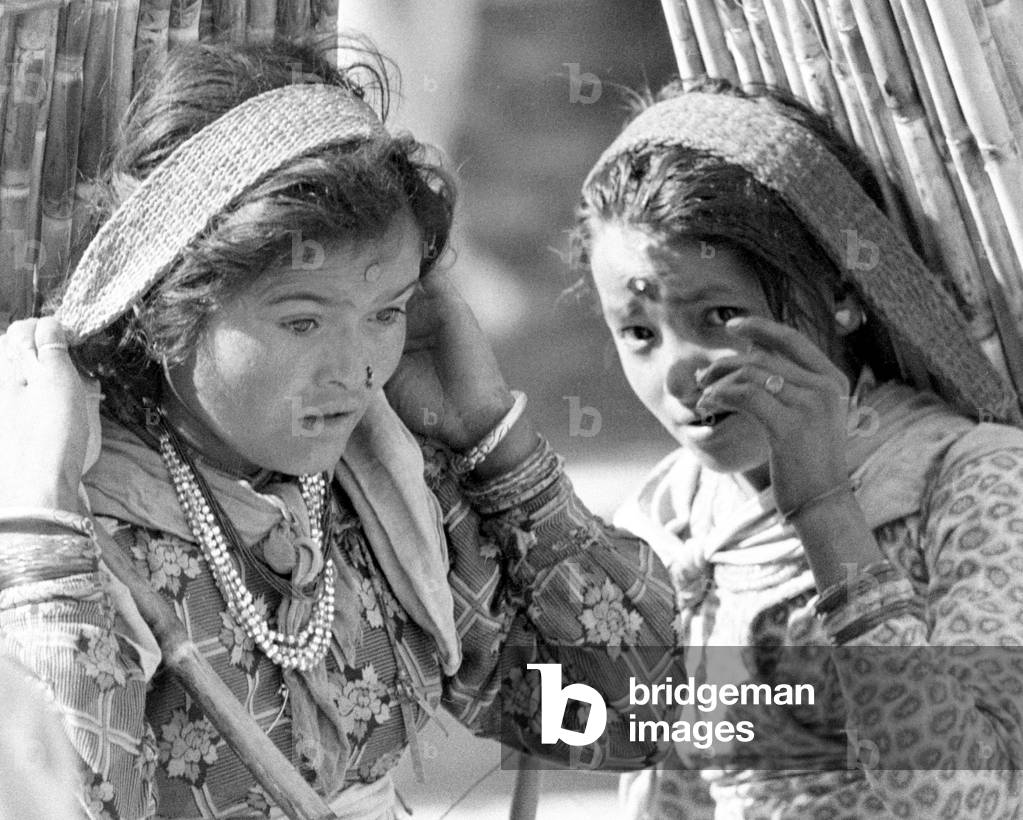
MPX5124001: Nepalese couple seen here carrying a load of bamboo in a Katmandu market. The women is wearing a Tamang Nose-Ring, February 1961 (b/w photo) / Bridgeman Images
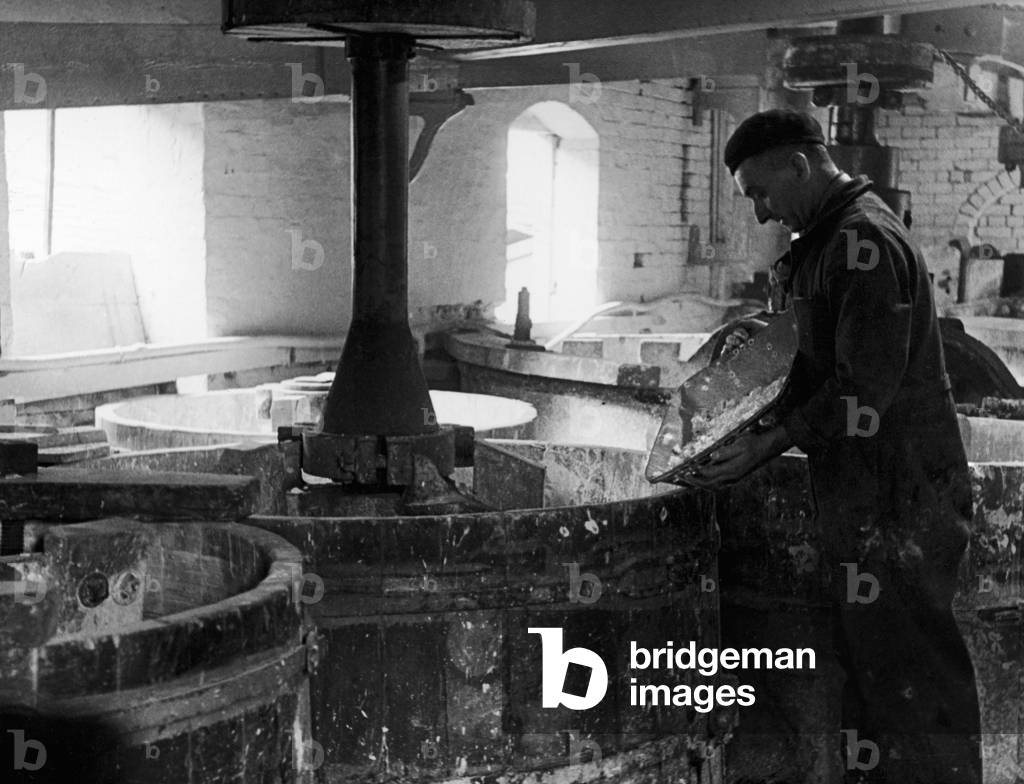
MPX5124019: A worker at the Minton China Works in Stoke On Trent, pictured in the mill, where glaze made of borax, lead, stone, whitening and sand and fritted together in a "frit kiln, is also "blunged" in giant vats with water, 1946 (b/w photo) / Bridgeman Images

MPX5124034: Nepalese men seen here in Durbar Square, Katmandu in the mountain kingdom of Nepal after trekking down from the mountains with bundles of firewood and kindling strapped to their backs, February 1961 (b/w photo) / Bridgeman Images

MPX5124043: Street traders pass the entrance to the Pashupatinath Temple Kathmandu Nepal. Regarded as the most sacred temple of Hindu Lord Shiva in the world, Pashupatinath Temple's existence dates back to 400 A.D. and is also known as 'The Temple of Living Beings'. February 1961 (b/w photo) / Bridgeman Images
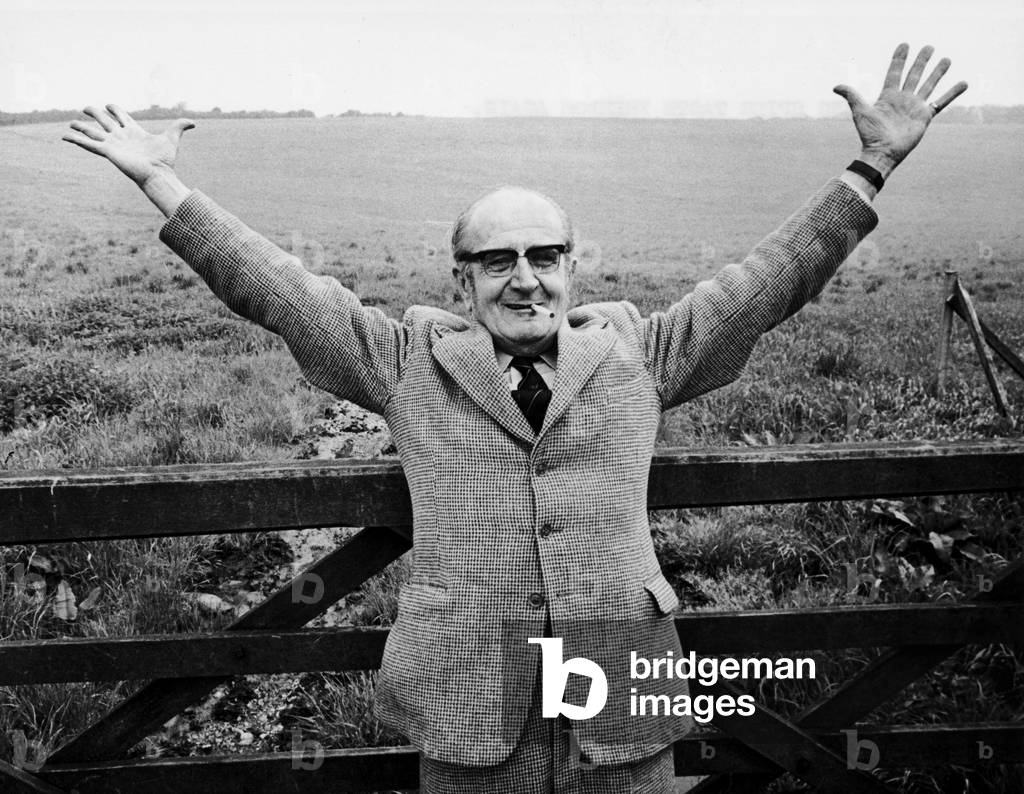
MPX5124052: Henry Frederick Houghton who spied for the Russians stops for a cigarette after being released from prison having served 9 of his 15 year sentence. Portland Spy Ring, 13th May 1970 (b/w photo) / Bridgeman Images
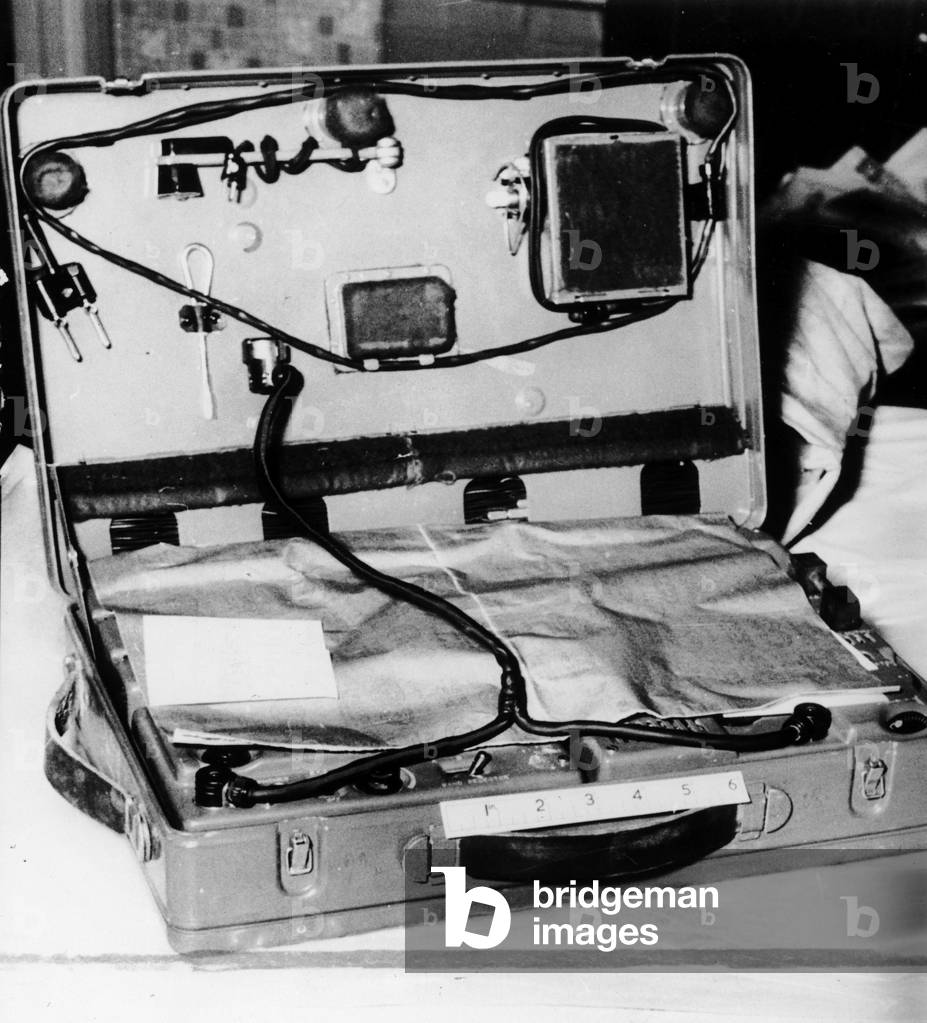
MPX5124064: Radio transmitter found at the home of Peter and Helen Kroger for sending messages to Russia. Portland Spy Ring, 07/01/1961 (b/w photo) / Bridgeman Images
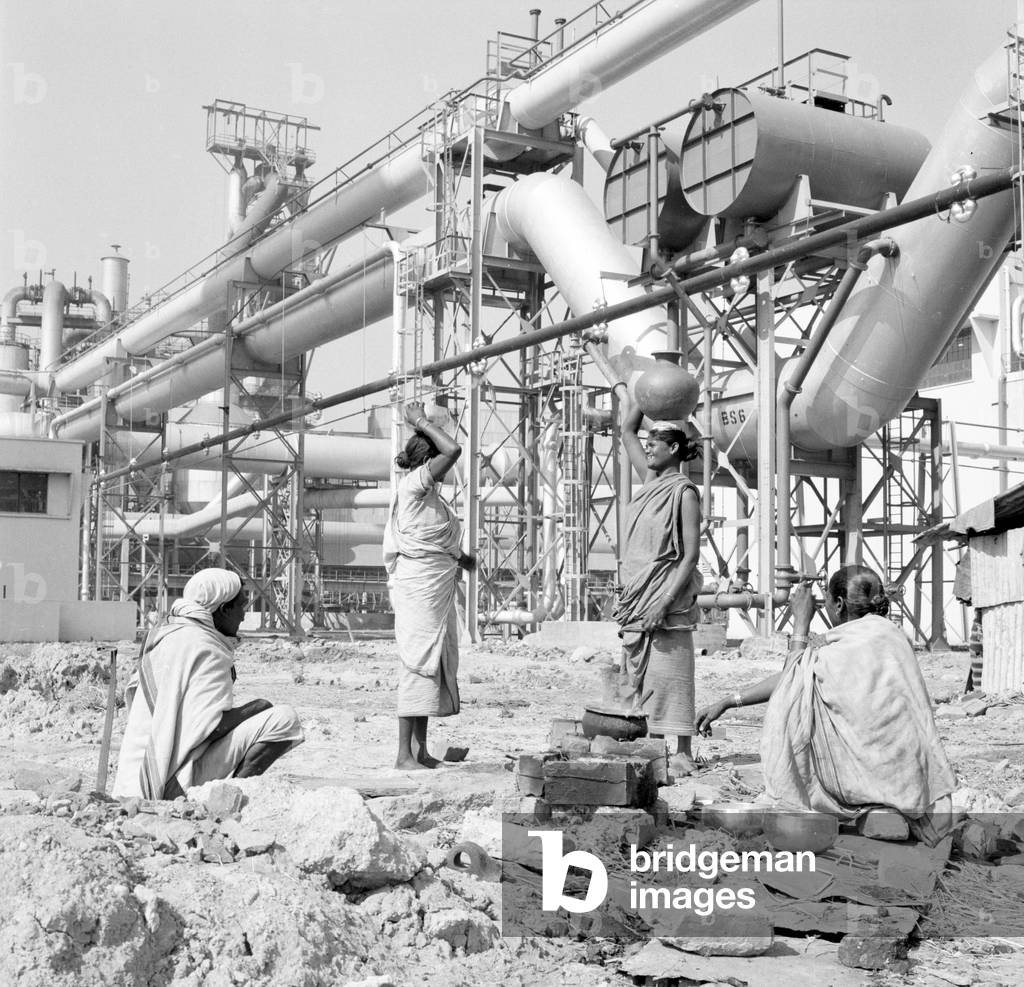
MPX5124067: Women water carriers seen here at the Durgapur steel works in West Bengal, India, February 1961 (b/w photo) / Bridgeman Images

MPX5124103: British Leyland service and technical specialists from many European countries examine a Coventry-built Triumph Stag during a visit to city for Leyland product briefing session at Radford. The specialists, who are also due to visit the rover factory in Solihull, were shown the whole range of Triumph cars. The briefing session, one of many that Leyland organise for their overseas personnel, is part of a scheme to familiarise them with every aspect of the company's business. The sessions are staged by the Leyland training department at Radford, Coventry, 30th September 1970 (b/w photo) / Bridgeman Images
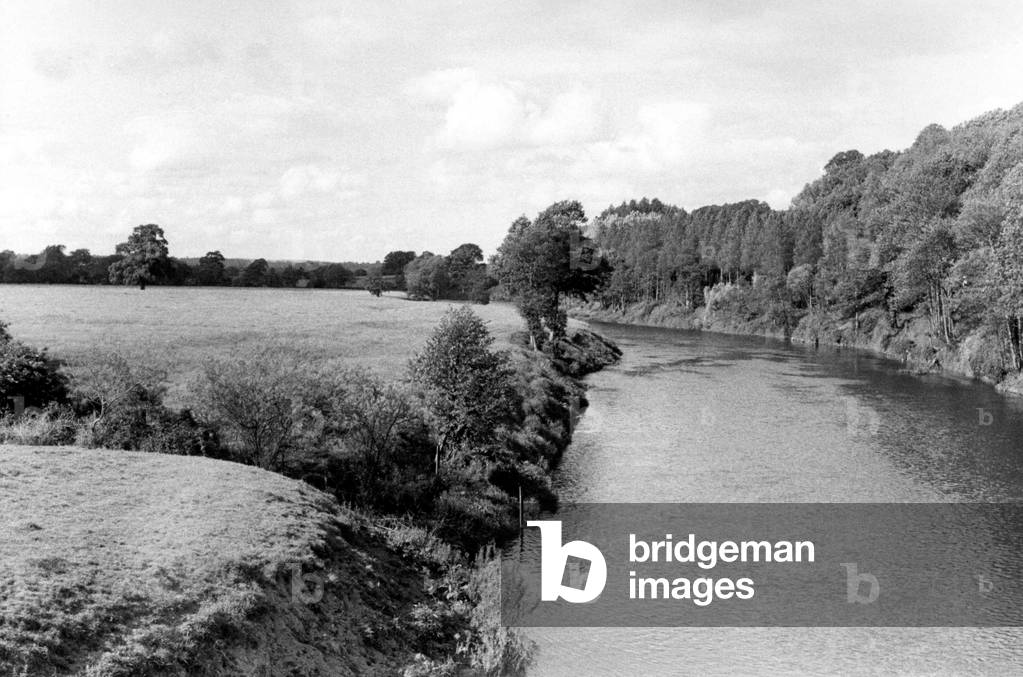
MPX5124112: Country views of Herfordshire around Bredwardine, Symonds Yat and the river Wye. c.1970 (b/w photo) / Bridgeman Images

MPX5124118: Country views of Herfordshire around Bredwardine, Symonds Yat and the river Wye. c.1970 (b/w photo) / Bridgeman Images

MPX5124127: Country views of Herfordshire around Bredwardine, Symonds Yat and the river Wye. c.1970 (b/w photo) / Bridgeman Images

MPX5124133: Queen Elizabeth II with the Duke of Northumberland head the Royal Party as they walk up the hill during a visit to Holy Island, 19/06/1958 (b/w photo) / Bridgeman Images

MPX5124142: Clifford Castle, Herefordshire 9th May 1939 (b/w photo) / Bridgeman Images

MPX5124145: Queen Elizabeth II and Prince Philip on the North East Leg of The Jubilee Tour to celebrate the Silver Jubilee, 1977 (b/w photo) / Bridgeman Images

MPX5124208: The Coldstream guards seen here parading the regimental colours and battle honours at Chelsea Barrack on the last day they mounted the guard at Buckingham Palace with the old .303 Enfield rifles, September 1959 (b/w photo) / Bridgeman Images

MPX5124211: Music fans at The Isle of Wight Festival, 30th August 1969 (b/w photo) / Bridgeman Images

MPX5124214: Naked girl climbing to the front of the crowd through the press section at The Isle of Wight Festival, 30th August 1969 (b/w photo) / Bridgeman Images

MPX5124217: Capitol House, Washington DC, USA, 1970 (photo) / Bridgeman Images

MPX5124545: Music Fans watching from up a tree at The Isle of Wight Pop Festival 30th August 1969 (b/w photo) / Bridgeman Images

MPX5124578: Festive game of cricket. J. Lawrence and Bill Sutcliffe take to the field at Collingham Bridge, near Leeds on Boxing Day to play for local side Collingham & Linton C.C, 26th December 1949 (b/w photo) / Bridgeman Images