
Print this page or go back to standard view.

FLO4609073: True cinnamon tree or Ceylon cinnamon, Cinnamomum verum (Laurus cinnamomum). Handcoloured copperplate engraving by Weddell from Samuel Curtis' Botanical Magazine, London, 1818. / Bridgeman Images

FLO4609301: Bowden nerine or Jersey Lily. Copper engraving, painted by John Curtis and grave by Weddell, published in the “Curtis Botanical Magazine”, 1820, by Samuel Curtis, London, England. / Bridgeman Images

JLJ4609337: Manufacture of Champagne: Leon Chandon establishments in Reims - 20th century (engraving) / Bridgeman Images

FLO4609673: Italian bugloss, Anchusa azurea (Anchusa italica). Handcoloured copperplate engraving by Weddell after an illustration by John Curtis from Samuel Curtis' Botanical Magazine, London, 1821. / Bridgeman Images

FLO4609466: Dwarf palm or Doum palm or False Palm Doum. Copper engraving, painted by John Curtis and grave by Weddell, published in the “Curtis Botanical Magazine”, 1820, by Samuel Curtis, London, England. / Bridgeman Images

FLO4609607: Linar has knee leaves. Copper engraving, painted by John Curtis and grave by Weddell, published in the “Curtis Botanical Magazine”, 1820, by Samuel Curtis, London, England. / Bridgeman Images

FLO4609496: Phlox. Copper engraving, painted by John Curtis and grave by Weddell, published in the “Curtis Botanical Magazine”, 1820, by Samuel Curtis, London, England. / Bridgeman Images
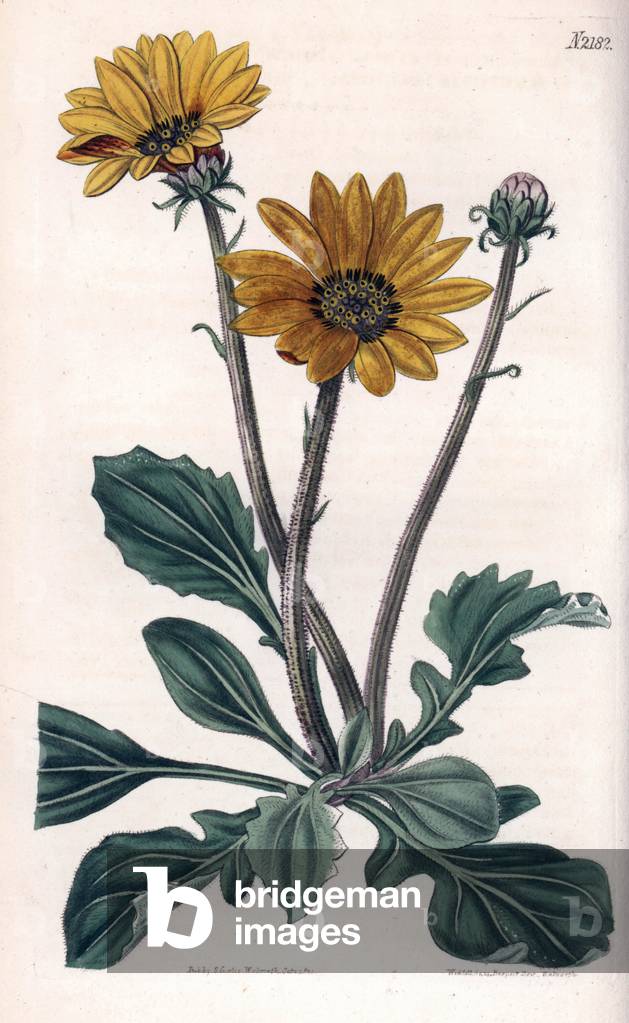
FLO4609593: Variety of arctotis with yellow flowers. Copper engraving, painted by John Curtis and grave by Weddell, published in the “Curtis Botanical Magazine”, 1820, by Samuel Curtis, London, England. / Bridgeman Images
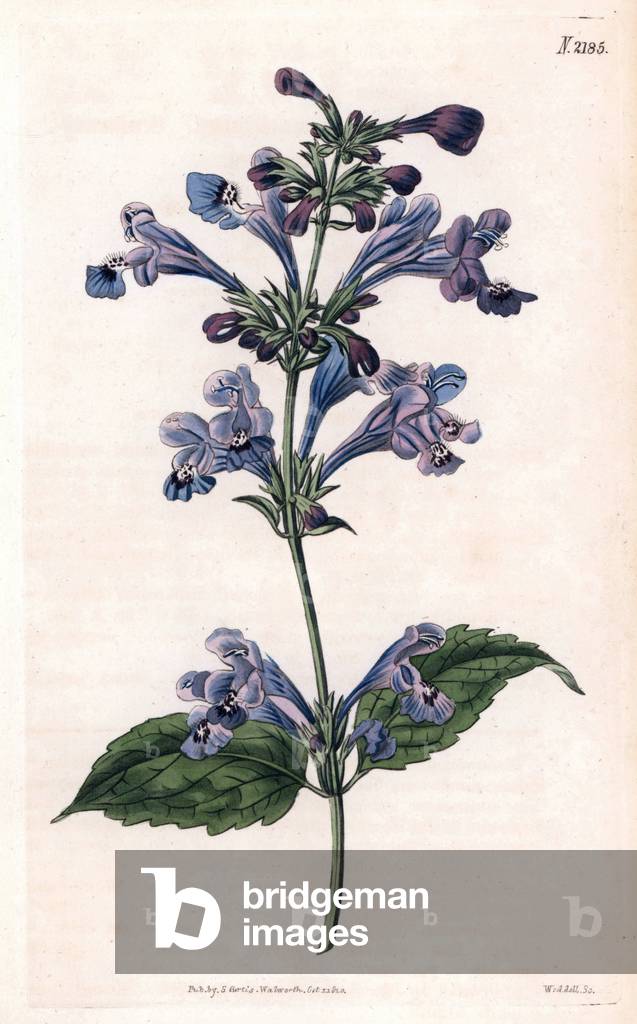
FLO4609620: Ruysch Dracocephale or dragon head. Copper engraving, painted by John Curtis and grave by Weddell, published in the “Curtis Botanical Magazine”, 1820, by Samuel Curtis, London, England. / Bridgeman Images
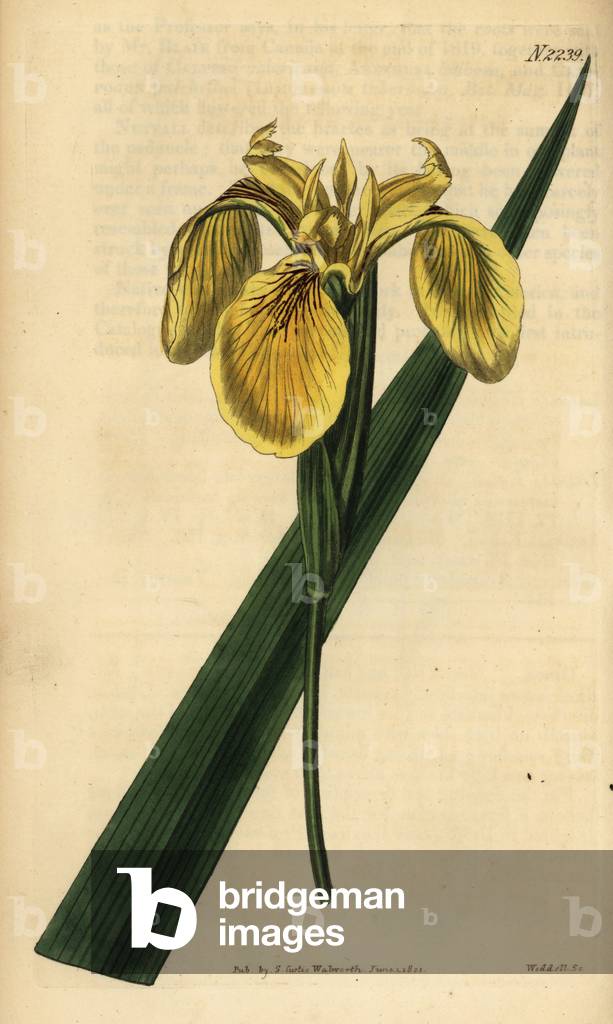
FLO4609779: Yellow flag, yellow iris or water flag, Iris pseudacorus var. pallidoflava. Handcoloured copperplate engraving by Weddell from Samuel Curtis' Botanical Magazine, London, 1822. / Bridgeman Images
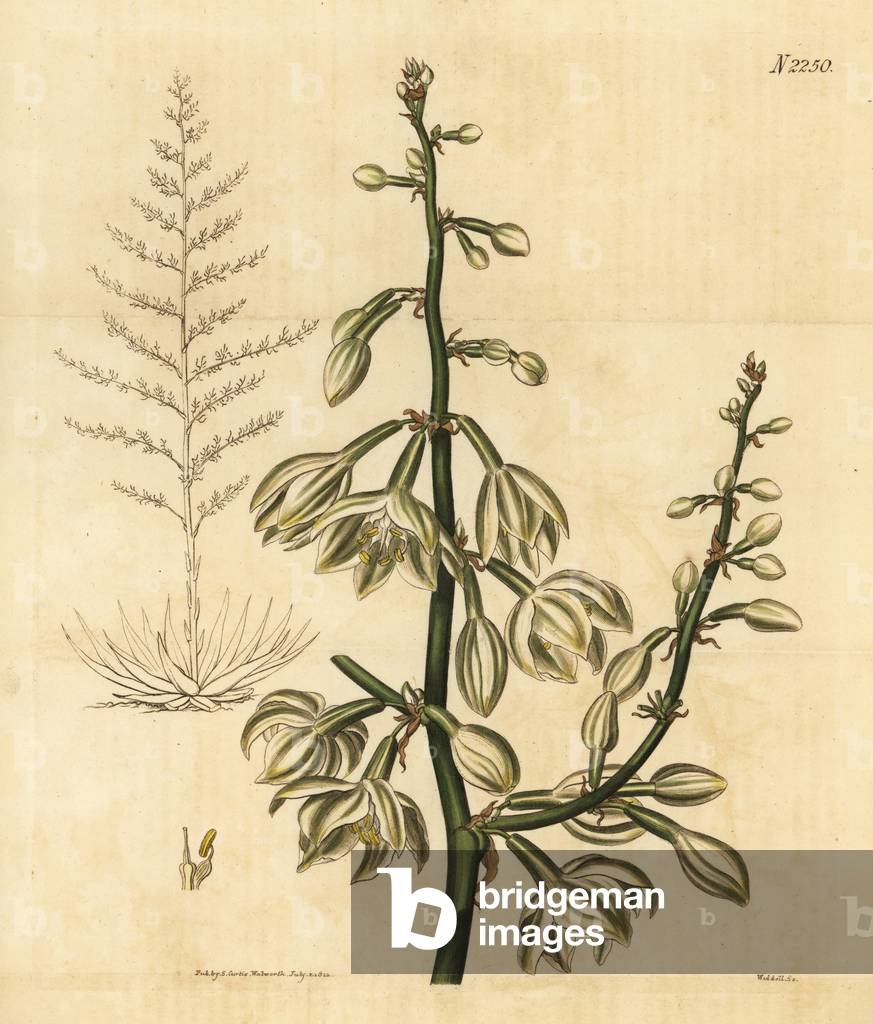
FLO4609809: Giant cabuya, green-aloe or Mauritius-hemp, Furcraea foetida (Furcraea gigantea). Handcoloured copperplate engraving by Weddell from Samuel Curtis' Botanical Magazine, London, 1822. / Bridgeman Images
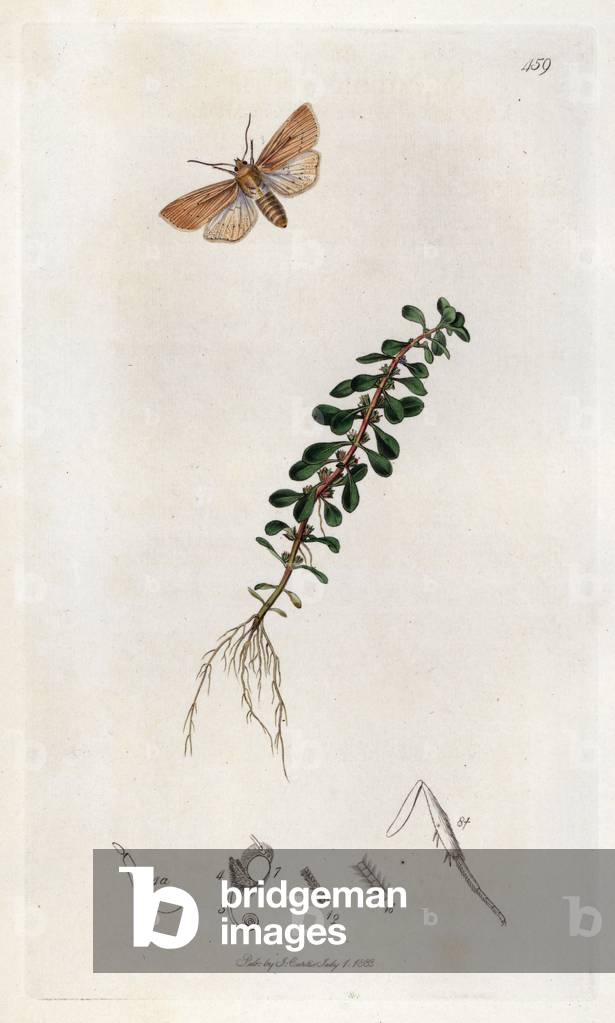
FLO4610046: Stream moth and purslice loosestrife plant. Lithograph by John Curtis (1791-1862) published in “British Entomology”, a collection of 770 illustrations and descriptions of British insects, London, England, 1824 to 1839. / Bridgeman Images

FLO4610149: Insect: lepidoptere variete of butterfly cochylis with a wild carrot plant. Lithograph by John Curtis (1791-1862) published in “British Entomology”, a collection of 770 illustrations and descriptions of British insects, London, England, 1824 to 1839. Cochylis rupicola, Cochylidia rupicola, Chalk-cliff Tortrix or Conch moth, with wild carrot, Daucus carota. Handcoloured copperplate by John Curtis (1791-1862) for his own “” British Entomology, 770 Illustrations and Descriptions of the Genera of Insects found in Great Britain and Ireland,” London, from 1824 to 1839. / Bridgeman Images

FLO4610159: Insect: variety of diptere and plant of large peppers or officinale sanguisorb. Lithograph by John Curtis (1791-1862) published in “British Entomology”, a collection of 770 illustrations and descriptions of British insects, London, England, 1824 to 1839. Tipula longicornis, Tipula flavolineata, Long-horned daddy long-legs, with great burnet, Sanguisorba officinalis. Handcoloured copperplate by John Curtis (1791-1862) for his own “” British Entomology, 770 Illustrations and Descriptions of the Genera of Insects found in Great Britain and Ireland,” London, from 1824 to 1839. / Bridgeman Images
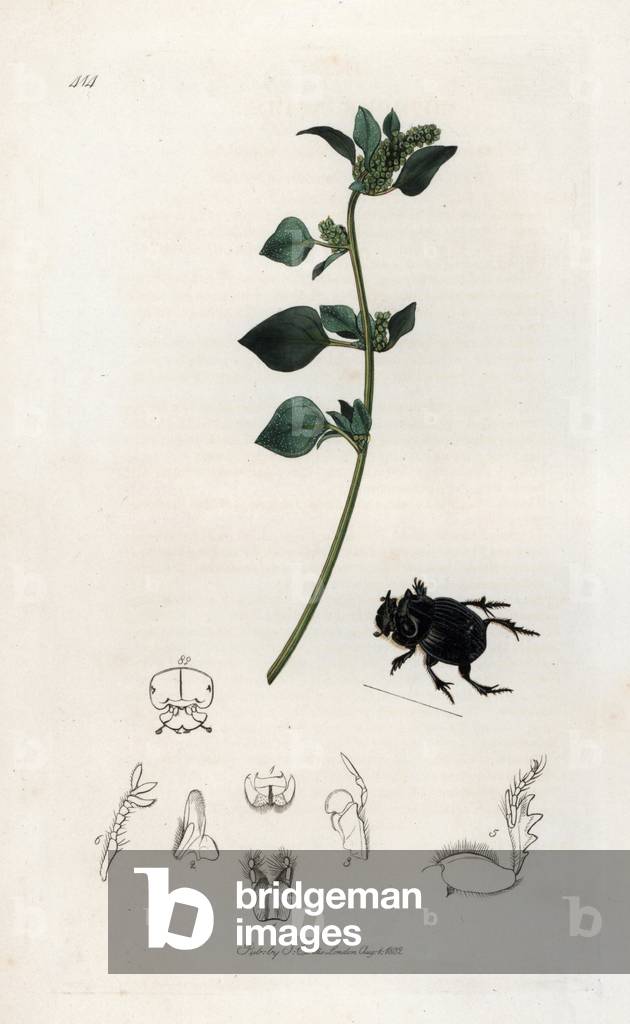
FLO4609924: Lunar copris, coleoptere variete and plant of fetide chenopode. Lithograph by John Curtis (1791-1862) published in “British Entomology”, a collection of 770 illustrations and descriptions of British insects, London, England, 1824 to 1839. / Bridgeman Images
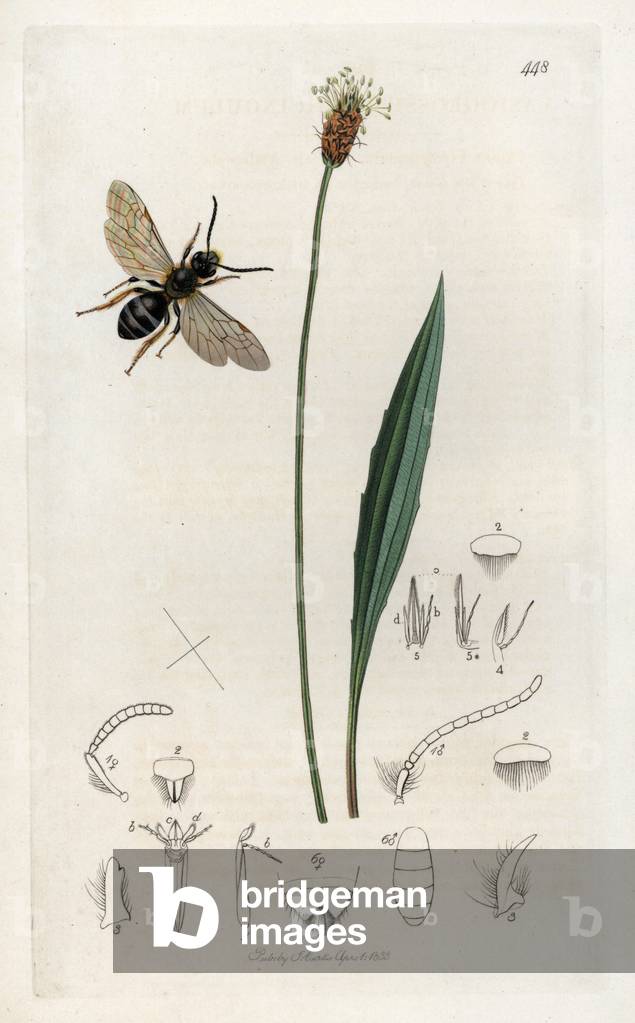
FLO4609979: Hymenoptere: variety of bees and sprigs of plantain lanceole or grass has five seams. Lithograph by John Curtis (1791-1862) published in “British Entomology”, a collection of 770 illustrations and descriptions of British insects, London, England, 1824 to 1839. Lasioglossum tricingulum, Halictus xanthopus, Long-tongued Melitta bee, Halictus xanthopus, and ribwort plantain, Plantago lanceolata. Handcoloured copperplate by John Curtis (1791-1862) for his own “” British Entomology, 770 Illustrations and Descriptions of the Genera of Insects found in Great Britain and Ireland,” London, from 1824 to 1839. / Bridgeman Images

FLO4610002: Insect Drypta dentata (coleoptere) and sea buckthorn patch. Lithograph by John Curtis (1791-1862) published in “British Entomology”, a collection of 770 illustrations and descriptions of British insects, London, England, 1824 to 1839. Drypta emarginata, Drypta dentata, Blue Drypta beetle, and sea buckthorn, Hippophae rhamnoides. Handcoloured copperplate by John Curtis (1791-1862) for his own “” British Entomology, 770 Illustrations and Descriptions of the Genera of Insects found in Great Britain and Ireland,” London, from 1824 to 1839. / Bridgeman Images
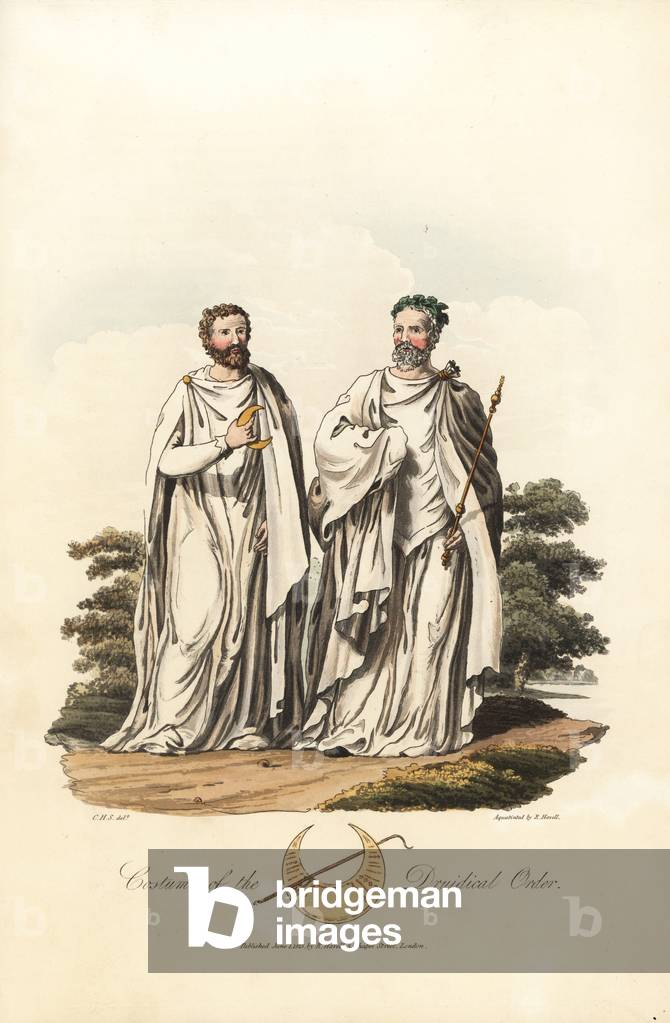
FLO4608220: British antiquite (pre-Roman period, before 1st century): Druid costumes, a Druid archi with its crown of oak leaves and a druid holding a cornan, symbol of celebration - Forte Water by Robert Havell (1793-1878) after an illustration by Charles Hamilton Smith (1776-1859), from original Costume of British Islanders, from Samuel Meyrick (1783-1848), 1821 - Costume of the Druidical Order, Pre-Roman era - Arch-Druid in garland of oak leaves, and Druid holding a Cornan, a symbol of a festival - Handcoloured aquatint by R. Havell from an illustration by Charles Hamilton Smith from Samuel Meyrick's Costume of the Original Inhabitants of the British Islands, London, 1821 / Bridgeman Images
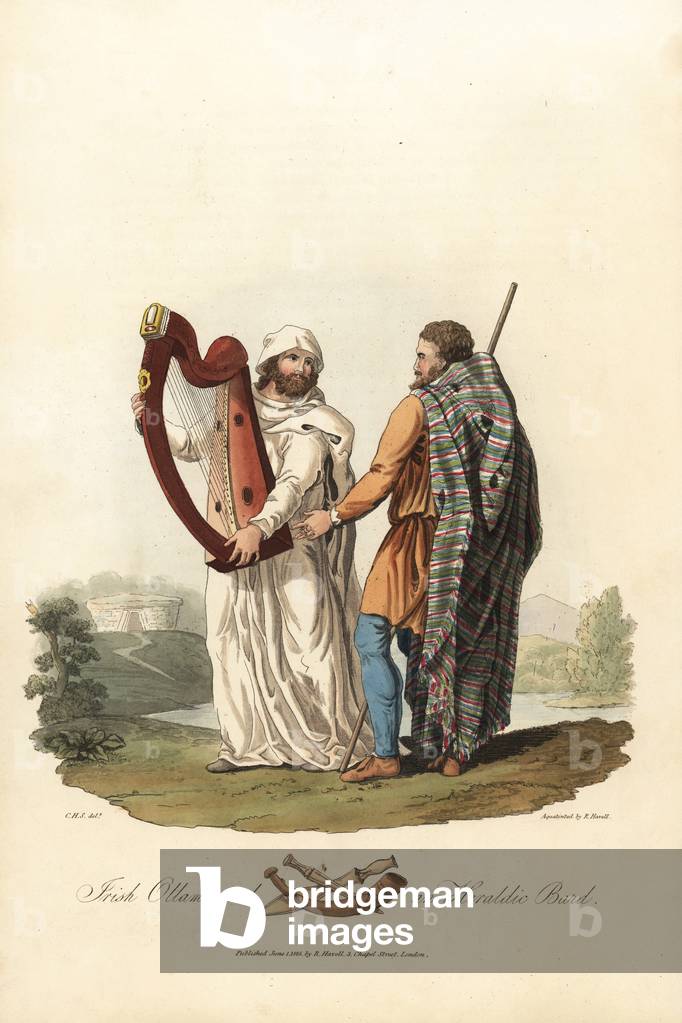
FLO4608234: British antiquite (pre-Roman period, before 1st century): an Irish sage and a heraldic bard wearing his harp - Forte water by Robert Havell (1793-1878) from an illustration by Charles Hamilton Smith (1776-1859), from Samuel Meyrick's original costume of the inhabitants of the British islands, 1821 - Irish ollamh (dignified philosopher) and a filidhe (herald bard), Pre-roman era - The ollamh wears a saffron cota (tunic), cochal (cloak) and trousers, the filidhe wears white robes and hood, and carries a harp - Handcoloured aquatint by R. Havell from an illustration by Charles Hamilton Smith from Samuel Meyrick's Costume of the London Original Inhabitants of the British Islands,, 1821 / Bridgeman Images

FLO4608358: Pabo Post Prydain (ca. 500) (known as the pillar of Brittany), British king of Hen Oggled (England, Scotland) - Forte water by Robert Havell (1793-1878) from an illustration by Charles Hamilton Smith (1776-1859), from Samuel Meyrick's Original Costume of the British Islanders (1783-1848), 1821 - Pabo, the Pillar of Britain son of Arthwys ab Mor, 5th, century, wearing a long Dalmatic tunic bordered with fur, decorated with pearl-studded lace. Handcoloured aquatint by R. Havell from an illustration by Charles Hamilton Smith from Samuel Meyrick's Costume of the Original Inhabitants of the British Islands, London, 1821. / Bridgeman Images

FLO4608502: The blindfolded Austrian officer (Prince Maurice Liechtenstein) forced to capitulate to Napoleon Bonaparte at the Battle of Ulm, 1805. Handcoloured copperplate engraving by George Cruikshank from The Life of Napoleon a Hudibrastic Poem by Doctor Syntax, T. Tegg, London, 1815. / Bridgeman Images

FLO4608331: Medievale Great Britain: a Hibernian couple, 5th century, in front of a tower of ancient Ireland - Forte Water by Robert Havell (1793-1878), based on an illustration by Charles Hamilton Smith (1776-1859), from Samuel Meyrick's Original Costume of British Islanders (1783-1848), 1821 - female Hibernian male and costume, post-Roman era. Man in fallin shirt, trousers, brogues (shoes), and fringed plaid coat holding a short lance. Woman in large piece of cloth trimmed with fringe. In the background, an Irish cloghad, tower or belfry. Handcoloured aquatint by R. Havell from an illustration by Charles Hamilton Smith from Samuel Meyrick's Costume of the Original Inhabitants of the British Islands, London, 1821. / Bridgeman Images

FLO4608413: Napoleon blowing up his comrades. Handcoloured copperplate engraving by George Cruikshank from The Life of Napoleon a Hudibrastic Poem by Doctor Syntax, T. Tegg, London, 1815. / Bridgeman Images

FLO4608541: Napoleon working the gun at the Siege of Toulon, 1793. Handcoloured copperplate engraving by George Cruikshank from The Life of Napoleon a Hudibrastic Poem by Doctor Syntax, T. Tegg, London, 1815. / Bridgeman Images

FLO4608651: Angelique des bois, parsnip leaf sison and flooding sison. Coloriee copper engraving, in herbarium of English medicinal plants (published by Joshua Hamilton in 1792) by Nicolas Culpeper (1616-1654), English herbalist, botanist, and astrologer. Wild angelica, Angelica sylvestris, Slender honewort, Sison amomum and Least waterparsnip, Sison inundalum. Handcoloured copperplate engraving from Joshua Hamilton's “Culpeper's English Family Physician” 1792. Nicholas Culpeper (1616-1654) was an English botanist, herbalist and astrologer famous for his “” Complete Herbal””” of 1653. / Bridgeman Images

FLO4608759: Imbricated penaea, Penaea imbricata. Handcoloured copperplate engraving by Swan after an illustration by William Jackson Hooker from Samuel Curtis' Botanical Magazine, London, 1828. / Bridgeman Images
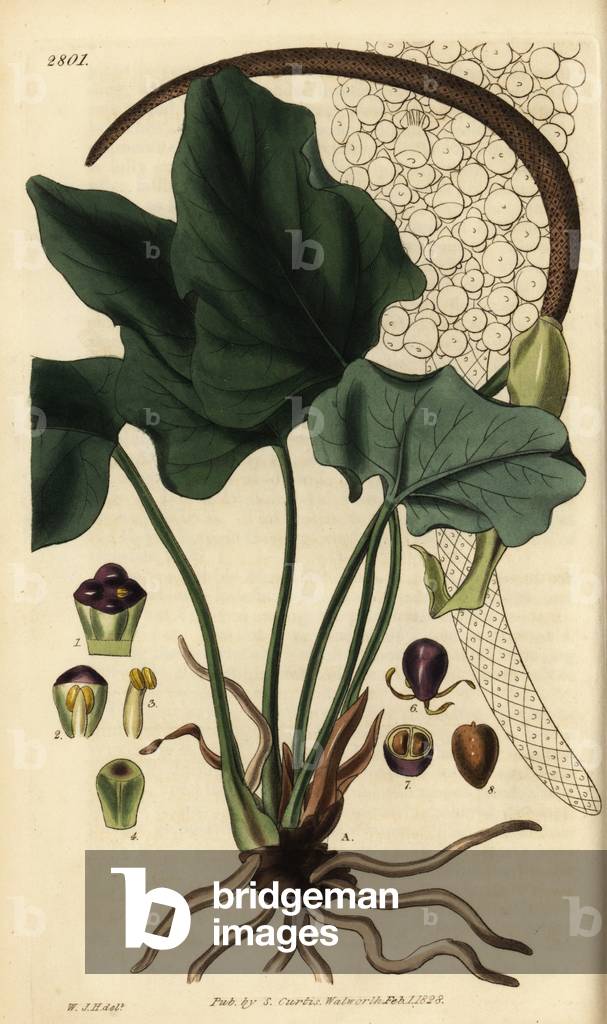
FLO4608715: Anthurium macrophyllum (Large-leaved pothos, Pothos macrophylla). Handcoloured copperplate engraving by Swan after an illustration by William Jackson Hooker from Samuel Curtis' Botanical Magazine, London, 1828. / Bridgeman Images

FLO4608730: Dorstenia brasiliensis (Peziza flowered dorstenia, Dorstenia tubicina). Handcoloured copperplate engraving by Swan after an illustration by William Jackson Hooker from Samuel Curtis' Botanical Magazine, London, 1828. / Bridgeman Images

FLO4608825: Queen sago or broad-leaved cycas, Cycas circinalis. Endangered. Handcoloured copperplate engraving by Swan after an illustration by William Jackson Hooker from Samuel Curtis' Botanical Magazine, London, 1828. / Bridgeman Images
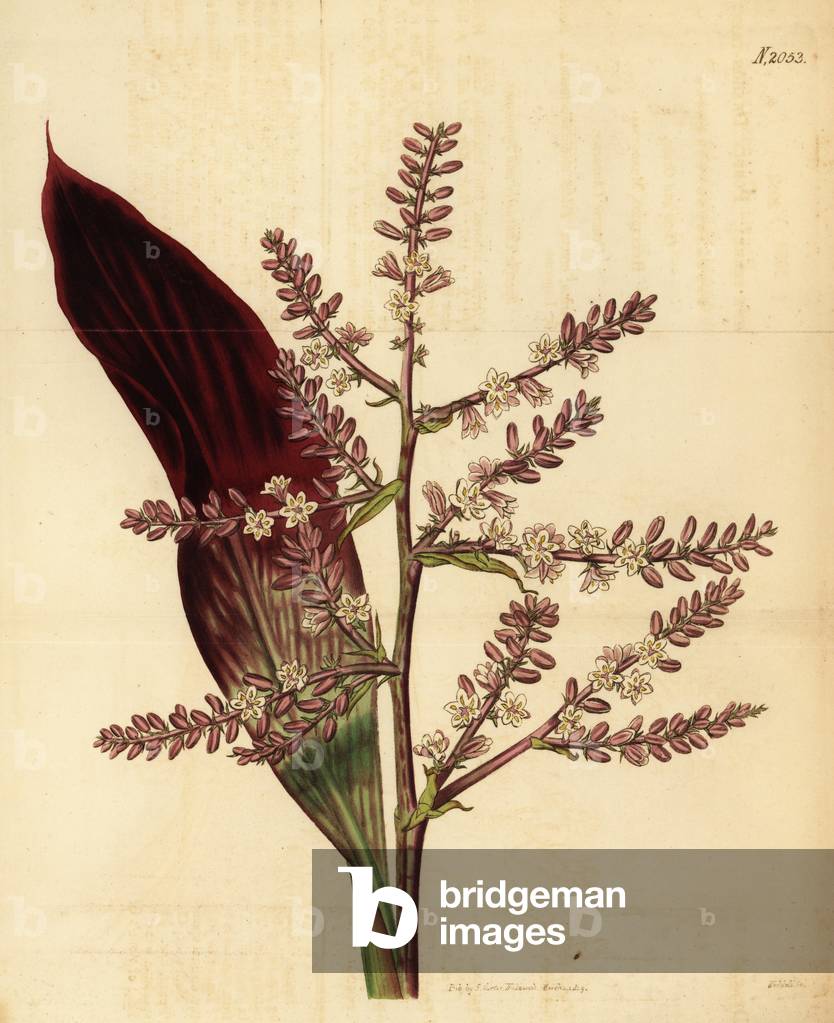
FLO4609161: Cabbage palm, good luck plant, palm lily, Cordyline fruticosa (Dracaena ferrea). Handcoloured copperplate engraving by Weddell from Samuel Curtis' Botanical Magazine, London, 1819. / Bridgeman Images

FLO4608674: Napoleon Bonaparte forced to abdicate by Marshal Michel Ney who holds pistols to his head, while a Turk sharpens a scimitar outside. Handcoloured copperplate engraving by George Cruikshank from The Life of Napoleon a Hudibrastic Poem by Doctor Syntax, T. Tegg, London, 1815. / Bridgeman Images

FLO4608754: Small-leaved lotus, Lotus microphyllus. handcoloured, copperplate engraving, Swan, botanical illustration, William Jackson Hooker, Samuel Curtis, The Botanical Magazine, plant, flower, botany, William Curtis, garden, botanical art, / Bridgeman Images
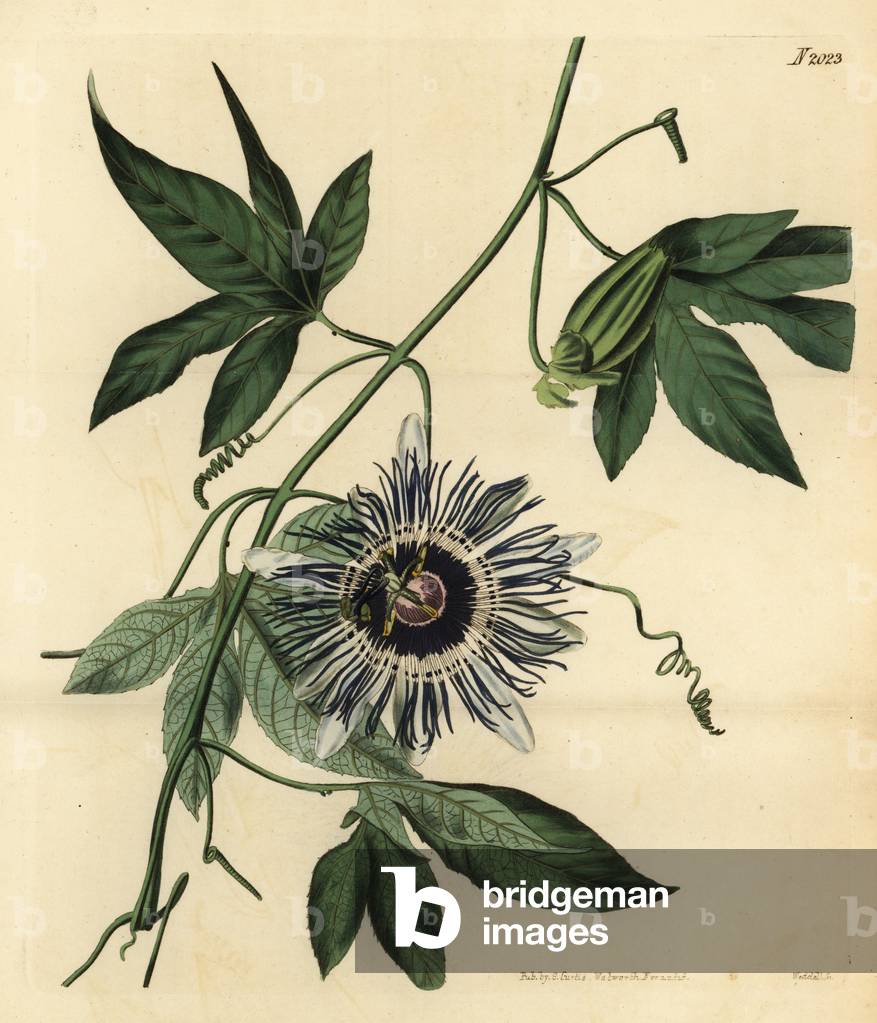
FLO4609048: Passionflower, Passiflora filamentosa. Handcoloured copperplate engraving by Weddell from Samuel Curtis' Botanical Magazine, London, 1818. / Bridgeman Images

FLO4609678: Cryptocoryne spiralis (Arum spiral). Handcoloured copperplate engraving from Samuel Curtis' Botanical Magazine, London, 1822. / Bridgeman Images

FLO4609790: Leafless dendrobium orchid, Dendrobium aphyllum (Dendrobium cucullatum). Handcoloured copperplate engraving by Weddell after an illustration by John Curtis from Samuel Curtis' Botanical Magazine, London, 1822. / Bridgeman Images
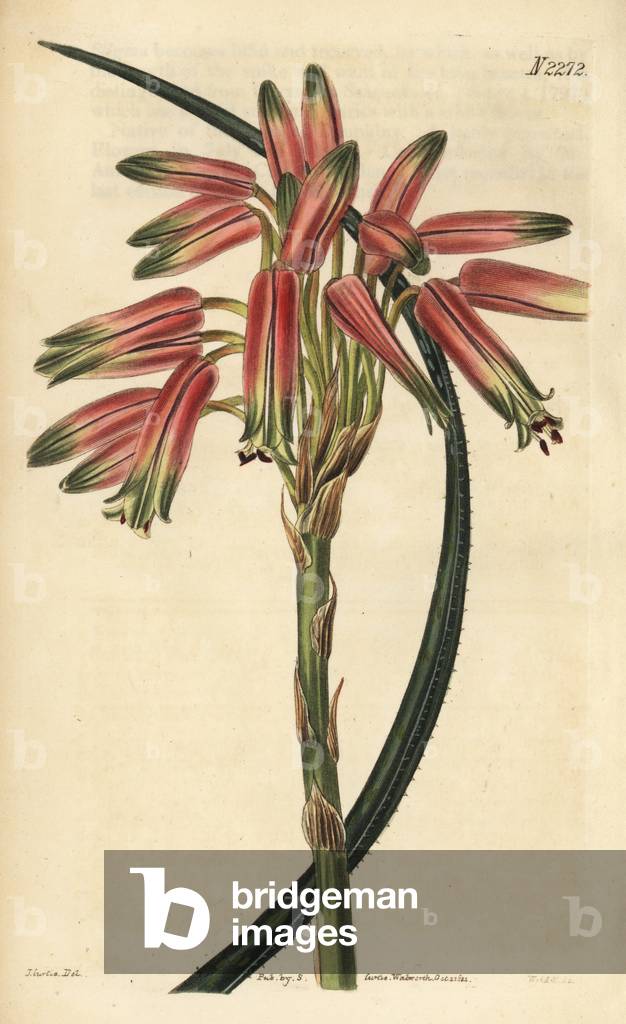
FLO4609851: Small-spined aloe, Aloe micracantha (Aloe microcantha). Handcoloured copperplate engraving by Weddell after an illustration by John Curtis from Samuel Curtis' Botanical Magazine, London, 1822. / Bridgeman Images