Unknown Artist, (19th century) Assets (17744 in total)

Search options

Orientation
Colour

Display options

View

Print

To print search results, use print friendly version of this page.

Results

The arrival of miners in a Caribou inn (Canada), scenes of relaxation and reunion, over a drink. Engraving to illustrate the voyage from the Atlantic to the Pacific (route du nord ouest par les terres), in 1862-1864 by Viscount Milton and Doctor Cheadle, in “Le tour du monde, nouveau journal des voyages”, published under the direction of Edouard Charton, 1866, Paris. Selva Collection.

LSE4325979: The arrival of miners in a Caribou inn (Canada), scenes of relaxation and reunion, over a drink. Engraving to illustrate the voyage from the Atlantic to the Pacific (route du nord ouest par les terres), in 1862-1864 by Viscount Milton and Doctor Cheadle, in “Le tour du monde, nouveau journal des voyages”, published under the direction of Edouard Charton, 1866, Paris. Selva Collection., Unknown Artist, (19th century) / Bridgeman Images

His majesty Katchiba on a journey, leader of the Obbos tribe (tribe of the White Nile region), on the back of one of his subjects and always accompanies two others so that they serve alternately as a guide and a mount, a woman accompanies them who wears a beer jar. Engravure pour illustration le voyage au lac Albert, en 1861-1864, de Sir Samuel White Baker, in “Le tour du monde, nouveau journal des voyages”” published under the direction of Edouard Charton, 1867, Paris. Selva Collection.

LSE4326078: His majesty Katchiba on a journey, leader of the Obbos tribe (tribe of the White Nile region), on the back of one of his subjects and always accompanies two others so that they serve alternately as a guide and a mount, a woman accompanies them who wears a beer jar. Engravure pour illustration le voyage au lac Albert, en 1861-1864, de Sir Samuel White Baker, in “Le tour du monde, nouveau journal des voyages”” published under the direction of Edouard Charton, 1867, Paris. Selva Collection., Unknown Artist, (19th century) / Bridgeman Images

Blacksmith manganjas (ethnic group of the Zambeze region). Engravure to illustrate Dr. Livingstone's first voyages to Southern Africa from 1840 to 1856, in “Le tour du monde, nouveau journal des voyages”” published under the direction of Edouard Charton, 1866, Paris. Selva Collection.

LSE4325715: Blacksmith manganjas (ethnic group of the Zambeze region). Engravure to illustrate Dr. Livingstone's first voyages to Southern Africa from 1840 to 1856, in “Le tour du monde, nouveau journal des voyages”” published under the direction of Edouard Charton, 1866, Paris. Selva Collection., Unknown Artist, (19th century) / Bridgeman Images

A contest of wrestling with bare hands and a race of horses among the Turcomans, organized during the big public celebrations, the distance of the race is one kilometer, between three or four competitors, the winner receives a piece of cotton cloth and the title of president of the race Engraving to illustrate the story of Henri de Blocqueville “” 14 months of captivite chez les Turcomans”” between 1860 and 1861, in “Le tour du monde, nouveau journal des voyages”” published under the direction of Edouard Charton, 1866, Paris. Selva Collection.

LSE4325775: A contest of wrestling with bare hands and a race of horses among the Turcomans, organized during the big public celebrations, the distance of the race is one kilometer, between three or four competitors, the winner receives a piece of cotton cloth and the title of president of the race Engraving to illustrate the story of Henri de Blocqueville “” 14 months of captivite chez les Turcomans”” between 1860 and 1861, in “Le tour du monde, nouveau journal des voyages”” published under the direction of Edouard Charton, 1866, Paris. Selva Collection., Unknown Artist, (19th century) / Bridgeman Images

Penitencier of Saint Louis of French Guiana, organized exclusively for logging on behalf of the government, established in 1859 as an extension of the penitencier of Saint Laurent which became insufficient, they were completely independent, but located four kilometres from each other. Engraving to illustrate the voyage in French Guiana in 1862-1863, by Frederic Bouyer, captain of fregate, in “” Le tour du monde, nouveau journal des voyages”, published under the direction of Edouard Charton, 1866, Paris. Selva Collection.

LSE4325803: Penitencier of Saint Louis of French Guiana, organized exclusively for logging on behalf of the government, established in 1859 as an extension of the penitencier of Saint Laurent which became insufficient, they were completely independent, but located four kilometres from each other. Engraving to illustrate the voyage in French Guiana in 1862-1863, by Frederic Bouyer, captain of fregate, in “” Le tour du monde, nouveau journal des voyages”, published under the direction of Edouard Charton, 1866, Paris. Selva Collection., Unknown Artist, (19th century) / Bridgeman Images

The manufacturer of lacquered cups. Engraving to illustrate the voyage to Japan in 1863-1864, by Aime Humbert, minister of the Swiss Confederation, in “Le tour du monde, nouveau journal des voyages”, published under the direction of Edouard Charton, 1866, Paris. Selva Collection.

LSE4325888: The manufacturer of lacquered cups. Engraving to illustrate the voyage to Japan in 1863-1864, by Aime Humbert, minister of the Swiss Confederation, in “Le tour du monde, nouveau journal des voyages”, published under the direction of Edouard Charton, 1866, Paris. Selva Collection., Unknown Artist, (19th century) / Bridgeman Images
The dance of the bayente, or dance of the devil, among the Yahua Indians of Peru, organized in honor of the moon, takes place every year in a hut set up in the middle of the forest; after the ceremony, the hut, flutes and drums are carefully burned. Engravure to illustrate the voyage from the Ocean Pacific to L'Ocean Atlantique, through South America, in 1848-1860 by Paul Marcoy, in “Le tour du monde, nouveau journal des voyages”, published under the direction of Edouard Charton, 1866, Paris. Selva Collection.

LSE4325949: The dance of the bayente, or dance of the devil, among the Yahua Indians of Peru, organized in honor of the moon, takes place every year in a hut set up in the middle of the forest; after the ceremony, the hut, flutes and drums are carefully burned. Engravure to illustrate the voyage from the Ocean Pacific to L'Ocean Atlantique, through South America, in 1848-1860 by Paul Marcoy, in “Le tour du monde, nouveau journal des voyages”, published under the direction of Edouard Charton, 1866, Paris. Selva Collection., Unknown Artist, (19th century) / Bridgeman Images
A dormitory in an inn in Japan. Engraving to illustrate the voyage to Japan in 1863-1864, by Aime Humbert, minister of the Swiss Confederation, in “Le tour du monde, nouveau journal des voyages”, published under the direction of Edouard Charton, 1866, Paris. Selva Collection.

LSE4325997: A dormitory in an inn in Japan. Engraving to illustrate the voyage to Japan in 1863-1864, by Aime Humbert, minister of the Swiss Confederation, in “Le tour du monde, nouveau journal des voyages”, published under the direction of Edouard Charton, 1866, Paris. Selva Collection., Unknown Artist, (19th century) / Bridgeman Images

Funeral ceremonies: ritual incineration. Engraving to illustrate the voyage to Japan in 1863-1864, by Aime Humbert, minister of the Swiss Confederation, in “Le tour du monde, nouveau journal des voyages”, published under the direction of Edouard Charton, 1866, Paris. Selva Collection.

LSE4326034: Funeral ceremonies: ritual incineration. Engraving to illustrate the voyage to Japan in 1863-1864, by Aime Humbert, minister of the Swiss Confederation, in “Le tour du monde, nouveau journal des voyages”, published under the direction of Edouard Charton, 1866, Paris. Selva Collection., Unknown Artist, (19th century) / Bridgeman Images

The descent of a horse in the Creusot mines, used in underground tunnels for the transport of coal carts. Engraving to illustrate a voyage to the Creusot and the mines of Saone and Loire, in 1865, by L. Simonin, in “” Le tour du monde, nouveau journal des voyages”” published under the direction of Edouard Charton, 1867, Paris. Selva Collection.

LSE4326112: The descent of a horse in the Creusot mines, used in underground tunnels for the transport of coal carts. Engraving to illustrate a voyage to the Creusot and the mines of Saone and Loire, in 1865, by L. Simonin, in “” Le tour du monde, nouveau journal des voyages”” published under the direction of Edouard Charton, 1867, Paris. Selva Collection., Unknown Artist, (19th century) / Bridgeman Images

Small saltibanks performing acrobatic numbers in music in the streets of Yedo (or Edo, imperial capital, present-day Tokyo). Engraving to illustrate the voyage to Japan, in 1863-1864, by Aime Humbert, minister of the Swiss Confederation, in “” Le tour du monde, nouveau journal des voyages”” published under the direction of Edouard Charton, 1867, Paris. Selva Collection.

LSE4326190: Small saltibanks performing acrobatic numbers in music in the streets of Yedo (or Edo, imperial capital, present-day Tokyo). Engraving to illustrate the voyage to Japan, in 1863-1864, by Aime Humbert, minister of the Swiss Confederation, in “” Le tour du monde, nouveau journal des voyages”” published under the direction of Edouard Charton, 1867, Paris. Selva Collection., Unknown Artist, (19th century) / Bridgeman Images

Arab bedouins, panthere skins and sheep wool merchants, en route to the march of Baghdad (Iraq). Engravure pour illustrrer le voyage dans la Babylon, en 1866, by Guillaume Lejean, in “Le tour du monde, nouveau journal des voyages”” published under the direction of Edouard Charton, 1867, Paris. Selva Collection.

LSE4326251: Arab bedouins, panthere skins and sheep wool merchants, en route to the march of Baghdad (Iraq). Engravure pour illustrrer le voyage dans la Babylon, en 1866, by Guillaume Lejean, in “Le tour du monde, nouveau journal des voyages”” published under the direction of Edouard Charton, 1867, Paris. Selva Collection., Unknown Artist, (19th century) / Bridgeman Images

A walking frying merchant, carries his donuts on baskets, and travels to the market to sell, to the other merchants, lunch. Engraving to illustrate the voyage to Japan, in 1863-1864, by Aime Humbert, minister of the Swiss Confederation, in “Le tour du monde, nouveau journal des voyages”” published under the direction of Edouard Charton, Hachette, Paris, 1867. Selva Collection.

LSE4326372: A walking frying merchant, carries his donuts on baskets, and travels to the market to sell, to the other merchants, lunch. Engraving to illustrate the voyage to Japan, in 1863-1864, by Aime Humbert, minister of the Swiss Confederation, in “Le tour du monde, nouveau journal des voyages”” published under the direction of Edouard Charton, Hachette, Paris, 1867. Selva Collection., Unknown Artist, (19th century) / Bridgeman Images

Balloon accident in Beuzeville, following a loss of gas, the aeronaut lost control and fell from his balloon, in which he had embarked without a nacelle. Engraving in “” Le petit journal”” 30/7/1899. Selva Collection.

LSE4326900: Balloon accident in Beuzeville, following a loss of gas, the aeronaut lost control and fell from his balloon, in which he had embarked without a nacelle. Engraving in “” Le petit journal”” 30/7/1899. Selva Collection., Unknown Artist, (19th century) / Bridgeman Images

Merovingian Dynasty: Portrait of Childeric III (714-755) King of the Franks - CHILDERIC III (d. 754) King of the Franks, 741-751, and last of the Merovingians - engraving from “” Instruction sur l'Histoire de France”” by Charles Constant Le Tellier 1821

XEE4309858: Merovingian Dynasty: Portrait of Childeric III (714-755) King of the Franks - CHILDERIC III (d. 754) King of the Franks, 741-751, and last of the Merovingians - engraving from “” Instruction sur l'Histoire de France”” by Charles Constant Le Tellier 1821, Unknown Artist, (19th century) / Bridgeman Images

Portrait of Louis I the 'Pious' (778-840) King of France, Holy Roman Emperor - engraving from “Instruction sur l'Histoire de France” by Charles Constant Le Tellier 1821

XEE4309882: Portrait of Louis I the 'Pious' (778-840) King of France, Holy Roman Emperor - engraving from “Instruction sur l'Histoire de France” by Charles Constant Le Tellier 1821, Unknown Artist, (19th century) / Bridgeman Images
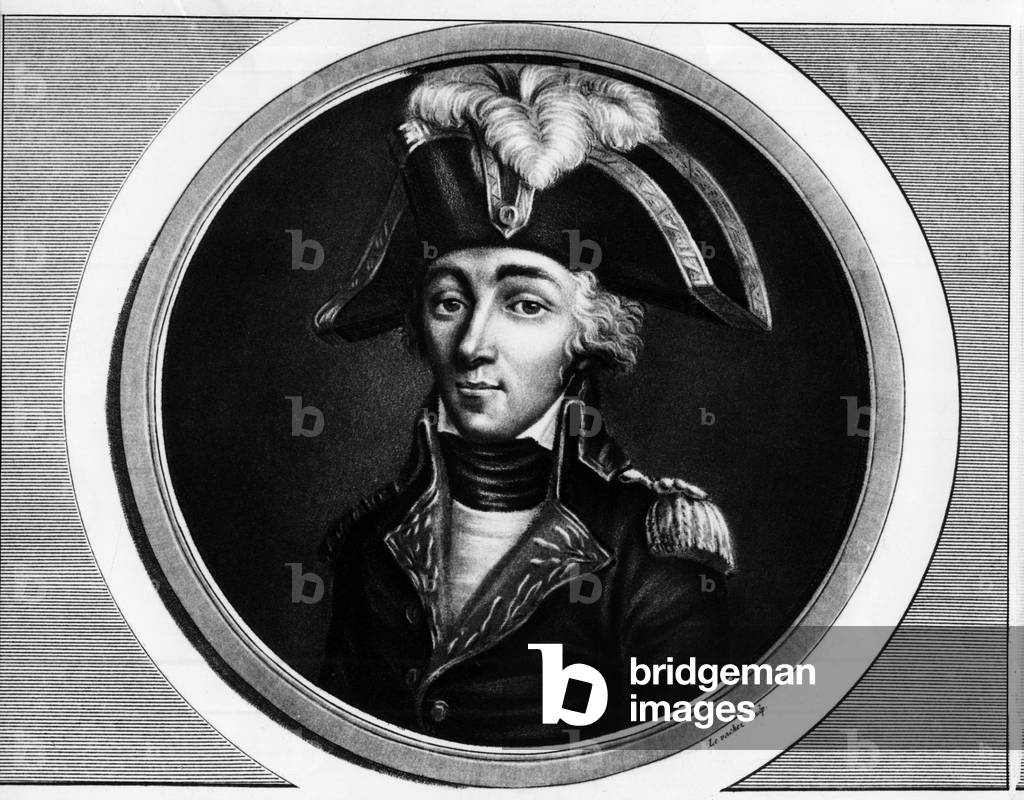
Portrait of Clovis III, King of the Francs from 691 to 695 - CLOVIS III Merovingian king of Neustria and Austrasia - engraving from “Instruction sur l'Histoire de France”” by Charles Constant Le Tellier 1821

XEE4309769: Portrait of Clovis III, King of the Francs from 691 to 695 - CLOVIS III Merovingian king of Neustria and Austrasia - engraving from “Instruction sur l'Histoire de France”” by Charles Constant Le Tellier 1821, Unknown Artist, (19th century) / Bridgeman Images

Portrait of Chilperic II (c. 670 - 721), King of Neustria - CHILPERIC II king of the Franks - engraving from “Instruction sur l'Histoire de France”” by Charles Constant Le Tellier 1821

XEE4309878: Portrait of Chilperic II (c. 670 - 721), King of Neustria - CHILPERIC II king of the Franks - engraving from “Instruction sur l'Histoire de France”” by Charles Constant Le Tellier 1821, Unknown Artist, (19th century) / Bridgeman Images

Former voto (ex voto) sailor, popular offer as a pledge of devotion and gratitude of the sailor surviving to the dangers of the sea coming from the Church of the Blessed Virgin of the Arch of Naples (Madonna dell'arco) 19th century Italy

LSE4319648: Former voto (ex voto) sailor, popular offer as a pledge of devotion and gratitude of the sailor surviving to the dangers of the sea coming from the Church of the Blessed Virgin of the Arch of Naples (Madonna dell'arco) 19th century Italy, Unknown Artist, (19th century) / Bridgeman Images

General Felix Gustave (Felix-Gustave) Saussier (1828-1905) and his staff reviewed the troops at Vincennes. Engraving in “” Le petit journal illustrious”” 09/05/1891. Selva's collection.

LSE4323473: General Felix Gustave (Felix-Gustave) Saussier (1828-1905) and his staff reviewed the troops at Vincennes. Engraving in “” Le petit journal illustrious”” 09/05/1891. Selva's collection., Unknown Artist, (19th century) / Bridgeman Images

The royal family of Denmark, sitting in the centre, Queen Louise of Hesse-Kassel (1817-1898) and King Christian IX of Denmark (1818-1906) nicknamed “the handsome father of Europe” because he married several of his children to heritiers of the great royal families, as he is represented here surrounded by his children during the celebration of the silver wedding of his daughter with the Tsar of Russia: behind him, Princess Mary of Orleans (1865-1909) and his bride Prince Valdemar (1858-1939), and on the right, sitting, Albert Edward Prince of Wales (1841-1910, future Edward VII of the United Kingdom) with his wife, Alexandra of Denmark (1844-19625) and their son, Prince Albert Victor (1844-19625) 4-1892), Duke of Clarence and Avondale. To the left of the Danish royal couple are the Impress Princess Dagmar of Denmark (1847-1928) and Emperor (Tsar) Alexander III of Russia (1845-1894), then the Royal Prince Frederik (1843-1912, later Frederik VII of Denmark) and his wife, sitting, Princess Lovisa of Sweden (1851-1926), then the King George I of Greece (1845-1913, Prince Wilhelm) and his wife Olga Constantinovna of Russia (1851-1926), accompanied by their daughter Princess Mary of Greece (1876-1940). Engraving in “” Le petit journal”” 26/09/1891. Selva's collection.

LSE4323548: The royal family of Denmark, sitting in the centre, Queen Louise of Hesse-Kassel (1817-1898) and King Christian IX of Denmark (1818-1906) nicknamed “the handsome father of Europe” because he married several of his children to heritiers of the great royal families, as he is represented here surrounded by his children during the celebration of the silver wedding of his daughter with the Tsar of Russia: behind him, Princess Mary of Orleans (1865-1909) and his bride Prince Valdemar (1858-1939), and on the right, sitting, Albert Edward Prince of Wales (1841-1910, future Edward VII of the United Kingdom) with his wife, Alexandra of Denmark (1844-19625) and their son, Prince Albert Victor (1844-19625) 4-1892), Duke of Clarence and Avondale. To the left of the Danish royal couple are the Impress Princess Dagmar of Denmark (1847-1928) and Emperor (Tsar) Alexander III of Russia (1845-1894), then the Royal Prince Frederik (1843-1912, later Frederik VII of Denmark) and his wife, sitting, Princess Lovisa of Sweden (1851-1926), then the King George I of Greece (1845-1913, Prince Wilhelm) and his wife Olga Constantinovna of Russia (1851-1926), accompanied by their daughter Princess Mary of Greece (1876-1940). Engraving in “” Le petit journal”” 26/09/1891. Selva's collection., Unknown Artist, (19th century) / Bridgeman Images

the visit of Constantine Nicolaevich Romanov (1827-1892) Grand Duke of Russia and cousin of Tsar Alexander III (1845-1894), to the house of Joan of Arc in Domremy. Engraving in “” Le petit journal”” 25/06/1892. Selva's collection.

LSE4323648: the visit of Constantine Nicolaevich Romanov (1827-1892) Grand Duke of Russia and cousin of Tsar Alexander III (1845-1894), to the house of Joan of Arc in Domremy. Engraving in “” Le petit journal”” 25/06/1892. Selva's collection., Unknown Artist, (19th century) / Bridgeman Images

Eugene Turpin (1848-1927) chemist, inventor in 1884 of melinite (an explosive), in his cell, accused (wrongly) of having sold his invention to the enemy. He inspires Jules Verne for the character of Thomas Roch in the novel “Face au drapeau””. Engraving in “” Le petit journal”” 21/01/1893. Selva's collection.

LSE4323700: Eugene Turpin (1848-1927) chemist, inventor in 1884 of melinite (an explosive), in his cell, accused (wrongly) of having sold his invention to the enemy. He inspires Jules Verne for the character of Thomas Roch in the novel “Face au drapeau””. Engraving in “” Le petit journal”” 21/01/1893. Selva's collection., Unknown Artist, (19th century) / Bridgeman Images
The accommodation ticket, provided by the army to its soldiers in the field in order to request accommodation from civilians. Engraving in “” Le petit journal”” 23/09/1893. Selva's collection.

LSE4323825: The accommodation ticket, provided by the army to its soldiers in the field in order to request accommodation from civilians. Engraving in “” Le petit journal”” 23/09/1893. Selva's collection., Unknown Artist, (19th century) / Bridgeman Images

Panorama of French Africa, map of French expeditions in Africa. Engraving in “” Le petit journal”” 5/03/1894. Selva's collection.

LSE4323866: Panorama of French Africa, map of French expeditions in Africa. Engraving in “” Le petit journal”” 5/03/1894. Selva's collection., Unknown Artist, (19th century) / Bridgeman Images

Portrait of Alphonse Chodron de Courcel (1835-1919), French politician, diplomatic career, in Germany (1881-1886) and the United Kingdom (1894-1898), president of the board of directors of the Paris Orleans railways and member of the academy of moral and political sciences. Engraving in “” Le petit journal”” 22/10/1894. Selva's collection.

LSE4323969: Portrait of Alphonse Chodron de Courcel (1835-1919), French politician, diplomatic career, in Germany (1881-1886) and the United Kingdom (1894-1898), president of the board of directors of the Paris Orleans railways and member of the academy of moral and political sciences. Engraving in “” Le petit journal”” 22/10/1894. Selva's collection., Unknown Artist, (19th century) / Bridgeman Images

Expulsion and element of the barracks set up on the military zone at the Gentilly gate. Illustration in “” Le petit journal”” 23/06/1895.

LSE4324086: Expulsion and element of the barracks set up on the military zone at the Gentilly gate. Illustration in “” Le petit journal”” 23/06/1895., Unknown Artist, (19th century) / Bridgeman Images

Journey of the President of the Republic, Felix Faure (1841-1899), for the inauguration of the monument commemorating the attachment of the Count of Nice to France. Engraving in “” Le petit journal””/1896. Selva's collection.

LSE4324166: Journey of the President of the Republic, Felix Faure (1841-1899), for the inauguration of the monument commemorating the attachment of the Count of Nice to France. Engraving in “” Le petit journal””/1896. Selva's collection., Unknown Artist, (19th century) / Bridgeman Images

The nuba of the Turcos of Algeria, walking through the streets of Paris. Engraving in “” Le petit journal”” 25/10/1896. Selva's collection.

LSE4324260: The nuba of the Turcos of Algeria, walking through the streets of Paris. Engraving in “” Le petit journal”” 25/10/1896. Selva's collection., Unknown Artist, (19th century) / Bridgeman Images
Uniforms of the Russian cavalry, allied of France, on horseback from left to right: Cossack of the Guard Regiment, the battleships regiment of the Guard, officer of the Urals Cossacks, and officer of the Emperor's Cossacks. In the foreground, standing, from left to right: dragon of the guard, Uhlan of the guard, circassian of the escort of the emperor's guard, gendarmerie officer, non-officer of the guard hussars, soldier of the horse guards and grenadier of the guard. Engraving in “” Le petit journal”” 9/04/1892. Selva's collection.

LSE4323616: Uniforms of the Russian cavalry, allied of France, on horseback from left to right: Cossack of the Guard Regiment, the battleships regiment of the Guard, officer of the Urals Cossacks, and officer of the Emperor's Cossacks. In the foreground, standing, from left to right: dragon of the guard, Uhlan of the guard, circassian of the escort of the emperor's guard, gendarmerie officer, non-officer of the guard hussars, soldier of the horse guards and grenadier of the guard. Engraving in “” Le petit journal”” 9/04/1892. Selva's collection., Unknown Artist, (19th century) / Bridgeman Images

The French deputes, in front of the steps of the National Assembly, kneeling to worship the golden calf, symbol of idolatry and materialism, the illustration testifies to the deception of the savers who learned that their money was used only to pay the salaries of the deputes. Engraving in “” Le petit journal”” 31/12/1892. Selva's collection.

LSE4323682: The French deputes, in front of the steps of the National Assembly, kneeling to worship the golden calf, symbol of idolatry and materialism, the illustration testifies to the deception of the savers who learned that their money was used only to pay the salaries of the deputes. Engraving in “” Le petit journal”” 31/12/1892. Selva's collection., Unknown Artist, (19th century) / Bridgeman Images

The triple alliance between Germany, Austria Hungary and Italy, accused by France of treason since Prince Victor (1862-1926) visited William II (1859-1941), Emperor of the Germans, the prince is called the grandson of Corporal of the Zouaves, because his grandfather Victor Emmanuel II (Victor-Emmanuel) (Vittorio Emanuele) (1820-1878), allie a Napoleon III (1808-1873) against Austria, had received in Palestro the stripes of corporal of the Zouaves. Engraving in “” Le petit journal”” 18/09/1893. Selva's collection.

LSE4323817: The triple alliance between Germany, Austria Hungary and Italy, accused by France of treason since Prince Victor (1862-1926) visited William II (1859-1941), Emperor of the Germans, the prince is called the grandson of Corporal of the Zouaves, because his grandfather Victor Emmanuel II (Victor-Emmanuel) (Vittorio Emanuele) (1820-1878), allie a Napoleon III (1808-1873) against Austria, had received in Palestro the stripes of corporal of the Zouaves. Engraving in “” Le petit journal”” 18/09/1893. Selva's collection., Unknown Artist, (19th century) / Bridgeman Images
The president of the republic, Felix Faure (1841-1899), visits the troops in Langres during the great manoeuvres and tradition for all visitors, he tastes the soup of the soldier. Engraving in “” Le petit journal”” 22/09/1895. Selva's collection.

LSE4324107: The president of the republic, Felix Faure (1841-1899), visits the troops in Langres during the great manoeuvres and tradition for all visitors, he tastes the soup of the soldier. Engraving in “” Le petit journal”” 22/09/1895. Selva's collection., Unknown Artist, (19th century) / Bridgeman Images

Launch of the sailboat “President Felix Faure””, on February 3, in Le Havre, sponsored by Lucie Faure, the daughter of the head of state and Louis Brindeau, mayor of Le Havre; it is the first of a series of 4-mat sailboats to be built in Le Havre from 1896. Engraving in “” Le petit journal”” 16/02/1896. Selva's collection.

LSE4324165: Launch of the sailboat “President Felix Faure””, on February 3, in Le Havre, sponsored by Lucie Faure, the daughter of the head of state and Louis Brindeau, mayor of Le Havre; it is the first of a series of 4-mat sailboats to be built in Le Havre from 1896. Engraving in “” Le petit journal”” 16/02/1896. Selva's collection., Unknown Artist, (19th century) / Bridgeman Images

Dr. Emile Roux (1853-1933), a bacteriologist, collaborator of Louis Pasteur (1822-1895), who developed the vaccine against croup (complication of measles in children). Engraving in “” Le petit journal”” 24/09/1894. Selva's collection.

LSE4323957: Dr. Emile Roux (1853-1933), a bacteriologist, collaborator of Louis Pasteur (1822-1895), who developed the vaccine against croup (complication of measles in children). Engraving in “” Le petit journal”” 24/09/1894. Selva's collection., Unknown Artist, (19th century) / Bridgeman Images
The Bouzey disaster, (Vosges), the dam of the reservoir of Epinal broke, pouring 7 million cubic metres of water. Engraving in “” Le petit journal”” 12/05/1895. Selva's collection.

LSE4324049: The Bouzey disaster, (Vosges), the dam of the reservoir of Epinal broke, pouring 7 million cubic metres of water. Engraving in “” Le petit journal”” 12/05/1895. Selva's collection., Unknown Artist, (19th century) / Bridgeman Images


Back to top