Egyptian 18th Dynasty (c.1567-1320 BC) Assets (907 in total)

Search options

Orientation
Colour

Display options

View

Print

To print search results, use print friendly version of this page.

Results

Funerary stele of Minhotep: detail of an offering of flowers to the goddess Hathor who holds the key of life (Ankh). 14th century BC (painted relief)

LRI4593101: Funerary stele of Minhotep: detail of an offering of flowers to the goddess Hathor who holds the key of life (Ankh). 14th century BC (painted relief), Egyptian 18th Dynasty (c.1567-1320 BC) / Bridgeman Images

Egyptian antiquite: relief of the tomb of Kha em Het (Khaemhat) inspector of the attics and scribe at the court of Amenophis III (TT57) representing bearers of offerings to the goddess Renenoutet (nourishing serpent). 18th dynasty. 1530-1290 BC. Vallee des Nobles. Luxor, West Bank, Egypt

LRI4681358: Egyptian antiquite: relief of the tomb of Kha em Het (Khaemhat) inspector of the attics and scribe at the court of Amenophis III (TT57) representing bearers of offerings to the goddess Renenoutet (nourishing serpent). 18th dynasty. 1530-1290 BC. Vallee des Nobles. Luxor, West Bank, Egypt, Egyptian 18th Dynasty (c.1567-1320 BC) / Bridgeman Images

Egyptian antiquite: representation of Anubis, Hathor and hieroglyphs. Painting of the Tomb of Roy (TT255). 18th dynasty. From the West Bank of Luxor, Egypt

LRI4681489: Egyptian antiquite: representation of Anubis, Hathor and hieroglyphs. Painting of the Tomb of Roy (TT255). 18th dynasty. From the West Bank of Luxor, Egypt, Egyptian 18th Dynasty (c.1567-1320 BC) / Bridgeman Images

The god hawk Horus, symbol of the kingdoms (relief)

LRI4682109: The god hawk Horus, symbol of the kingdoms (relief), Egyptian 18th Dynasty (c.1567-1320 BC) / Bridgeman Images

Column of the first courtyard with allee (dromos) cryosphinxes (ram-headed sphinx) (photography)

LRI4682556: Column of the first courtyard with allee (dromos) cryosphinxes (ram-headed sphinx) (photography), Egyptian 18th Dynasty (c.1567-1320 BC) / Bridgeman Images

Egyptian antiquite: Nebnefer granite block dedicated to the god Sobek and the goddess Hathor, c.1403-1365 BC. 18th dynasty, Egypt (granite)

JLJ4590190: Egyptian antiquite: Nebnefer granite block dedicated to the god Sobek and the goddess Hathor, c.1403-1365 BC. 18th dynasty, Egypt (granite), Egyptian 18th Dynasty (c.1567-1320 BC) / Bridgeman Images

Egyptian antiquite: colossal red gres sculpture depicting Pharaoh Amenhotep (Amenophis) III, 1403-1365 BC

JLJ4588557: Egyptian antiquite: colossal red gres sculpture depicting Pharaoh Amenhotep (Amenophis) III, 1403-1365 BC, Egyptian 18th Dynasty (c.1567-1320 BC) / Bridgeman Images

Detail of a sandstone relief with Queen Hatshepsut and two Obelisks at the temple of Amon, 1475-1468 BC, 18th Dynasty (relief)

JLJ4588597: Detail of a sandstone relief with Queen Hatshepsut and two Obelisks at the temple of Amon, 1475-1468 BC, 18th Dynasty (relief), Egyptian 18th Dynasty (c.1567-1320 BC) / Bridgeman Images

Egyptian civilization, Tutankhamen's sarcophagus, decorated in gold and semi-precious stones

IBE5375559: Egyptian civilization, Tutankhamen's sarcophagus, decorated in gold and semi-precious stones, Egyptian 18th Dynasty (c.1567-1320 BC) / Bridgeman Images

Anubis, the god of death from the Mortuary Temple of Queen Hatshepsut (c.1503-1482 BC) (painted limestone)

GDG382841: Anubis, the god of death from the Mortuary Temple of Queen Hatshepsut (c.1503-1482 BC) (painted limestone), Egyptian 18th Dynasty (c.1567-1320 BC) / Bridgeman Images

Relief depicting Horus, chapel of the goddess Hathor, from the Mortuary Temple of Hatshepsut (c.1503-1482 BC) New Kingdom (painted limestone)

GDG382844: Relief depicting Horus, chapel of the goddess Hathor, from the Mortuary Temple of Hatshepsut (c.1503-1482 BC) New Kingdom (painted limestone), Egyptian 18th Dynasty (c.1567-1320 BC) / Bridgeman Images

Unguent jar with a figure of a the king as a lion, from the Tomb of Tutankhamun, New Kingdom (painted alabaster) (see also 148194)

XBP391016: Unguent jar with a figure of a the king as a lion, from the Tomb of Tutankhamun, New Kingdom (painted alabaster) (see also 148194), Egyptian 18th Dynasty (c.1567-1320 BC) / Bridgeman Images
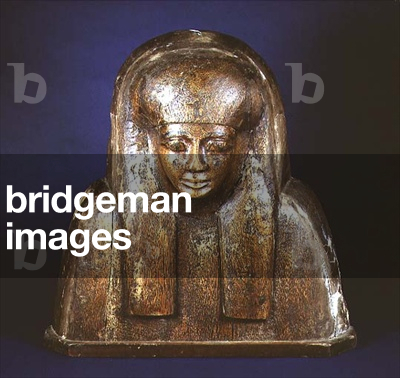
Upper portion of a coffin lid from Thebes, 14th-13th century BC (wood)

BNM46955: Upper portion of a coffin lid from Thebes, 14th-13th century BC (wood), Egyptian 18th Dynasty (c.1567-1320 BC) / Bridgeman Images

Shawabti of Maya, New Kingdom, c.1390-1353 BC (wood, paint & glass)

TBM201439: Shawabti of Maya, New Kingdom, c.1390-1353 BC (wood, paint & glass), Egyptian 18th Dynasty (c.1567-1320 BC) / Bridgeman Images

Bust of Sakhmet from a seated statue, either from the Mut Precinct or mortuary temple of Amenhotep III (granodiorite)

TBM104179: Bust of Sakhmet from a seated statue, either from the Mut Precinct or mortuary temple of Amenhotep III (granodiorite), Egyptian 18th Dynasty (c.1567-1320 BC) / Bridgeman Images

Donation stela for a mnevius bull, New Kingdom (limestone)

SVA660136: Donation stela for a mnevius bull, New Kingdom (limestone), Egyptian 18th Dynasty (c.1567-1320 BC) / Bridgeman Images

statue of Akhenaten with a female figure

SVA660256: statue of Akhenaten with a female figure, Egyptian 18th Dynasty (c.1567-1320 BC) / Bridgeman Images

Amarna Period artist's study of a princess eating roast duck, from Tell Al-Amarna, New Kingdom (limestone)

SVA660092: Amarna Period artist's study of a princess eating roast duck, from Tell Al-Amarna, New Kingdom (limestone), Egyptian 18th Dynasty (c.1567-1320 BC) / Bridgeman Images

Chest of Amenhotep III, Valley of the Kings, New Kingdom (gilded wood & faience)

SVA660119: Chest of Amenhotep III, Valley of the Kings, New Kingdom (gilded wood & faience), Egyptian 18th Dynasty (c.1567-1320 BC) / Bridgeman Images

Statues of Amun and Mut, from Karnak Temple, New Kingdom (limestone)

SVA660314: Statues of Amun and Mut, from Karnak Temple, New Kingdom (limestone), Egyptian 18th Dynasty (c.1567-1320 BC) / Bridgeman Images

Shrine dedicated to Hathor by Thutmosis III, from Deir el-Bahri, New Kingdom (painted sandstone)

SVA660321: Shrine dedicated to Hathor by Thutmosis III, from Deir el-Bahri, New Kingdom (painted sandstone), Egyptian 18th Dynasty (c.1567-1320 BC) / Bridgeman Images

Inlay profile head, from Tell el-Amarna, New Kingdom, c.1353-36 BC (red quartzite)

TBM342026: Inlay profile head, from Tell el-Amarna, New Kingdom, c.1353-36 BC (red quartzite), Egyptian 18th Dynasty (c.1567-1320 BC) / Bridgeman Images

Face from a sarcophagus cover, purchased in Luxor, New Kingdom (granite)

TBM350417: Face from a sarcophagus cover, purchased in Luxor, New Kingdom (granite), Egyptian 18th Dynasty (c.1567-1320 BC) / Bridgeman Images

Head of Amenhotep III, New Kingdom, Dynasty 18, reign of Amenhotep III, 1390-–1352 B.C. (quartzite)

BST711367: Head of Amenhotep III, New Kingdom, Dynasty 18, reign of Amenhotep III, 1390-–1352 B.C. (quartzite), Egyptian 18th Dynasty (c.1567-1320 BC) / Bridgeman Images

Head of King Tutankhamen, New Kingdom, Dynasty 18, reign of Tutankhamen, 1336-–1327 B.C. (sandstone)

BST711374: Head of King Tutankhamen, New Kingdom, Dynasty 18, reign of Tutankhamen, 1336-–1327 B.C. (sandstone), Egyptian 18th Dynasty (c.1567-1320 BC) / Bridgeman Images

Statue of Aset, mother of Tuthmosis III, from the Temple of Amun-Ra, Karnak, New Kingdom (granite with gold leaf)

SVA660342: Statue of Aset, mother of Tuthmosis III, from the Temple of Amun-Ra, Karnak, New Kingdom (granite with gold leaf), Egyptian 18th Dynasty (c.1567-1320 BC) / Bridgeman Images

Pillars in the great hypostyle hall, temple of Karnak, Luxor, Egypt

SBA7128791: Pillars in the great hypostyle hall, temple of Karnak, Luxor, Egypt, Egyptian 18th Dynasty (c.1567-1320 BC) / Bridgeman Images

The fallen obelisk of Hatshepsut, Karnak temple complex, Luxor, Egypt

SBA7128794: The fallen obelisk of Hatshepsut, Karnak temple complex, Luxor, Egypt, Egyptian 18th Dynasty (c.1567-1320 BC) / Bridgeman Images

Pillars in the great hypostyle hall, temple of Karnak, Luxor, Egypt

SBA7128778: Pillars in the great hypostyle hall, temple of Karnak, Luxor, Egypt, Egyptian 18th Dynasty (c.1567-1320 BC) / Bridgeman Images

Sarcophagus of Ahmosis, New Kingdom, 18th dynasty (painted wood)

OLA5348387: Sarcophagus of Ahmosis, New Kingdom, 18th dynasty (painted wood), Egyptian 18th Dynasty (c.1567-1320 BC) / Bridgeman Images

Egyptian antiquite: Ptahmose (or Ptahmes, Ptahmosis), superintendent of Pharaoh Amenhotep III (or Amenophis) 1390-1352 BC. 18th dynasty. Florence, Museo Archeologico

LRI4593151: Egyptian antiquite: Ptahmose (or Ptahmes, Ptahmosis), superintendent of Pharaoh Amenhotep III (or Amenophis) 1390-1352 BC. 18th dynasty. Florence, Museo Archeologico, Egyptian 18th Dynasty (c.1567-1320 BC) / Bridgeman Images

Pillars in the great hypostyle hall, temple of Karnak, Luxor, Egypt

SBA7128783: Pillars in the great hypostyle hall, temple of Karnak, Luxor, Egypt, Egyptian 18th Dynasty (c.1567-1320 BC) / Bridgeman Images

The sacred lake, Karnak temple complex, Luxor, Egypt

SBA7128792: The sacred lake, Karnak temple complex, Luxor, Egypt, Egyptian 18th Dynasty (c.1567-1320 BC) / Bridgeman Images

The obelisk of Hatshepsut, Karnak temple complex, Luxor, Egypt

SBA7128795: The obelisk of Hatshepsut, Karnak temple complex, Luxor, Egypt, Egyptian 18th Dynasty (c.1567-1320 BC) / Bridgeman Images

Kneeling Statue of Senenmut, New Kingdom (granite)

TBM3504679: Kneeling Statue of Senenmut, New Kingdom (granite), Egyptian 18th Dynasty (c.1567-1320 BC) / Bridgeman Images

illustration of the fresco Paheri and his wife Henut-er-neheh from the tomb of Paheri in El Kab, Egypt, image published in 1895 (Print)

KWE6117357: illustration of the fresco Paheri and his wife Henut-er-neheh from the tomb of Paheri in El Kab, Egypt, image published in 1895 (Print), Egyptian 18th Dynasty (c.1567-1320 BC) / Bridgeman Images


Back to top