Search options

Orientation
Colour

Display options

View

Print

To print search results, use print friendly version of this page.

5207 Search Results for running
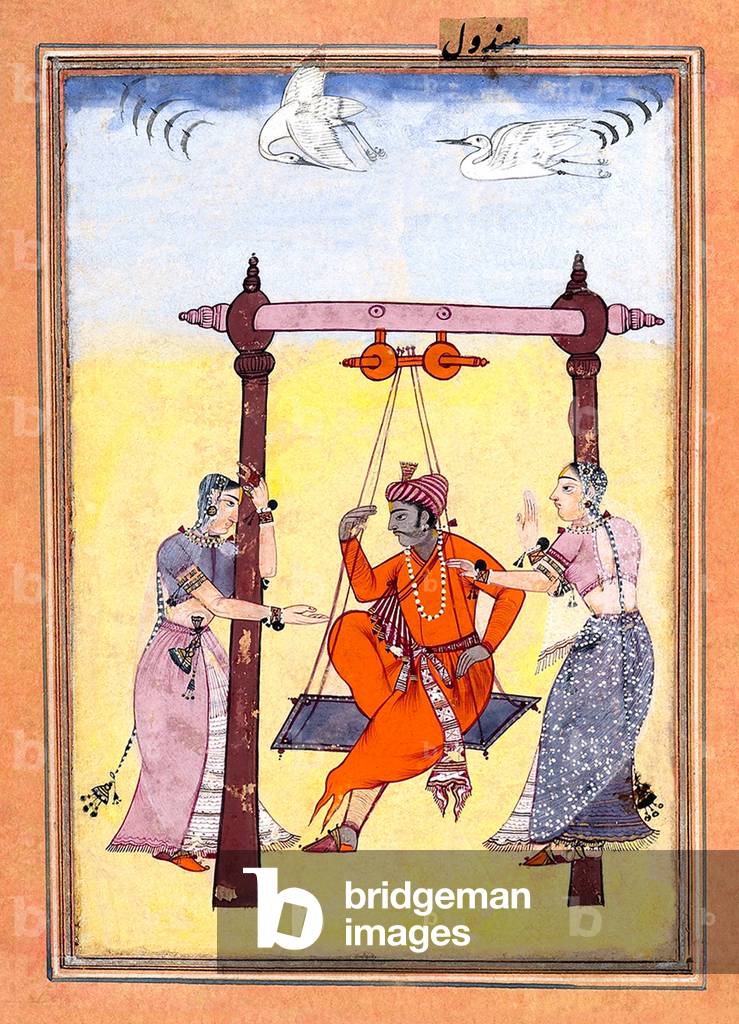
India: 'Hindola Raga'. Miniature painting from the 'Laud Ragamala' attributed to Fazl of the workshop of Abdul Rahim, Bikaner, early 17th century, Bodleian Library, Oxford

PFH3277615: India: 'Hindola Raga'. Miniature painting from the 'Laud Ragamala' attributed to Fazl of the workshop of Abdul Rahim, Bikaner, early 17th century, Bodleian Library, Oxford / Bridgeman Images

Aug. 12, 1953 - Railway Strike In France. The great English railway walk out virtually spread into a general strike last night. And as it began to paraly ~ ~ the nation from the Channel coast to the Riviera thousands more tourists were stranded; the British Embassy in Paris was forced to organize and emergency get-some service in Army buses, and Whitehall agreed to release extra frances for spent- out holidaymakers to buy food and shelter. Hardly a main-line train ran in France all day

ZUM4872707: Aug. 12, 1953 - Railway Strike In France. The great English railway walk out virtually spread into a general strike last night. And as it began to paraly ~ ~ the nation from the Channel coast to the Riviera thousands more tourists were stranded; the British Embassy in Paris was forced to organize and emergency get-some service in Army buses, and Whitehall agreed to release extra frances for spent- out holidaymakers to buy food and shelter. Hardly a main-line train ran in France all day / Bridgeman Images

A Landscape with Horsemen (including a Falconer)

USB1157341: A Landscape with Horsemen (including a Falconer), Wyck, Jan (1640-1700) / Bridgeman Images

Elizabeth Holt, Mrs Beaumont (1728-1791)

USB1159255: Elizabeth Holt, Mrs Beaumont (1728-1791), Winstanley, Hamlet (1698-1756) (attr. to) / Bridgeman Images
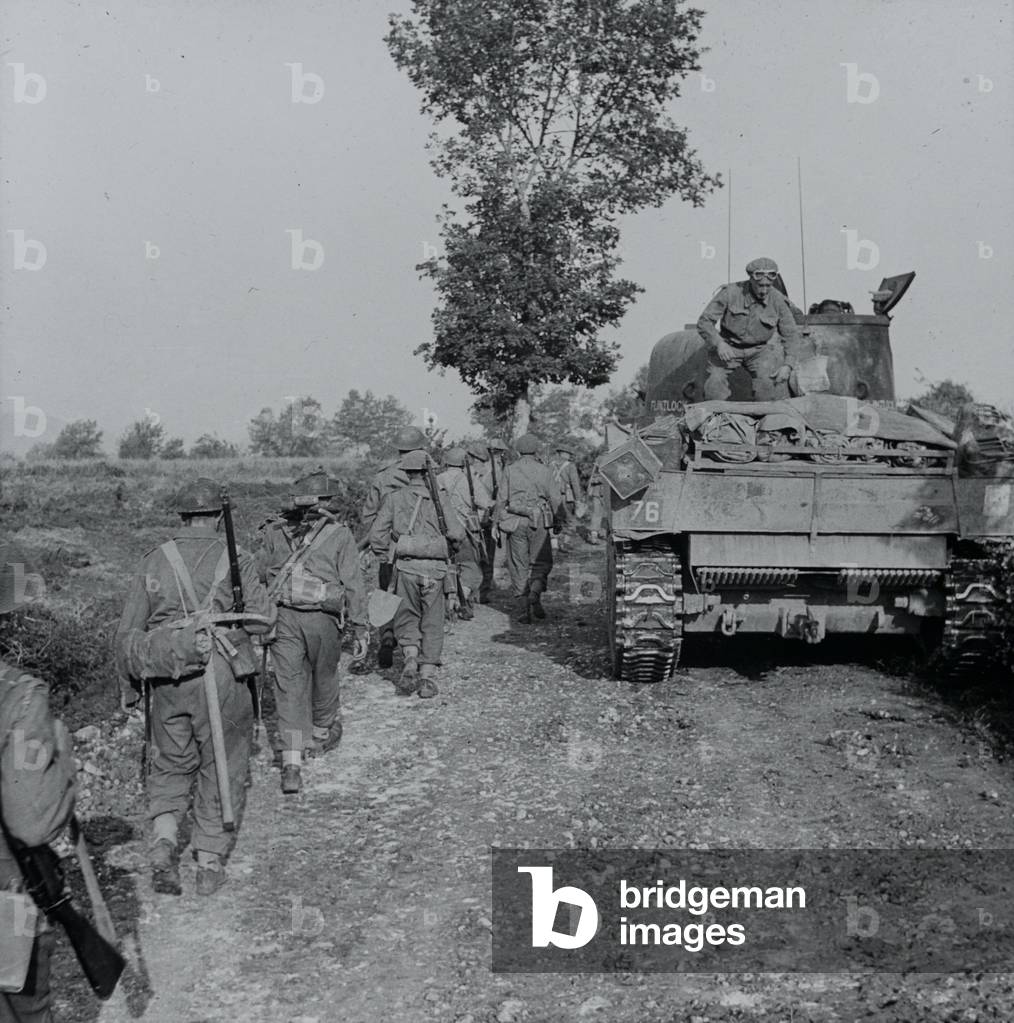
Infantry and tanks moving along a track towards the Hitler Line, Italy, May 1944 (lantern slide)

NAM5922321: Infantry and tanks moving along a track towards the Hitler Line, Italy, May 1944 (lantern slide), Unknown photographer, (20th century) / Bridgeman Images

Aug. 08, 1953 - Raildway Strike In France: The great French railway walk-out virtually into a general strike last night. And as it began to paralyee the nation from the Channel coast to the Riviera thousands more tourists were stranded, the British Embassy in Paris was forced top organise an emergency get-home service in Army buses, and Whitehall agreed to release extra France for spent -out holidaymakers to buy food and shelter. Hardly a main-line train ran in France all day

ZUM4868368: Aug. 08, 1953 - Raildway Strike In France: The great French railway walk-out virtually into a general strike last night. And as it began to paralyee the nation from the Channel coast to the Riviera thousands more tourists were stranded, the British Embassy in Paris was forced top organise an emergency get-home service in Army buses, and Whitehall agreed to release extra France for spent -out holidaymakers to buy food and shelter. Hardly a main-line train ran in France all day / Bridgeman Images
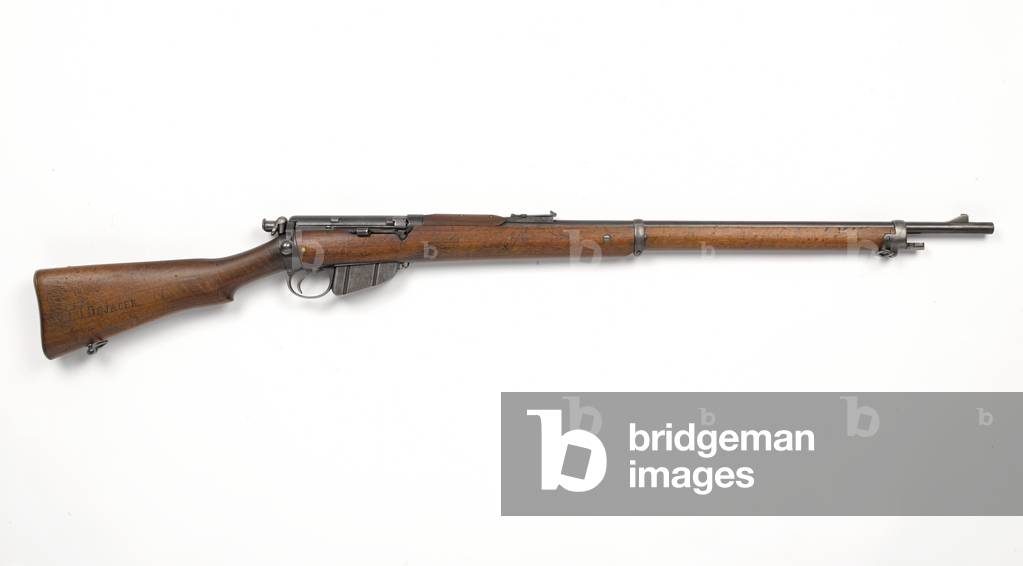
Lee-Metford Mk II .303 inch rifle, Boer forces, c.1901 (rifle, bolt action, Lee Metford, .303 in Mk II)

NAM5930033: Lee-Metford Mk II .303 inch rifle, Boer forces, c.1901 (rifle, bolt action, Lee Metford, .303 in Mk II), English School, (20th century) / Bridgeman Images

Old Mr. Turveydrop, from 'Bleak House', 1923 (colour litho)

KDC465780: Old Mr. Turveydrop, from 'Bleak House', 1923 (colour litho), Clarke, Joseph Clayton (Kyd) (1856-1937) / Bridgeman Images
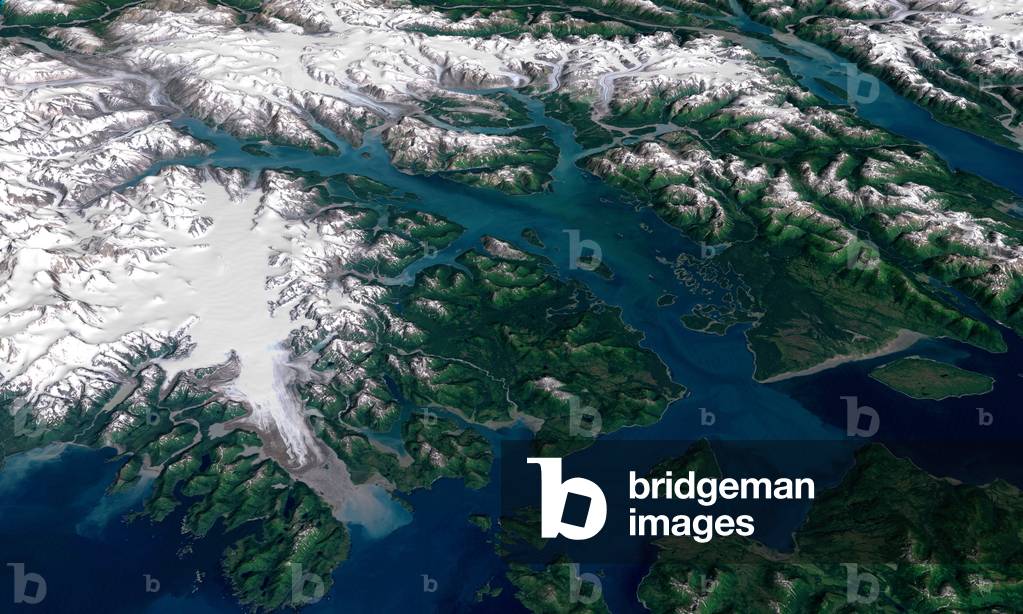
Glacier Bay, Alaska - Glacier Bay in Alaska - Glacier Bay from perspective. This image is the result of joint observations made by the Landsat-7 satellite in visible and infrared, combined with elevation radar data obtained by the Shuttle Radar Topography Mission (SRTM) in February 2000. At the bottom left of the picture, the Brady Glacier. Glacier Bay National Park and Preserve lies on the Pacific Coast of Alaska south of the St. Elias mountain range. The bay was set aside as a National Monument in 1925 and became its current National Park and Preserve in 1980, when approximately 85 percent of the park was designated a Wilderness Area. It has since been recognized as a UN Biosphere Reserve, in 1986, and a World Heritage Site, in 1992. The water in the foreground in the southwest (bottom left) corner of the image is the Gulf of Alaska, with Icy Strait running roughly west to east (horizontally) in from Cape Spencer where the strait meets the Pacific. The foreground glacier is the Brady Glacier. The light gray feature at the foot of the glacier is fine silt dropped by the glacier as it melts. The glacier's meltwater washes the silt into the Strait, coloring the shallow waters light blue as the silt mixes. The long finger of water dominating the entire scene is Glacier Bay itself. The Grand Pacific Glacier now terminates well above Tar Inlet, the finger of water stretching furthermost north (up) at the top of Glacier Bay. The first major inlet on the east (right) coming up from the mouth of Glacier Bay is Muir Inlet. The glaciers feeding into the bay terminated here around 1860. The body of water paralleling the Bay on the eastern edge is Lynn Canal, a body of water also draining into Icy Strait beyond the eastern boundary of the park. This image is a visualization created by merging imagery from the Landsat 7 satellite's Enhanced Thematic Mapper Plus (ETM +) instrument with elevation data from the USGS National Elevation Dataset (NED). This true - color imag

PIX4672471: Glacier Bay, Alaska - Glacier Bay in Alaska - Glacier Bay from perspective. This image is the result of joint observations made by the Landsat-7 satellite in visible and infrared, combined with elevation radar data obtained by the Shuttle Radar Topography Mission (SRTM) in February 2000. At the bottom left of the picture, the Brady Glacier. Glacier Bay National Park and Preserve lies on the Pacific Coast of Alaska south of the St. Elias mountain range. The bay was set aside as a National Monument in 1925 and became its current National Park and Preserve in 1980, when approximately 85 percent of the park was designated a Wilderness Area. It has since been recognized as a UN Biosphere Reserve, in 1986, and a World Heritage Site, in 1992. The water in the foreground in the southwest (bottom left) corner of the image is the Gulf of Alaska, with Icy Strait running roughly west to east (horizontally) in from Cape Spencer where the strait meets the Pacific. The foreground glacier is the Brady Glacier. The light gray feature at the foot of the glacier is fine silt dropped by the glacier as it melts. The glacier's meltwater washes the silt into the Strait, coloring the shallow waters light blue as the silt mixes. The long finger of water dominating the entire scene is Glacier Bay itself. The Grand Pacific Glacier now terminates well above Tar Inlet, the finger of water stretching furthermost north (up) at the top of Glacier Bay. The first major inlet on the east (right) coming up from the mouth of Glacier Bay is Muir Inlet. The glaciers feeding into the bay terminated here around 1860. The body of water paralleling the Bay on the eastern edge is Lynn Canal, a body of water also draining into Icy Strait beyond the eastern boundary of the park. This image is a visualization created by merging imagery from the Landsat 7 satellite's Enhanced Thematic Mapper Plus (ETM +) instrument with elevation data from the USGS National Elevation Dataset (NED). This true - color imag / Bridgeman Images

W. Somerset Maugham, 1955 (photo)

MGP617544: W. Somerset Maugham, 1955 (photo), Gerson, Mark / Bridgeman Images

An Afghan Sirdar [officer] and a British soldier, c.1841  (w/c)

NAM5929352: An Afghan Sirdar [officer] and a British soldier, c.1841 (w/c), Unknown Artist, (19th century) / Bridgeman Images

Mars: crater in Myers Valles - Mars: crater in Myers Valles - Mamers Valles is a valley about 1000 km long located in the region of Deuteronilus Mensae, north of Arabia Terra. The image obtained by the Mars Express probe on 5 August 2006 shows a crater at the end of this valley. This circular formation measures about thirty kilometres in diameter and is 1400 metres deep. There are traces of flow of material probably composed of water ice, similar to the relief left by the passage of glaciers on Earth. The darker area could be caused by local erosion or wind-driven material. The High - Resolution Stereo Camera (HRSC) onboard the ESA spacecraft Mars Express obtained images focusing on a depression that displays a crater at the end of the long, winding valley, Mamers Valles. The data was obtained on 5 August 2006 with a ground resolution of approximately 14 m/per pixel. The image is centred at approximately 39* north and 17* east on the planet. The valley of Mamers Valles is approximately 1000 km long, running along the boundary between the northern lowlands and southern highlands in the region of Deuteronilus Mensae. This region shows numerous deep and wide labyrinth - like valleys and circular depressions which often show structures formed by flowing liquid on their even floors. The structures formed by the flows are thought to be ice - rich debris flows. They show some resemblance to block glaciers seen on Earth. The patches of rock at the centre of the depression are thought to be remnants of rock detached from the flanks of the depression and transported into its centre. The wrinkle ridges, are formed by compressive forces acting on the surface. The dark coloured material inside the crater could have formed in - situ or was transported by the wind. The depression is approximately 30 km wide and 1400 m deep

PIX4616083: Mars: crater in Myers Valles - Mars: crater in Myers Valles - Mamers Valles is a valley about 1000 km long located in the region of Deuteronilus Mensae, north of Arabia Terra. The image obtained by the Mars Express probe on 5 August 2006 shows a crater at the end of this valley. This circular formation measures about thirty kilometres in diameter and is 1400 metres deep. There are traces of flow of material probably composed of water ice, similar to the relief left by the passage of glaciers on Earth. The darker area could be caused by local erosion or wind-driven material. The High - Resolution Stereo Camera (HRSC) onboard the ESA spacecraft Mars Express obtained images focusing on a depression that displays a crater at the end of the long, winding valley, Mamers Valles. The data was obtained on 5 August 2006 with a ground resolution of approximately 14 m/per pixel. The image is centred at approximately 39* north and 17* east on the planet. The valley of Mamers Valles is approximately 1000 km long, running along the boundary between the northern lowlands and southern highlands in the region of Deuteronilus Mensae. This region shows numerous deep and wide labyrinth - like valleys and circular depressions which often show structures formed by flowing liquid on their even floors. The structures formed by the flows are thought to be ice - rich debris flows. They show some resemblance to block glaciers seen on Earth. The patches of rock at the centre of the depression are thought to be remnants of rock detached from the flanks of the depression and transported into its centre. The wrinkle ridges, are formed by compressive forces acting on the surface. The dark coloured material inside the crater could have formed in - situ or was transported by the wind. The depression is approximately 30 km wide and 1400 m deep / Bridgeman Images

Miners' Cottages in Disused Slate Quarry, Dinorwic Quarry (now Padarn Country Park), Llanberis,
Snowdonia, Gwynedd, North Wales, UK (photo)
Miners' Cottages in Disused Slate Quarry, Dinorwic Quarry (now Padarn Country Park), Llanberis,
Snowdonia, Gwynedd, North Wales, UK (photo)

POV1202434: Miners' Cottages in Disused Slate Quarry, Dinorwic Quarry (now Padarn Country Park), Llanberis, Snowdonia, Gwynedd, North Wales, UK (photo) / Bridgeman Images
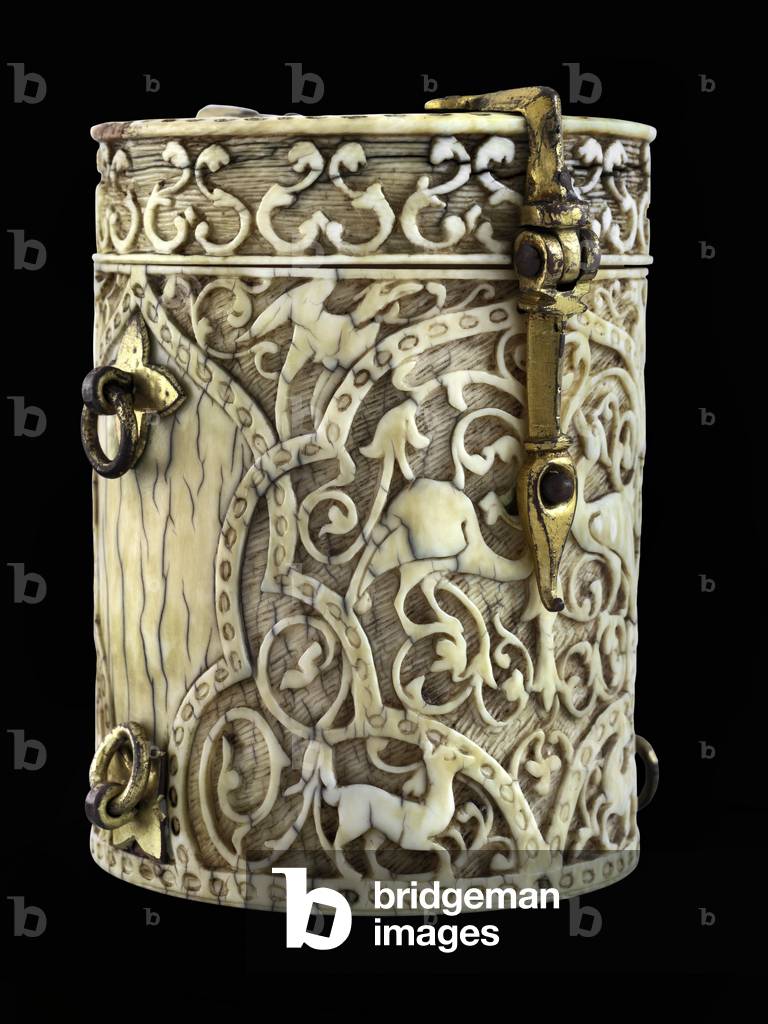
islamic art-cylindrical box-carved ivory-inv.n.15443-Sicily 12th century-MIA - 08 07 09 058

VIS693452: islamic art-cylindrical box-carved ivory-inv.n.15443-Sicily 12th century-MIA - 08 07 09 058 / Bridgeman Images
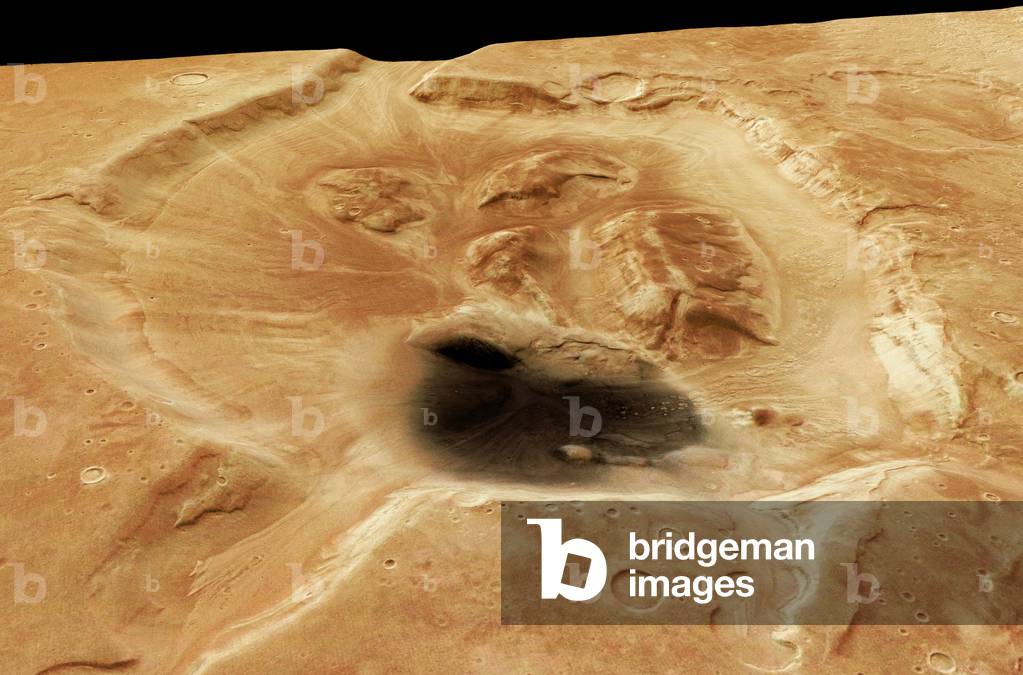
Mars: crater in Myers Valles - Mars: crater in Myers Valles - Mamers Valles is a valley about 1000 km long located in the region of Deuteronilus Mensae, north of Arabia Terra. The image obtained by the Mars Express probe on 5 August 2006 shows a crater at the end of this valley. This circular formation measures about thirty kilometres in diameter and is 1400 metres deep. There are traces of flow of material probably composed of water ice, similar to the relief left by the passage of glaciers on Earth. The darker area could be caused by local erosion or wind-driven material. The High - Resolution Stereo Camera (HRSC) onboard the ESA spacecraft Mars Express obtained images focusing on a depression that displays a crater at the end of the long, winding valley, Mamers Valles. The data was obtained on 5 August 2006 with a ground resolution of approximately 14 m/per pixel. The image is centred at approximately 39* north and 17* east on the planet. The valley of Mamers Valles is approximately 1000 km long, running along the boundary between the northern lowlands and southern highlands in the region of Deuteronilus Mensae. This region shows numerous deep and wide labyrinth - like valleys and circular depressions which often show structures formed by flowing liquid on their even floors. The structures formed by the flows are thought to be ice - rich debris flows. They show some resemblance to block glaciers seen on Earth. The patches of rock at the centre of the depression are thought to be remnants of rock detached from the flanks of the depression and transported into its centre. The wrinkle ridges, are formed by compressive forces acting on the surface. The dark coloured material inside the crater could have formed in - situ or was transported by the wind. The depression is approximately 30 km wide and 1400 m deep

PIX4616090: Mars: crater in Myers Valles - Mars: crater in Myers Valles - Mamers Valles is a valley about 1000 km long located in the region of Deuteronilus Mensae, north of Arabia Terra. The image obtained by the Mars Express probe on 5 August 2006 shows a crater at the end of this valley. This circular formation measures about thirty kilometres in diameter and is 1400 metres deep. There are traces of flow of material probably composed of water ice, similar to the relief left by the passage of glaciers on Earth. The darker area could be caused by local erosion or wind-driven material. The High - Resolution Stereo Camera (HRSC) onboard the ESA spacecraft Mars Express obtained images focusing on a depression that displays a crater at the end of the long, winding valley, Mamers Valles. The data was obtained on 5 August 2006 with a ground resolution of approximately 14 m/per pixel. The image is centred at approximately 39* north and 17* east on the planet. The valley of Mamers Valles is approximately 1000 km long, running along the boundary between the northern lowlands and southern highlands in the region of Deuteronilus Mensae. This region shows numerous deep and wide labyrinth - like valleys and circular depressions which often show structures formed by flowing liquid on their even floors. The structures formed by the flows are thought to be ice - rich debris flows. They show some resemblance to block glaciers seen on Earth. The patches of rock at the centre of the depression are thought to be remnants of rock detached from the flanks of the depression and transported into its centre. The wrinkle ridges, are formed by compressive forces acting on the surface. The dark coloured material inside the crater could have formed in - situ or was transported by the wind. The depression is approximately 30 km wide and 1400 m deep / Bridgeman Images
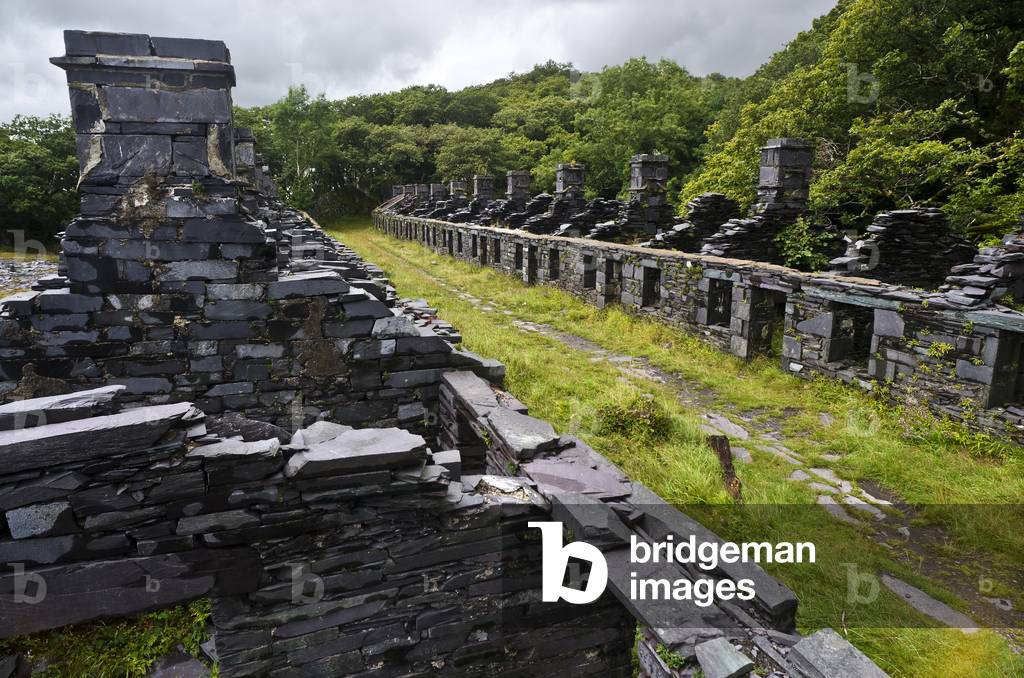
Miners' Cottages in Disused Slate Quarry, Dinorwic Quarry (now Padarn Country Park), Llanberis,
Snowdonia, Gwynedd, North Wales, UK (photo)
Miners' Cottages in Disused Slate Quarry, Dinorwic Quarry (now Padarn Country Park), Llanberis,
Snowdonia, Gwynedd, North Wales, UK (photo)

POV1202443: Miners' Cottages in Disused Slate Quarry, Dinorwic Quarry (now Padarn Country Park), Llanberis, Snowdonia, Gwynedd, North Wales, UK (photo) / Bridgeman Images
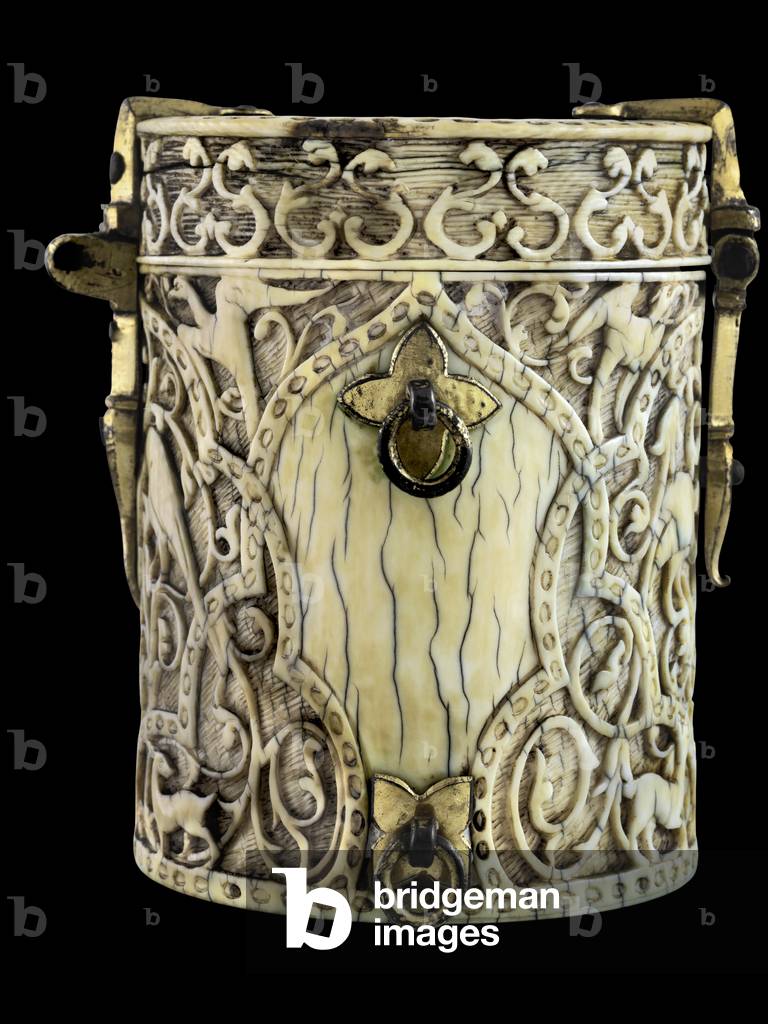
islamic art-cylindrical box-carved ivory-inv.n.15443-Sicily 12th century-MIA - 08 07 09 063

VIS693446: islamic art-cylindrical box-carved ivory-inv.n.15443-Sicily 12th century-MIA - 08 07 09 063 / Bridgeman Images

Window card for 'The King and I', c.1951-54 (colour litho)

NYL1641765: Window card for 'The King and I', c.1951-54 (colour litho) / Bridgeman Images
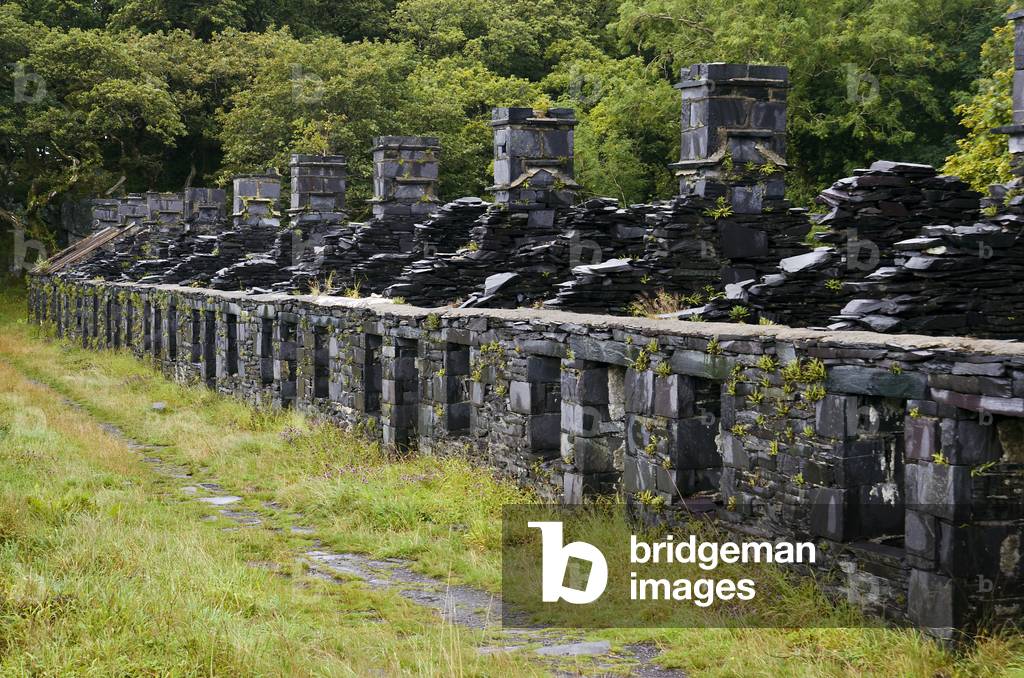
Miners' Cottages in Disused Slate Quarry, Dinorwic Quarry (now Padarn Country Park), Llanberis,
Snowdonia, Gwynedd, North Wales, UK (photo)
Miners' Cottages in Disused Slate Quarry, Dinorwic Quarry (now Padarn Country Park), Llanberis,
Snowdonia, Gwynedd, North Wales, UK (photo)

POV1202435: Miners' Cottages in Disused Slate Quarry, Dinorwic Quarry (now Padarn Country Park), Llanberis, Snowdonia, Gwynedd, North Wales, UK (photo) / Bridgeman Images

Coronation, 1905 (oil on canvas)

MAA2956768: Coronation, 1905 (oil on canvas), Wardle, Arthur (1864-1949) / Bridgeman Images
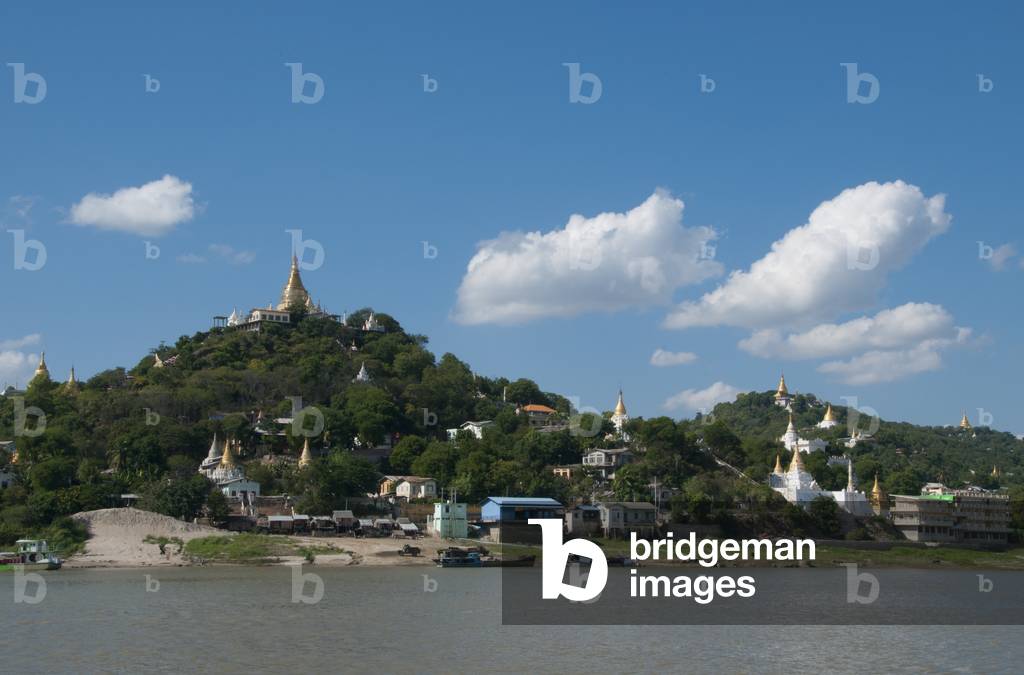
Burma / Myanmar: Pagodas at Sagaing seen from the Irrawaddy / Ayeyarwady River, near Mandalay

PFH2561353: Burma / Myanmar: Pagodas at Sagaing seen from the Irrawaddy / Ayeyarwady River, near Mandalay / Bridgeman Images
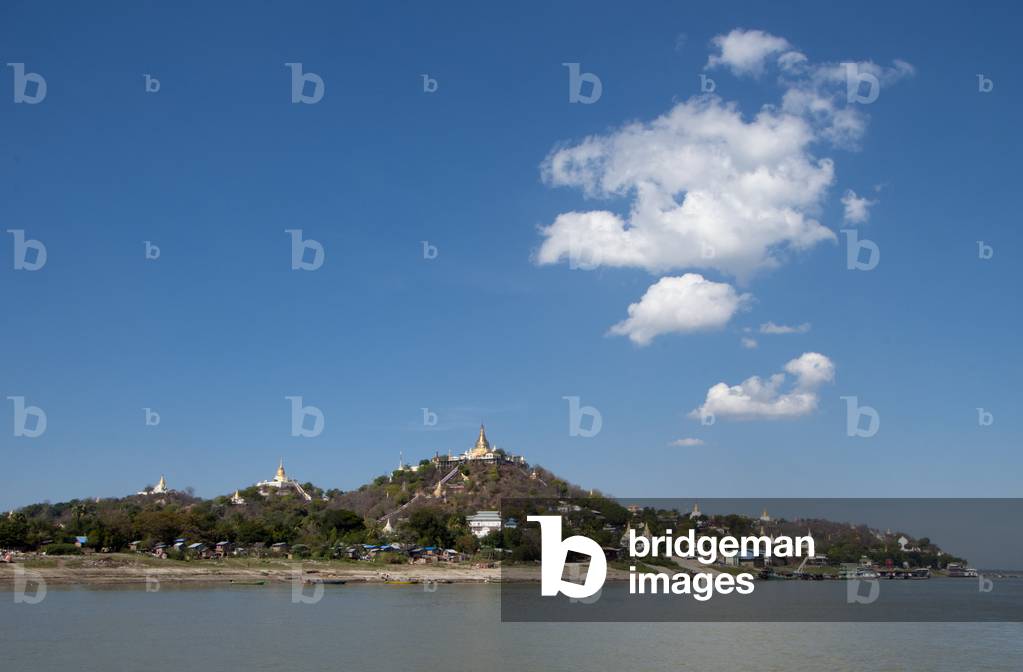
Burma / Myanmar: Pagodas at Sagaing seen from the Irrawaddy / Ayeyarwady River, near Mandalay

PFH2561434: Burma / Myanmar: Pagodas at Sagaing seen from the Irrawaddy / Ayeyarwady River, near Mandalay / Bridgeman Images
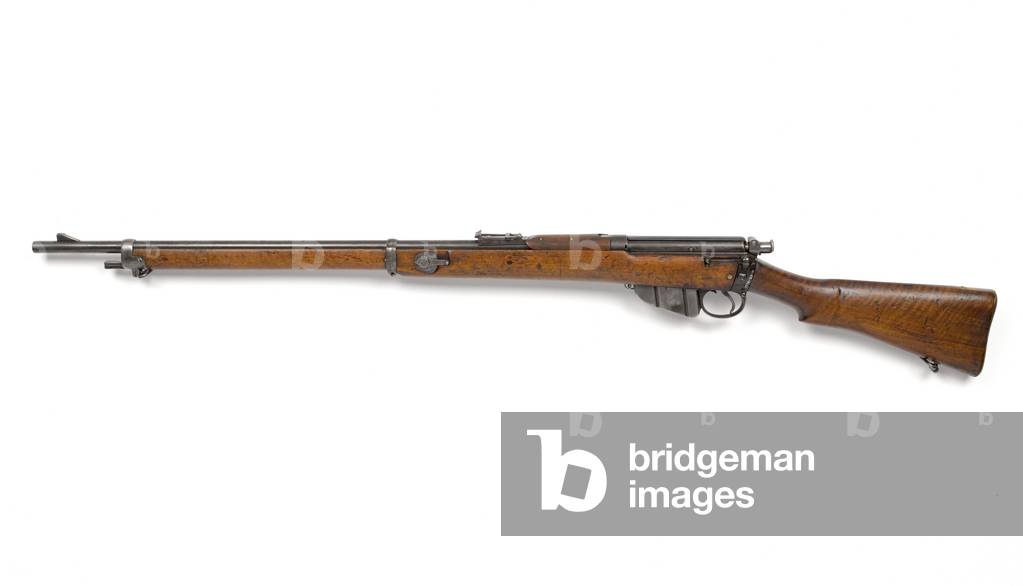
Lee-Metford Mk II .303 inch rifle, Boer forces, c.1901 (rifle, bolt action, Lee Metford, .303 in Mk II)

NAM5930034: Lee-Metford Mk II .303 inch rifle, Boer forces, c.1901 (rifle, bolt action, Lee Metford, .303 in Mk II), English School, (20th century) / Bridgeman Images
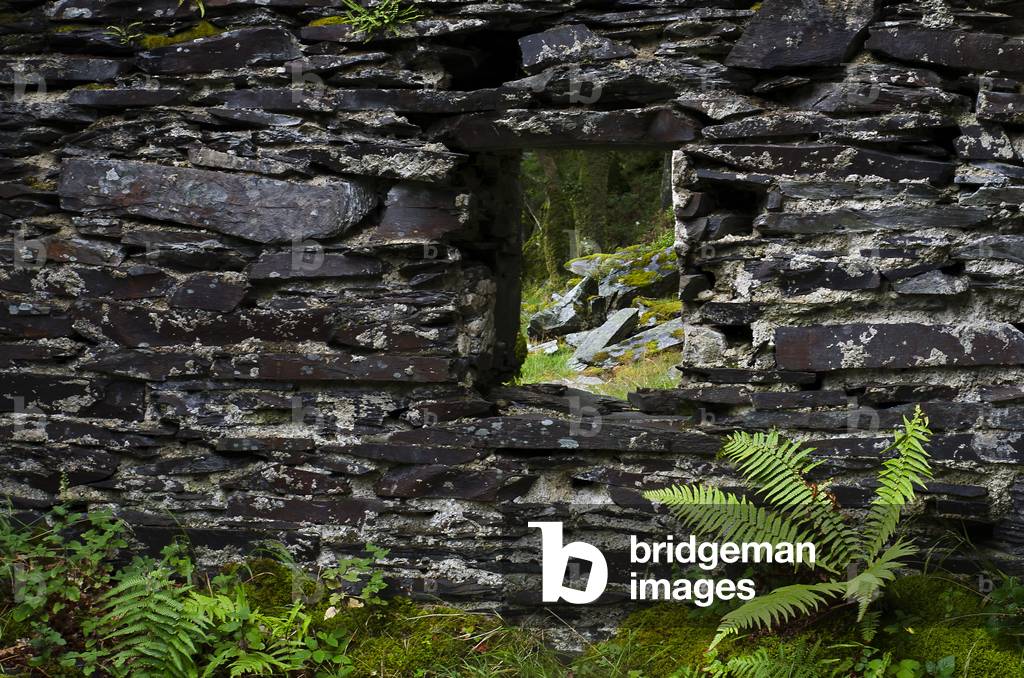
Wall and Window in Delerict Miner's Cottage, Dinorwic Quarry (now Padarn Country Park), Llanberis,
Snowdonia, Gwynedd, North Wales, UK (photo)
Wall and Window in Delerict Miner's Cottage, Dinorwic Quarry (now Padarn Country Park), Llanberis,
Snowdonia, Gwynedd, North Wales, UK (photo)

POV1202444: Wall and Window in Delerict Miner's Cottage, Dinorwic Quarry (now Padarn Country Park), Llanberis, Snowdonia, Gwynedd, North Wales, UK (photo) / Bridgeman Images
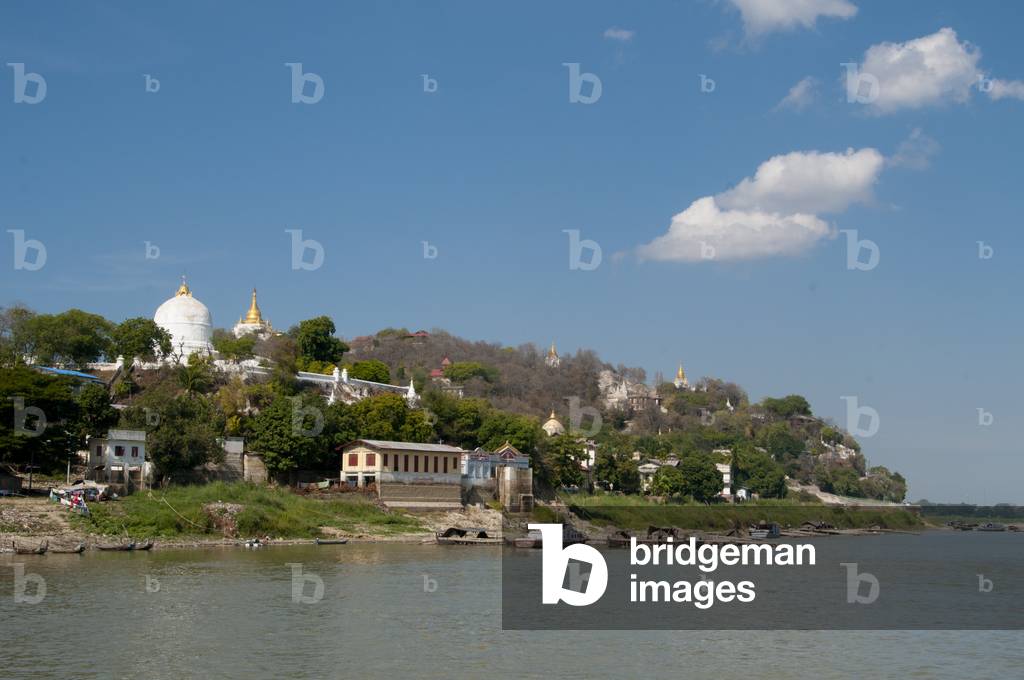
Burma / Myanmar: Pagodas at Sagaing seen from the Irrawaddy / Ayeyarwady River, near Mandalay

PFH2561406: Burma / Myanmar: Pagodas at Sagaing seen from the Irrawaddy / Ayeyarwady River, near Mandalay / Bridgeman Images
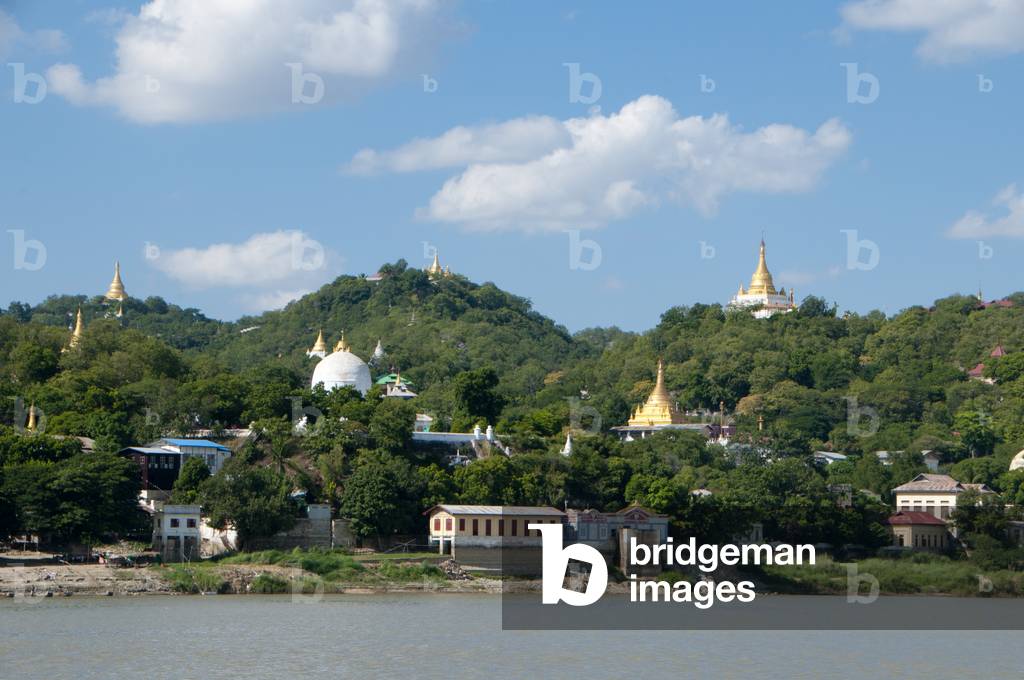
Burma / Myanmar: Pagodas at Sagaing seen from the Irrawaddy / Ayeyarwady River, near Mandalay

PFH2561351: Burma / Myanmar: Pagodas at Sagaing seen from the Irrawaddy / Ayeyarwady River, near Mandalay / Bridgeman Images
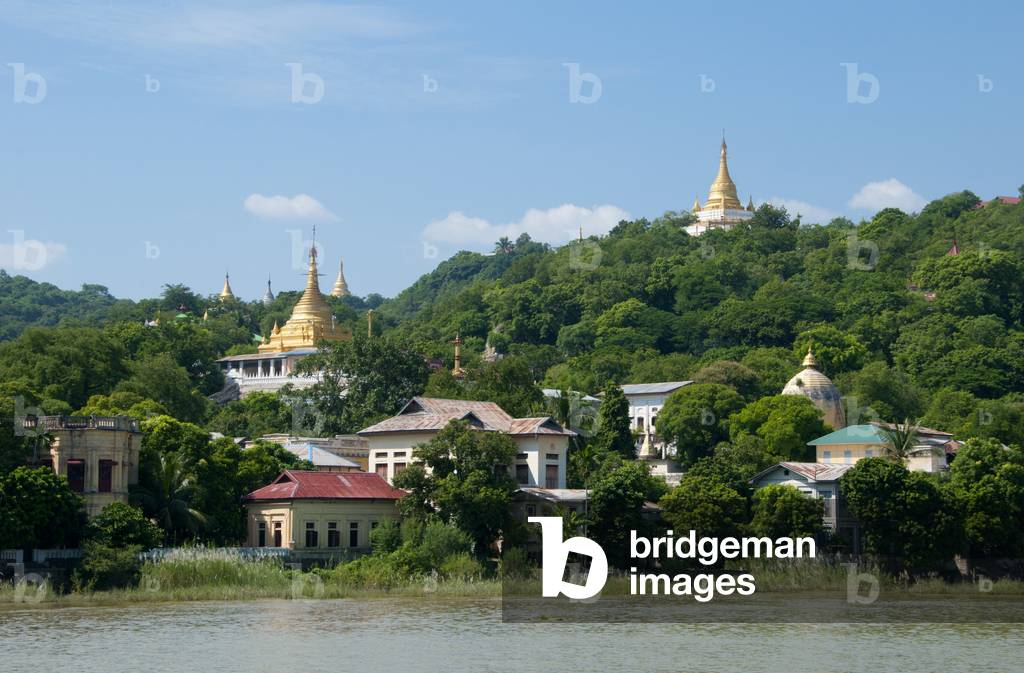
Burma / Myanmar: Pagodas at Sagaing seen from the Irrawaddy / Ayeyarwady River, near Mandalay

PFH2561369: Burma / Myanmar: Pagodas at Sagaing seen from the Irrawaddy / Ayeyarwady River, near Mandalay / Bridgeman Images
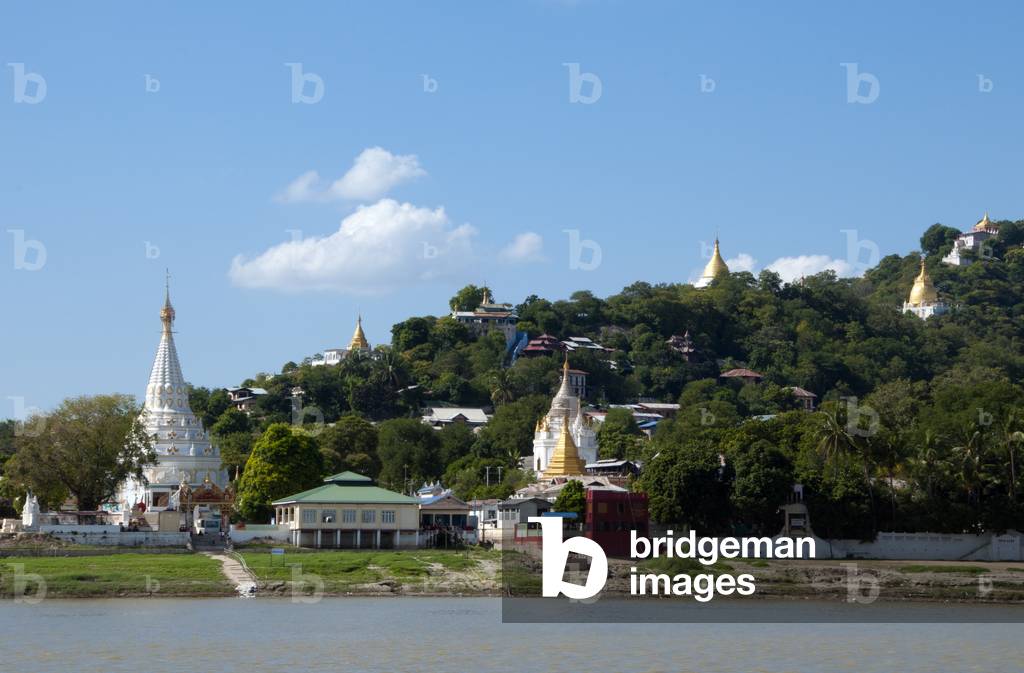
Burma / Myanmar: Pagodas at Sagaing seen from the Irrawaddy / Ayeyarwady River, near Mandalay

PFH2561350: Burma / Myanmar: Pagodas at Sagaing seen from the Irrawaddy / Ayeyarwady River, near Mandalay / Bridgeman Images
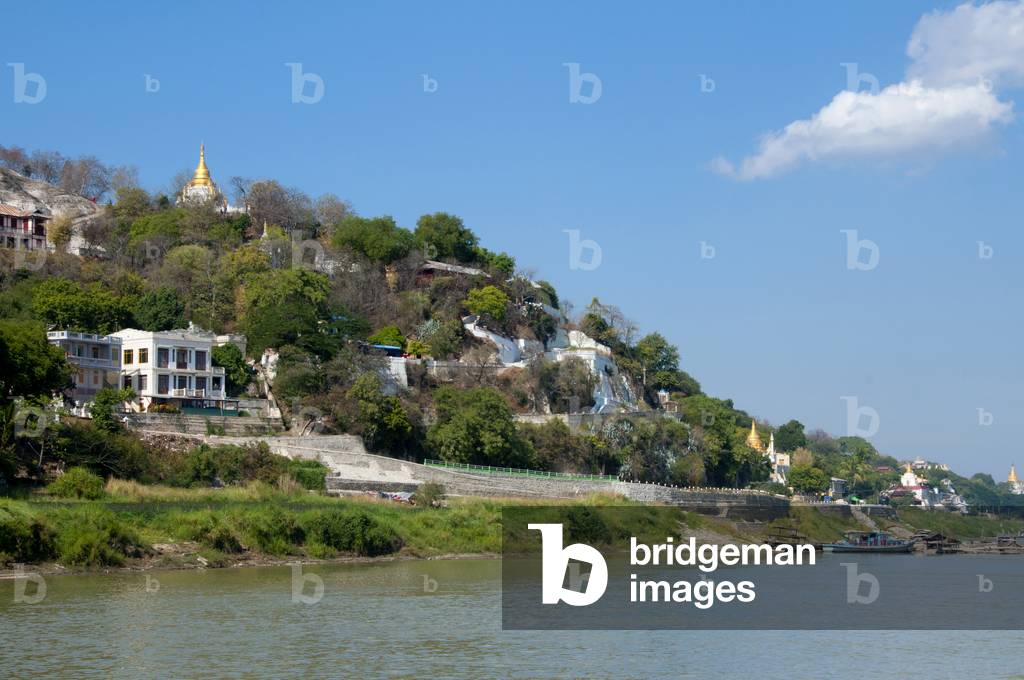
Burma / Myanmar: Pagodas at Sagaing seen from the Irrawaddy / Ayeyarwady River, near Mandalay

PFH2561404: Burma / Myanmar: Pagodas at Sagaing seen from the Irrawaddy / Ayeyarwady River, near Mandalay / Bridgeman Images
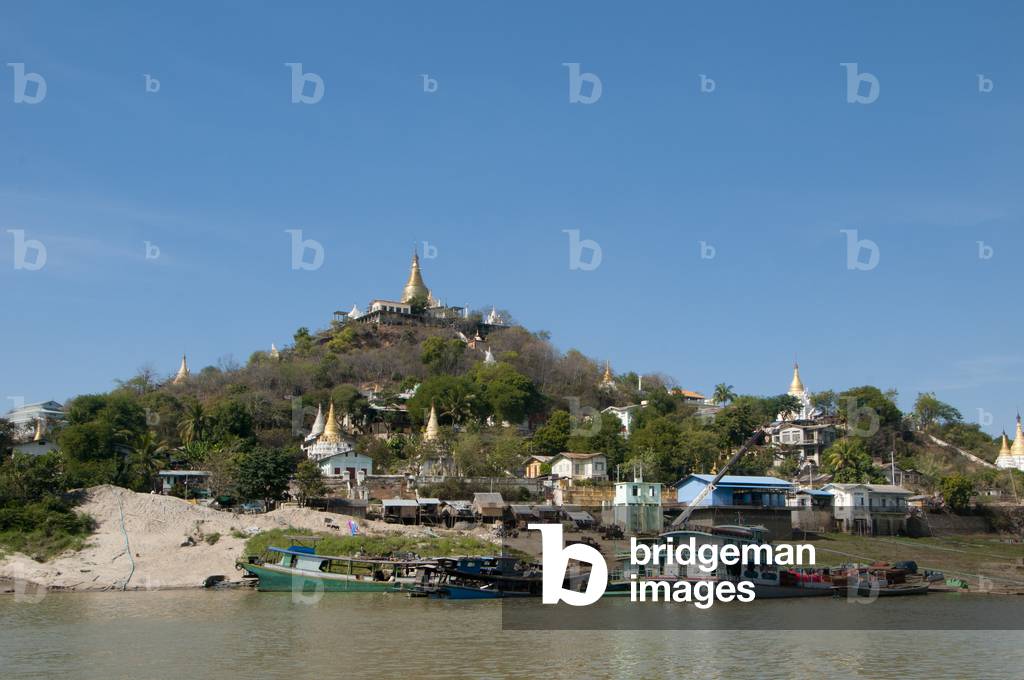
Burma / Myanmar: Pagodas at Sagaing seen from the Irrawaddy / Ayeyarwady River, near Mandalay

PFH2561437: Burma / Myanmar: Pagodas at Sagaing seen from the Irrawaddy / Ayeyarwady River, near Mandalay / Bridgeman Images
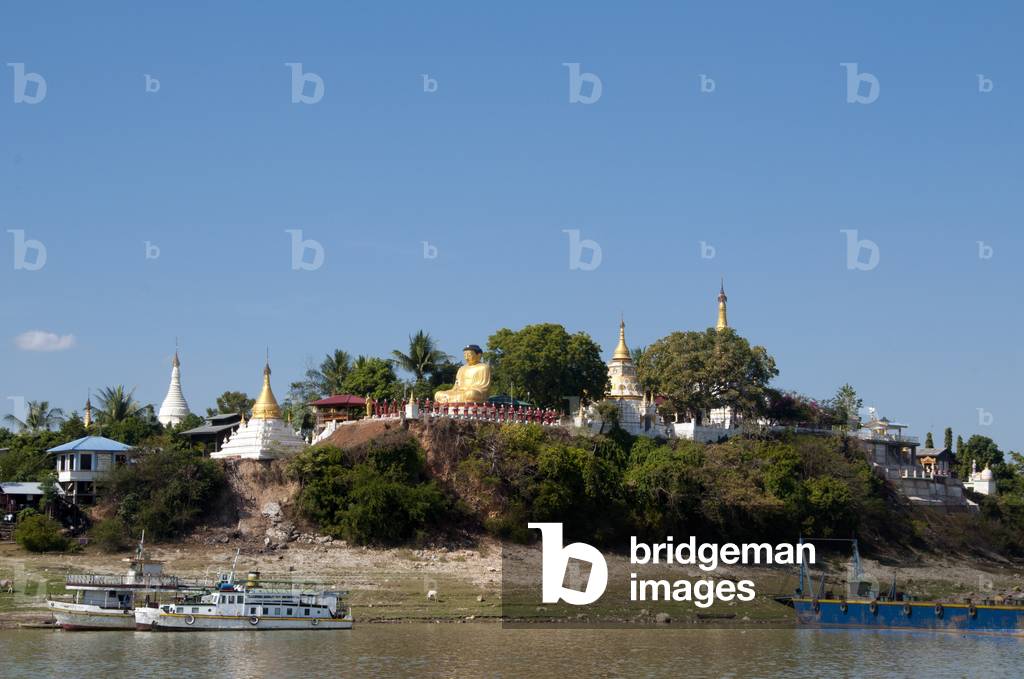
Burma / Myanmar: A large seated Buddha and pagodas at Sagaing seen from the Irrawaddy / Ayeyarwady River, near Mandalay

PFH2561435: Burma / Myanmar: A large seated Buddha and pagodas at Sagaing seen from the Irrawaddy / Ayeyarwady River, near Mandalay / Bridgeman Images

Sir Harry Fetherstonhaugh, 2nd Bt MP (1754-1846) as a Boy

USB1159344: Sir Harry Fetherstonhaugh, 2nd Bt MP (1754-1846) as a Boy, Dance, Nathaniel (1735-1811) / Bridgeman Images

Lee-Metford Mk II .303 inch rifle, Boer forces, 1901 circa

NAM5920742: Lee-Metford Mk II .303 inch rifle, Boer forces, 1901 circa, English School, (19th century) / Bridgeman Images
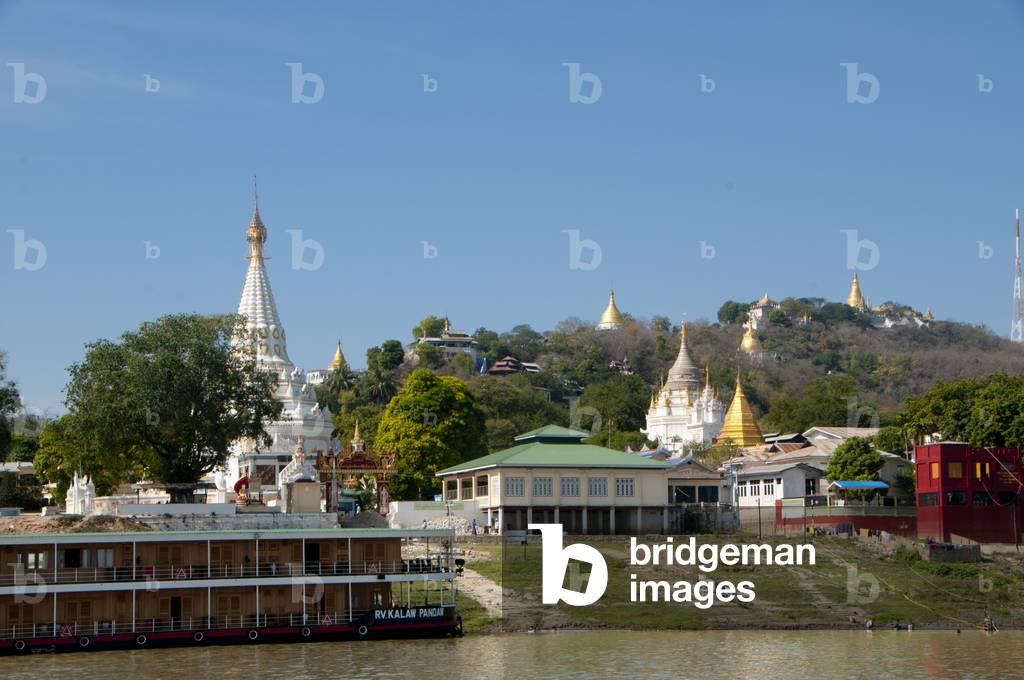
Burma / Myanmar: Pagodas at Sagaing seen from the Irrawaddy / Ayeyarwady River, near Mandalay

PFH2561408: Burma / Myanmar: Pagodas at Sagaing seen from the Irrawaddy / Ayeyarwady River, near Mandalay / Bridgeman Images
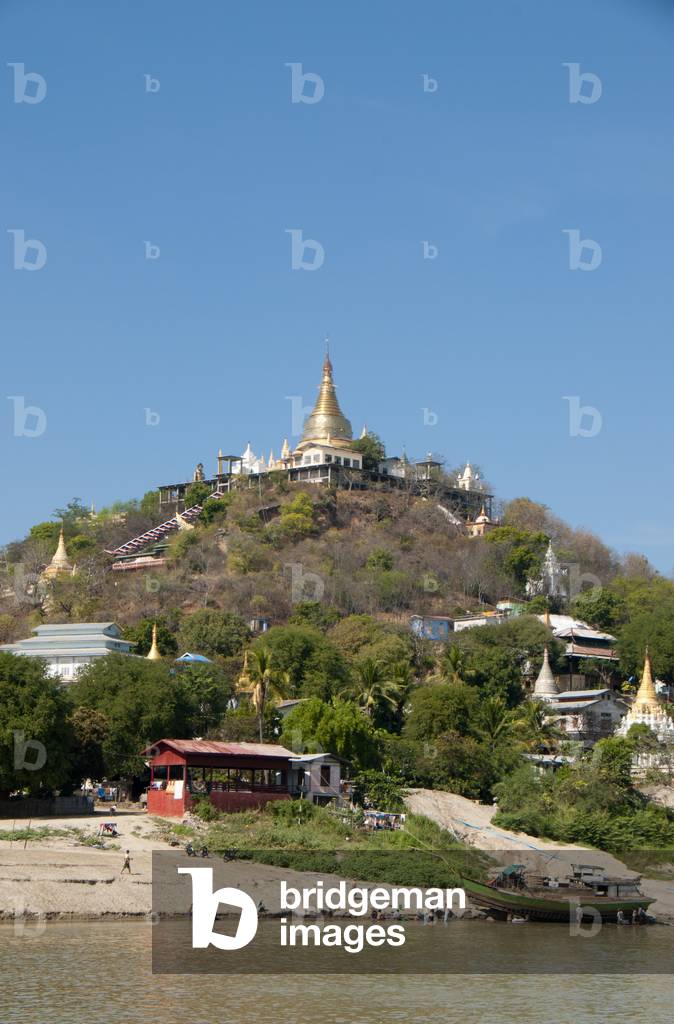
Burma / Myanmar: Pagodas at Sagaing seen from the Irrawaddy / Ayeyarwady River, near Mandalay

PFH2561432: Burma / Myanmar: Pagodas at Sagaing seen from the Irrawaddy / Ayeyarwady River, near Mandalay / Bridgeman Images
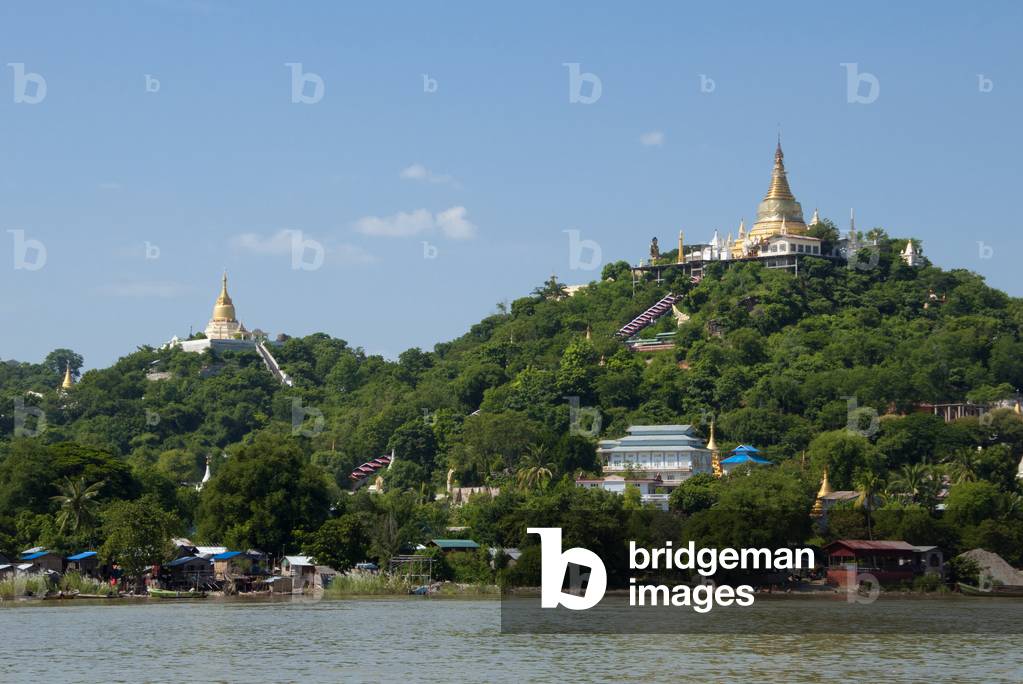
Burma / Myanmar: Pagodas at Sagaing seen from the Irrawaddy / Ayeyarwady River, near Mandalay

PFH2561401: Burma / Myanmar: Pagodas at Sagaing seen from the Irrawaddy / Ayeyarwady River, near Mandalay / Bridgeman Images


Back to top