Search options

Orientation
Colour

Display options

View

Print

To print search results, use print friendly version of this page.

5207 Search Results for running
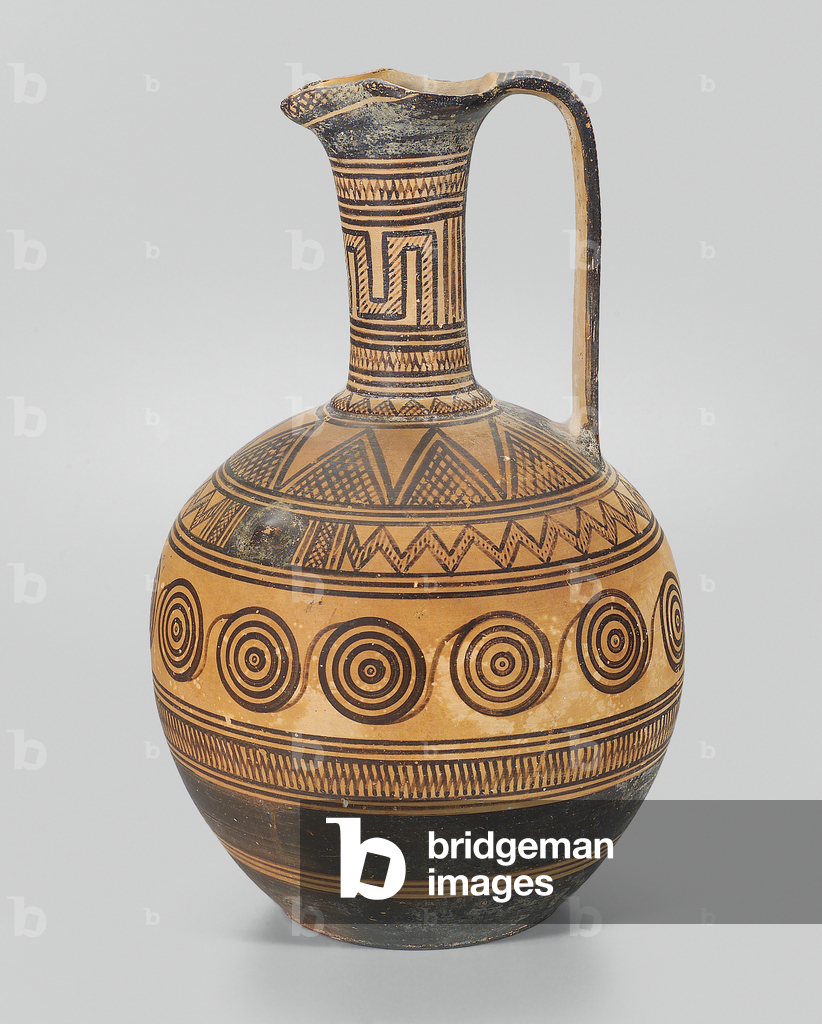
Pitcher (oinochoe), Late Geometric Period, 740–730 BC (ceramic)

BST5916515: Pitcher (oinochoe), Late Geometric Period, 740–730 BC (ceramic), Greek school, (8th century BC) / Bridgeman Images

Haughty Prussians with machine guns captured by 'Old Contemptibles' in our advance at Pozieres', 1916 (b/w photo)

NAM5929456: Haughty Prussians with machine guns captured by 'Old Contemptibles' in our advance at Pozieres', 1916 (b/w photo), Unknown photographer, (20th century) / Bridgeman Images

A Dappled Grey Hunter called 'Spangle' and a Terrier called 'Reveller'

USB1161111: A Dappled Grey Hunter called 'Spangle' and a Terrier called 'Reveller', Ferneley, John E. (1782-1860) / Bridgeman Images
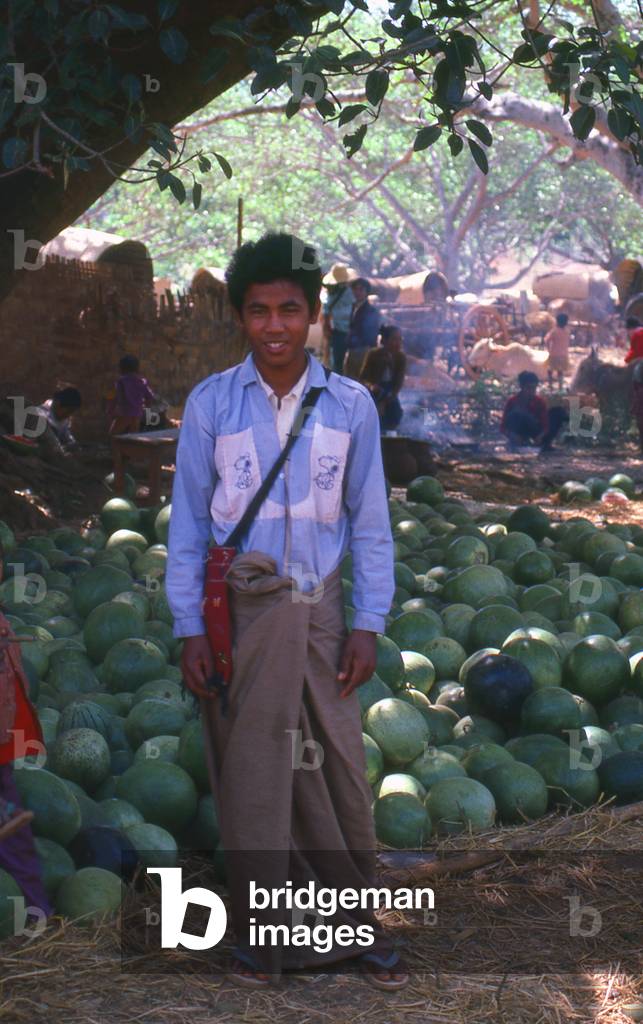
Burma / Myanmar: Watermelon seller near Pindaya, Shan State

PFH1178682: Burma / Myanmar: Watermelon seller near Pindaya, Shan State / Bridgeman Images

Ornamental band, by Giotto, 1303-1305, 14th century (fresco)

MEP1266566: Ornamental band, by Giotto, 1303-1305, 14th century (fresco), Giotto (Giotto di Bondone) (c.1266-1337) / Bridgeman Images

Haughty Prussians with machine guns captured by 'Old Contemptibles' in our advance at Pozieres', 1916 (b/w photo)

NAM5924330: Haughty Prussians with machine guns captured by 'Old Contemptibles' in our advance at Pozieres', 1916 (b/w photo), Unknown photographer, (20th century) / Bridgeman Images

The Jews the world over love liberty, 1914-18 (colour litho)

GBW699022: The Jews the world over love liberty, 1914-18 (colour litho), Canadian School, (20th century) / Bridgeman Images

Summer Landscape with a Cottage and a Traveller on a Road

USB1160228: Summer Landscape with a Cottage and a Traveller on a Road, English School, (19th century) / Bridgeman Images

Today at Chelsea Barracks, Stable Lads Boxing Association started their annual championship, November 1969 (b/w photo)

MPX5083238: Today at Chelsea Barracks, Stable Lads Boxing Association started their annual championship, November 1969 (b/w photo) / Bridgeman Images

Christmas decoration, 1930-60 (moulded plastic with painted decoration, crepe paper and net dress decorated with tinsel)

JEF3084501: Christmas decoration, 1930-60 (moulded plastic with painted decoration, crepe paper and net dress decorated with tinsel), English School, (20th century) / Bridgeman Images

Cluster of stars South Serpent - The Serpens South star cluster - Cluster of fifty very young stars (35 of which are still only proto - stars, stars in formation) observed by the Spitzer space telescope on 27 October 2006 in the constellation of the Serpent. Located only 848 years from Earth, this cluster of stars is completely masked by interstellar dust and is only revealed in infrared light. Red filaments in the background are organic molecules, PAH (aromatic polycyclic hydrocarbons composed of carbon atoms and hydrogen. In this image, Nasa's Spitzer Space Telescope spots the Serpens South star cluster, which consists of a relatively dense group of 50 young stars - - 35 of which are protostars, or stellar infants, that are just beginning to form. Stellar members of Serpens South star cluster can be seen as the green, yellow, and orange tinted specks sitting atop the black dust lane running down the center of the image. Like raindrops, stars form when thick patches of cosmic clouds condense. Tints of green in the image represent hot hydrogen gas excited when high - speed jets of gas ejected by infant stars collide with the cool gas in the surrounding cloud. Wisps of red in the background are organic molecules called polycyclic aromatic hydrocarbons (PAHS), which are being excited by stellar radiation from a neighboring star - forming region located to the east of this image, called W40. On Earth PAHS are found on charred barbeque grills and in the sooty automobile exhaust

PIX4569048: Cluster of stars South Serpent - The Serpens South star cluster - Cluster of fifty very young stars (35 of which are still only proto - stars, stars in formation) observed by the Spitzer space telescope on 27 October 2006 in the constellation of the Serpent. Located only 848 years from Earth, this cluster of stars is completely masked by interstellar dust and is only revealed in infrared light. Red filaments in the background are organic molecules, PAH (aromatic polycyclic hydrocarbons composed of carbon atoms and hydrogen. In this image, Nasa's Spitzer Space Telescope spots the Serpens South star cluster, which consists of a relatively dense group of 50 young stars - - 35 of which are protostars, or stellar infants, that are just beginning to form. Stellar members of Serpens South star cluster can be seen as the green, yellow, and orange tinted specks sitting atop the black dust lane running down the center of the image. Like raindrops, stars form when thick patches of cosmic clouds condense. Tints of green in the image represent hot hydrogen gas excited when high - speed jets of gas ejected by infant stars collide with the cool gas in the surrounding cloud. Wisps of red in the background are organic molecules called polycyclic aromatic hydrocarbons (PAHS), which are being excited by stellar radiation from a neighboring star - forming region located to the east of this image, called W40. On Earth PAHS are found on charred barbeque grills and in the sooty automobile exhaust / Bridgeman Images

Stele dedicated by Ptolemy V to the Bull Buchis, from the Bucheum at Armant (painted limestone)

SVA660316: Stele dedicated by Ptolemy V to the Bull Buchis, from the Bucheum at Armant (painted limestone), Egyptian Ptolemaic Period (332-30 BC) / Bridgeman Images
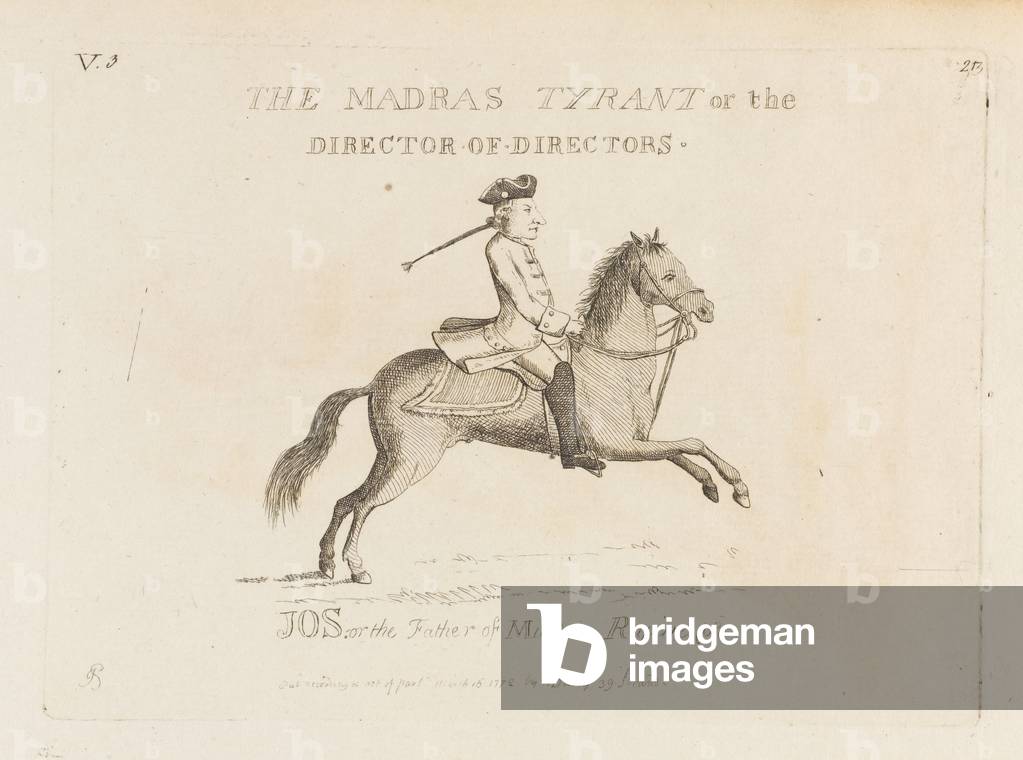
‘The Madras Tyrant, or the Director of Directors’ (etching)

NAM5925484: ‘The Madras Tyrant, or the Director of Directors’ (etching), Darly, Matthew or Matthias (fl.1741-78) / Bridgeman Images

An Advanced Dressing Station, August 1916 (lantern slide)

NAM5925425: An Advanced Dressing Station, August 1916 (lantern slide), Unknown photographer, (20th century) / Bridgeman Images

W. P. Hacker, importer and wholesale dealer in china, glass, queensware & fancy goods, No. 60, North Second Street, Philadelphia, printed by W.P. Hacker, c.1848 (litho)

LCP463844: W. P. Hacker, importer and wholesale dealer in china, glass, queensware & fancy goods, No. 60, North Second Street, Philadelphia, printed by W.P. Hacker, c.1848 (litho) , Rease, W. H. (19th century) / Bridgeman Images

USA: William Howard Taft (1857 – 1930) was the 27th President of the United States, serving from 1909 to 1913. Oil on canvas, Anders Zom (1860 -1920), 1911

PFH3277624: USA: William Howard Taft (1857 – 1930) was the 27th President of the United States, serving from 1909 to 1913. Oil on canvas, Anders Zom (1860 -1920), 1911 / Bridgeman Images

Attic lidded pyxis, Geometric Period, c. mid 8th century BC (terracotta)

CH3126449: Attic lidded pyxis, Geometric Period, c. mid 8th century BC (terracotta), Greek School, (18th century) / Bridgeman Images
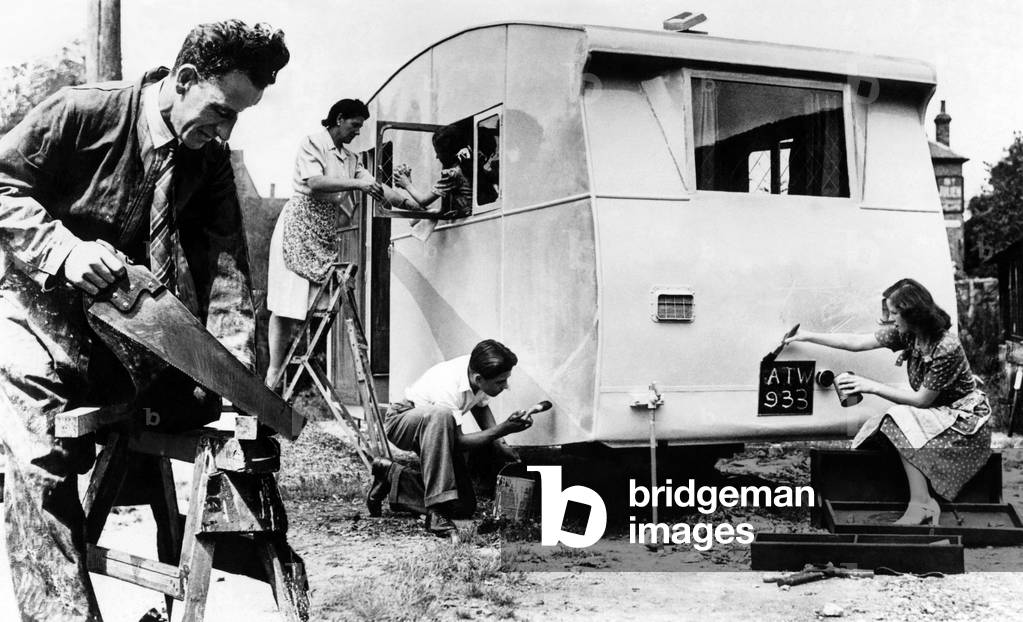
More than two years ago Mr. R.C. Mees of Southall, Middlesex, decided to build himself a caravan, 16th July 1947  (b/w photo)

MPX5074721: More than two years ago Mr. R.C. Mees of Southall, Middlesex, decided to build himself a caravan, 16th July 1947 (b/w photo) / Bridgeman Images

The Battle of the Saints, 12th April 1782, 6.30 p.m.: The ‘Ville de Paris’ striking her Colours

USB1160837: The Battle of the Saints, 12th April 1782, 6.30 p.m.: The ‘Ville de Paris’ striking her Colours, Luny, Thomas (1759-1837) / Bridgeman Images

The Insolence of Office, illustration from 'Fashionable Bores or Coolers in High Life' by Peter Quiz, pub. Thomas McLean, London 1824 (hand-coloured engraving)

STC939115: The Insolence of Office, illustration from 'Fashionable Bores or Coolers in High Life' by Peter Quiz, pub. Thomas McLean, London 1824 (hand-coloured engraving), Egerton, Daniel Thomas (c.1800-42) / Bridgeman Images

Recto: Designs for boats, and other machinery, c.1485 (leadpoint, pen & ink on paper)

ROC5890927: Recto: Designs for boats, and other machinery, c.1485 (leadpoint, pen & ink on paper), Vinci, Leonardo da (1452-1519) / Bridgeman Images
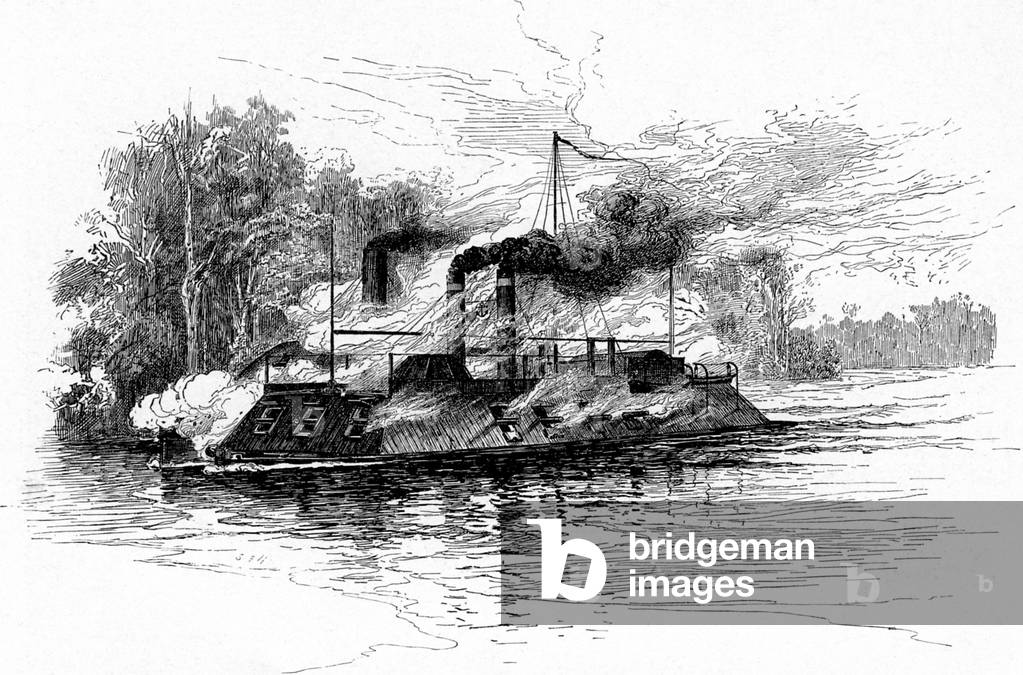
CSS Arkansas alongside USS Carondelet on 15 July 1862, during American Civil War (print)

XLF3782418: CSS Arkansas alongside USS Carondelet on 15 July 1862, during American Civil War (print) / Bridgeman Images

Moment of Terror (Colour Litho)

LLM2783991: Moment of Terror (Colour Litho), Beltrame, Achille (1871-1945) / Bridgeman Images

English basket-hilted broadsword, 1610 circa (metal)

NAM5923415: English basket-hilted broadsword, 1610 circa (metal), English School, (17th century) / Bridgeman Images
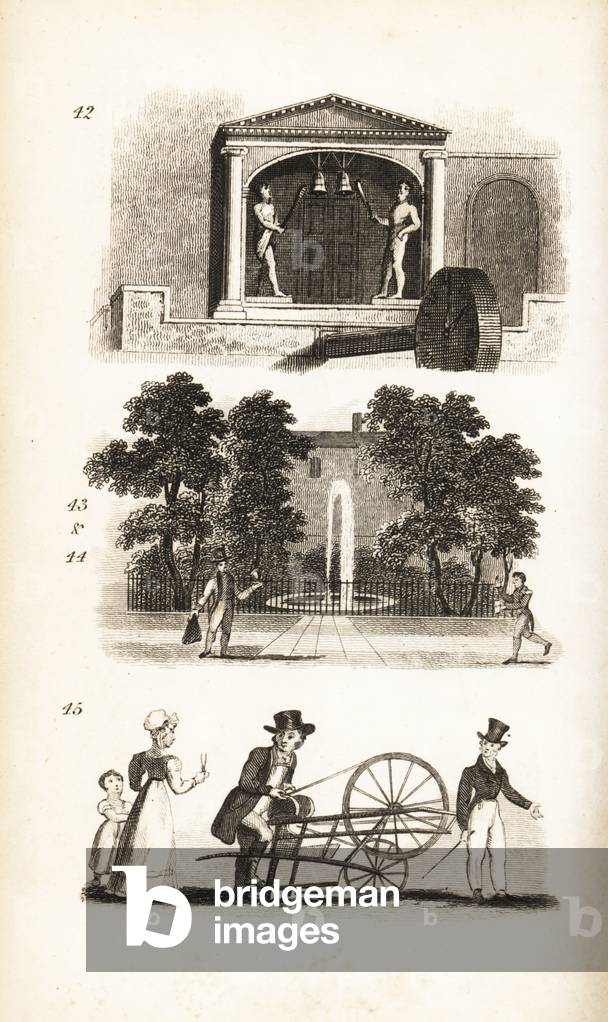
St Dunstan’s Church, Postman, Letter Carrier and Knife-Grinder

FLO6340360: St Dunstan’s Church, Postman, Letter Carrier and Knife-Grinder, Taylor, Isaac (1730-1807) / Bridgeman Images

The Life Guards and the Horse Guards on the Long Walk, Windsor Great Park

USB1160288: The Life Guards and the Horse Guards on the Long Walk, Windsor Great Park, English School, (20th century) / Bridgeman Images

Today at Chelsea Barracks, Stable Lads Boxing Association started their annual championship, November 1969 (b/w photo)

MPX5083241: Today at Chelsea Barracks, Stable Lads Boxing Association started their annual championship, November 1969 (b/w photo) / Bridgeman Images

English basket-hilted broadsword, 1610 circa (metal)

NAM5923416: English basket-hilted broadsword, 1610 circa (metal), English School, (17th century) / Bridgeman Images
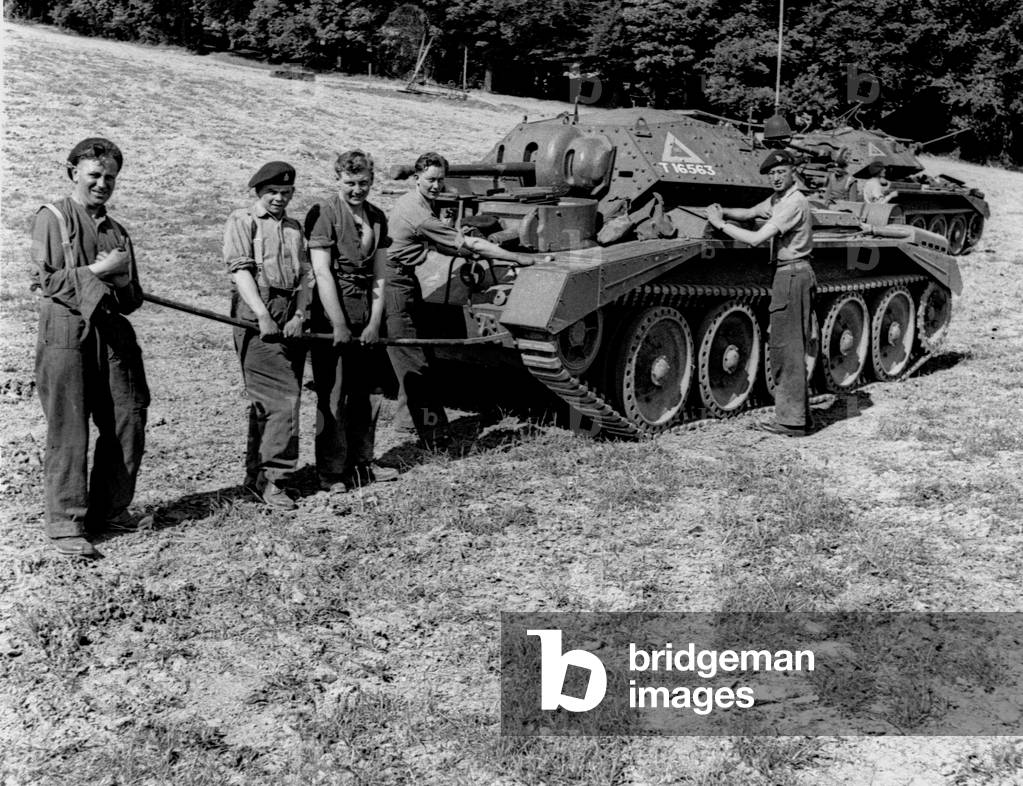
Bill Jennings, Peter Powell, Arthur Aldred, Doug Clancey, Bob Hart, Taking up tracks’, 1940 circa (b/w photo)

NAM5920954: Bill Jennings, Peter Powell, Arthur Aldred, Doug Clancey, Bob Hart, Taking up tracks’, 1940 circa (b/w photo) / Bridgeman Images

Portrait of King Henry VI ,1935 (litho)

DGC3060336: Portrait of King Henry VI ,1935 (litho) / Bridgeman Images

Today at Chelsea Barracks, Stable Lads Boxing Association started their annual championship, November 1969 (b/w photo)

MPX5083251: Today at Chelsea Barracks, Stable Lads Boxing Association started their annual championship, November 1969 (b/w photo) / Bridgeman Images

South America: Bolivia - deforestation - These images, from Landsats 2, 4, and 7, show the progression of deforestation in Bolivia from 1975 to 2000. This area lies east of Santa Cruz de la Sierra, Bolivia, in an area of tropical dry forest. Since the mid-1980s, the resettlement of people from the Altiplano (the Andean high plains) and a large agricultural development effort (the Tierras Baja project) has lead to this area's deforestation. Soybean production began in earnest in the early 1970s following a substantial increase in the crop's world price. By the late 1980s, soybeans represented the country's most important oilseed crop. In 1988, soybean production amounted to about 150,000 tons. About 1/3 of the soybean harvest was used domestically in the form of soybean meal for the poultry industry. Other soybean meal was shipped to Peru and western Europe, and raw soybeans were exported via rail to Brazil. Locally manufactured soybean oil also competed with contraband products from neighboring countries. Most of Santa Cruz's soybean farmers were members of the well - organized and powerful National Association of Soybean Producers (Asociacion Nacional de Productores de Soya - Anpo). The town in the Southwest is Santa Cruz de la Sierra (Holy Cross of the Mountains), Bolivia. With a population of 904,376, it is the second largest city in Bolivia. Until 1950, mules transported all goods in and out of the city. The pie or radial patterned fields are part of the San Javier resettlement scheme. At the center of each unit is a small community that includes a church, bar/cafe, school, and soccer field - the essentials of life in rural Bolivia. The rectangular, light colored areas are fields of soybeans cultivated for export, mostly funded by foreign loans. The dark strips running through the fields are windbreaks, which are advantageous because the soils in this area are fine and prone to wind erosion

PIX4675782: South America: Bolivia - deforestation - These images, from Landsats 2, 4, and 7, show the progression of deforestation in Bolivia from 1975 to 2000. This area lies east of Santa Cruz de la Sierra, Bolivia, in an area of tropical dry forest. Since the mid-1980s, the resettlement of people from the Altiplano (the Andean high plains) and a large agricultural development effort (the Tierras Baja project) has lead to this area's deforestation. Soybean production began in earnest in the early 1970s following a substantial increase in the crop's world price. By the late 1980s, soybeans represented the country's most important oilseed crop. In 1988, soybean production amounted to about 150,000 tons. About 1/3 of the soybean harvest was used domestically in the form of soybean meal for the poultry industry. Other soybean meal was shipped to Peru and western Europe, and raw soybeans were exported via rail to Brazil. Locally manufactured soybean oil also competed with contraband products from neighboring countries. Most of Santa Cruz's soybean farmers were members of the well - organized and powerful National Association of Soybean Producers (Asociacion Nacional de Productores de Soya - Anpo). The town in the Southwest is Santa Cruz de la Sierra (Holy Cross of the Mountains), Bolivia. With a population of 904,376, it is the second largest city in Bolivia. Until 1950, mules transported all goods in and out of the city. The pie or radial patterned fields are part of the San Javier resettlement scheme. At the center of each unit is a small community that includes a church, bar/cafe, school, and soccer field - the essentials of life in rural Bolivia. The rectangular, light colored areas are fields of soybeans cultivated for export, mostly funded by foreign loans. The dark strips running through the fields are windbreaks, which are advantageous because the soils in this area are fine and prone to wind erosion / Bridgeman Images

The Battle of Forts Jackson and St. Philip 24/04/1862 American civil War (print)

XLF3782405: The Battle of Forts Jackson and St. Philip 24/04/1862 American civil War (print) / Bridgeman Images

English basket-hilted broadsword, 1610 circa (metal)

NAM5923417: English basket-hilted broadsword, 1610 circa (metal), English School, (17th century) / Bridgeman Images
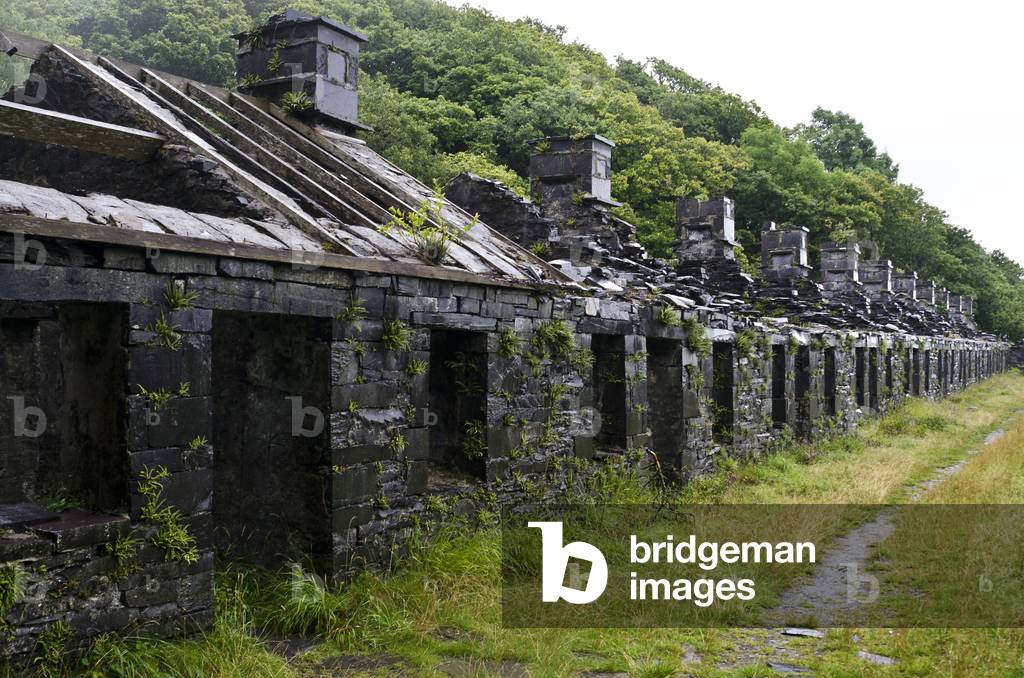
Miners' Cottages in Disused Slate Quarry, Dinorwic Quarry (now Padarn Country Park), Llanberis,
Snowdonia, Gwynedd, North Wales, UK (photo)
Miners' Cottages in Disused Slate Quarry, Dinorwic Quarry (now Padarn Country Park), Llanberis,
Snowdonia, Gwynedd, North Wales, UK (photo)

POV1202429: Miners' Cottages in Disused Slate Quarry, Dinorwic Quarry (now Padarn Country Park), Llanberis, Snowdonia, Gwynedd, North Wales, UK (photo) / Bridgeman Images

Mars: crater in Myers Valles - Mars: crater in Myers Valles - Mamers Valles is a valley about 1000 km long located in the region of Deuteronilus Mensae, north of Arabia Terra. The image obtained by the Mars Express probe on 5 August 2006 shows a crater at the end of this valley. This circular formation measures about thirty kilometres in diameter and is 1400 metres deep. There are traces of flow of material probably composed of water ice, similar to the relief left by the passage of glaciers on Earth. The High - Resolution Stereo Camera (HRSC) onboard the ESA spacecraft Mars Express obtained images focusing on a depression that displays a crater at the end of the long, winding valley, Mamers Valles. The data was obtained on 5 August 2006 with a ground resolution of approximately 14 m/per pixel. The image is centred at approximately 39* north and 17* east on the planet. The valley of Mamers Valles is approximately 1000 km long, running along the boundary between the northern lowlands and southern highlands in the region of Deuteronilus Mensae. This region shows numerous deep and wide labyrinth - like valleys and circular depressions which often show structures formed by flowing liquid on their even floors. The structures formed by the flows are thought to be ice - rich debris flows. They show some resemblance to block glaciers seen on Earth. The patches of rock at the centre of the depression are thought to be remnants of rock detached from the flanks of the depression and transported into its centre. The wrinkle ridges, are formed by compressive forces acting on the surface. The dark coloured material inside the crater could have formed in - situ or was transported by the wind. The depression is approximately 30 km wide and 1400 m deep

PIX4616082: Mars: crater in Myers Valles - Mars: crater in Myers Valles - Mamers Valles is a valley about 1000 km long located in the region of Deuteronilus Mensae, north of Arabia Terra. The image obtained by the Mars Express probe on 5 August 2006 shows a crater at the end of this valley. This circular formation measures about thirty kilometres in diameter and is 1400 metres deep. There are traces of flow of material probably composed of water ice, similar to the relief left by the passage of glaciers on Earth. The High - Resolution Stereo Camera (HRSC) onboard the ESA spacecraft Mars Express obtained images focusing on a depression that displays a crater at the end of the long, winding valley, Mamers Valles. The data was obtained on 5 August 2006 with a ground resolution of approximately 14 m/per pixel. The image is centred at approximately 39* north and 17* east on the planet. The valley of Mamers Valles is approximately 1000 km long, running along the boundary between the northern lowlands and southern highlands in the region of Deuteronilus Mensae. This region shows numerous deep and wide labyrinth - like valleys and circular depressions which often show structures formed by flowing liquid on their even floors. The structures formed by the flows are thought to be ice - rich debris flows. They show some resemblance to block glaciers seen on Earth. The patches of rock at the centre of the depression are thought to be remnants of rock detached from the flanks of the depression and transported into its centre. The wrinkle ridges, are formed by compressive forces acting on the surface. The dark coloured material inside the crater could have formed in - situ or was transported by the wind. The depression is approximately 30 km wide and 1400 m deep / Bridgeman Images


Back to top