5207 Search Results for running

PIX4583154: Remains of supernova G292.0+1.8 in X - G292.0+1.8 supernova remnant - X-ray view of the rest of supernova G292.0+1.8 located about 20,000 years - light in the constellation Centaurus. In the center of the image, the massive star that exploded gave way to a pulsar. The different colours represent different chemical elements (oxygen, magnesium...). The image was composed with a black and white image obtained in visible light. The aftermath of the death of a massive star is shown in detail in this composite image of G292.0+1.8. In color is the Chandra X - ray Observatory image and in white is optical data from the Digitized Sky Survey. Near the center of G292.0+1.8 is the so - called pulsar wind nebula, most easily seen in high energy X - rays. This is the magnetized bubble of high - energy particles that surrounds the “” pulsar””, a rapidly rotating neutron star that remained behind the original, massive star exploded. The narrow, jet - like feature running from north to south in the image is likely parallel to the spin axis of the pulsar. Each color represents different elements such as oxygen, neon, magnesium, and silicon. The distribution of these elements gives astronomers clues about how the star exploded. The distance estimated of this object is about 20,000 light years / Bridgeman Images

PIX4640224: Space lift on the Moon - Artist's view - Lunar elevator lunar base - Lunar base equipped with a space lift. A manned lunar space elevator prepares to depart from its manned lunar base. Surrounding it are support facilities and cargo. The yellow machine on the right is an articulated manned manipulator for handling cargo and managing the elevator. The space elevator concept involves running a cable from the surface of a planet or moon up to a gravitationally - stable point in space, whereupon a specially - designed vehicle can climb and descend the cable. Also known as tether propulsion and non-rocket space launch, this method permits an alternative way to access space. In the case of the lunar space elevator, the cable is anchored to the surface of the Moon and ascends to a stable Lagrange point. In this illustration the cable, in the form of a ribbon, is anchored to the southern hemisphere of the near - side of the Moon and ascends approximately 35,000 miles towards the Earth. The manned climbing vehicle, the “” elevator,””” is powered by solar energy collected via its array of photovoltaics. The manned elevator illustrated is approximately 160 feet long. Traveling at a velocity of roughly 60 mph it would take the elevator about 3 weeks to cover the distance between the lunar surface and Lagrange point in space / Bridgeman Images

BOF1066360: Newspaper delivery in New York 1903 - early Thomas Edison film / Bridgeman Images
![Lichfield - View across Stowe Pool: pen drawing, nd [1826] (drawing)](https://images-cdn.bridgemanimages.com/api/1.0/image/600wm.WSL.74800950.7055475/5897668.jpg?old-wm)
WSL5897668: Lichfield - View across Stowe Pool: pen drawing, nd [1826] (drawing), Allport, John (1799-1854) / Bridgeman Images

LLM2779112: Big game hunting in Antwerp (colour litho), Ferrari, Rino (1911-1986) / Bridgeman Images

USB1158460: Two Springer Spaniels in a Landscape, Tomson, Clifton (1775-1828) / Bridgeman Images

SRB3585071: Elephant riding in rubber tree forest, Andaman Island, Thailand (photo), Reboredo, Sergi / Bridgeman Images
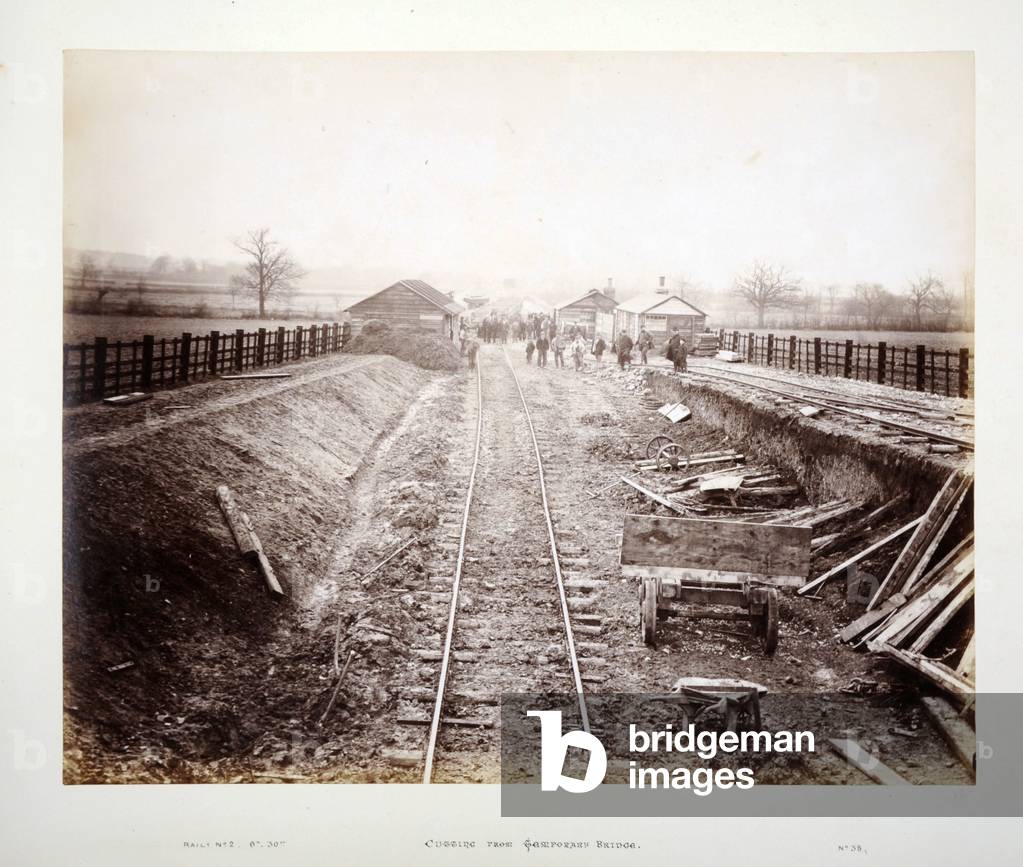
STT2968598: Cutting from Temporary Bridge, 1882 (sepia photo), Pickering, R.J. (fl.1882) / Bridgeman Images

HRP2966549: Spit jack (iron), English School, (18th century) / Bridgeman Images

CH7212543: Frontispiece and title page of The Life and Strange Surprizing Adventures of Robinson Crusoe, of York, Mariner, 1719 / Bridgeman Images

PFH1168356: Thailand: A floating market with vendors selling corn cobs, Siam, late-19th century. / Bridgeman Images
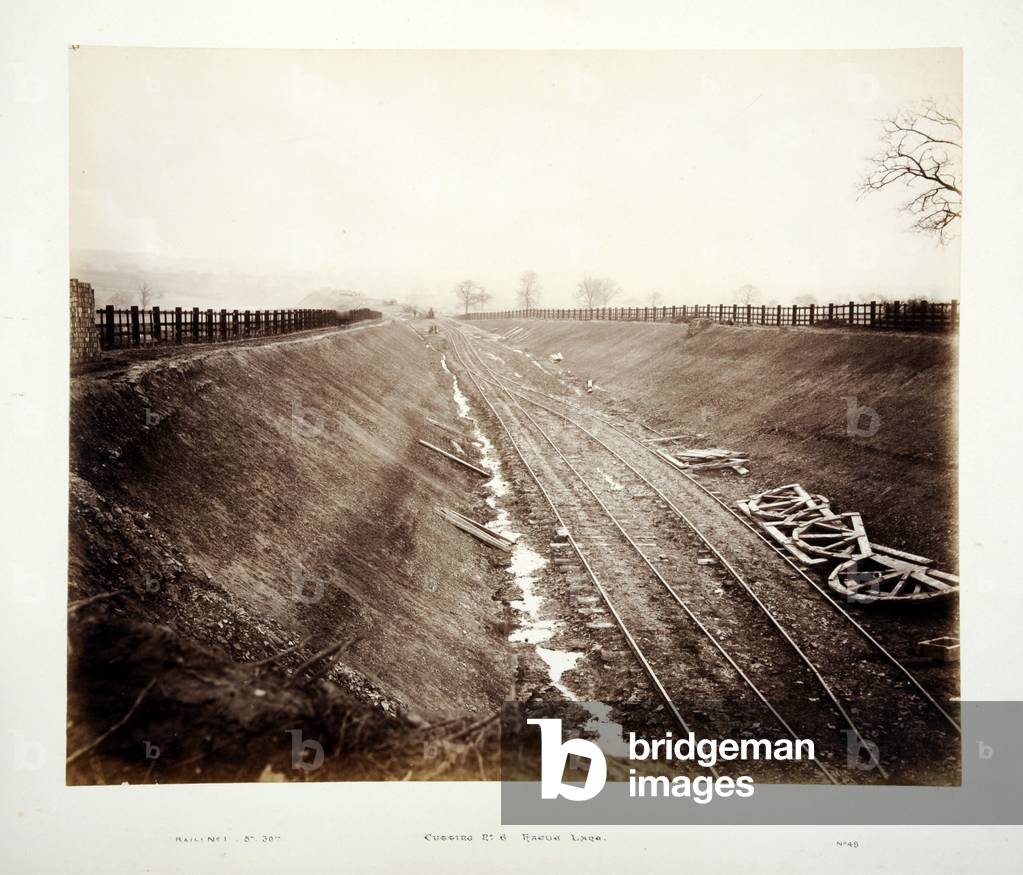
STT2968612: Cutting No.6 Hague Lane, 1882 (sepia photo), Pickering, R.J. (fl.1882) / Bridgeman Images
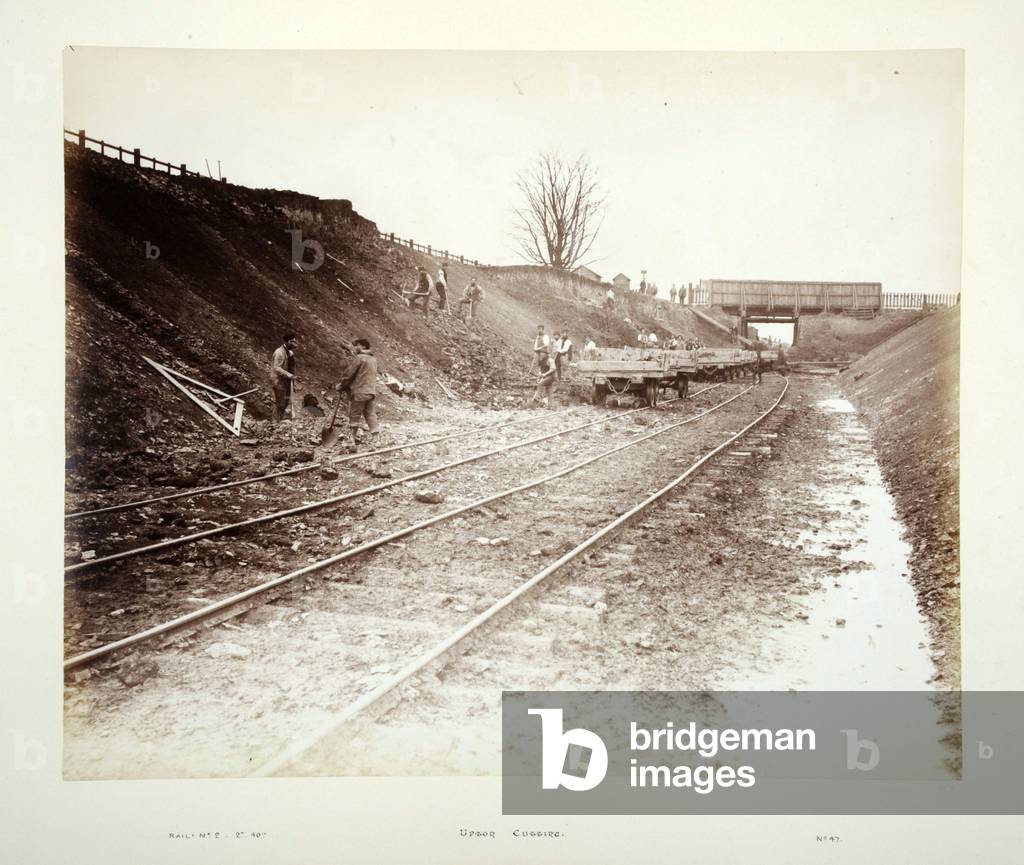
STT2968611: Upton Cutting, 1882 (sepia photo), Pickering, R.J. (fl.1882) / Bridgeman Images

MEP3270197: Pope Francis on the tram, Poland, 2010 (photo) / Bridgeman Images

SIC871034: World War II Advertisement - Dugas Engineering Corporation, Wisconsin / Bridgeman Images

USB1162590: A Mastiff and Small Dog, English School, (18th century) / Bridgeman Images

XLA3774179: Nursery rhyme - 'Little, Willebeek Le Mair, Henriette (1889-1966) / Bridgeman Images
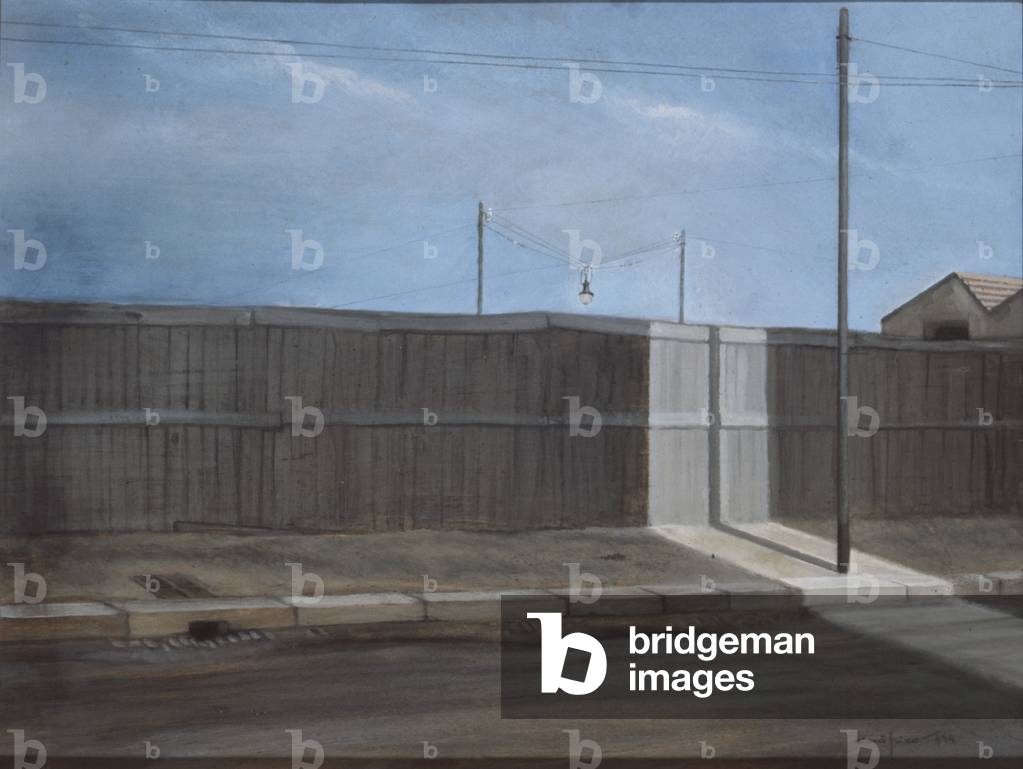
MEP2647057: Fence (oil on canvas), Sinopico, Primo (1889-1949) / Bridgeman Images

XLA3754384: All the Mowgli Stories, Tresilian, Stuart (1891-1976) / Bridgeman Images

LLP729110: Old Fashioned Sporting Pictures (colour litho), Rowlandson, Thomas (1756-1827) (after) / Bridgeman Images

FLM1448741: Men discussing photography outdoors. A woman watches from a balcony. France, 1955 / Bridgeman Images

USB1157985: William Herbert, 3rd Marquess of Powis (c.1698-1748), as a boy, French School, (18th century) / Bridgeman Images

PFH1178694: Burma / Myanmar: Hilltop pagodas at Sagaing, the river Irrawaddy / Ayeyarwady in the distance / Bridgeman Images

MPX5141129: DJ's are presented with the first Royal wedding record. 16th November 1973. / Bridgeman Images

TW426802: View of Newcastle upon Tyne, Taken from a Windmill to the East of St. Ann's, c.1802-03 (oil on canvas), Daniell, William (1769-1837) / Bridgeman Images
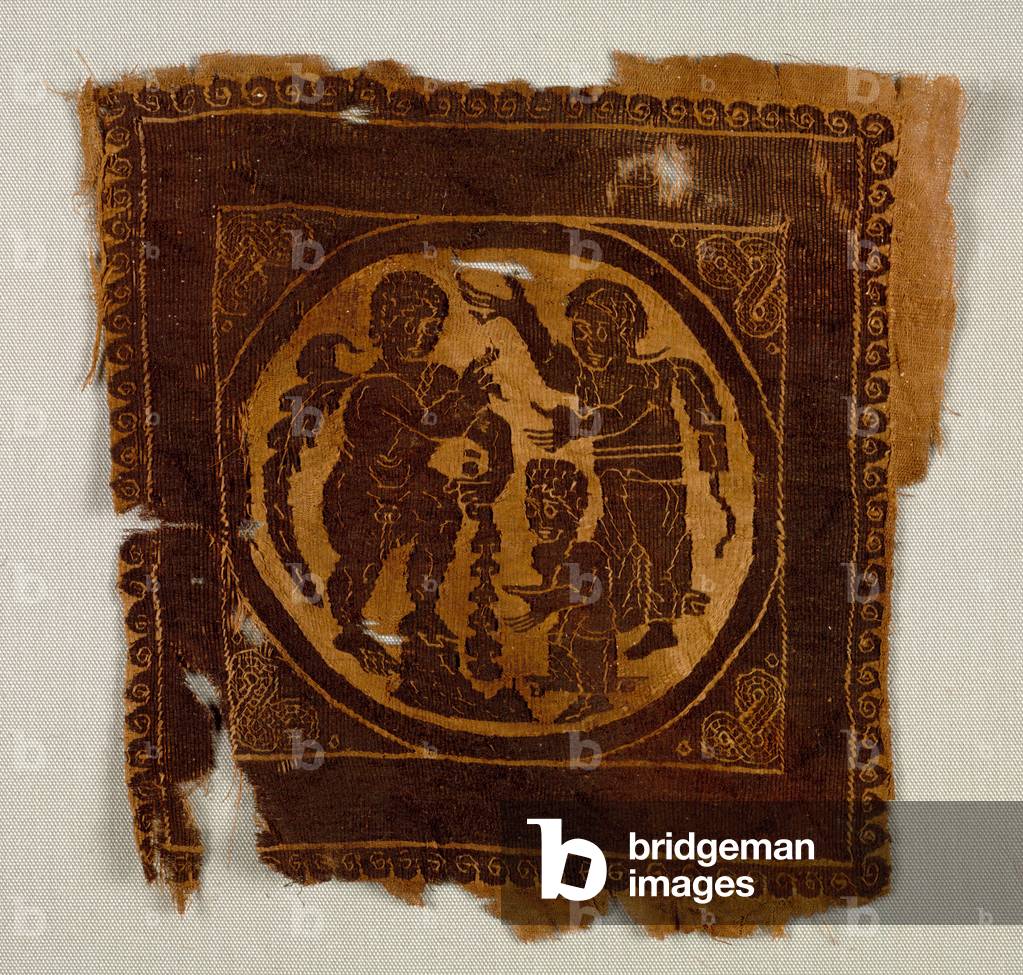
XCL499987: Ornamental Square from a Tunic, 400s (tapestry weave with supplementary weft wrapping, un-dyed linen and dyed wool) , Egyptian, Byzantine Period, (5th century) / Bridgeman Images

PFH1170292: Burma/ Myanmar: A market in Sagaing, Upper Burma, in the 1920s. / Bridgeman Images

BMS699559: Computer-Graphic Recreation of the View Along the Length of the Upper-Piazza Balustrade Fronting the North Barracks of Fort Moultrie, South Carolina, In Evening Light Prior to the American Civil War / Bridgeman Images

PFH1178695: Burma / Myanmar: A sea of pagodas at Sagaing, the Ava Bridge across the river Irrawaddy / Ayeyarwady in the distance / Bridgeman Images
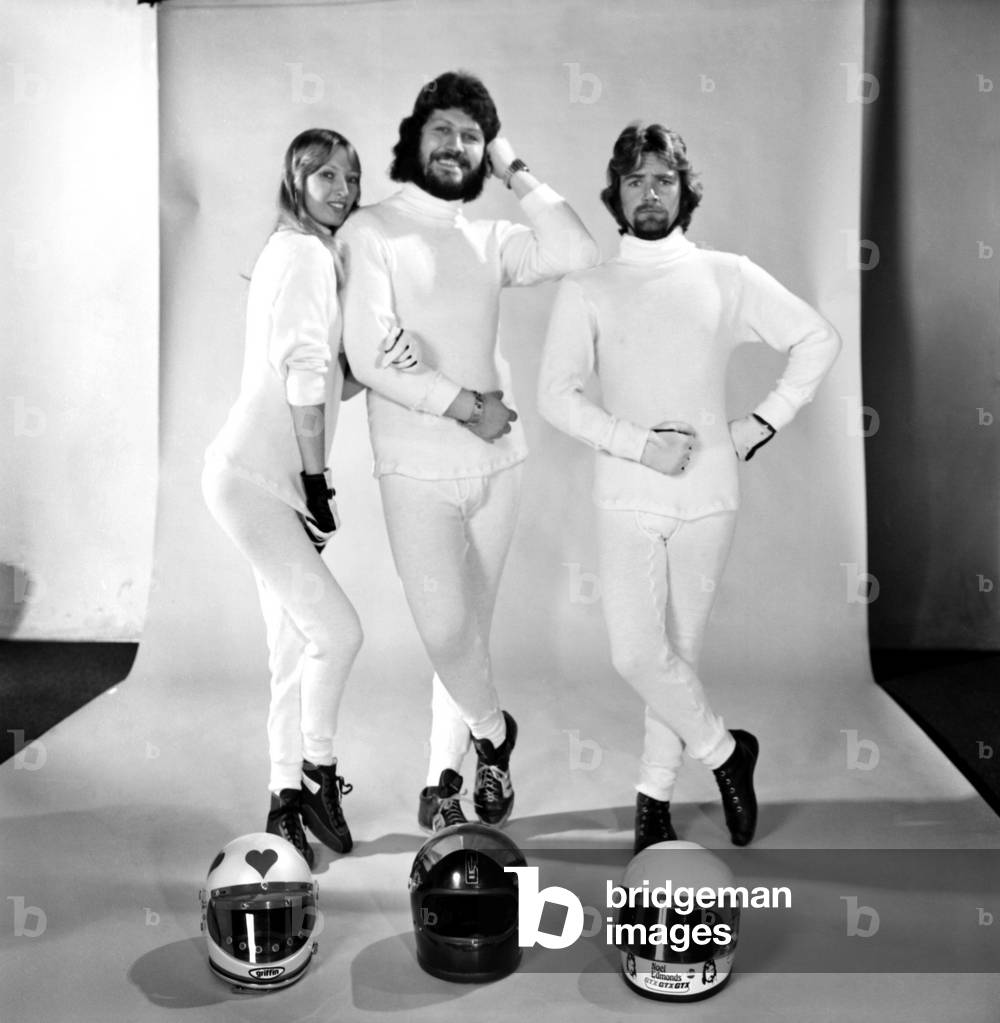
MPX5105486: A Fireproof Combination. Noel Edmonds, Dave Lee Travers, Maureen Lynn, February 1975(b/w photo) / Bridgeman Images
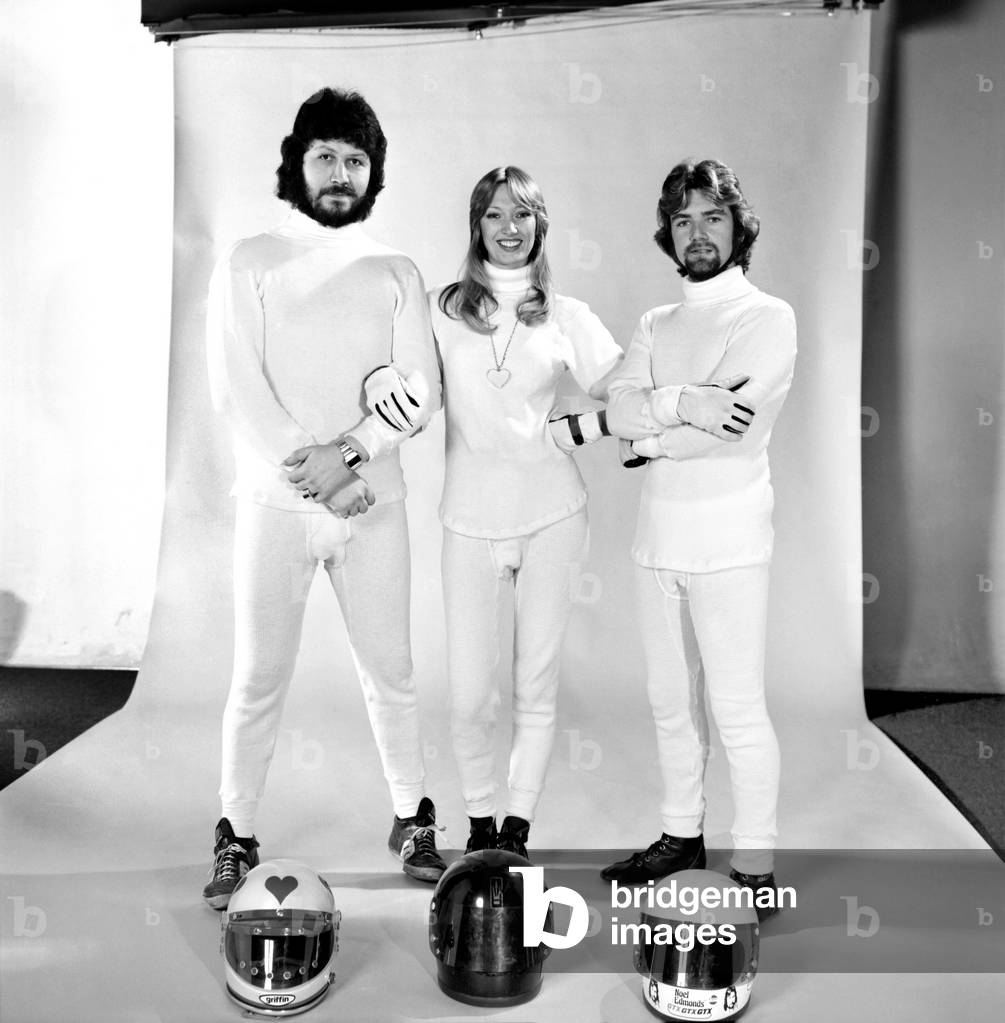
MPX5105494: A Fireproof Combination. Noel Edmonds, Dave Lee Travers, Maureen Lynn, February 1975(b/w photo) / Bridgeman Images

MPX5068608: Take a good look at these pants. They are really zippy. / Bridgeman Images
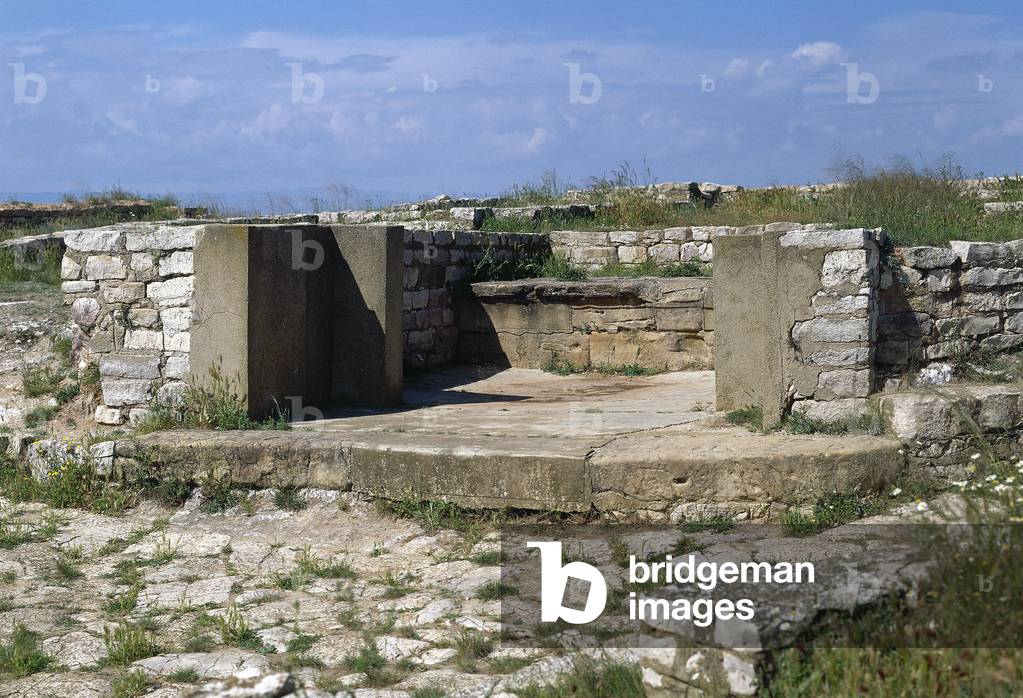
TRK6345000: Spain, Aragon, Teruel province, Ruins of the ancient Iberian village of Cabezo de Alcala (photo) / Bridgeman Images
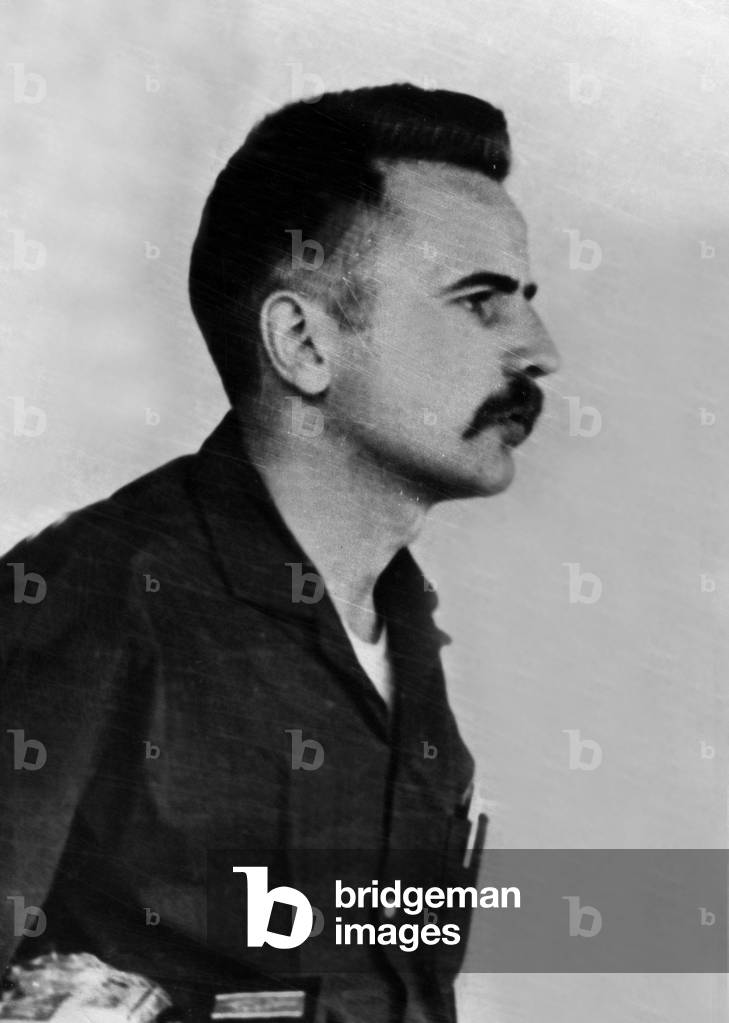
XRA1663121: Regis Debray, French Intellect Left-Wing in Prison Camiri in Bolivia 1967 To 1971 (b/w photo) / Bridgeman Images

USB132331: Sir Nathaniel and Lady Caroline Curzon, 1754 (oil on canvas), Devis, Arthur (1712-87) / Bridgeman Images
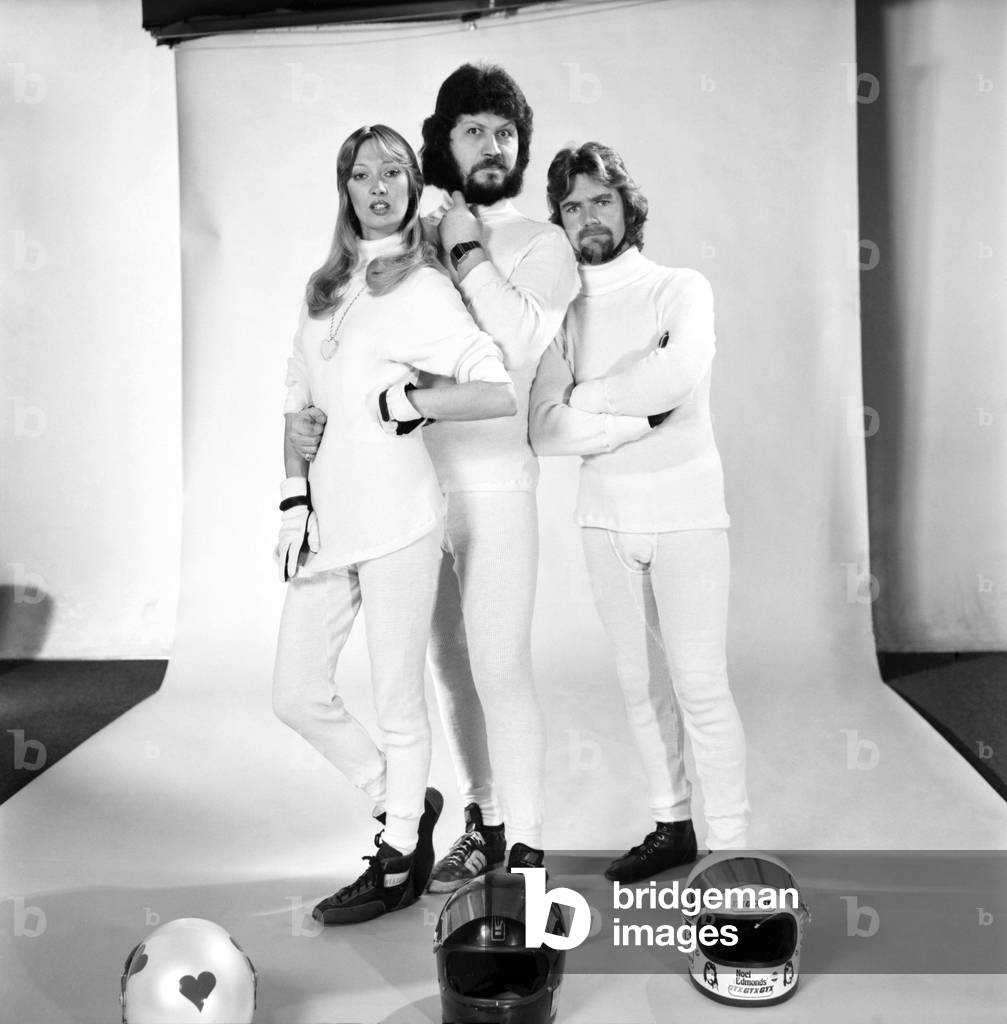
MPX5105388: A Fireproof Combination. Noel Edmonds, Dave Lee Travers, Maureen Lynn, February 1975(b/w photo) / Bridgeman Images
