Search options

Orientation
Colour

Display options

View

Print

To print search results, use print friendly version of this page.

5207 Search Results for running

River Landscape
River Landscape

USB1161145: River Landscape, English School, (19th century) / Bridgeman Images

In the Land of Oddities (Colour Litho)

LLM2809189: In the Land of Oddities (Colour Litho), Beltrame, Achille (1871-1945) / Bridgeman Images

Lower Manhattan skyline, Cities Service Building, USA, c.1930-38 (gelatin silver photo)

NYH3697864: Lower Manhattan skyline, Cities Service Building, USA, c.1930-38 (gelatin silver photo), Browning, Irving (1895-1961) / Bridgeman Images

Cities Service Building, built 1931-2, New York, USA, c.1931-32 (gelatin silver photo)

NYH3697863: Cities Service Building, built 1931-2, New York, USA, c.1931-32 (gelatin silver photo), Browning, Irving (1895-1961) / Bridgeman Images

Corkscrew, c.1800-50 (wood, steel & hair)

JEF3084511: Corkscrew, c.1800-50 (wood, steel & hair), English School, (19th century) / Bridgeman Images

River Landscape with a Stag Hunt

USB1158751: River Landscape with a Stag Hunt, Uden, Lucas van (1595-1672) / Bridgeman Images

The Chimes by Charles Dickens

XLA3765112: The Chimes by Charles Dickens, Thomson, Hugh (1860-1920) / Bridgeman Images

Floods at Wood Green, London. June 1960

MPX5073433: Floods at Wood Green, London. June 1960 / Bridgeman Images

Floods at Wood Green, London. June 1960

MPX5074267: Floods at Wood Green, London. June 1960 / Bridgeman Images

Dr Vasquez Gomez at the Imperial Hotel in New York, 1911 (b/w photo)

STC375615: Dr Vasquez Gomez at the Imperial Hotel in New York, 1911 (b/w photo), Thompson, Paul (fl.c.1910) / Bridgeman Images

Ambulances in the snow, February 1917 (lantern slide)

NAM5925427: Ambulances in the snow, February 1917 (lantern slide), Unknown photographer, (20th century) / Bridgeman Images

Dame Anna Neagle commenced her fifth year

MPX5084609: Dame Anna Neagle commenced her fifth year "Charlie Girl" at the Adelphi Theatre today, 15th December 1969 (b/w photo) / Bridgeman Images

Houses, King Street, near the Black Gate (pen and ink)

TW1214000: Houses, King Street, near the Black Gate (pen and ink), Storey, John (1828-88) / Bridgeman Images

Training of the first Soviet cosmonauts, including Yuri Gagarin. Exercise and parachute training. USSR 1950s.

FLM2612314: Training of the first Soviet cosmonauts, including Yuri Gagarin. Exercise and parachute training. USSR 1950s. / Bridgeman Images

A Saddled Grey Hunter with a Spaniel in a Wooded Landscape

USB1161122: A Saddled Grey Hunter with a Spaniel in a Wooded Landscape, Tomson, Clifton (1775-1828) / Bridgeman Images

A George III gold locket ring of Napoleonic interest, 1822 (gold, crystal & human hair)

CH1128008: A George III gold locket ring of Napoleonic interest, 1822 (gold, crystal & human hair), English School, (19th century) / Bridgeman Images

Cities Service Building, angled view from below, New York, USA, c.1920-38 (gelatin silver photo)

NYH3697935: Cities Service Building, angled view from below, New York, USA, c.1920-38 (gelatin silver photo), Browning, Irving (1895-1961) / Bridgeman Images

Pegs Run, printed by Kennedy & Lucas's Lithography, 1830 (litho)

LCP463479: Pegs Run, printed by Kennedy & Lucas's Lithography, 1830 (litho) , Breton, William L. (fl.1830) / Bridgeman Images

World War II Advertisement - Foote Bros. Gear and Machine Corporation

SIC871165: World War II Advertisement - Foote Bros. Gear and Machine Corporation / Bridgeman Images

Doubledecker on the airfield of Berlin-Adlershof, 1940 (b/w photo)

SZT2987372: Doubledecker on the airfield of Berlin-Adlershof, 1940 (b/w photo) / Bridgeman Images

Crowds of spectators watched the match. 15th March 1927 (b/w photo)

MPX5139468: Crowds of spectators watched the match. 15th March 1927 (b/w photo) / Bridgeman Images
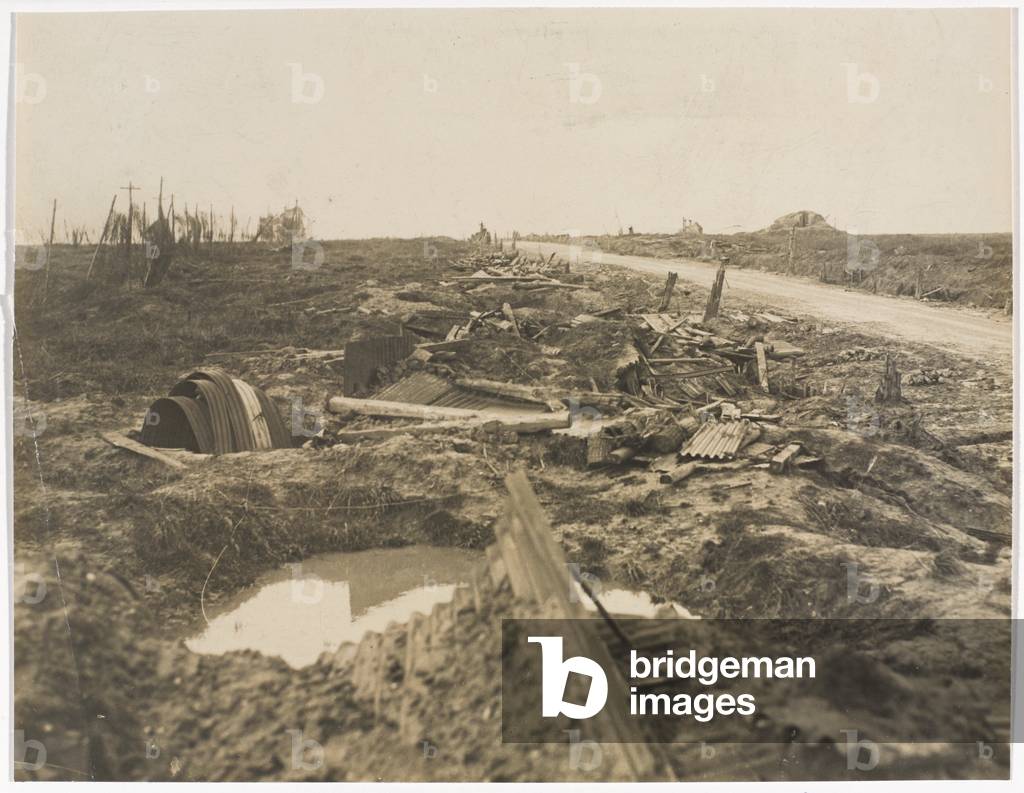
The Menin Road to Ypres, 1918 (b/w photo)

NAM5925244: The Menin Road to Ypres, 1918 (b/w photo), Unknown photographer, (20th century) / Bridgeman Images
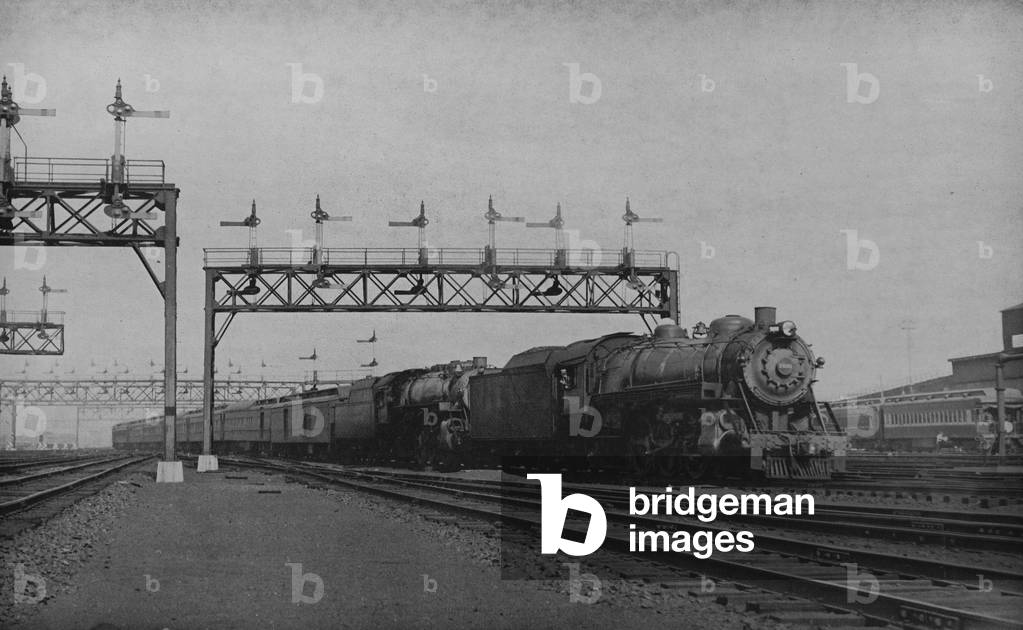
The Night Express Train Of The Baltimore And Ohio Railroad

SIC870856: The Night Express Train Of The Baltimore And Ohio Railroad / Bridgeman Images

Face Mask, possibly early 1900s (wood, metal)

XCL499819: Face Mask, possibly early 1900s (wood, metal), African School / Bridgeman Images

Tony Blackburn, November 1973

MPX5141155: Tony Blackburn, November 1973 / Bridgeman Images

Tony Blackburn, November 1973

MPX5141148: Tony Blackburn, November 1973 / Bridgeman Images

Hugo van der Goes
Hugo van der Goes

ARP480644: Hugo van der Goes / Bridgeman Images
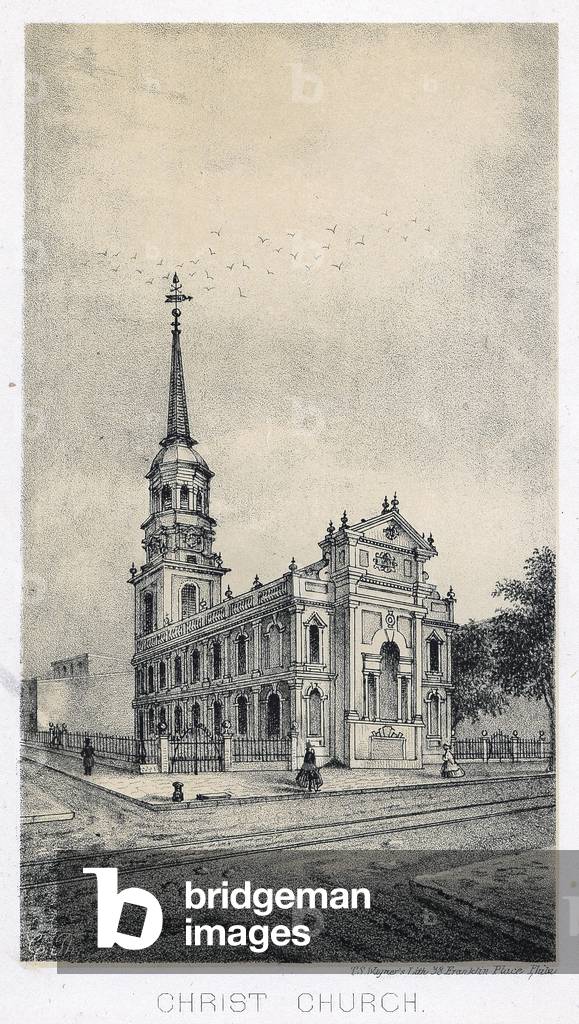
Christ Church, Thomas S. Wagner, 1864 (litho tinted with one stone)

LCP463594: Christ Church, Thomas S. Wagner, 1864 (litho tinted with one stone) , Tholey, Charles P. (d.1898) / Bridgeman Images
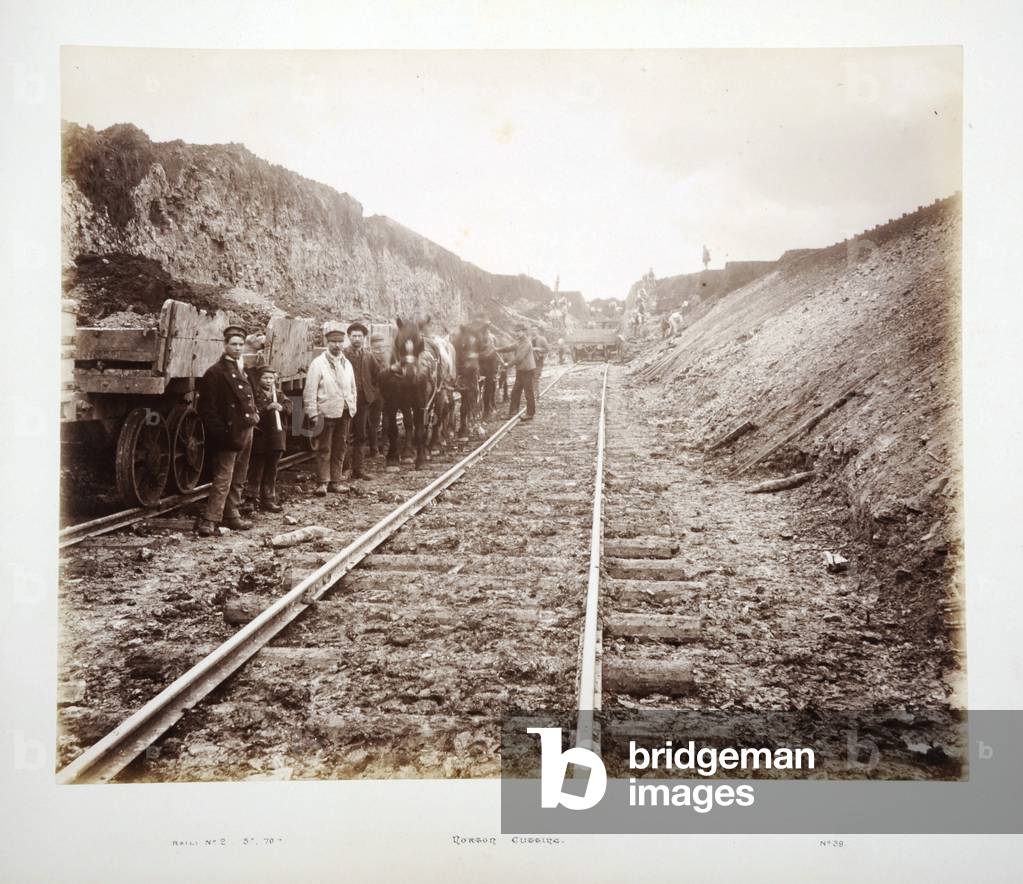
Norton Cutting, 1882 (sepia photo)

STT2968599: Norton Cutting, 1882 (sepia photo), Pickering, R.J. (fl.1882) / Bridgeman Images

DJ's are presented with the first Royal wedding record. 16th November 1973.

MPX5141138: DJ's are presented with the first Royal wedding record. 16th November 1973. / Bridgeman Images

Burma / Myanmar: Young Burmese girl in longyi with flowers in her hair. Colonial period painting, c. 1910

PFH1172793: Burma / Myanmar: Young Burmese girl in longyi with flowers in her hair. Colonial period painting, c. 1910 / Bridgeman Images

Remains of supernova G292.0+1.8 in X - G292.0+1.8 supernova remnant - X-ray view of the rest of supernova G292.0+1.8 located about 20,000 years - light in the constellation Centaurus. In the center of the image, the massive star that exploded gave way to a pulsar. The different colours represent different chemical elements (oxygen, magnesium...). The image was composed with a black and white image obtained in visible light. The aftermath of the death of a massive star is shown in detail in this composite image of G292.0+1.8. In color is the Chandra X - ray Observatory image and in white is optical data from the Digitized Sky Survey. Near the center of G292.0+1.8 is the so - called pulsar wind nebula, most easily seen in high energy X - rays. This is the magnetized bubble of high - energy particles that surrounds the “” pulsar””, a rapidly rotating neutron star that remained behind the original, massive star exploded. The narrow, jet - like feature running from north to south in the image is likely parallel to the spin axis of the pulsar. Each color represents different elements such as oxygen, neon, magnesium, and silicon. The distribution of these elements gives astronomers clues about how the star exploded. The distance estimated of this object is about 20,000 light years

PIX4583154: Remains of supernova G292.0+1.8 in X - G292.0+1.8 supernova remnant - X-ray view of the rest of supernova G292.0+1.8 located about 20,000 years - light in the constellation Centaurus. In the center of the image, the massive star that exploded gave way to a pulsar. The different colours represent different chemical elements (oxygen, magnesium...). The image was composed with a black and white image obtained in visible light. The aftermath of the death of a massive star is shown in detail in this composite image of G292.0+1.8. In color is the Chandra X - ray Observatory image and in white is optical data from the Digitized Sky Survey. Near the center of G292.0+1.8 is the so - called pulsar wind nebula, most easily seen in high energy X - rays. This is the magnetized bubble of high - energy particles that surrounds the “” pulsar””, a rapidly rotating neutron star that remained behind the original, massive star exploded. The narrow, jet - like feature running from north to south in the image is likely parallel to the spin axis of the pulsar. Each color represents different elements such as oxygen, neon, magnesium, and silicon. The distribution of these elements gives astronomers clues about how the star exploded. The distance estimated of this object is about 20,000 light years / Bridgeman Images

Space lift on the Moon - Artist's view - Lunar elevator lunar base - Lunar base equipped with a space lift. A manned lunar space elevator prepares to depart from its manned lunar base. Surrounding it are support facilities and cargo. The yellow machine on the right is an articulated manned manipulator for handling cargo and managing the elevator. The space elevator concept involves running a cable from the surface of a planet or moon up to a gravitationally - stable point in space, whereupon a specially - designed vehicle can climb and descend the cable. Also known as tether propulsion and non-rocket space launch, this method permits an alternative way to access space. In the case of the lunar space elevator, the cable is anchored to the surface of the Moon and ascends to a stable Lagrange point. In this illustration the cable, in the form of a ribbon, is anchored to the southern hemisphere of the near - side of the Moon and ascends approximately 35,000 miles towards the Earth. The manned climbing vehicle, the “” elevator,””” is powered by solar energy collected via its array of photovoltaics. The manned elevator illustrated is approximately 160 feet long. Traveling at a velocity of roughly 60 mph it would take the elevator about 3 weeks to cover the distance between the lunar surface and Lagrange point in space

PIX4640224: Space lift on the Moon - Artist's view - Lunar elevator lunar base - Lunar base equipped with a space lift. A manned lunar space elevator prepares to depart from its manned lunar base. Surrounding it are support facilities and cargo. The yellow machine on the right is an articulated manned manipulator for handling cargo and managing the elevator. The space elevator concept involves running a cable from the surface of a planet or moon up to a gravitationally - stable point in space, whereupon a specially - designed vehicle can climb and descend the cable. Also known as tether propulsion and non-rocket space launch, this method permits an alternative way to access space. In the case of the lunar space elevator, the cable is anchored to the surface of the Moon and ascends to a stable Lagrange point. In this illustration the cable, in the form of a ribbon, is anchored to the southern hemisphere of the near - side of the Moon and ascends approximately 35,000 miles towards the Earth. The manned climbing vehicle, the “” elevator,””” is powered by solar energy collected via its array of photovoltaics. The manned elevator illustrated is approximately 160 feet long. Traveling at a velocity of roughly 60 mph it would take the elevator about 3 weeks to cover the distance between the lunar surface and Lagrange point in space / Bridgeman Images

Lichfield - View across Stowe Pool: pen drawing, nd [1826] (drawing)

WSL5897668: Lichfield - View across Stowe Pool: pen drawing, nd [1826] (drawing), Allport, John (1799-1854) / Bridgeman Images

Big game hunting in Antwerp (colour litho)

LLM2779112: Big game hunting in Antwerp (colour litho), Ferrari, Rino (1911-1986) / Bridgeman Images

Newspaper delivery in New York 1903 - early Thomas Edison film

BOF1066360: Newspaper delivery in New York 1903 - early Thomas Edison film / Bridgeman Images


Back to top