Search options

Orientation
Colour

Display options

View

Print

To print search results, use print friendly version of this page.

967 Search Results for artifacts

China: Shanghai Museum (Shanghai Bowuguan) in People's Park (Renmin Gongyuan) with surrounding skyscrapers, Shanghai

PFH1183666: China: Shanghai Museum (Shanghai Bowuguan) in People's Park (Renmin Gongyuan) with surrounding skyscrapers, Shanghai / Bridgeman Images
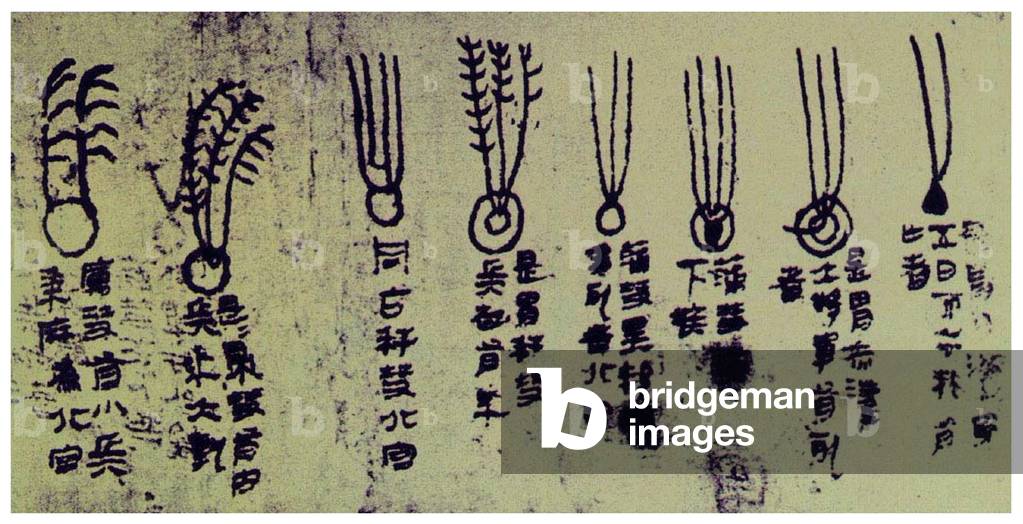
China: Records of comets from a silk manuscript, Mawangdui Tomb 3, Changhsa, c. 300 BCE

PFH1774299: China: Records of comets from a silk manuscript, Mawangdui Tomb 3, Changhsa, c. 300 BCE / Bridgeman Images
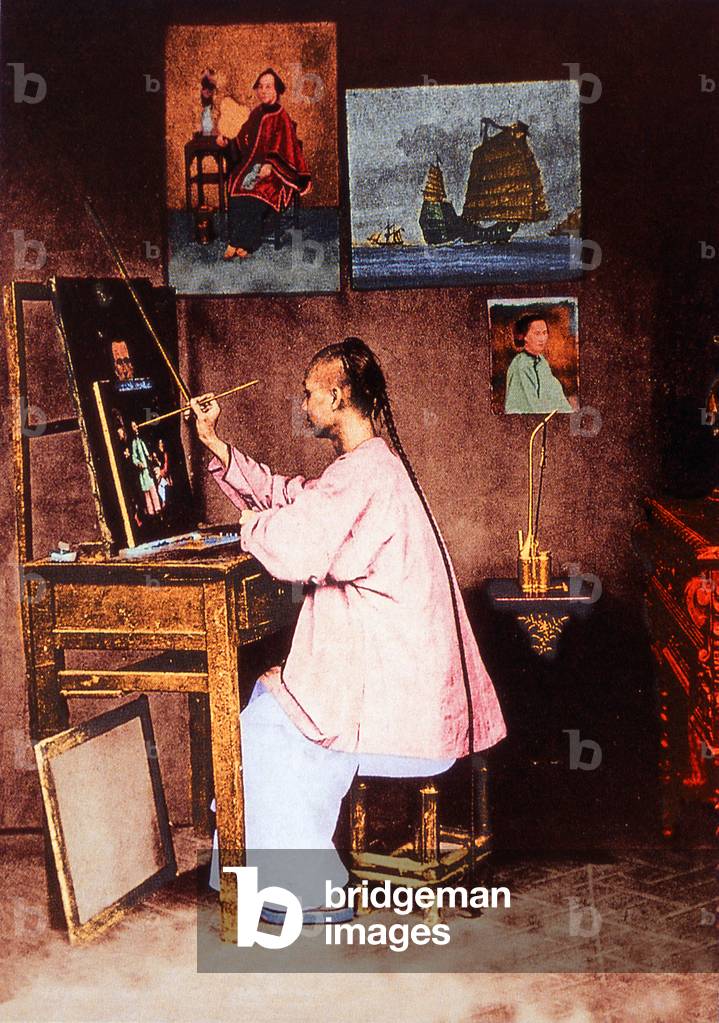
China: A painter copying paintings for sale to customers who were often Westerners, late Qing Dynasty, John Thomson, c.1895

PFH1172754: China: A painter copying paintings for sale to customers who were often Westerners, late Qing Dynasty, John Thomson, c.1895 / Bridgeman Images
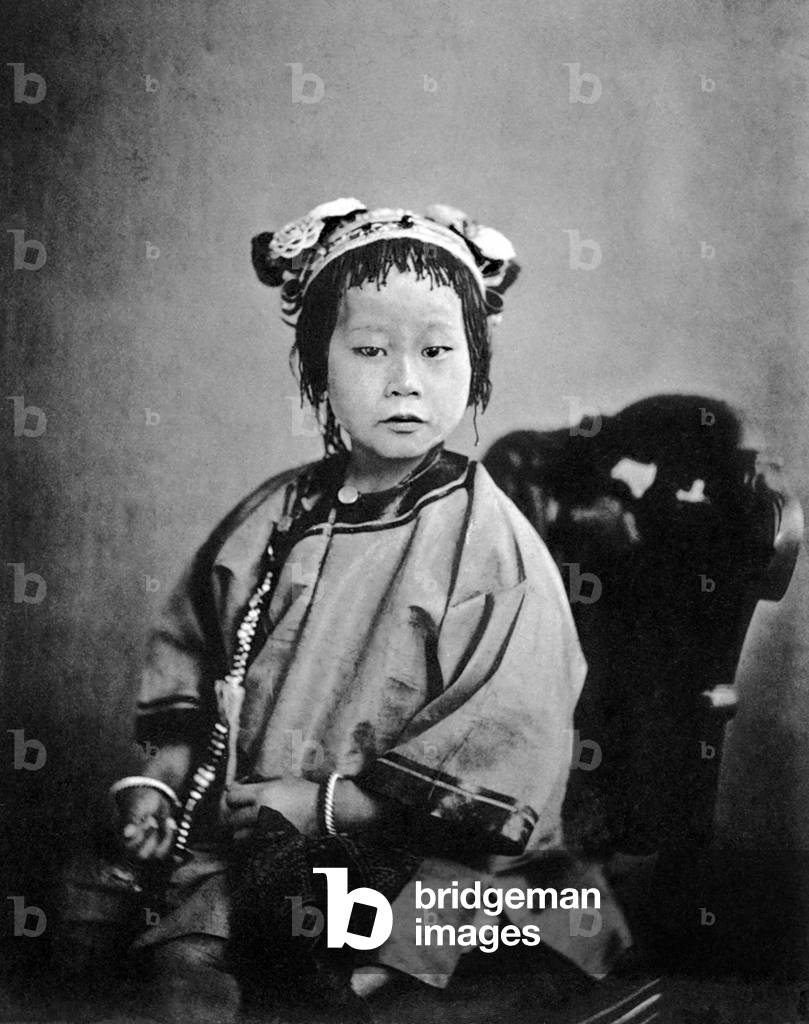
China: 'A Chinese Girl, Hong Kong', John Thomson, c.1870

PFH1187880: China: 'A Chinese Girl, Hong Kong', John Thomson, c.1870 / Bridgeman Images

China: 'A Hong Kong Artist', John Thomson, c.1870

PFH1187881: China: 'A Hong Kong Artist', John Thomson, c.1870, Thomson, John (1837-1921) / Bridgeman Images

China: Shanghai Museum (Shanghai Bowuguan) in People's Park (Renmin Gongyuan) with surrounding skyscrapers, Shanghai

PFH1183663: China: Shanghai Museum (Shanghai Bowuguan) in People's Park (Renmin Gongyuan) with surrounding skyscrapers, Shanghai / Bridgeman Images

Emperor Wilhelm II visiting Graf Johann Wilczek at Kreuzenstein Castle near Vienna, 1906

SZT5174949: Emperor Wilhelm II visiting Graf Johann Wilczek at Kreuzenstein Castle near Vienna, 1906 / Bridgeman Images
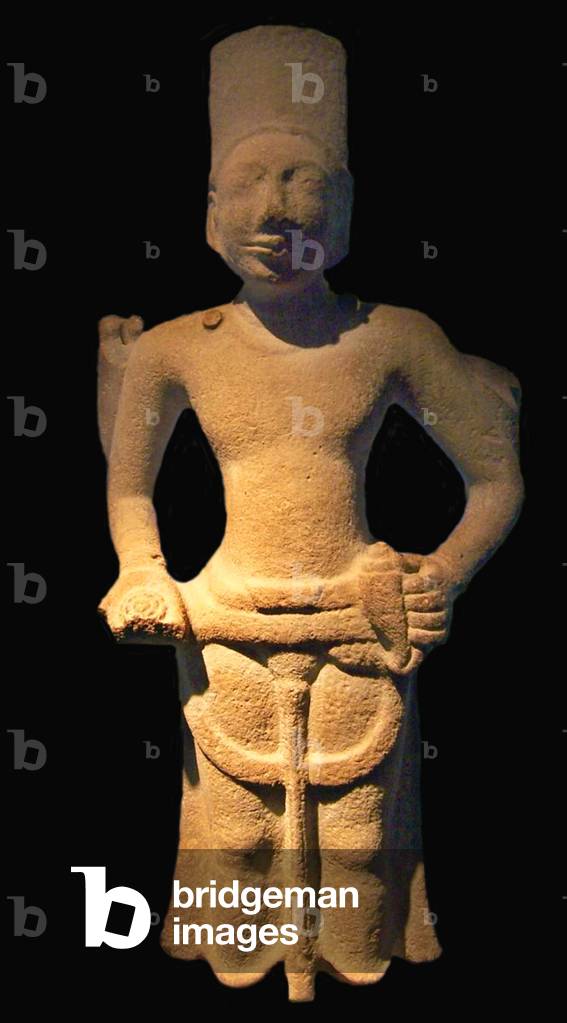
Vietnam: A statue of Vishnu from Oc Eo, An Giang province, 6th-7th century CE

PFH1173571: Vietnam: A statue of Vishnu from Oc Eo, An Giang province, 6th-7th century CE / Bridgeman Images

China: 'Hong Kong Sedan Chair Carriers', John Thomson, c.1870

PFH1187878: China: 'Hong Kong Sedan Chair Carriers', John Thomson, c.1870, Thomson, John (1837-1921) / Bridgeman Images

China: 'A Chinese School Boy, Hong Kong', John Thomson, c.1870

PFH1187879: China: 'A Chinese School Boy, Hong Kong', John Thomson, c.1870 / Bridgeman Images

China:  'Hong Kong Boat Girls', John Thomson, c.1870

PFH1187882: China: 'Hong Kong Boat Girls', John Thomson, c.1870 / Bridgeman Images
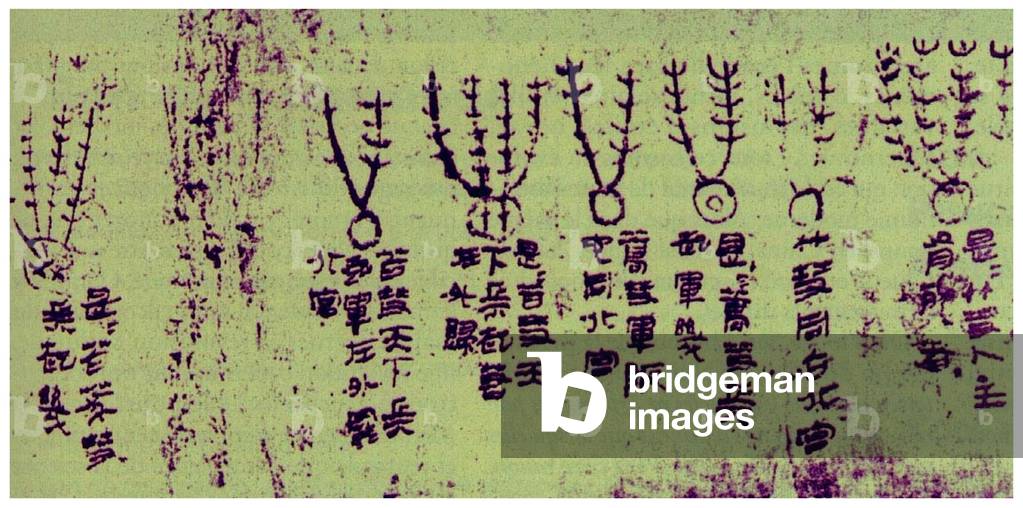
China: Records of comets from a silk manuscript, Mawangdui Tomb 3, Changhsa, c. 300 BCE

PFH1774298: China: Records of comets from a silk manuscript, Mawangdui Tomb 3, Changhsa, c. 300 BCE / Bridgeman Images
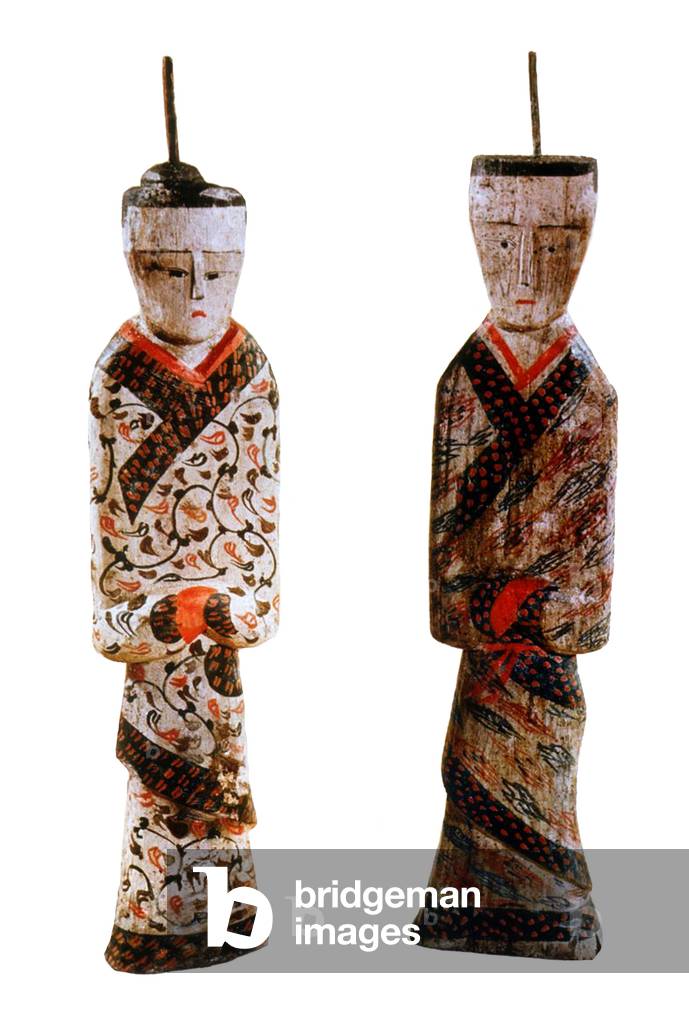
China: Painted wooden figurines excavated from the Tomb of Lady Dai, Mawangdui, Ch'angsha, Hunan Province, Western Han Dynasty, circa 168 BCE

PFH3061624: China: Painted wooden figurines excavated from the Tomb of Lady Dai, Mawangdui, Ch'angsha, Hunan Province, Western Han Dynasty, circa 168 BCE / Bridgeman Images
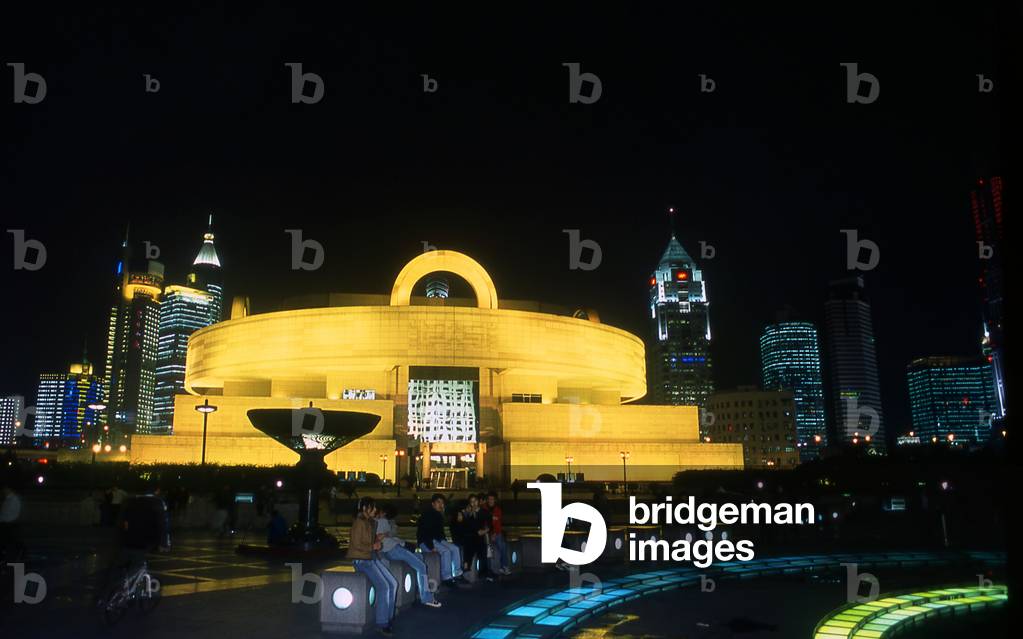
China: Shanghai Museum (Shanghai Bowuguan) in People's Park (Renmin Gongyuan) with surrounding skyscrapers, Shanghai

PFH1183664: China: Shanghai Museum (Shanghai Bowuguan) in People's Park (Renmin Gongyuan) with surrounding skyscrapers, Shanghai / Bridgeman Images
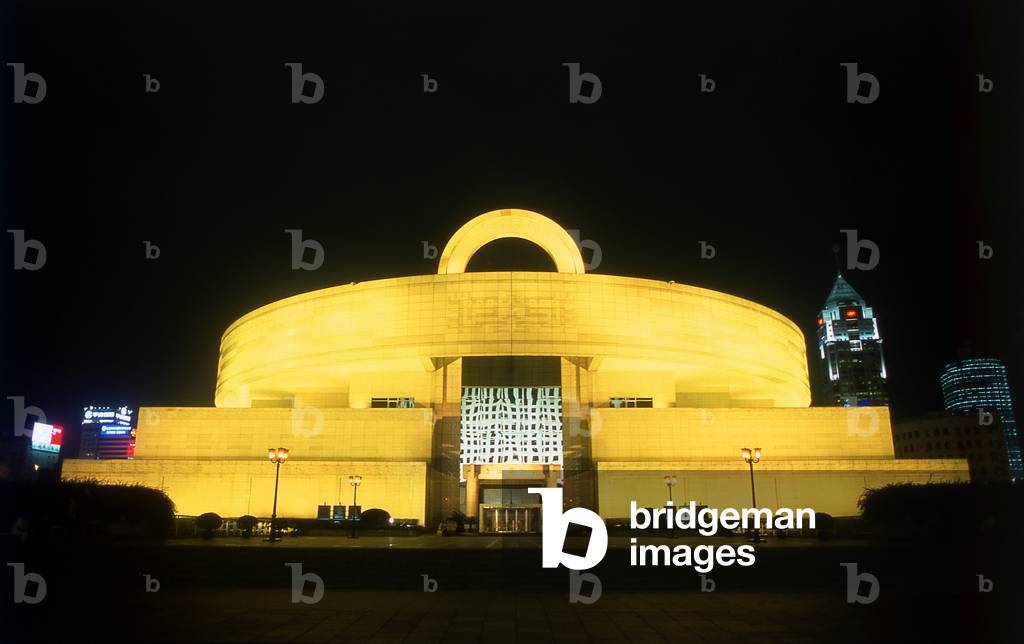
China: Shanghai Museum (Shanghai Bowuguan) in People's Park (Renmin Gongyuan) with surrounding skyscrapers, Shanghai

PFH1183665: China: Shanghai Museum (Shanghai Bowuguan) in People's Park (Renmin Gongyuan) with surrounding skyscrapers, Shanghai / Bridgeman Images
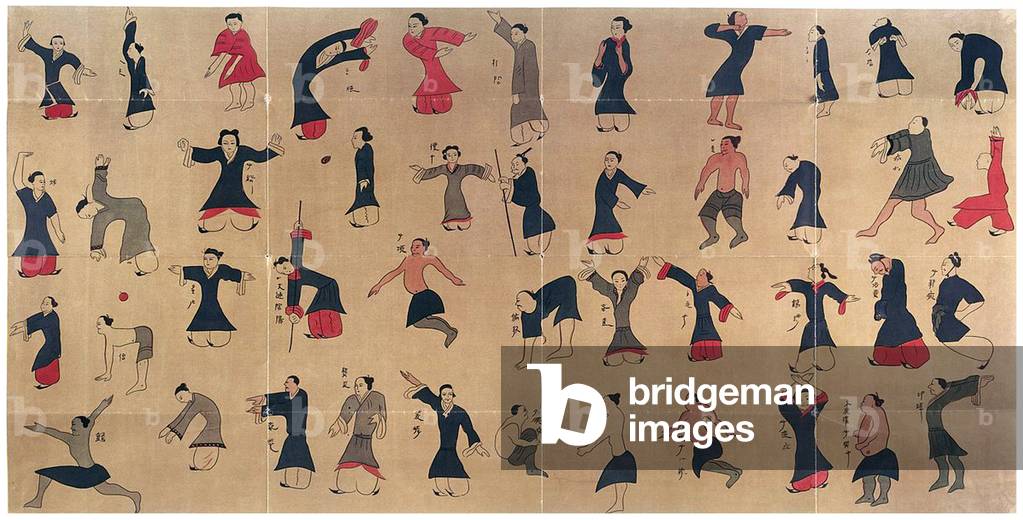
China: Paintings of therepeutic exercises from a silk manuscript in Tomb 3, Mawangdui, Changsha Province, 2nd century BCE (reconstruction)

PFH1773855: China: Paintings of therepeutic exercises from a silk manuscript in Tomb 3, Mawangdui, Changsha Province, 2nd century BCE (reconstruction) / Bridgeman Images

China: Paintings of therepeutic exercises from a silk manuscript in Tomb 3, Mawangdui, Changsha Province, 2nd century BCE (original)

PFH1773854: China: Paintings of therepeutic exercises from a silk manuscript in Tomb 3, Mawangdui, Changsha Province, 2nd century BCE (original) / Bridgeman Images
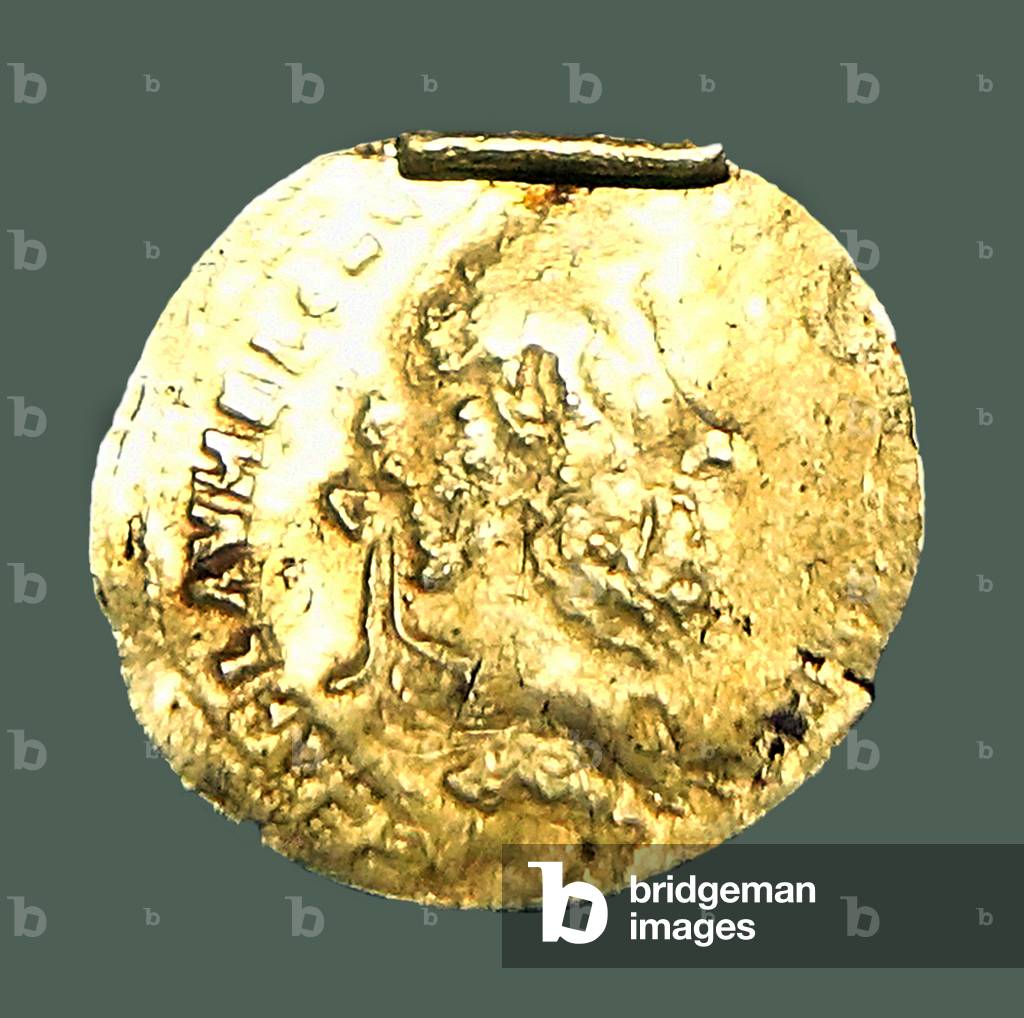
Vietnam: Gold medallion (coin) of Marcus Aurelius (121 - 180 CE), joint 16th Roman emperor, found at Oc Eo, An Giang Province, southern Vietnam, now in the Museum of Vietnamese History, Ho Chi Minh City

PFH3519138: Vietnam: Gold medallion (coin) of Marcus Aurelius (121 - 180 CE), joint 16th Roman emperor, found at Oc Eo, An Giang Province, southern Vietnam, now in the Museum of Vietnamese History, Ho Chi Minh City / Bridgeman Images

Interior view of Independence Hall, Philadelphia, printed by Louis N. Rosenthal, c.1856 (chromolitho)

LCP463672: Interior view of Independence Hall, Philadelphia, printed by Louis N. Rosenthal, c.1856 (chromolitho) , Rosenthal, Max (1833-1918) / Bridgeman Images
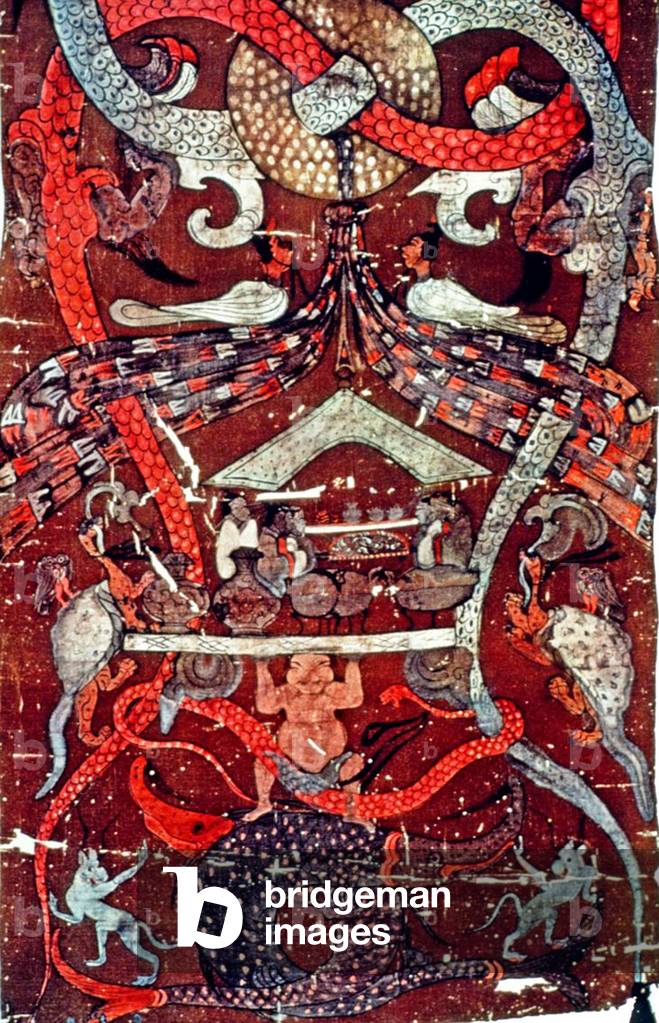
China: Section of the lower tier of a painted silk banner from the Tomb of Lady Dai, Mawangdui, Changsha, Hunan Province, Western Han Dynasty, c. 168 BCE

PFH3085657: China: Section of the lower tier of a painted silk banner from the Tomb of Lady Dai, Mawangdui, Changsha, Hunan Province, Western Han Dynasty, c. 168 BCE / Bridgeman Images

A Successful Hunt, 1906 (Gouache, w/c and charcoal on paper mounted on board)

XOS3614059: A Successful Hunt, 1906 (Gouache, w/c and charcoal on paper mounted on board), Farny, Henry Francois (1847-1916) / Bridgeman Images

Double star Gliese 623 - Double star system Gliese 623 in Hercules - Gliese 623 is a double star located about 25 years ago - light in the constellation Hercules. The Hubble space telescope was able for the first time to obtain an image of the two stars that make up this system, in June 1994. The two stars are separated by about twice the distance from Earth to Sun. On the right, 623b, a star 60,000 times less bright than the Sun, and 10 times less massive. Its nature is misidentified, it's a red dwarf or a brown dwarf. A dim double star system cataloged as Gliese 623 lies 25 light - years from Earth, in the constellation of Hercules. The individual stars of this binary system were distinguished for the first time when the Hubble Space Telescope's Faint Object Camera recorded this image in June 1994. They are separated by 200 million miles - about twice the Earth/Sun distance. On the right, the fainter Gliese 623b is 60,000 times less luminous than the Sun and approximately 10 times less massive. The fuzzy rings around its brighter companion, Gliese 623a, are image artifacts. The lowest mass stars are classified as red dwarf stars, but even red dwarfs are massive enough to trigger hydrogen fusion in their cores to sustain their feeble starlight. Slightly less massive objects, known as brown dwarfs, can shine only briefly as their central temperatures are too low to utilize hydrogen as nuclear fuel. The present estimates of the mass of Gliese 623b are right at this red dwarf/brown dwarf border but future observations should help clarify the nature of one of our Galaxy's small stars. Dim and difficult to detect, an abundance of objects like GL623b has been proposed as a possible solution to the mystery of “” Dark Matter”” in the Universe

PIX4572158: Double star Gliese 623 - Double star system Gliese 623 in Hercules - Gliese 623 is a double star located about 25 years ago - light in the constellation Hercules. The Hubble space telescope was able for the first time to obtain an image of the two stars that make up this system, in June 1994. The two stars are separated by about twice the distance from Earth to Sun. On the right, 623b, a star 60,000 times less bright than the Sun, and 10 times less massive. Its nature is misidentified, it's a red dwarf or a brown dwarf. A dim double star system cataloged as Gliese 623 lies 25 light - years from Earth, in the constellation of Hercules. The individual stars of this binary system were distinguished for the first time when the Hubble Space Telescope's Faint Object Camera recorded this image in June 1994. They are separated by 200 million miles - about twice the Earth/Sun distance. On the right, the fainter Gliese 623b is 60,000 times less luminous than the Sun and approximately 10 times less massive. The fuzzy rings around its brighter companion, Gliese 623a, are image artifacts. The lowest mass stars are classified as red dwarf stars, but even red dwarfs are massive enough to trigger hydrogen fusion in their cores to sustain their feeble starlight. Slightly less massive objects, known as brown dwarfs, can shine only briefly as their central temperatures are too low to utilize hydrogen as nuclear fuel. The present estimates of the mass of Gliese 623b are right at this red dwarf/brown dwarf border but future observations should help clarify the nature of one of our Galaxy's small stars. Dim and difficult to detect, an abundance of objects like GL623b has been proposed as a possible solution to the mystery of “” Dark Matter”” in the Universe / Bridgeman Images
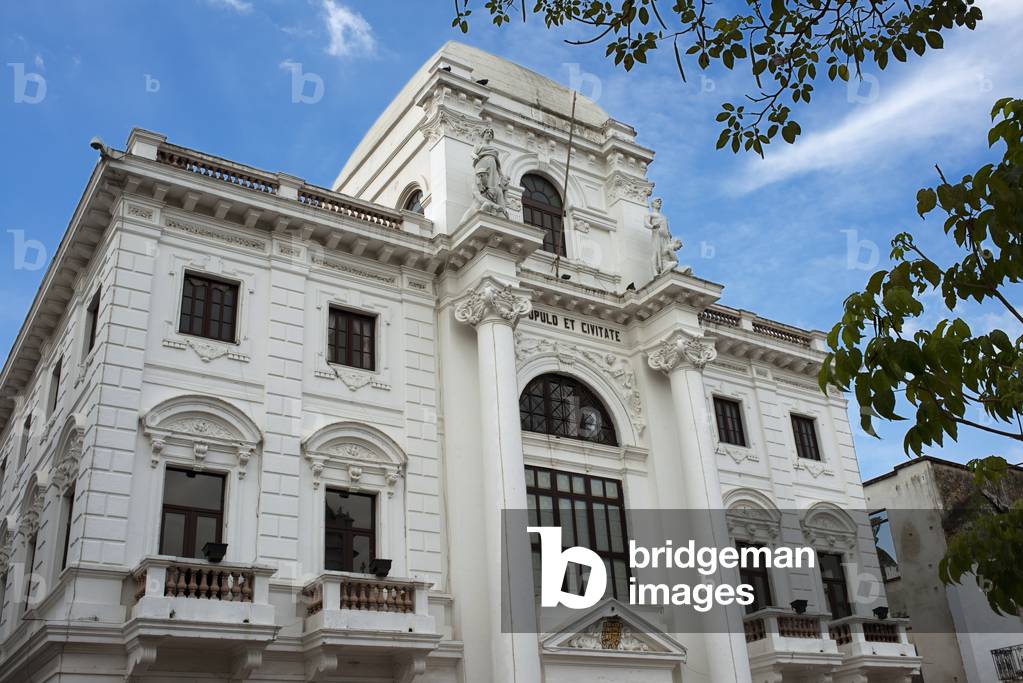
Municipal Palace, Panama City, Panama  (photo)

SRB1202581: Municipal Palace, Panama City, Panama (photo), Reboredo, Sergi / Bridgeman Images

China: Two Chinese Opera actors posing in costume. John Thomson (1837-1921), c. 1870

PFH2635174: China: Two Chinese Opera actors posing in costume. John Thomson (1837-1921), c. 1870 / Bridgeman Images

China: Painting of Vishvantara Offering a White Elephant, Miran, Xinjiang

PFH1164658: China: Painting of Vishvantara Offering a White Elephant, Miran, Xinjiang / Bridgeman Images

Foot Of The Protective Serpent At The base Of The Huge Buddha Wat Tham Seua Krabi Thailand South East Asia (photo)

SRB3585068: Foot Of The Protective Serpent At The base Of The Huge Buddha Wat Tham Seua Krabi Thailand South East Asia (photo), Reboredo, Sergi / Bridgeman Images

The Bund Promenade, Shanghai, China  (photo)

SRB1202568: The Bund Promenade, Shanghai, China (photo), Reboredo, Sergi / Bridgeman Images

Shanghai, China (photo)

SRB3036709: Shanghai, China (photo), Reboredo, Sergi / Bridgeman Images

Shanghai, China (photo)

SRB3036718: Shanghai, China (photo), Reboredo, Sergi / Bridgeman Images

Shanghai, China (photo)

SRB3036712: Shanghai, China (photo), Reboredo, Sergi / Bridgeman Images

Shanghai, China (photo)

SRB3036710: Shanghai, China (photo), Reboredo, Sergi / Bridgeman Images


Back to top