
Print this page or go back to standard view.
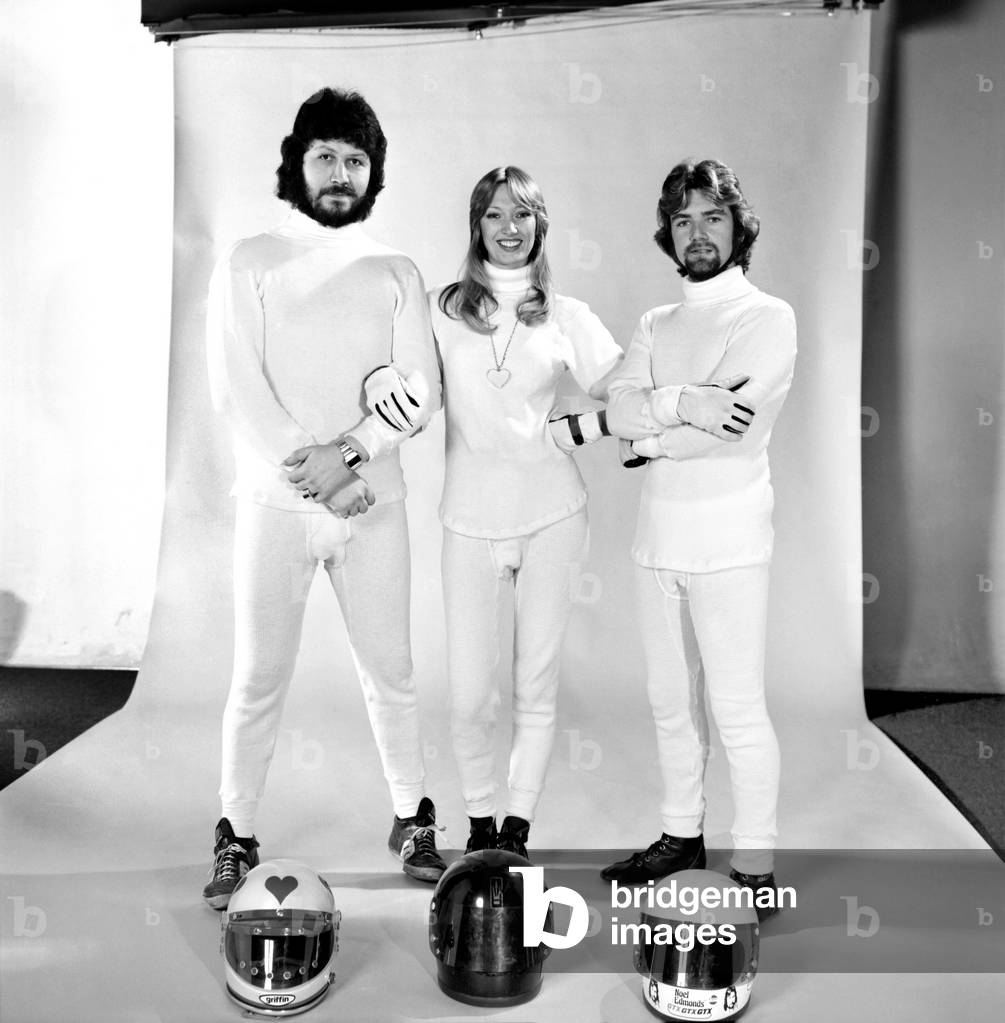
MPX5105494: A Fireproof Combination. Noel Edmonds, Dave Lee Travers, Maureen Lynn, February 1975(b/w photo) / Bridgeman Images

MPX5068608: Take a good look at these pants. They are really zippy. / Bridgeman Images
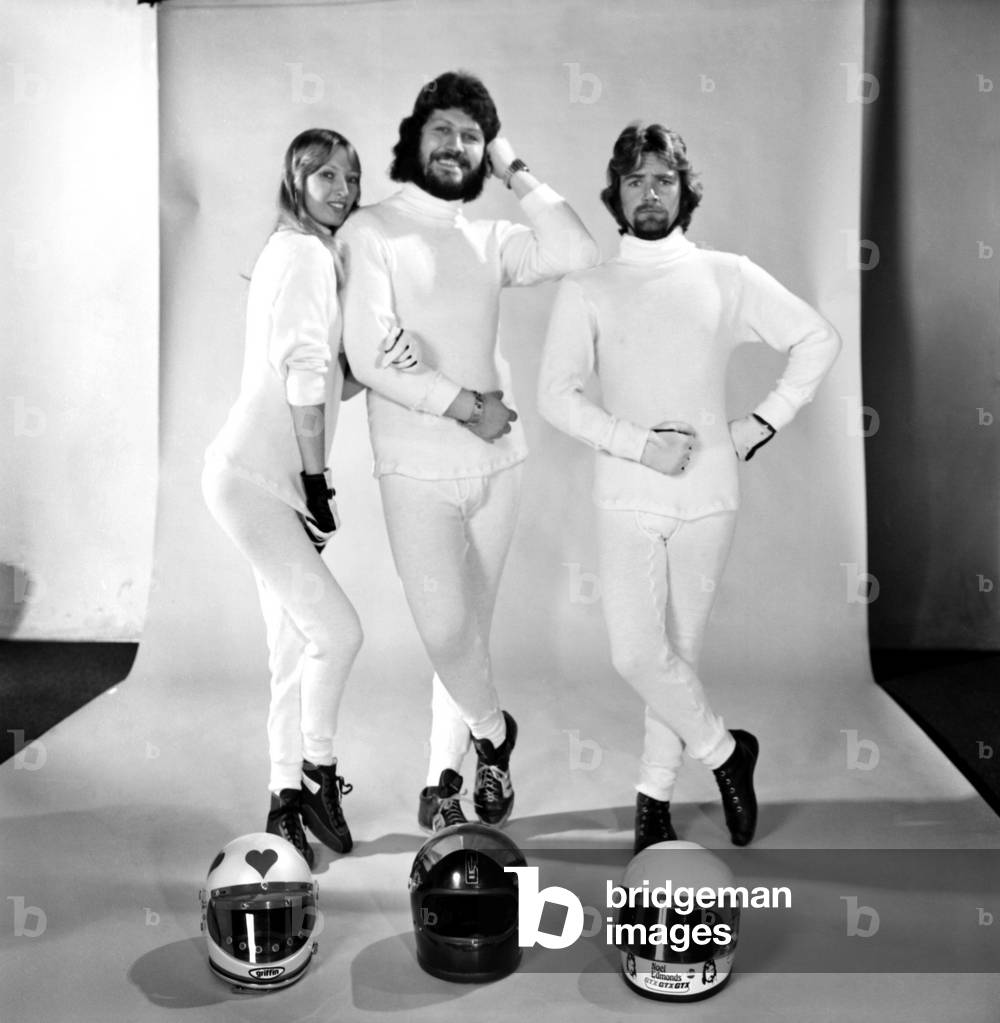
MPX5105486: A Fireproof Combination. Noel Edmonds, Dave Lee Travers, Maureen Lynn, February 1975(b/w photo) / Bridgeman Images

MEP2627329: Italian Square with Statue, 1937 (oil on canvas), Chirico, Giorgio de (1888-1978) / Bridgeman Images

MPX5105417: A Fireproof Combination. Noel Edmonds, Dave Lee Travers, Maureen Lynn, February 1975(b/w photo) / Bridgeman Images

USB1156752: Edmund Wilson (1831-1934), driving his tandem, Herbert, Edward Benjamin (1857-93) / Bridgeman Images

USB1163065: Three Ships in a Squall, Velde, Willem van de, the Younger (1633-1707) / Bridgeman Images
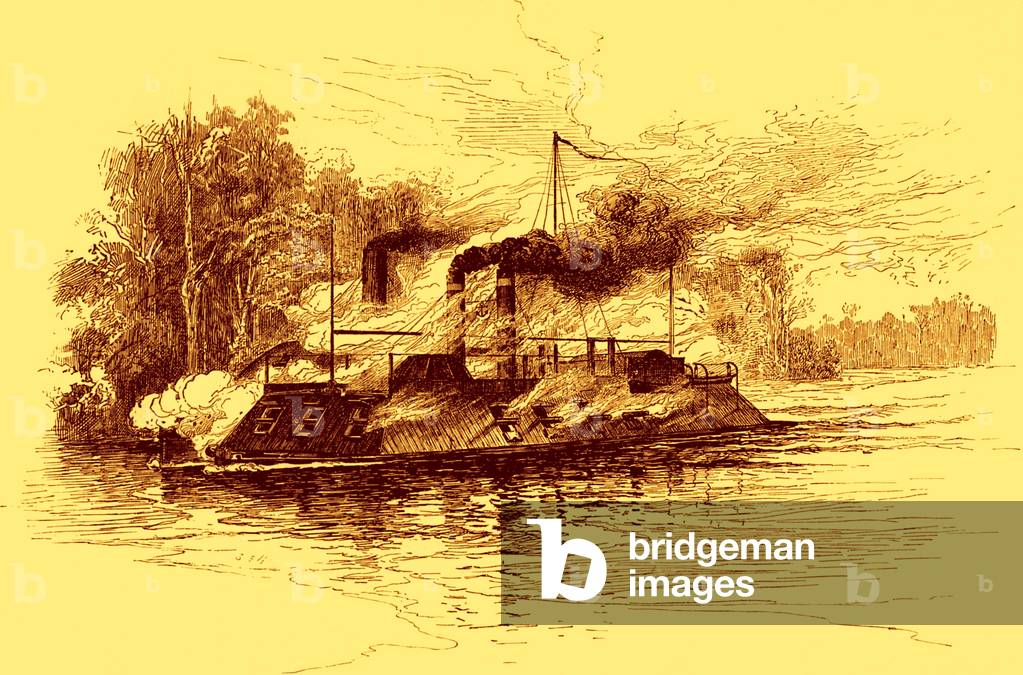
XLF3782843: CSS Arkansas alongside USS Carondelet / Bridgeman Images
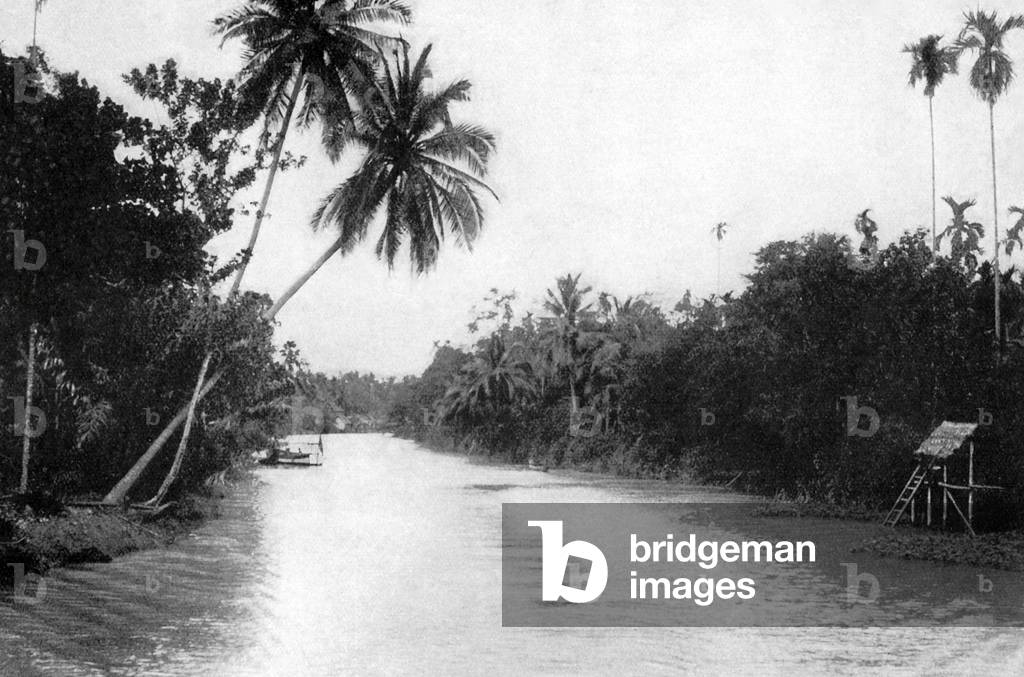
PFH1168359: Thailand: A canal scene from outside Bangkok, c. 1900 / Bridgeman Images

LLM2783792: A valiant financial guard (Colour Litho), Beltrame, Achille (1871-1945) / Bridgeman Images
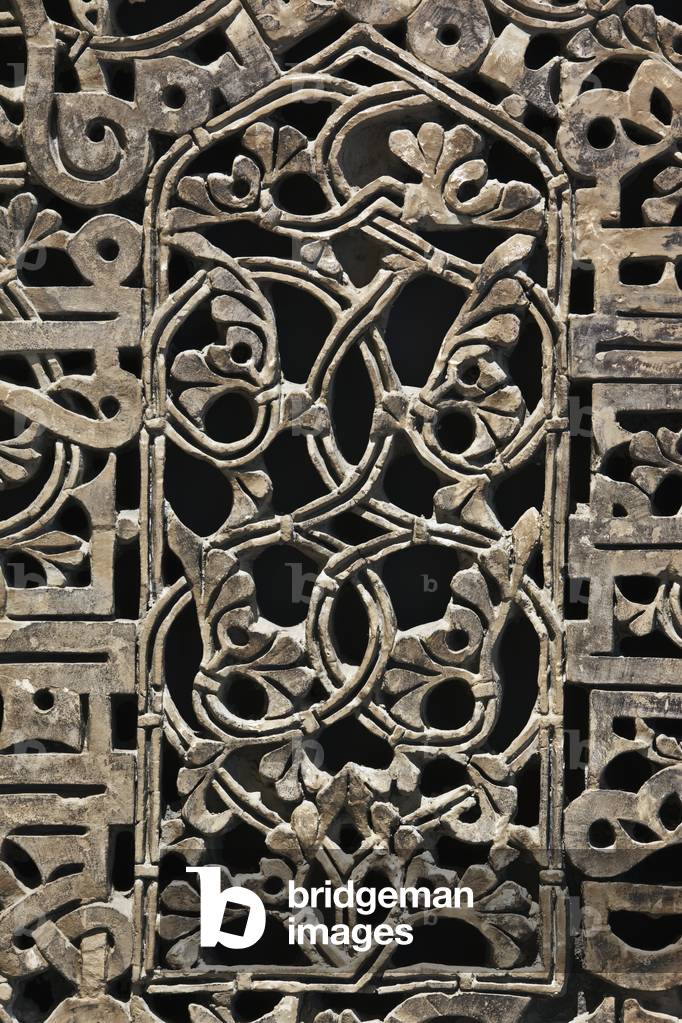
VIS693517: islamic art-detail of a window-stucco-inv.n.2388-from the mosque of al Salih Tala'i'-Fatimid 1160-IMG_5304 / Bridgeman Images

USB1163025: The Grand Cascade at Tivoli (after Giovanni Battista Busiri), Nickolls, Joseph (fl.1713-55) / Bridgeman Images

FLM2646981: Tuareg tribespeople preparing food and drink in encampment, Algeria 1957 / Bridgeman Images

TW427064: Sir William Benett, c.1740-43 (oil on canvas), Penny, Edward (1714-91) / Bridgeman Images

MAN6342801: The Manchester Warehousemen and Clerks Orphan School, 1893-94 (pencil on paper), Tidmarsh, Henry Edward (1855-1939) / Bridgeman Images

VIS693518: islamic art-window-stucco-inv.n.2388-from the mosque of al Salih Tala'i'-Fatimid 1160-IMG_5305 / Bridgeman Images

USB1161126: 'Dash' a Spaniel, Schwanfelder, Charles Henry (1774-1837) / Bridgeman Images
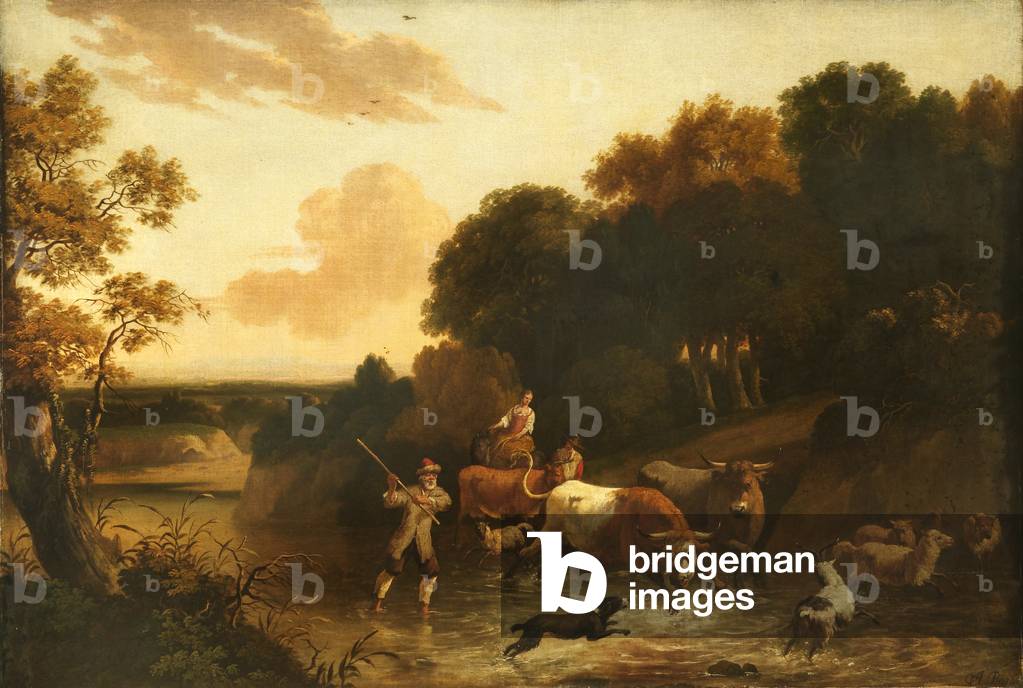
USB1155903: Landscape with Cattle, Sheep and Goats, Begeyn, Abraham-Jansz (1637-97) / Bridgeman Images

TW1212950: Portrait of Sir William Benett (oil on canvas), Penny, Edward (1714-91) (attr. to) / Bridgeman Images

MAI6437455: Syllable - No from the series Tales of Ise in Fashionable Brocade Prints, c.1770-1773 (woodblock on paper), Shunsho, Katsukawa (1726-93) / Bridgeman Images

XLA3749625: The Posthumous Papers Of The Pickwick Club by Charles Dickens, Alden, Cecil (1870- 1935) / Bridgeman Images
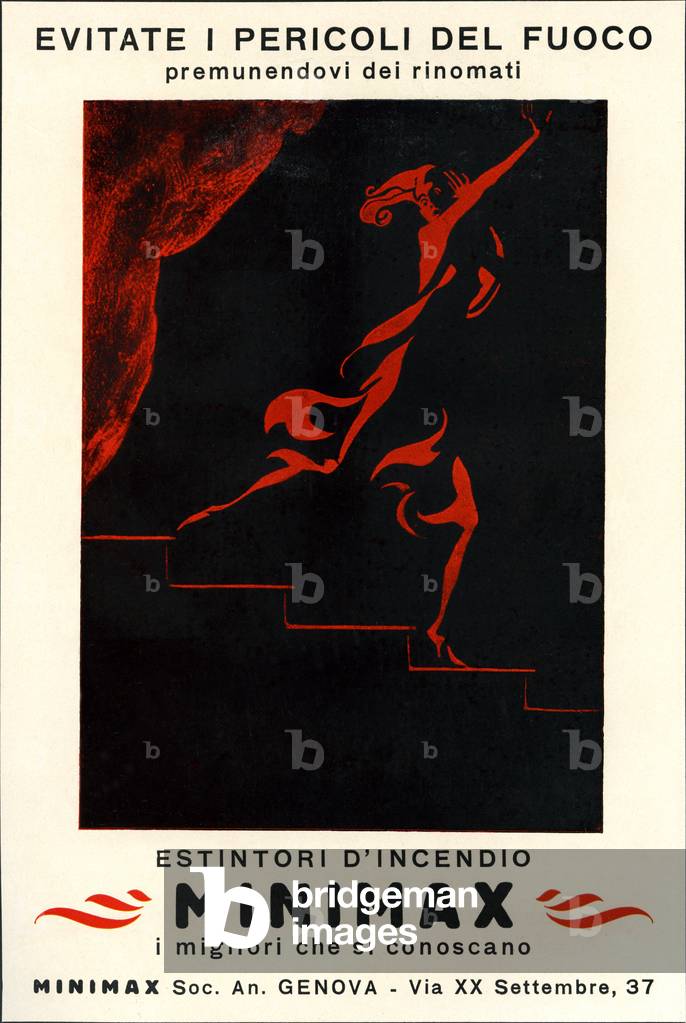
XLF3781769: Advertisement for fire extinguishers, 1928 (print) / Bridgeman Images
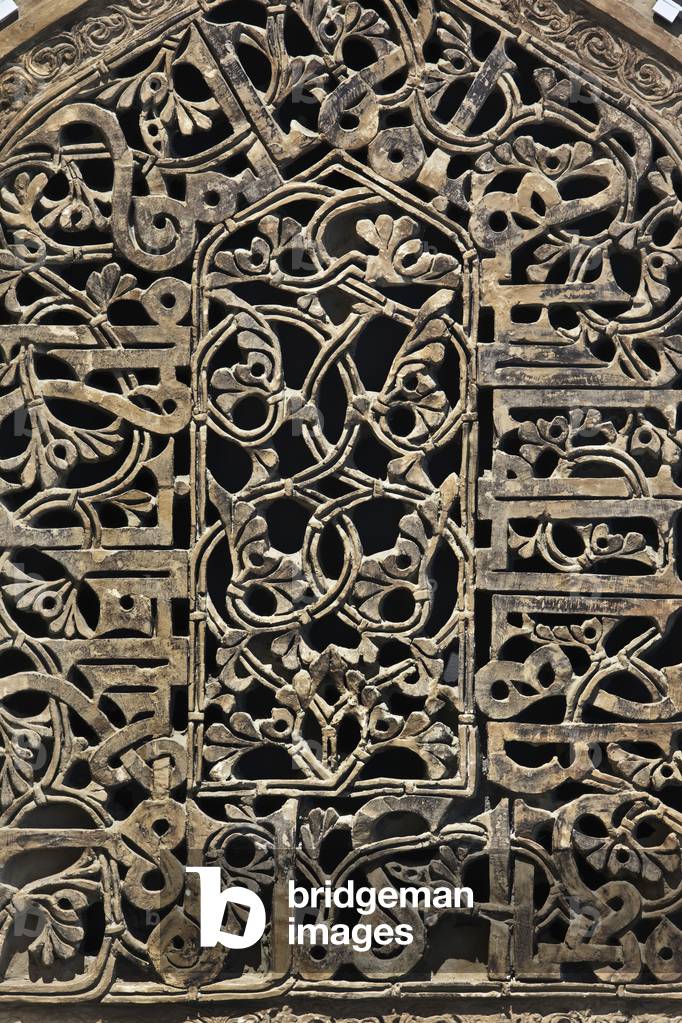
VIS693516: islamic art-detail of a window-stucco-inv.n.2388-from the mosque of al Salih Tala'i'-Fatimid 1160-IMG_5302 / Bridgeman Images

USB1159402: A Landscape with a Mill, Rembrandt Harmensz. van Rijn, (1606-69) (follower of) / Bridgeman Images

MEP849691: Italy Centenary (L'Italia del Centenario), by Giorgio de Chirico, 1971, 20th Century, color lithograph on paper, 100 x 70 cm, Chirico, Giorgio de (1888-1978) / Bridgeman Images

PIX4575196: Jupiter seen from his satellite Ganymede - Illustration - Ridges, grooves, and craters on Ganymede - Artist's view of the surface of Ganymede, Jupiter's largest satellite. An impact crater about 15 km in diameter differs from the striated surface of the satellite. In the sky are represented Jupiter, the Europe satellite on the top right, and Io on the left of Jupiter. Jupiter's largest satellite Ganymede has a varying surface, some of which is characterized by rumpled bundles of ridges and grooves that run for hundreds of miles over a frozen surface of water - ice. They probably formed long ago when tectonic forces pulled apart Ganymede's upper crust; similar sets of faults occur in rift zones on Earth, as in eastern Africa. Subsequent meteoritic impacts have peppered - - and broken in places - - the continuity of the running formations. In this image an impact crater about 10 miles in diameter dominates a scene otherwise defined by a dozen long ridges. In the middle of the crater is a central peak, formed when the energy of the impact liquefied the crust long enough for it to rebound upward and solidify once again. Immediately above the horizon, Jupiter is still a majestic spectacle, even at a distance of nearly three times that between the Earth and its moon. Much closer on the upper right is Ganymede's sister satellite Europa. At a distance of 307 thousand miles from this vantage point, Europe is only a quarter again as far as the Earth is from its moon. To the lower left of Jupiter at nearly a million miles is Jupiter's volcanic satellite Io / Bridgeman Images

MAI6437445: Syllable - We from the series Tales of Ise in Fashionable Brocade Prints, c.1770-1773 (woodblock on paper), Shunsho, Katsukawa (1726-93) / Bridgeman Images

HRP2966589: Malagrida, driving post, 1792 (etching), Gillray, James (1757-1815) / Bridgeman Images
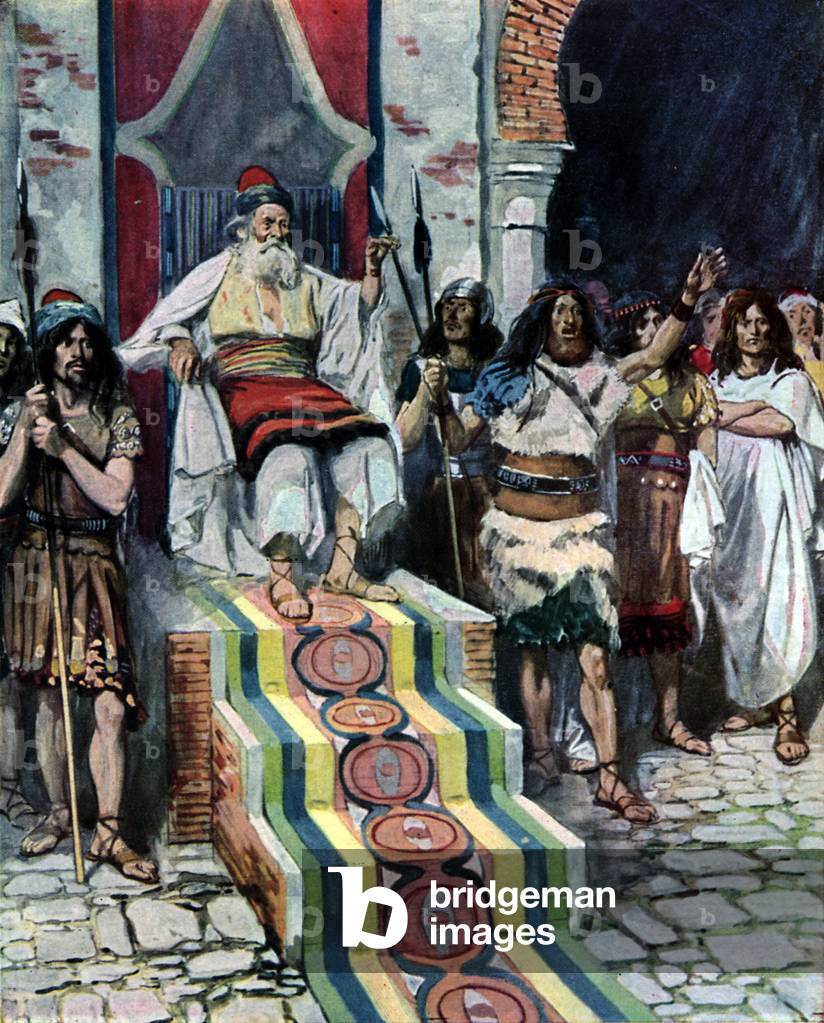
XLF3783470: David sees the messenger arrive, by Tissot -Bible, Tissot, James Jacques Joseph (1836-1902) (after) / Bridgeman Images

LCP463783: Souvenir of the coldest winter on record, Scene on the Delaware River at Philada. during the severe winter of 1856, printed by P.S. Duval & Co., 1856 (chromolitho) , Queen, James Fuller (1824-77) (after) / Bridgeman Images

MEP2346691: The Italian middle-distance runner Paola Pigni at the Olympic Games / Bridgeman Images
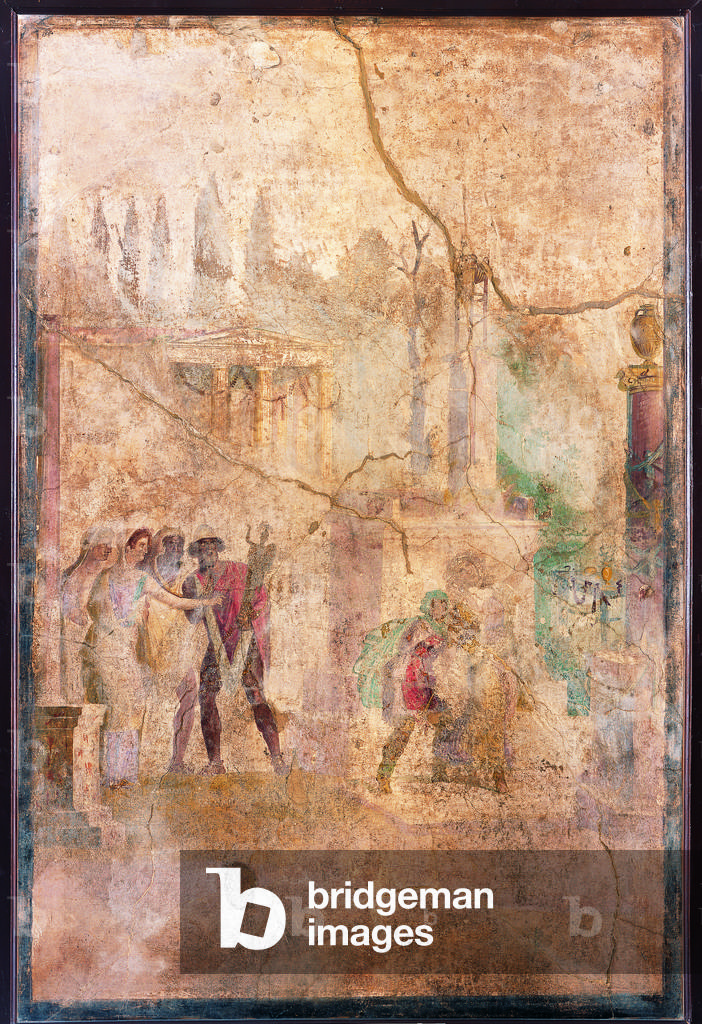
MEB1191278: The Rape of the Palladium, by unknown artist, 20-37, 1st Century B.C. - 1st Century A.D., ripped fresco, 192 x 127 cm, Roman (1st century AD) / Bridgeman Images
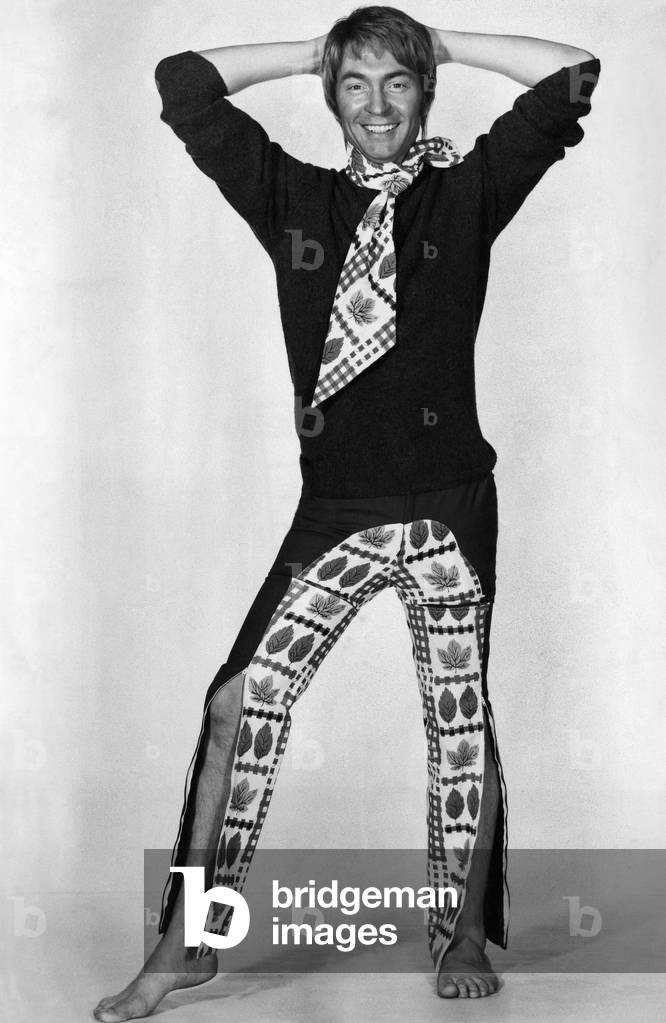
MPX5068618: A crazy new idea for a quick change. In a flesh they zip off...to make beach trunks. / Bridgeman Images

XLA3761093: At the Sign of the Reine Pédauque -by A. France, Pape, Frank Cheyne (1878-1972) / Bridgeman Images

XLA3761097: At the Sign of the Reine Pédauque -by A. France, Pape, Frank Cheyne (1878-1972) / Bridgeman Images

USB1160258: Hunting Scene: a Fox followed by Hounds and Huntsmen in Full Cry, down a Hill, Davis, Richard Barrett (1782-1854) / Bridgeman Images