Aldo Rossi (Milan, 1931–1997) was an architect, designer, theorician and scholar, and the first Italian to be awarded The Pritzker Architecture Prize (1990) and the Thomas Jefferson Medal (1992).
He studied architecture at the Politecnico di Milano, graduating in the 1950s. In 1970, he became a professor at the Politecnico di Milano and then in ETH Zurich, while also collaborating with universities worldwide, as, among others, Harvard, Yale, and Cooper Union.
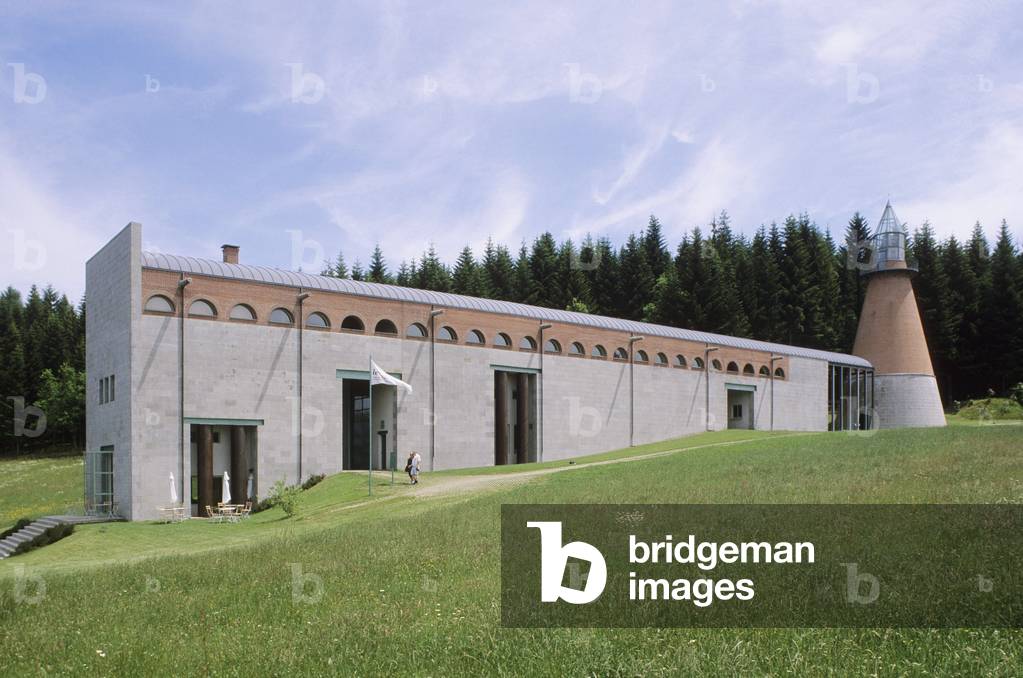
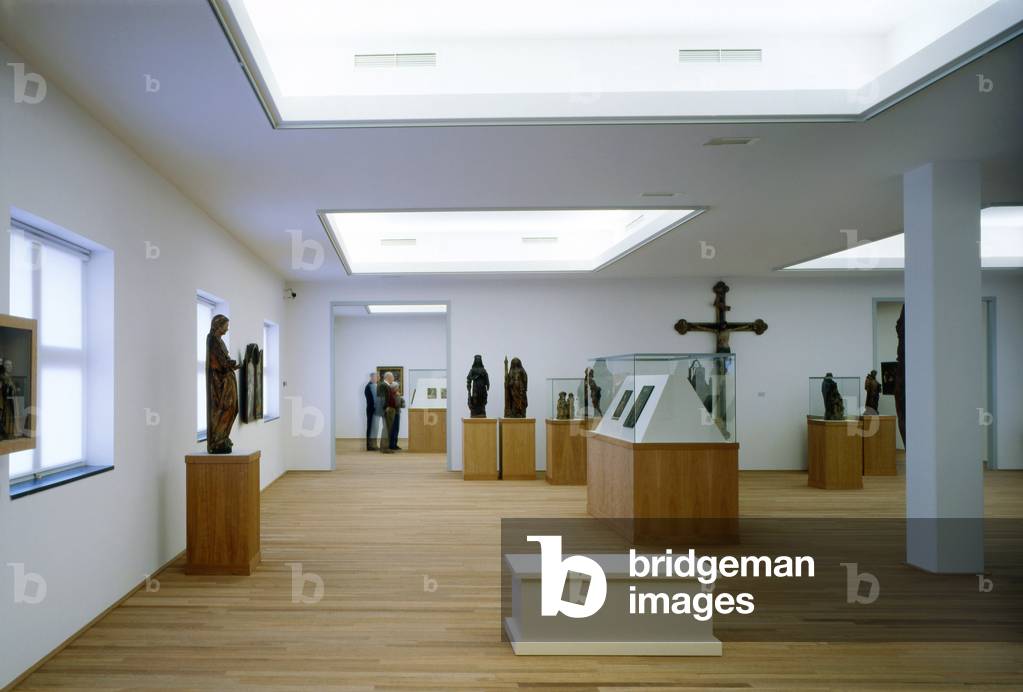
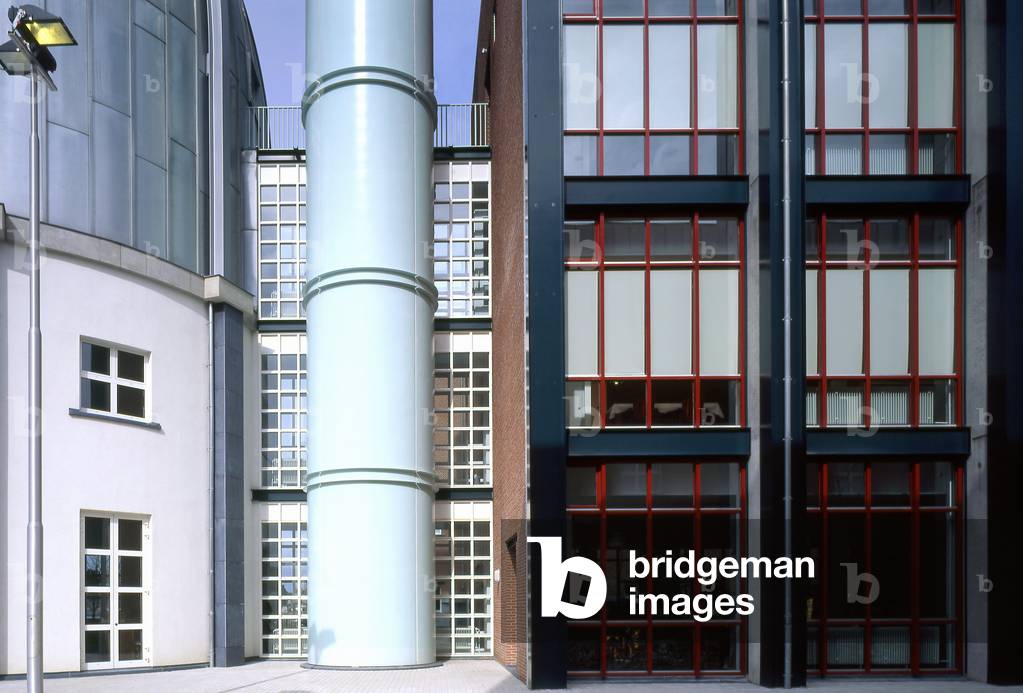
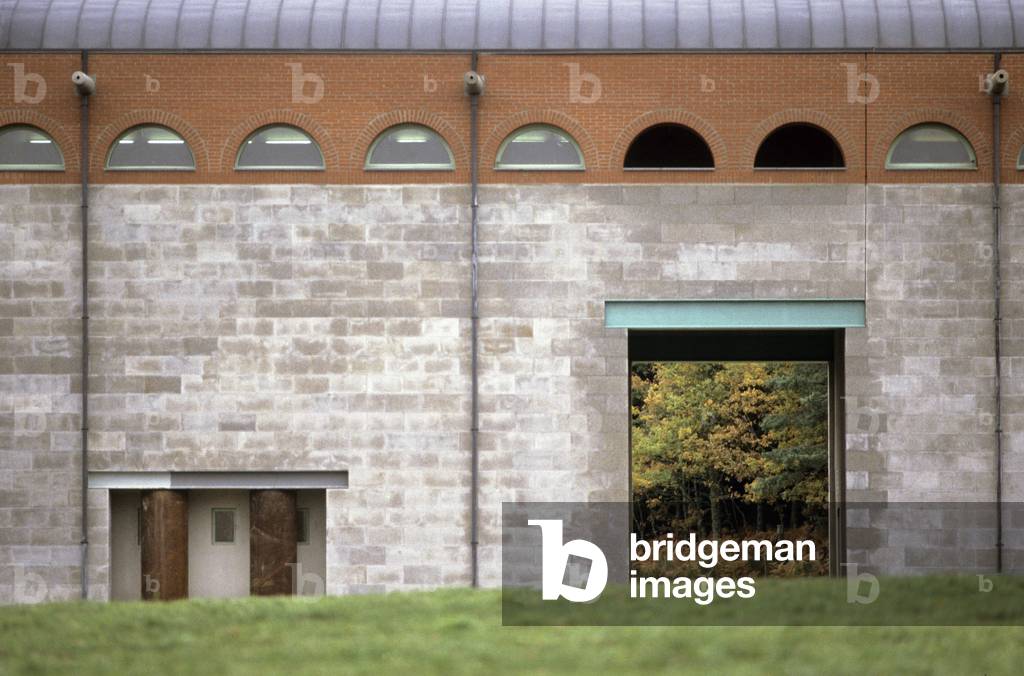
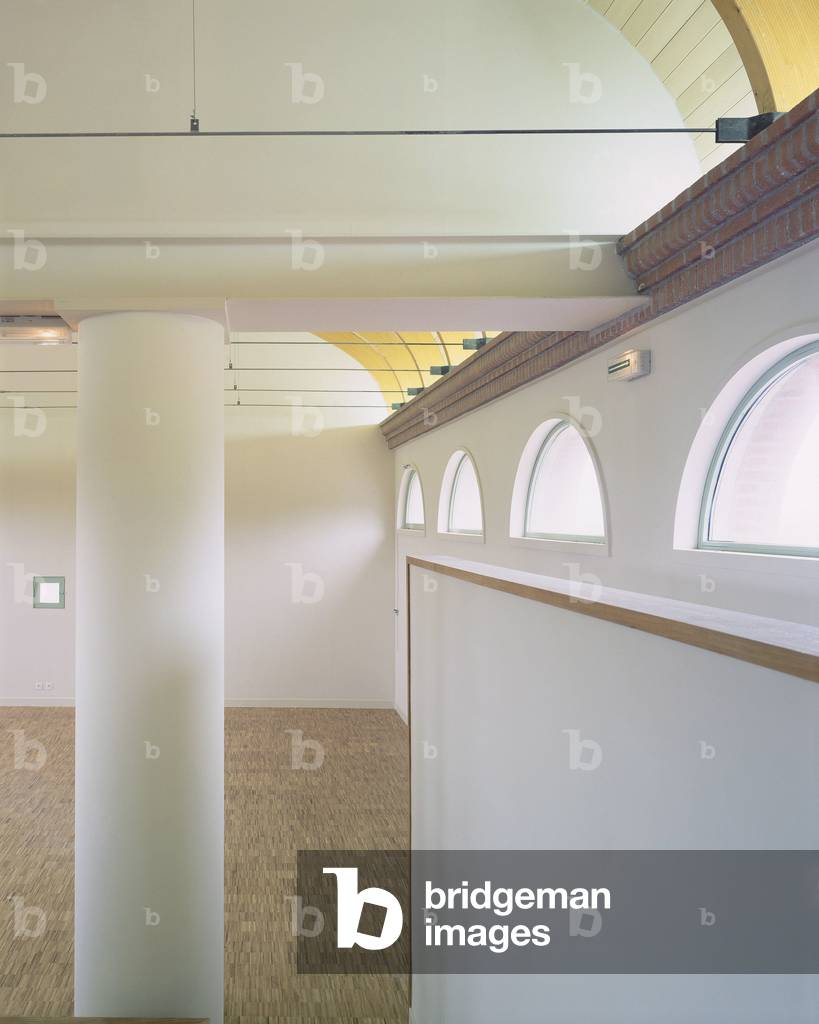
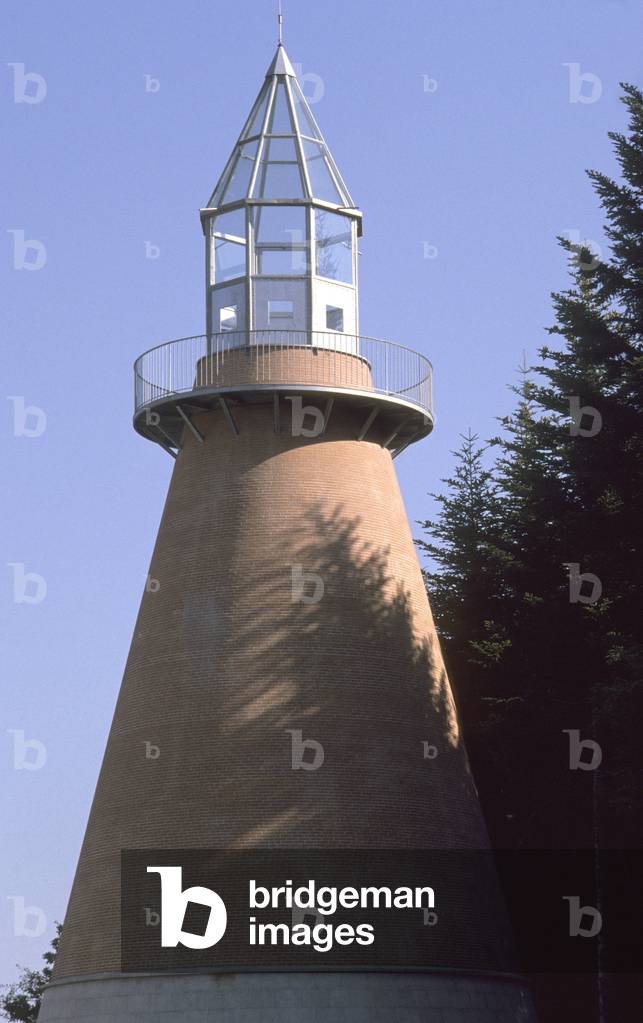
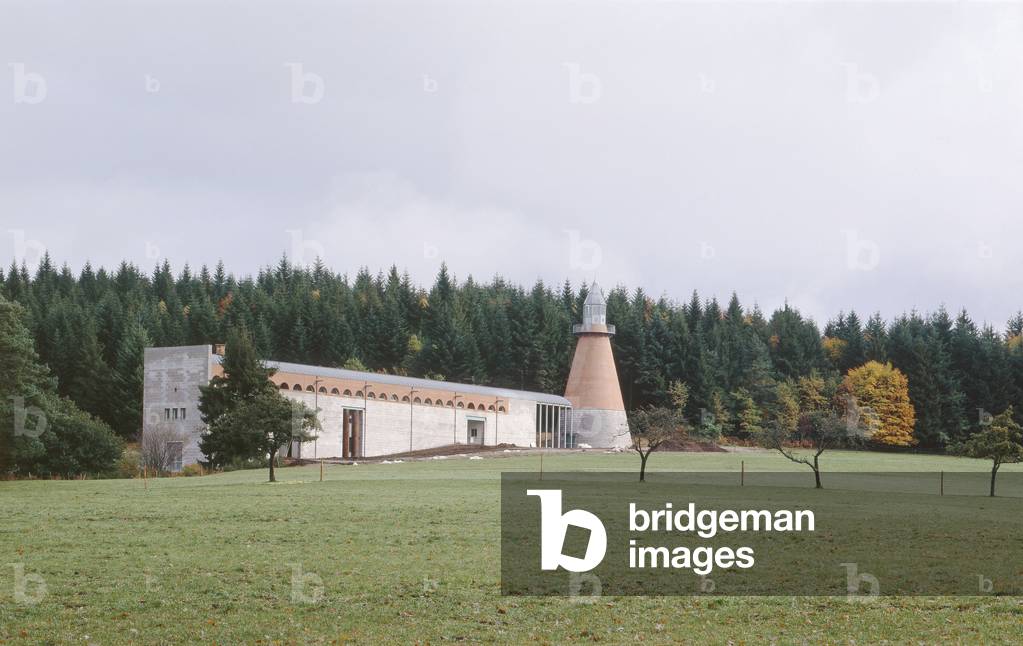
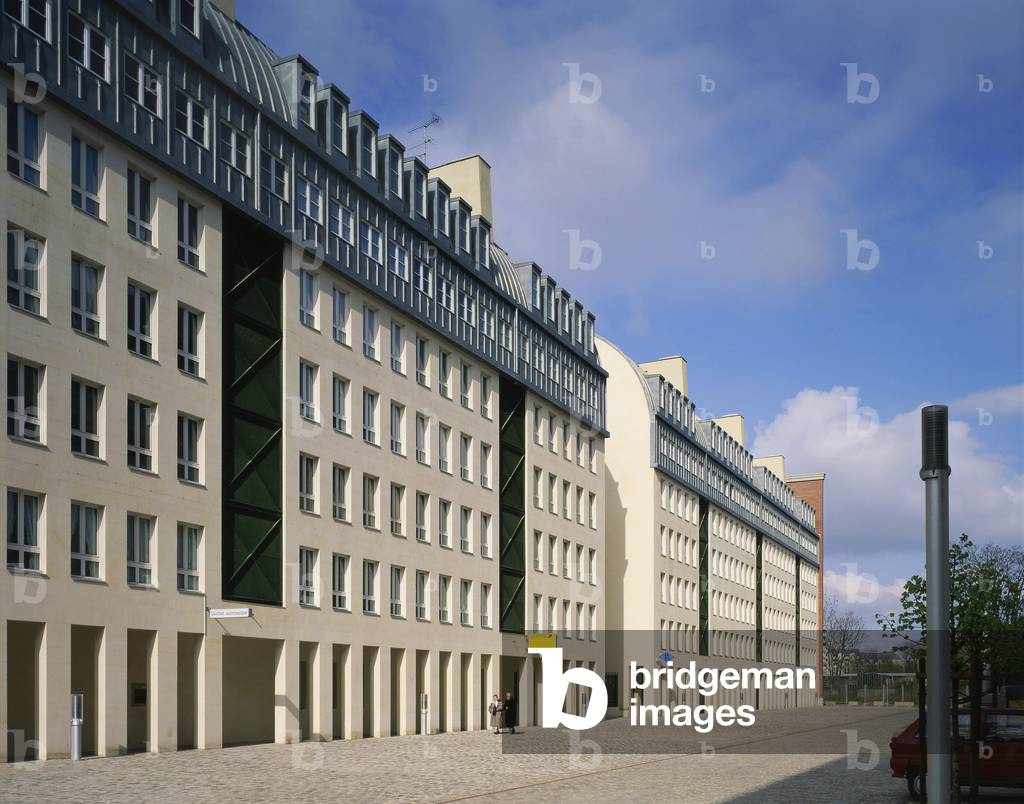
Rossi’s architectural works span public and private projects, including the De Amicis School expansion in Bronx (1970), Gallaratese residential unit in Milan (1968–1973), San Cataldo Cemetery in Modena (1971–1978), and the Fagnano Olona primary school (1972–1976). Notable later works include the Teatro Carlo Felice renovation in Genoa (1983–1989), Milan-Linate Airport expansion (1991–1993), and Venice’s La Fenice theatre reconstruction(1996). Internationally, he designed Berlin’s Kochstrasse block (1981–1988), Fukuoka’s Hotel Il Palazzo (1987–1989), and the Bonnefantenmuseum in Maastricht (1990–1994) and many other important buildings built or projected, in Europe, North and South America and Far East.
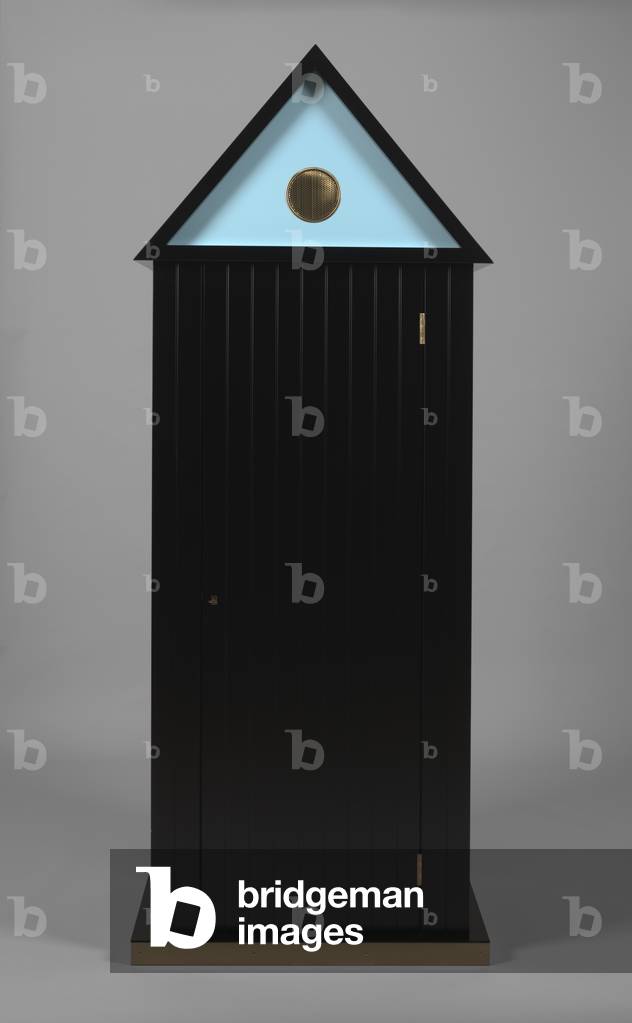
A renowned historian and theorist, Rossi published "The Architecture of the City" (1966) and "A Scientific Autobiography" (1984), co-directed the film "Ornamento e delitto", and curated architectural sections for the Triennale di Milano and Venice Biennale. He also excelled as a designer for brands like Alessi, Molteni&C, UniFor and Bruno Longoni and as an artist, with his drawings and paintings, as well as with liminal works like the Teatro del Mondo (1979) and the Monument to Sandro Pertini (1988–1990).